






Introduction: The Richness of Turkish Culinary Heritage
Turkish cuisine is a vibrant and diverse culinary tradition that has developed over centuries, blending the flavors and techniques of Europe, Asia, and the Middle East. As a crossroads between Europe and Asia, Turkey’s cuisine is a unique fusion of contrasting culinary influences. The flavors of Central Asia, the Middle East, the Mediterranean, and even Eastern Europe are intertwined, resulting in a culinary landscape that is rich, varied, and full of complex flavors.
At the heart of Turkish food lies an incredible diversity of ingredients, from fresh vegetables and fruits to grains, meats, and spices. The use of olive oil, yogurt, lamb, and grilled meats alongside an extensive range of herbs and spices is a testament to the country’s unique geographic position, which brings together elements from both the Eastern and Western worlds. This fusion of influences makes Turkish cuisine both exquisite and timeless, providing a rich tapestry of dishes that reflect the country’s long and varied history.
This article will explore the distinctive characteristics of Turkish cuisine, examining its origins, key ingredients, traditional cooking methods, and popular dishes. We will delve into how Turkish food marries European and Asian flavors, creating a culinary tradition that offers something for every palate—from savory kebabs to sweet desserts like baklava.
Part 1: The Historical Influence of Europe and Asia on Turkish Cuisine
1.1 The Intersection of Continents: Geography’s Role in Turkish Food
Turkey’s unique geographical location, bridging the continents of Europe and Asia, has allowed it to absorb culinary influences from a wide range of cultures. From the ancient civilizations of the Greeks and Romans in the west to the rich traditions of the Ottoman Empire in the east, Turkey’s food culture has been shaped by centuries of cultural exchange and trade.
The Ottoman Empire, which spanned parts of Europe, Asia, and North Africa for over 600 years, played a pivotal role in the development of modern Turkish cuisine. The Ottomans embraced the culinary traditions of the countries within their vast empire, incorporating everything from Mediterranean spices to Central Asian grains, Middle Eastern cooking techniques, and European flavors.
Turkish cuisine also incorporates flavors from Persian, Arabian, and Caucasian cuisines, creating a culinary hybrid that offers a balance of influences, with fresh vegetables, citrusy herbs, and rich meats all featuring prominently.
1.2 Mediterranean and Middle Eastern Roots: Shared Ingredients and Techniques
The Mediterranean region has greatly influenced Turkish cuisine, particularly in the use of olive oil, fresh vegetables, and grilled meats. The adoption of yogurt as both a condiment and a cooking ingredient is another hallmark of Turkish-Mediterranean cuisine. Meze—a selection of small, flavorful dishes—serves as an example of how Mediterranean influences have shaped Turkish dining, with a variety of salads, dips, and small bites that are shared among the table.
The Middle Eastern influence is also evident in the prevalence of spices and herbs. Dishes like kebabs and stews often feature rich spice blends like sumac, cumin, paprika, and mint, which give Turkish food its signature flavor complexity. Many Turkish dishes, including baklava and kofte, reflect the shared heritage of the Ottoman Empire and its connections to Arabic and Persian cuisines.
1.3 Central Asian Influence: Nomadic Roots of Turkish Cooking
Long before the establishment of the Ottoman Empire, the ancestors of the Turkish people were nomadic tribes from Central Asia. The culinary habits of these nomads have had a lasting impact on Turkish cuisine, especially in the use of lamb, dough, and wheat. These ingredients form the basis of many traditional Turkish dishes, including manti (Turkish dumplings) and pide (Turkish flatbread pizza).
The Central Asian influence is also apparent in the cooking methods: grilling, boiling, and steaming meats and vegetables have been central techniques in Turkish cooking for centuries. Kebabs, a staple of Turkish cuisine, can trace their origins to these ancient nomadic practices of roasting meat over an open fire.
Part 2: The Key Ingredients of Turkish Cuisine
2.1 Fresh Vegetables and Fruits: Mediterranean Meets the East
Vegetables and fruits play a central role in Turkish cuisine, often appearing as the primary component of dishes. From tomatoes, eggplants, peppers, and zucchini to figs, pomegranates, apricots, and grapes, Turkish chefs use fresh produce to create dishes that are both vibrant and nutritious.
Eggplants, in particular, are a key ingredient in Turkish cooking, often appearing in stews, kebabs, and side dishes. Kısır, a bulgur salad with tomatoes, cucumbers, and herbs, and imam bayildi, a dish of eggplants stuffed with onions and garlic, are prime examples of how vegetables are used to create dishes that are both hearty and satisfying.
Pomegranates and their tangy seeds feature in Turkish salads and sauces, providing a sweet and sour contrast to the savory elements of the dish. Turkish food frequently incorporates herbs such as parsley, mint, and dill, which add freshness and balance to the heavier, richer ingredients.
2.2 The Role of Olive Oil and Yogurt
Olive oil is a cornerstone of Turkish cooking, especially in the western coastal regions. The Aegean region is renowned for its olive oil production, and the oil is used in a wide range of dishes—from salads and dips to vegetable-based stews. Its mild flavor enhances the natural taste of the vegetables and meats, while its use in cooking offers a healthier alternative to butter or other fats.
Yogurt is another staple in Turkish cuisine, with uses that span both savory and sweet dishes. Cacık, a yogurt-based dip flavored with cucumbers, garlic, and mint, is commonly served as a side dish or appetizer. Yogurt is also used to tenderize meats in marinades, and as a topping for dishes like kebabs or manti. Additionally, ayran, a traditional yogurt drink, is a beloved beverage that accompanies many meals.
2.3 Meat and Grains: A Foundation for Hearty Dishes
While Turkey is home to a variety of meats, lamb holds the most significance. It is used in a variety of forms, from grilled kebabs to slow-cooked stews. Lamb’s tender texture and rich flavor make it ideal for a range of Turkish dishes, such as kuzu tandir (slow-roasted lamb) and kuzu kebab.
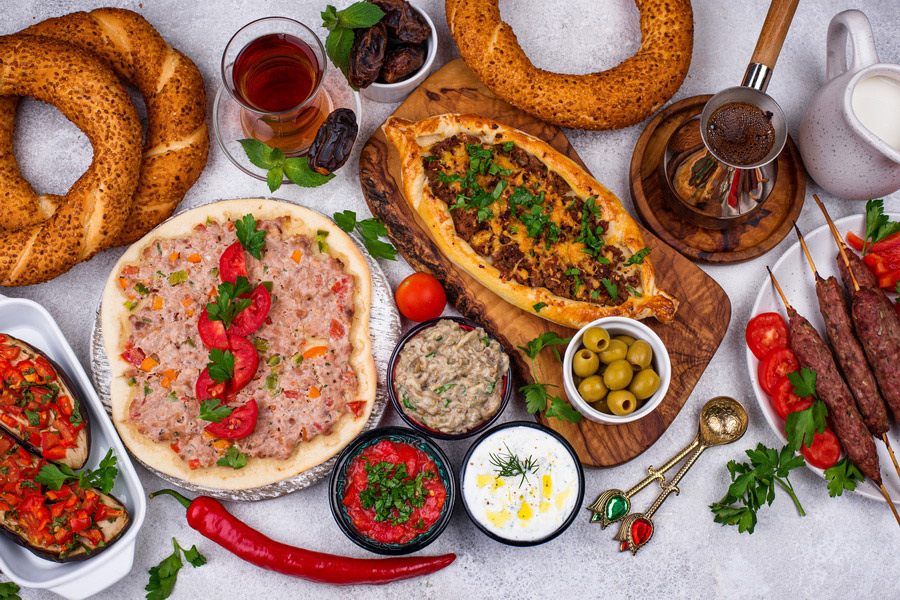
Turkey also produces a wide variety of wheat-based products, from bulgur and rice to pasta and bread. Börek, a savory pastry filled with cheese, spinach, or minced meat, and pide, a boat-shaped flatbread topped with cheese, ground meat, and eggs, showcase the Turkish love for dough-based dishes.
Part 3: Popular Turkish Dishes: A Blend of European and Asian Influences
3.1 Kebabs: A Grilled Delight
One of the most famous contributions of Turkish cuisine to the global food scene is the kebab. The term “kebab” itself encompasses a wide range of dishes, all of which feature grilled meat. Adana kebab, made with minced lamb and spicy seasonings, and shish kebab, consisting of marinated chunks of meat, are two of the most beloved kebab varieties in Turkey. The grilling techniques used for these dishes have their roots in the ancient Turkish nomadic traditions of roasting meat over an open fire.
In addition to lamb, chicken and beef are commonly used in kebabs. The meat is often served with flatbread or rice and a variety of vegetable garnishes, making it a well-rounded and flavorful meal.
3.2 Manti: Turkish Dumplings
A quintessential example of Central Asian influence in Turkish cuisine, manti are small, steamed or boiled dumplings filled with minced meat, typically lamb or beef. These delicate dumplings are often served with a garlicky yogurt sauce and topped with paprika butter or mint, offering a harmonious combination of rich and tangy flavors.
Manti is one of the most beloved comfort foods in Turkey, showcasing the region’s long history of dough-based dishes. The artistry of making manti lies in the preparation of the dough, the filling, and the precise cooking method. Every family has its own version of the dish, passed down through generations.
3.3 Baklava: A Sweet Legacy of the Ottoman Empire
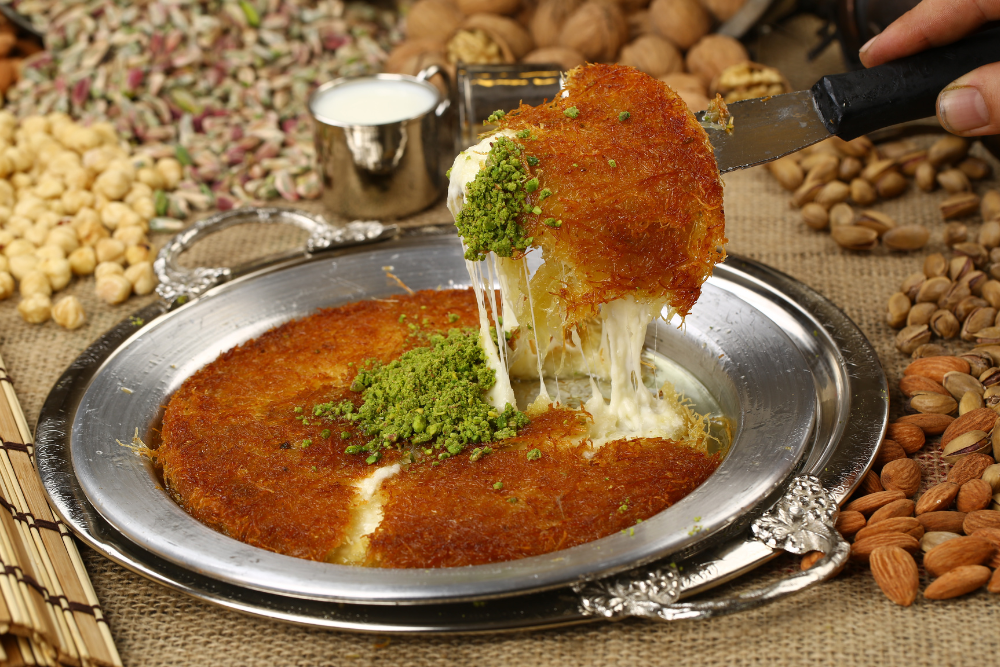
No discussion of Turkish cuisine is complete without mentioning baklava. This rich, flaky pastry made from layers of phyllo dough, walnuts, or pistachios, and honey syrup is one of the most famous sweets to come out of the Ottoman Empire. Its origins can be traced to the fusion of Middle Eastern, Central Asian, and Mediterranean culinary practices.
Baklava is enjoyed across the entire region and has become a symbol of Turkish hospitality. Served during special occasions and holidays, it remains an enduring legacy of the Ottoman era, where it was often prepared in grand kitchens for the sultans.
Conclusion: Turkish Cuisine – A Culinary Bridge Between Continents
Turkish cuisine is a melting pot of flavors, techniques, and traditions that reflect the country’s unique position at the crossroads of Europe and Asia. From the spice-laden stews and kebabs of the Middle East to the olive oil-based dishes of the Mediterranean, Turkish food offers an exciting blend of the East and West. Whether it’s the grilled kebabs, the rich pastries, or the tangy yogurt dips, Turkish cuisine offers a diverse and vibrant culinary experience that celebrates its rich historical and cultural heritage.
As the world continues to embrace global culinary traditions, Turkish cuisine stands as a perfect example of how diverse influences can come together to create something truly unique and delicious. The fusion of European and Asian flavors, paired with the country’s long history of culinary craftsmanship, makes Turkish cuisine a true treasure of the Mediterranean and Middle Eastern worlds.