





Introduction
In today’s interconnected world, culinary practices have transcended local kitchens to become a truly global phenomenon. Digital technology, social media, and online platforms have enabled individuals to share recipes, techniques, and experiences across borders. This has given rise to the concept of a “global kitchen”, where food enthusiasts, professional chefs, and home cooks collectively create a worldwide culinary ecosystem.
The digitalization of cooking has reshaped how people discover ingredients, explore cuisines, and connect with diverse cultures. Online platforms such as recipe-sharing websites, social media networks, and video tutorials have democratized culinary knowledge, making once-private traditions accessible to a global audience. This has not only expanded culinary horizons but also fostered cross-cultural understanding, collaboration, and innovation.
This article explores the emergence of the global kitchen community, the role of multi-platform recipe sharing, the impact on culinary culture, and the opportunities and challenges that arise from this transformative shift.
1. The Evolution of Culinary Communities in the Digital Age
1.1 From Local Kitchens to Online Networks
Historically, culinary knowledge was transmitted through families, apprenticeships, and local mentorships. Recipes were handwritten, orally passed down, or shared among neighbors, creating deeply personal yet localized culinary traditions. With the rise of digital platforms, these traditions can now reach millions of users worldwide, creating connections that were previously unimaginable.
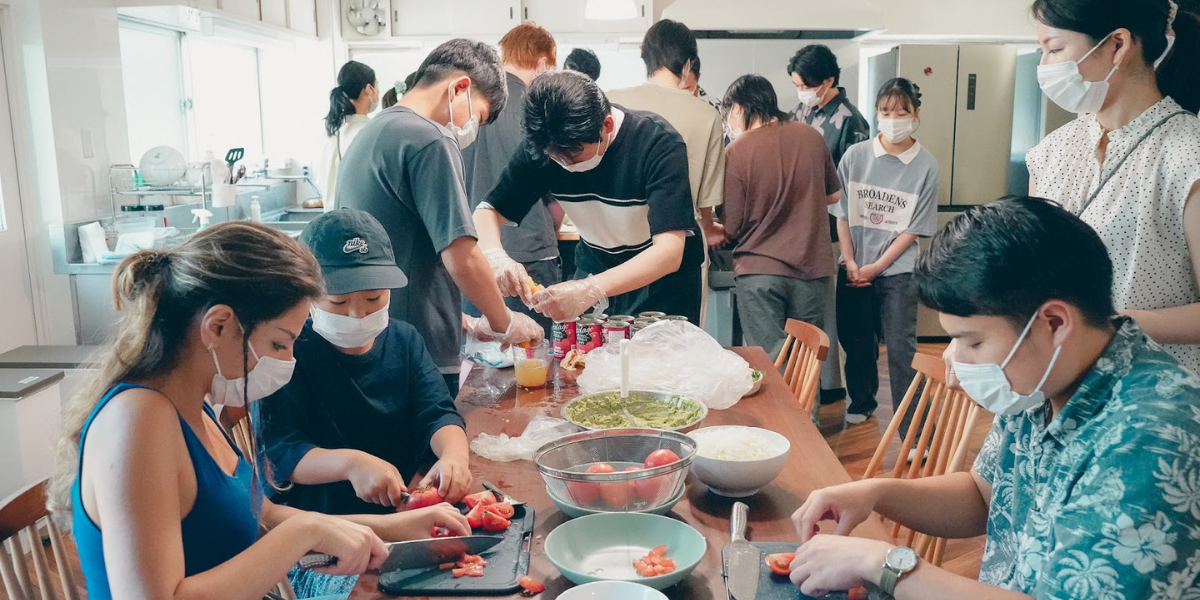
The emergence of food blogs, YouTube channels, and social media groups has effectively turned cooking into a participatory global activity. Users not only share recipes but also adapt them, provide feedback, and document personal experiences. This interaction transforms cooking from a solitary or family-centered activity into a dynamic, collaborative, and social endeavor.
1.2 The Concept of the Global Kitchen
The term “global kitchen” refers to an interconnected culinary ecosystem in which people from diverse backgrounds share, exchange, and reinterpret food practices. Unlike traditional globalization, which often emphasizes standardization, the global kitchen thrives on cultural diversity, personalization, and adaptability.
Key features include:
- Recipe democratization: Anyone can share or access recipes globally.
- Interactive learning: Tutorials, live cooking sessions, and Q&A forums facilitate skill transfer.
- Cross-cultural fusion: Ingredients, techniques, and presentation styles are blended innovatively.
- Community building: Virtual spaces create networks of like-minded food enthusiasts.
2. Multi-Platform Recipe Sharing: Tools and Trends
2.1 Social Media and Micro-Communities
Platforms such as Instagram, TikTok, and Pinterest have revolutionized recipe sharing. Short-form videos, visually appealing posts, and interactive stories enable cooks to demonstrate techniques, highlight ingredients, and showcase finished dishes. Hashtags, tagging, and algorithmic feeds allow content to reach global audiences quickly.
Micro-communities—groups formed around specific cuisines, dietary preferences, or cooking methods—encourage deep engagement. For example:
- Vegan or plant-based cooking communities share substitutions and innovative dishes.
- Regional cuisine enthusiasts provide historical and cultural context for traditional recipes.
- Baking groups exchange tips on technique, temperature, and ingredient sourcing.
These communities create a supportive learning environment and often inspire collaborations, virtual cooking events, and recipe challenges.
2.2 Recipe Platforms and Digital Libraries
Websites like Allrecipes, Epicurious, and Food52 offer extensive digital libraries of recipes contributed by users and professional chefs. Features such as rating systems, comment sections, and step-by-step instructions enhance knowledge sharing and foster interaction. Users can:
- Modify recipes based on dietary needs or available ingredients.
- Review and provide feedback to improve or adapt recipes.
- Document personal experiences and variations, creating living archives of culinary knowledge.
2.3 Video Tutorials and Live Cooking Sessions
Video platforms like YouTube, Twitch, and Facebook Live have become educational hubs for culinary enthusiasts. Unlike static text-based recipes, videos provide:
- Visual demonstration of technique and timing.
- Insight into ingredient selection and preparation methods.
- A sense of presence, connecting viewers with cooks in real time, especially during live streams where audience questions can guide the demonstration.
Professional chefs and home cooks alike leverage these tools to teach, inspire, and engage global audiences, fostering a sense of community and accessibility.
3. Cross-Cultural Exchange Through Digital Interaction
3.1 Culinary Fusion and Innovation
The global kitchen encourages creative experimentation by combining ingredients and techniques from multiple cultures. For example:
- Japanese ramen recipes adapted with Mexican spices.
- Italian pasta dishes incorporating South Asian curry bases.
- Traditional Middle Eastern desserts reinterpreted with Western baking techniques.
Such cross-pollination preserves cultural identity while fostering innovation, allowing users to explore global flavors without leaving their kitchens. The community-driven nature of recipe sharing ensures continuous feedback loops, improving and diversifying culinary ideas.
3.2 Preserving Traditional Knowledge
While innovation is encouraged, digital platforms also serve as a repository for cultural culinary heritage. Communities dedicated to preserving traditional dishes:
- Document family recipes and oral histories.
- Archive regional techniques and ingredient sourcing methods.
- Promote sustainable practices rooted in historical food systems.
This digital preservation is particularly valuable for diaspora communities, enabling migrants to maintain connections with culinary traditions from their homelands.
3.3 Educational and Skill-Building Opportunities
The global kitchen functions as an informal culinary academy, offering learning opportunities accessible to anyone with internet access. Users can:
- Learn fundamental skills like knife techniques, fermentation, or bread baking.
- Explore complex regional cuisines, guided by local experts.
- Engage in peer review, providing constructive feedback that mirrors mentorship in professional kitchens.
By facilitating skill acquisition across cultures, these platforms democratize culinary education and elevate global food literacy.
4. Building a Collaborative Culinary Community
4.1 Peer Engagement and Feedback Loops
Interaction is a core component of the global kitchen. Comment sections, forums, and live chat features allow users to share experiences, troubleshoot challenges, and celebrate successes. This collaborative feedback strengthens community bonds and encourages the continuous refinement of recipes.
For example:
- A baker shares a sourdough recipe and receives tips on hydration adjustments from international followers.
- A home cook experimenting with fermentation gains insights from a professional chef in another country.
Such interactions highlight the social dimension of cooking, emphasizing connection as much as consumption.
4.2 Virtual Culinary Events
Platforms host online cooking challenges, recipe contests, and collaborative workshops, fostering active engagement. These events allow participants to:
- Experiment with global ingredients in creative ways.
- Showcase personal culinary identity to a worldwide audience.
- Build relationships with peers, chefs, and mentors virtually.
Virtual events democratize participation by removing geographical and economic barriers, enabling even home cooks to interact with culinary professionals.
4.3 Culinary Influencers and Thought Leaders
Influencers, chefs, and food writers play a mediating role, curating content, sharing expertise, and highlighting regional specialties. Their guidance helps maintain quality standards, authenticity, and educational value within the community. By blending entertainment, instruction, and storytelling, they amplify the reach and engagement of the global kitchen network.
5. Impacts on the Food Industry
5.1 Market Expansion and Innovation
The global kitchen has stimulated demand for international ingredients and culinary tools. Online recipes featuring niche spices, specialized equipment, or rare ingredients have fueled e-commerce and local import markets, supporting small-scale producers worldwide.
Additionally, professional chefs draw inspiration from these platforms to develop new menus, fusion dishes, and limited-time offerings, reflecting global trends while maintaining regional authenticity.
5.2 Democratization of Food Knowledge
Historically, culinary expertise was limited to professional chefs or those with access to formal training. Multi-platform recipe sharing flattens barriers, allowing anyone to learn, create, and innovate. This democratization fosters inclusive participation, amplifies diverse voices, and enhances creativity in both home and professional kitchens.
5.3 Cultural Diplomacy Through Food
The global kitchen functions as a form of soft diplomacy, promoting cross-cultural understanding. Sharing recipes, stories, and traditions digitally encourages appreciation of different cuisines, histories, and values, fostering mutual respect and reducing cultural misconceptions.
6. Challenges and Considerations
6.1 Information Overload
With thousands of recipes uploaded daily, it can be overwhelming for users to identify authentic, high-quality content. Curation, ratings, and community moderation are essential to ensure reliability and usefulness.
6.2 Intellectual Property and Cultural Appropriation
The global kitchen raises questions about ownership and attribution. When recipes or traditional techniques are shared widely, creators may not always receive proper credit, and cultural elements may be misrepresented or commercialized. Communities must balance sharing with respect for originators and cultural sensitivity.
6.3 Digital Divide
Access to global culinary platforms depends on internet connectivity, technology literacy, and language. While these platforms are widespread, digital inequities may exclude some communities from participating or benefiting from the global kitchen.
7. Future Directions
7.1 Integration of AI and Personalization
Artificial intelligence is increasingly being used to recommend recipes, suggest substitutions, and predict flavor combinations, creating personalized culinary experiences. AI tools may also help preserve endangered recipes by translating and cataloging regional cuisines digitally.
7.2 Cross-Platform Synergy
Future culinary communities will likely benefit from integration across platforms, combining video tutorials, recipe databases, social networking, and e-commerce. This holistic approach strengthens engagement and fosters interconnected global food ecosystems.
7.3 Sustainability and Ethical Practices
As the global kitchen grows, there is a heightened focus on sustainable sourcing, minimizing food waste, and promoting ethical consumption. Multi-platform communities can advocate for these practices, leveraging collective influence to shape responsible culinary behavior.
Conclusion
The rise of multi-platform recipes and digital culinary interactions has redefined the way we cook, learn, and connect through food. The global kitchen is more than a metaphor—it is a living, participatory community that spans continents, cultures, and cuisines. By fostering collaboration, innovation, and cross-cultural exchange, these platforms democratize culinary knowledge and cultivate a sense of shared human experience.
While challenges such as authenticity, cultural appropriation, and accessibility remain, the benefits of a connected culinary community are profound. Through careful stewardship, the global kitchen can continue to nurture creativity, preserve heritage, and promote cultural understanding, transforming kitchens everywhere into hubs of learning, collaboration, and global connection.