







Introduction
In the vibrant tapestry of Thailand’s food culture, street food stands as one of the most iconic and beloved features. From sizzling skewers of satay to fragrant bowls of tom yum soup, Thailand’s culinary offerings are as diverse as the regions themselves. However, one snack that has gained significant attention in recent years is Khanom Buang, a traditional Thai dessert that is both unique and delicious. Commonly found in the bustling night markets of Chiang Rai and other parts of Northern Thailand, Khanom Buang is more than just a snack; it is a culinary experience rooted in Thai history and culture.
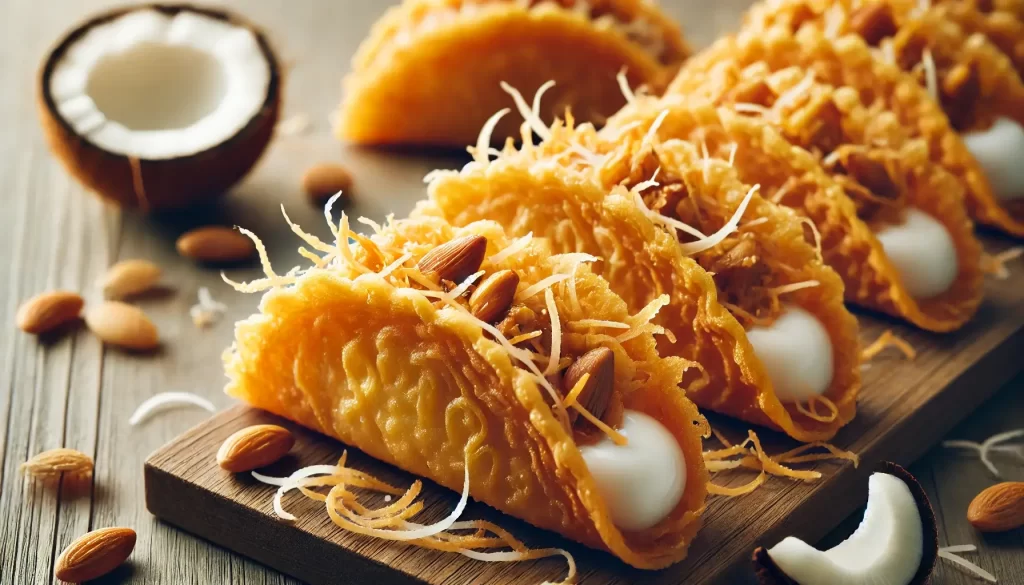
Khanom Buang, often referred to as Thai crispy pancakes, represents a blend of sweet, savory, and textural contrast that has captivated locals and tourists alike. With its delicate, crispy shell, rich filling, and colorful toppings, Khanom Buang stands out not only for its taste but also for its artistry in presentation.
In this article, we will explore the history, preparation, cultural significance, and modern variations of Khanom Buang. From its origins in the streets of Chiang Rai to its growing popularity in the global food scene, this traditional Thai snack continues to leave an indelible mark on the world of street food.
1. The Origins of Khanom Buang
1.1 A Look Back at Thai Street Food Culture
Thailand’s street food culture is a rich and diverse aspect of the country’s food identity, with each region contributing its own unique flavors and techniques. Northern Thailand, where Chiang Rai is located, has its own distinct culinary traditions that reflect the region’s geographic location, history, and cultural influences.
Khanom Buang, in particular, is thought to have evolved from ancient Thai recipes that were influenced by both Thai and Chinese culinary traditions. The crisp, pancake-like nature of Khanom Buang draws from Chinese crepes and thin pancakes, while the filling and toppings are unmistakably Thai.
1.2 The Emergence of Khanom Buang in Chiang Rai
Khanom Buang is traditionally sold in the night markets of Chiang Rai and Chiang Mai, two major cities in northern Thailand. Originally a street snack enjoyed by locals, the dish has evolved and gained popularity among tourists as well. Its combination of crunchy, sweet, and savory flavors makes it a versatile snack that can be enjoyed at any time of the day.
Historically, Khanom Buang was a simple street food, but over the years, it has undergone various adaptations, with street vendors experimenting with different fillings and toppings to cater to a wider audience. Despite these variations, the dish retains its traditional charm, offering a glimpse into the deep culinary traditions of the region.
2. How Khanom Buang Is Made
2.1 The Pancake Shell: The Foundation of Khanom Buang
The key component of Khanom Buang is its thin, crispy shell. The dough used to create the shell is made from a simple mixture of rice flour, coconut milk, and sugar, which is then spread thinly onto a hot griddle. The result is a pancake that is both crispy and delicate, providing the perfect base for the other ingredients.
The cooking process is quick and requires a high level of skill. The pancake must be thin and evenly cooked, but it must not break when folded. This requires precision and experience, as vendors work quickly to prepare the pancakes for their customers.
2.2 The Filling: Sweet and Savory Variations
Once the pancake shell is cooked, the next step is to add the filling. Traditionally, the filling for Khanom Buang consists of a sweet, rich coconut cream that is spread across the surface of the pancake. However, the real beauty of Khanom Buang lies in its flexibility. Vendors often add a range of different fillings, including:
- Mung bean paste: A sweet paste made from cooked mung beans, sugar, and coconut milk, which provides a smooth texture and delicate flavor.
- Egg yolk: A rich and savory filling that adds depth to the dish and complements the sweetness of the coconut cream.
- Crispy shallots: A savory topping that adds a crunchy texture to the dish, balancing the richness of the coconut cream and mung bean paste.
Other modern variations may include fruit fillings, such as mango or durian, adding an exotic twist to the dish.
2.3 Toppings: The Finishing Touches
Once the filling is added, Khanom Buang is then decorated with a variety of toppings, which are often the most visually striking component of the dish. Common toppings include:
- Shredded coconut: Lightly toasted coconut flakes that provide a nutty, aromatic flavor.
- Colorful sprinkles: Brightly colored sugar or tapioca-based sprinkles that give the dish a playful, festive look.
- Coriander: Fresh coriander leaves are sometimes used to add a hint of freshness and herbal notes to balance the rich, creamy filling.
The combination of colors and textures not only makes the dish visually appealing but also enhances the overall sensory experience.
3. The Cultural Significance of Khanom Buang
3.1 Street Food as a Cultural Expression
Street food in Thailand is not just about satisfying hunger; it is a cultural experience that reflects the values, traditions, and lifestyles of the Thai people. The preparation and consumption of street food like Khanom Buang offer a window into the local way of life, allowing people to connect with their heritage and share their culinary traditions with the world.
In Chiang Rai, the night markets where Khanom Buang is sold become gathering places for both locals and tourists, fostering a sense of community and cultural exchange. Street vendors, many of whom have honed their craft over generations, are proud to serve food that represents the heart of Thai cuisine.
3.2 Celebrations and Festivals
Khanom Buang is often enjoyed during festivals and celebrations, particularly in the north of Thailand. The dish’s sweet and savory combination makes it a favorite for special occasions, and it is frequently seen at Thai festivals such as Loy Krathong and Songkran. These events celebrate the country’s rich traditions, and food plays a central role in the festivities.
The dish also embodies the spirit of togetherness, as it is often shared among family and friends, making it a symbol of Thai hospitality and community.
4. The Global Appeal of Khanom Buang
4.1 From Chiang Rai to the World
As international interest in Thai food continues to grow, Khanom Buang has found its place in the global culinary scene. While it remains a quintessential street food of northern Thailand, the dish has begun to appear in international food festivals, Thai restaurants abroad, and even food trucks. Its colorful appearance, interactive preparation process, and fusion of flavors have made it an appealing choice for food enthusiasts seeking something new and exciting.
One of the factors contributing to Khanom Buang’s global appeal is its versatility. It can be adapted to fit various dietary preferences, including vegetarian and vegan options, by using plant-based fillings and toppings. Its interactive nature, where customers can choose their fillings and toppings, also makes it a fun and engaging experience.
4.2 The Influence of Social Media
Social media has played a significant role in promoting Khanom Buang to a global audience. Platforms like Instagram and YouTube have allowed food bloggers, chefs, and influencers to showcase the dish’s beauty and complexity. Through visually striking photos and video tutorials, Khanom Buang has become a viral sensation, with many people eager to recreate it at home or experience it at Thai restaurants in their own countries.
5. Variations and Modern Interpretations of Khanom Buang
5.1 Sweet Variations
While the traditional version of Khanom Buang focuses on coconut cream and mung bean paste, modern interpretations have introduced a wide range of sweet variations. These may include:
- Nutella or chocolate spreads as a filling for a more contemporary, international twist.
- Coconut pandan filling, which offers a fragrant and colorful variation of the classic.
5.2 Savory Versions
Though Khanom Buang is typically a sweet treat, many modern vendors have experimented with savory fillings, such as:
- Cheese and ham
- Spicy chili paste or sambal
- Vegetables and tofu for a vegetarian option
These savory versions broaden the appeal of Khanom Buang, making it suitable for a wider range of tastes and dietary preferences.
6. The Future of Khanom Buang
6.1 Keeping Tradition Alive
Despite the global interest in modern interpretations and variations, many chefs and food vendors in Chiang Rai are committed to preserving the traditional methods of making Khanom Buang. They strive to maintain the authenticity of the dish by using original ingredients and techniques passed down through generations.
The balance between innovation and tradition is crucial for the future of Khanom Buang. As the world embraces new culinary trends, it is important to retain the integrity and cultural significance of this beloved Thai snack.
6.2 A Global Street Food Revolution
As the demand for authentic global street food increases, Khanom Buang has the potential to become a mainstream street food revolution. With its perfect combination of texture, flavor, and visual appeal, it is well-suited to become a staple of international street food festivals and food trucks around the world.
Conclusion
Khanom Buang is more than just a dessert or a snack—it is a cultural treasure that tells the story of northern Thailand’s culinary history. From its origins in the night markets of Chiang Rai to its growing recognition on the global stage, this delightful crispy pancake offers both a taste of Thailand and a glimpse into the heart of its food culture.
As food enthusiasts continue to explore the world’s diverse culinary offerings, Khanom Buang stands out as a symbol of authentic Thai street food—a perfect blend of tradition, creativity, and flavor. Whether enjoyed in the bustling night markets of Chiang Rai or recreated in kitchens around the world, Khanom Buang remains a testament to the enduring power of food to unite, inspire, and nourish.