







Introduction
Travel has evolved far beyond the simple desire to visit new places. In recent years, a significant shift has occurred in the tourism landscape: travelers increasingly seek experiences that combine cultural exploration, scenic routes, and culinary discovery. These experiences, often referred to as experiential travel, have transformed tourism from mere sightseeing into immersive journeys that engage the senses, deepen cultural understanding, and create lasting memories.
Among the most prominent trends is the integration of food experiences and specialized travel routes, where gastronomy and journey converge to create a distinctive tourism style. From winding vineyard trails in Europe to street food expeditions in Asia, travelers no longer merely eat—they experience local life, history, and geography through cuisine. This article explores the intersection of culinary tourism and scenic travel, examining its development, popular examples, key benefits, and future directions.
1. The Rise of Culinary and Experiential Travel
1.1 The Shift in Travel Preferences
Modern travelers increasingly seek authentic and memorable experiences over traditional sightseeing. According to multiple tourism studies, more than 60% of travelers now prioritize cultural and gastronomic experiences when choosing destinations. Several factors contribute to this trend:
- Globalization and accessibility: Air travel and digital platforms have made even remote destinations reachable.
- Social media influence: Platforms like Instagram and TikTok encourage travelers to seek visually striking and unique experiences.
- Culinary curiosity: Increasing interest in global cuisines encourages trips specifically to taste regional specialties.
- Personalization: Customized itineraries allow tourists to combine scenic routes with local food exploration.
1.2 Culinary Tourism as a Growth Industry
Culinary tourism, also known as food tourism, has evolved into a highly lucrative sector. It encompasses activities such as:
- Cooking classes with local chefs
- Wine, beer, or spirit tasting tours
- Street food and market exploration
- Farm-to-table experiences
- Food festivals and cultural events
Destinations that embrace food tourism often see economic and cultural benefits. Italy, Thailand, and Spain are prominent examples where gastronomy has become a primary driver of tourism, attracting both casual travelers and dedicated food enthusiasts.
2. Specialty Routes and Scenic Travel
2.1 What Defines a Specialty Route?
Specialty routes are travel itineraries designed to highlight a particular theme or cultural aspect, often combining scenic landscapes with local culinary experiences. These routes provide structured yet flexible travel for tourists who want more than just sightseeing. Key characteristics include:
- Clear thematic focus (e.g., wine trails, coastal seafood routes, heritage food paths)
- Integration of local communities and experiences
- Opportunities for hands-on participation in food preparation or tasting
- Emphasis on storytelling, history, and cultural education
2.2 Famous Examples of Specialty Routes
2.2.1 European Wine and Culinary Trails
- France’s Bordeaux Wine Route: Travelers follow picturesque vineyards while tasting world-class wines and regional specialties like foie gras and cheeses.
- Italy’s Tuscany Food and Wine Path: Olive oil tastings, truffle hunts, and local pasta-making workshops enrich scenic drives through rolling hills.
- Spain’s La Rioja Wine Route: This route combines medieval towns, modern wineries, and tapas experiences along the Ebro River valley.
2.2.2 Asia’s Street Food and Heritage Routes
- Bangkok Street Food Tour: Visitors explore night markets, sampling delicacies like Pad Thai, Mango Sticky Rice, and spicy seafood dishes.
- Japan’s Kyoto Culinary Walks: Traditional tea houses, kaiseki dining, and seasonal market visits allow tourists to experience the harmony of Japanese cuisine with local history.
- India’s Spice and Regional Cuisine Routes: From Kerala’s backwaters with seafood curries to Rajasthan’s royal dishes, culinary trails offer insight into regional diversity.
2.2.3 Americas: Fusion of Nature and Cuisine
- California Wine Country: Napa Valley and Sonoma feature vineyard tours, chef-led farm-to-table experiences, and scenic cycling routes.
- Peruvian Gastronomic Trail: Lima’s modern culinary scene meets Andean ingredients, with ceviche workshops and pisco tastings along scenic routes.
- New Orleans Cultural and Culinary Tours: Jazz music, Creole and Cajun cuisine, and historic neighborhoods create a multi-sensory travel experience.
3. Integrating Scenic and Culinary Experiences
3.1 Planning the Perfect Culinary Route
A successful culinary and scenic route requires careful planning, considering:
- Geographic flow: Routes should follow natural landscapes such as coastal roads, vineyards, or mountain trails.
- Cultural highlights: Local markets, historical towns, and craft workshops enhance context and authenticity.
- Seasonality: Ingredients, harvests, and festivals should align with travel times for the freshest experiences.
- Accessibility: Balancing adventure with comfort ensures the route is appealing to diverse demographics.
3.2 Combining Landscapes and Gastronomy
Food experiences become more memorable when paired with immersive natural or urban landscapes. Examples include:
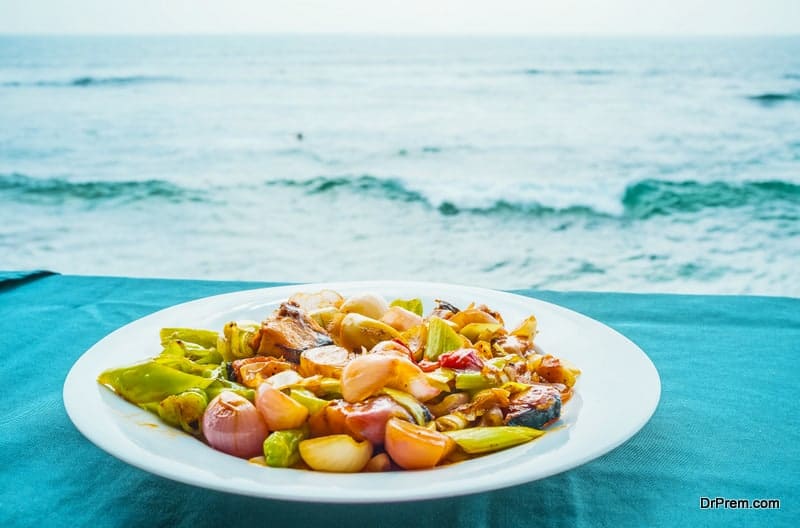
- Coastal seafood drives in Portugal, pairing ocean views with fresh fish and wine.
- Alpine culinary trails in Switzerland, combining cheese-making visits with breathtaking mountain panoramas.
- Tropical farm-to-table tours in Southeast Asia, allowing travelers to pick fruits and seafood while enjoying lush scenery.
4. Benefits of Culinary and Specialty Routes
4.1 Cultural and Educational Benefits
Travelers gain deep cultural insight by engaging with local food traditions. Culinary tours allow for:
- Learning historical and cultural contexts of dishes
- Understanding agricultural practices and local ingredient sourcing
- Interacting directly with chefs, farmers, and artisans
4.2 Economic and Community Impact
Specialty routes promote sustainable tourism by:
- Boosting local economies through small business patronage
- Preserving traditional culinary practices and heritage
- Encouraging responsible tourism, which supports conservation and local culture
4.3 Personal and Social Advantages
For travelers, culinary and scenic routes offer:
- Enhanced sensory experiences that combine taste, sight, and smell
- Opportunities for social interaction through shared meals and workshops
- Inspiration for personal cooking, travel storytelling, and cultural appreciation
5. Emerging Trends in Culinary Tourism
5.1 Digital and Interactive Experiences
- Virtual cooking classes and digital tours complement physical travel, allowing participants to engage remotely.
- Apps that provide interactive food maps, route planning, and local recommendations enhance the tourist experience.
5.2 Sustainable and Ethical Travel
- Emphasis on locally sourced ingredients, zero-waste practices, and farm visits reflects growing environmental awareness.
- Travelers increasingly seek authentic, non-commercialized experiences to ensure benefits for local communities.
5.3 Experiential Packages
Tour operators are now offering all-inclusive culinary journeys that combine:
- Scenic drives
- Cooking classes and tastings
- Cultural workshops (music, art, dance)
- Accommodations at boutique hotels or homestays
5.4 Fusion and Innovation in Food Experiences
- Cross-cultural culinary tours allow travelers to experience hybrid cuisines, such as Japanese-Peruvian fusion in Lima or modernist Spanish cuisine in Barcelona.
- Food innovation labs, molecular gastronomy workshops, and tasting sessions with experimental ingredients create unique travel narratives.
6. Planning a Culinary and Scenic Travel Experience
6.1 Selecting Destinations
- Identify regions with rich culinary heritage and scenic appeal. Examples: Tuscany, Provence, Bangkok, Kyoto, Napa Valley.
- Consider seasonal events such as harvest festivals, seafood seasons, or food fairs.
6.2 Designing the Itinerary
- Alternate between active exploration and leisurely tasting experiences.
- Include hands-on activities such as cooking, wine blending, or market shopping.
- Ensure transport logistics and accommodations complement the route for a smooth experience.
6.3 Enhancing Authenticity
- Engage local guides and chefs for insider knowledge.
- Incorporate community-based tourism to support local businesses and preserve heritage.
- Encourage mindful consumption, emphasizing cultural appreciation rather than tourist spectacle.
Conclusion
Culinary and scenic routes have become a defining element of modern tourism, combining gastronomy, culture, and natural beauty into cohesive experiences. These travel styles reflect the contemporary traveler’s desire for authenticity, sensory richness, and personal engagement. By thoughtfully integrating local cuisine, scenic landscapes, and cultural immersion, destinations can offer memorable experiences that satisfy both the appetite and the curiosity of travelers.
In a world where travel is no longer just about seeing, but about experiencing, culinary and specialty routes have redefined the way we journey. From vineyard trails in Europe to street food alleys in Asia, these travel styles embody a fusion of taste, adventure, and culture, illustrating that the path to discovery is not only about distance traveled but also about the flavors, stories, and communities encountered along the way.