





Introduction
Deep in the vast deserts of Jordan, where red sandstone mountains meet endless stretches of sand and silence, a unique culinary tradition continues to thrive among the Bedouin people. Far from modern kitchens and urban restaurants, Zarb, a traditional underground barbecue, is prepared inside or near desert tents using methods that have remained largely unchanged for centuries. More than a meal, Zarb is an experience—one that reflects the Bedouins’ relationship with the land, their resourcefulness, and their deeply rooted culture of hospitality.
For travelers visiting regions such as Wadi Rum, Petra’s surrounding deserts, or remote areas of southern Jordan, participating in a Zarb meal offers rare insight into Bedouin life. It is an encounter where food, storytelling, tradition, and generosity converge. This article explores Zarb not merely as a dish, but as a cultural ritual—examining its origins, cooking techniques, ingredients, social meaning, and the powerful narratives of welcome that accompany it.
1. The Bedouin People and Desert Life
1.1 Who Are the Bedouins?
The Bedouins are traditionally nomadic Arab tribes who have inhabited the deserts of the Middle East for thousands of years. In Jordan, Bedouin communities have historically roamed areas such as:
- Wadi Rum
- The eastern desert (Badia)
- Southern regions near Aqaba
Their lifestyle developed in response to harsh desert conditions, where survival depended on adaptability, deep environmental knowledge, and strong communal bonds.
1.2 The Role of Food in Nomadic Survival
In desert environments where resources are scarce, food traditions evolved around:
- Simplicity and efficiency
- Minimal waste
- Shared consumption
Meals were designed not only to nourish but also to strengthen social ties. Cooking methods like Zarb emerged as practical solutions for feeding groups while conserving fuel and enhancing flavor.
2. What Is Zarb? An Overview of the Dish
2.1 Definition and Origins
Zarb is a traditional Bedouin barbecue cooked underground, using hot coals buried beneath sand. The technique likely originated as a way to:
- Protect food from desert winds
- Retain heat efficiently
- Cook large quantities slowly and evenly
Over time, Zarb became associated with celebration, honor, and hospitality, reserved for special guests, festivals, or communal gatherings.
2.2 Key Characteristics of Zarb
Zarb is distinguished by several defining features:
- Underground cooking pit
- Slow cooking over several hours
- Combination of meats and vegetables
- Natural insulation using sand
The result is tender meat infused with smoky, earthy flavors, accompanied by vegetables that absorb the juices and spices.
3. The Zarb Cooking Method: Step by Step
3.1 Preparing the Underground Oven
The process begins with digging a pit in the sand, usually about one meter deep. Inside the pit:
- Wood or charcoal is burned until it becomes glowing embers
- Stones may be added to retain heat
- The fire is allowed to settle into a steady source of intense warmth
This underground oven reflects Bedouin ingenuity—using the desert itself as a cooking tool.
3.2 Ingredients and Preparation
Traditional Zarb typically includes:
- Meats: Lamb, chicken, or goat (sometimes camel in older traditions)
- Vegetables: Potatoes, carrots, onions, tomatoes
- Seasonings: Salt, black pepper, cumin, cardamom, sometimes turmeric
Ingredients are placed in stacked metal trays or wrapped in foil, ensuring juices circulate during cooking.
3.3 The Cooking Process
Once prepared:
- The trays are lowered into the pit
- Covered with a metal sheet or cloth
- Sealed with sand to trap heat
The food cooks slowly for two to four hours, allowing flavors to develop naturally. There is no need for constant supervision—another practical advantage in desert life.
4. The Sensory Experience of Zarb
4.1 Aroma and Anticipation
As the Zarb cooks beneath the sand, subtle aromas escape into the air, creating anticipation among guests. The smell of roasted meat mingled with spices and desert smoke becomes part of the experience.
4.2 Texture and Flavor
Zarb is known for its:
- Exceptionally tender meat that falls off the bone
- Vegetables infused with rich juices
- Balanced seasoning that highlights natural flavors
Unlike aggressive grilling, Zarb emphasizes depth and harmony rather than char or spice intensity.
5. The Tent Setting: More Than a Dining Space
5.1 Bedouin Tents as Cultural Spaces
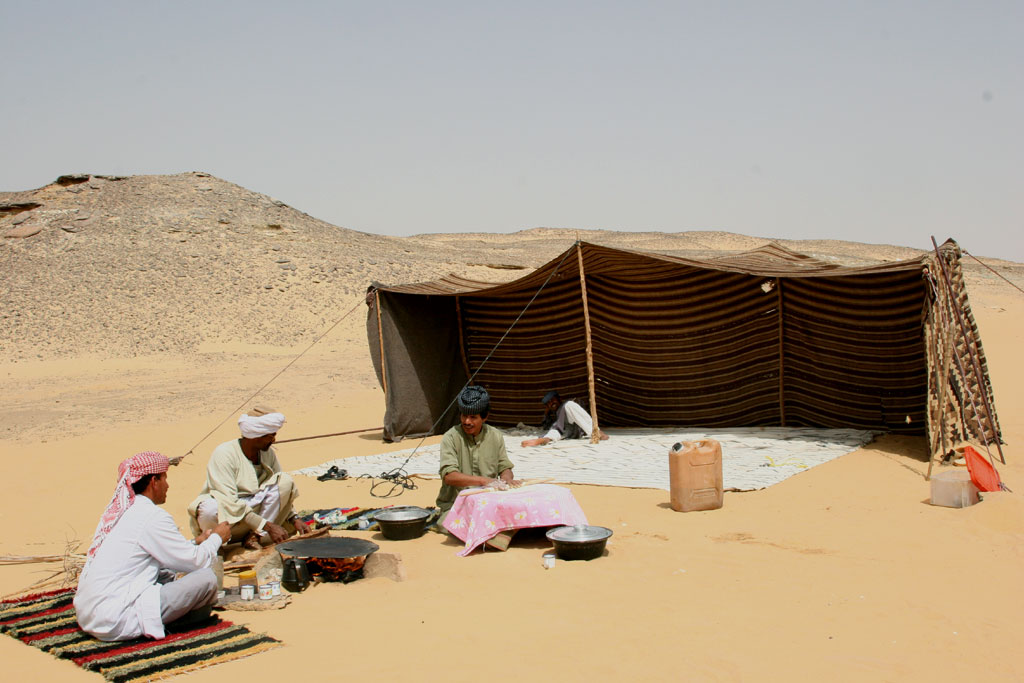
Zarb is often served inside traditional Bedouin tents, made from goat hair fabric. These tents are designed to:
- Provide shade and ventilation
- Be easily assembled and relocated
- Create a communal gathering space
The tent becomes a place of storytelling, rest, and social interaction.
5.2 Floor Seating and Communal Eating
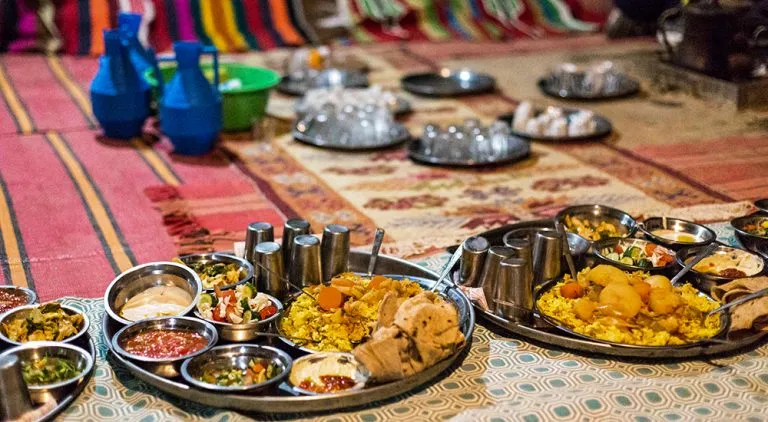
Meals are typically served on large trays placed on the ground. Guests sit on cushions or rugs, sharing food from the same platter—a gesture symbolizing equality and trust.
Eating with the hands, particularly the right hand, is customary and reinforces cultural connection.
6. Bedouin Hospitality: The Heart of the Experience
6.1 Hospitality as a Moral Obligation
In Bedouin culture, hospitality is not optional—it is a moral duty. Offering food and shelter to guests is considered a matter of honor, regardless of a host’s resources.
Zarb, due to its scale and effort, represents the highest level of hospitality.
6.2 Rituals of Welcome
The Zarb experience is often accompanied by:
- Arabic coffee (Gahwa) flavored with cardamom
- Sweet tea served throughout the evening
- Warm greetings and personal attention
Hosts often insist guests eat more, a gesture of generosity rather than excess.
7. Storytelling Around the Fire
7.1 Oral Tradition and Shared Memory
While waiting for the Zarb to cook or after the meal, Bedouin hosts often share stories:
- Tribal history
- Desert survival tales
- Folklore and poetry
These stories are an essential part of the experience, connecting food to identity and memory.
7.2 Teaching Through Stories
Through storytelling, guests learn about:
- Navigating the desert
- Reading stars and landscapes
- Traditional values such as courage, loyalty, and respect
Food becomes a gateway to cultural education.
8. Zarb in Modern Jordanian Tourism
8.1 Zarb as a Cultural Attraction
Today, Zarb has become a highlight of desert tourism in Jordan. Many eco-camps and Bedouin-run lodges offer Zarb dinners to visitors seeking authentic experiences.
8.2 Balancing Authenticity and Adaptation
While tourism has introduced changes—such as standardized menus or larger groups—many Bedouin families strive to preserve traditional methods and values.
Responsible tourism emphasizes:
- Fair compensation for local hosts
- Cultural respect
- Environmental sustainability
9. Symbolism and Cultural Meaning of Zarb
9.1 Zarb as a Symbol of Community
The preparation and sharing of Zarb requires cooperation, patience, and trust. It reflects Bedouin values of:
- Collective effort
- Mutual support
- Shared reward
9.2 Connection to the Land
Cooking underground symbolizes harmony with nature. The desert is not an obstacle but a partner in the cooking process.
10. Comparing Zarb with Other Earth-Cooking Traditions
Zarb shares similarities with other global traditions:
- Hangi (New Zealand Māori)
- Pachamanca (Peru)
- Kalua pig (Hawaii)
These parallels highlight a universal human response to cooking in natural environments—using earth, fire, and time to create nourishment and meaning.
11. Challenges and Preservation of the Tradition
11.1 Modernization and Lifestyle Changes
As many Bedouins adopt settled lifestyles, traditional practices like Zarb face challenges:
- Reduced frequency of large gatherings
- Shift toward modern cooking equipment
11.2 Cultural Preservation Efforts
Community initiatives and cultural tourism help preserve Zarb by:
- Teaching younger generations
- Integrating tradition into sustainable tourism
- Documenting oral histories and methods
Conclusion
Experiencing traditional Zarb in a Bedouin tent in the Jordanian desert is far more than a culinary event—it is a journey into a way of life shaped by resilience, generosity, and profound respect for both people and nature. Through the slow, underground cooking of meat and vegetables, the Bedouin people express values that transcend time: patience, hospitality, and community.
Zarb tells a story not only of flavor but of survival and identity. In the quiet of the desert night, surrounded by sand, stars, and shared food, guests come to understand that Bedouin cuisine is not about excess or spectacle. It is about connection—to the land, to tradition, and to one another.
As travelers seek more meaningful and authentic experiences, Zarb stands as a powerful reminder that some of the world’s richest cultural encounters are found not in grand cities, but in humble tents, where food is cooked beneath the earth and hospitality is offered from the heart.