






Introduction
Spanish cuisine, renowned for its vibrant flavors, diverse regional specialties, and rich culinary traditions, holds a unique place in the global gastronomic landscape. From the seafood-laden coasts of Galicia to the sun-soaked plains of Andalusia, Spain offers a culinary experience that reflects its history, geography, and cultural diversity.
The essence of Spanish cuisine lies in its ability to combine simplicity with sophistication, creating dishes that are both approachable and refined. This article explores the distinctive characteristics, historical context, regional variations, key ingredients, signature dishes, contemporary innovations, and cultural significance of Spanish cuisine, offering a comprehensive guide for enthusiasts and culinary professionals alike.
1. Historical Foundations of Spanish Cuisine
1.1 Ancient Influences
- Pre-Roman and Roman periods introduced wheat, olives, and wine cultivation.
- Roman techniques like cured meats, sauces, and baking methods influenced early Spanish culinary practices.
1.2 Moorish Influence
- The Moorish occupation (8th–15th centuries) introduced spices such as saffron, cumin, and cinnamon, along with citrus fruits, almonds, and rice cultivation.
- Dishes such as arroz con leche (rice pudding) and the use of almond-based sauces reflect this influence.
1.3 European Trade and Exploration
- The Columbian Exchange brought new ingredients like tomatoes, potatoes, peppers, and chocolate from the Americas.
- These ingredients became staples in regional Spanish cuisine, transforming traditional dishes.
2. Regional Diversity
Spanish cuisine is highly regional, shaped by geography, climate, and local resources.
2.1 Andalusia
- Known for olive oil production, gazpacho, and pescaíto frito (fried fish).
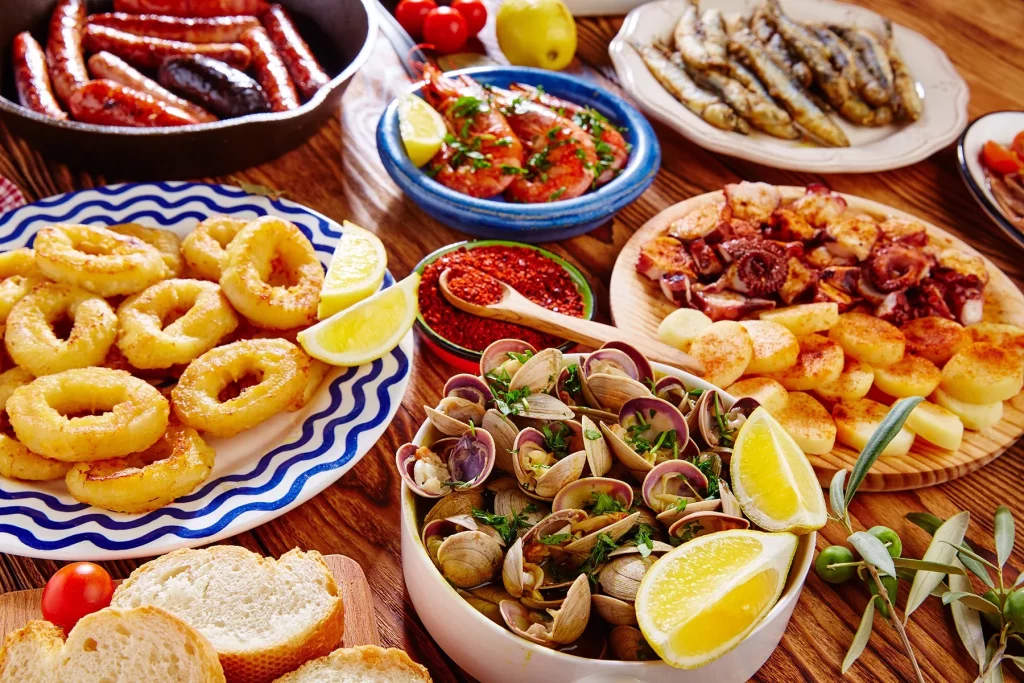
- Tapas culture originates here, emphasizing small, flavorful dishes for social dining.
2.2 Catalonia
- Combines Mediterranean seafood and mountain ingredients.
- Signature dishes: escudella i carn d’olla (hearty stew), crema catalana, and sophisticated seafood preparations.
2.3 Basque Country
- Renowned for high-quality seafood, pintxos (small bar snacks), and advanced gastronomy.
- Pioneers in modernist cuisine and culinary innovation, blending traditional flavors with avant-garde techniques.
2.4 Galicia
- Coastal region with abundant seafood: octopus (pulpo a la gallega), shellfish, and cod (bacalao).
- Galician cuisine emphasizes simplicity and freshness, highlighting natural flavors.
2.5 Valencia
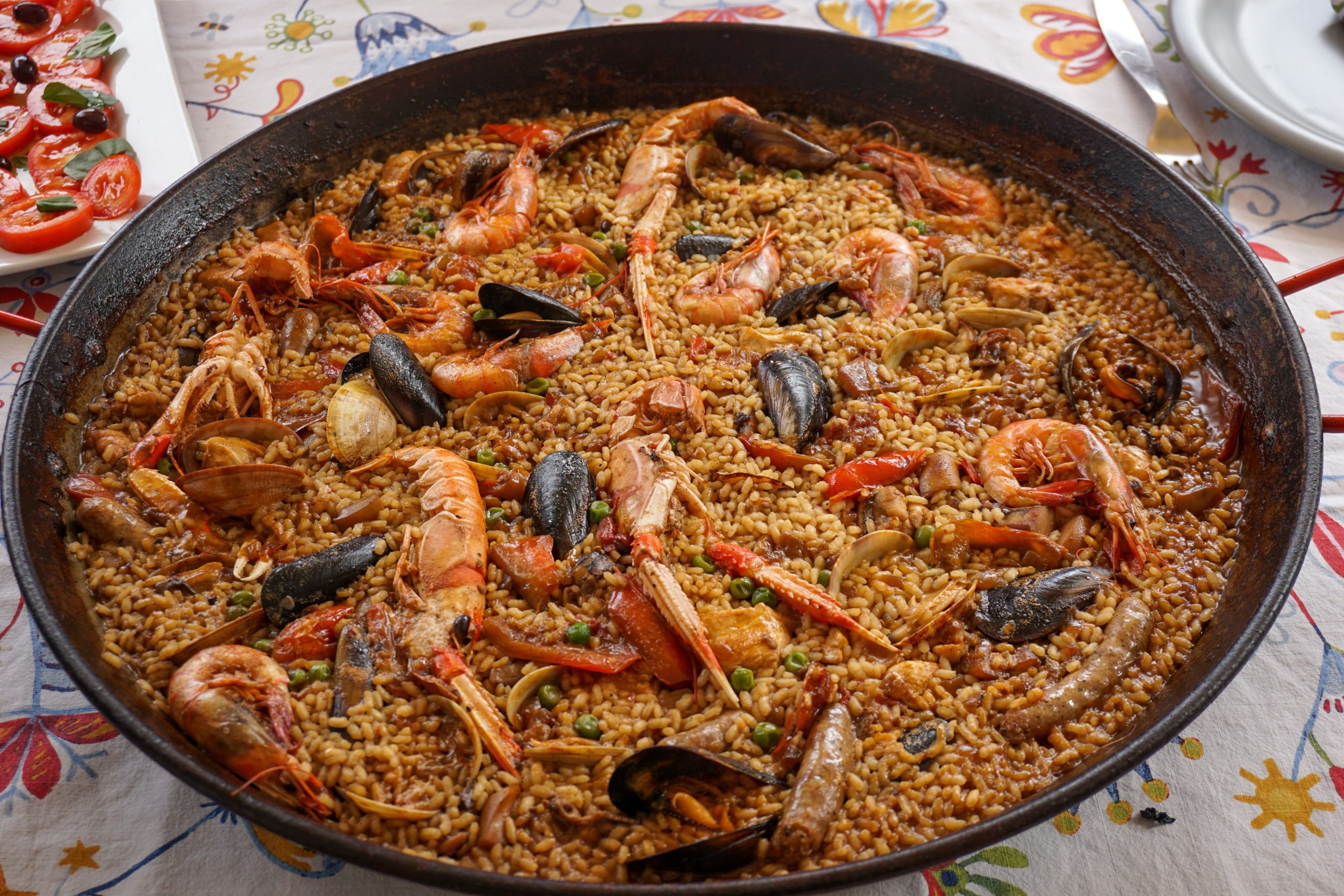
- Birthplace of paella, combining rice, saffron, meats, and seafood.
- Focuses on seasonal vegetables and local rice varieties, showcasing vibrant colors and textures.
3. Signature Ingredients
3.1 Olive Oil
- Spain is the largest producer of olive oil globally, forming the backbone of Mediterranean-style cooking.
- Olive oil is used in dressings, frying, marinating, and finishing dishes, contributing flavor, aroma, and health benefits.
3.2 Saffron
- Essential in paella and arroz dishes, providing color, fragrance, and subtle earthy flavor.
- Saffron cultivation is centered in La Mancha and Valencia, reflecting regional terroir.
3.3 Garlic and Onions
- Foundational aromatics in soups, sauces, and stews.
- Combined with olive oil, they form sofrito, a base for countless Spanish dishes.
3.4 Paprika (Pimentón)
- Smoked paprika adds depth, color, and mild heat.
- Widely used in chorizo, stews, and roasted vegetables, reflecting traditional preservation techniques.
3.5 Seafood and Meats
- Coastal regions rely on fresh fish, shellfish, and octopus, prepared simply to highlight natural flavors.
- Interior regions emphasize cured hams (jamón ibérico), chorizo, lamb, and game meats, showcasing artisanal curing methods.
3.6 Wine and Fortified Wine
- Spanish wines, such as Rioja, Priorat, and sherry from Jerez, are integral to cooking and pairing.
- Wines enhance marinades, sauces, and braised dishes, complementing regional flavors.
4. Culinary Techniques
4.1 Sofrito
- A mixture of onions, garlic, tomatoes, and peppers sautéed in olive oil.
- Forms the flavor foundation for stews, sauces, and rice dishes.
4.2 Grilling and Roasting
- Techniques such as asado-style roasting of meats and grilled seafood highlight natural flavors.
4.3 Curing and Preserving
- Jamón ibérico, chorizo, and lomo are produced through traditional curing methods.
- Preservation techniques extend shelf life and intensify flavors, reflecting historical needs for long-term storage.
4.4 Stewing and Braising
- Common in Galicia and Castilla, creating hearty dishes like cocido madrileño.
- Slow cooking develops deep, layered flavors and tender textures.
5. Signature Dishes
5.1 Paella
- Iconic Valencian rice dish featuring saffron, local rice, seafood, vegetables, or meats.
- Traditional preparation emphasizes even heat distribution and careful layering of ingredients.
5.2 Tapas and Pintxos
- Small plates encourage communal dining and culinary experimentation.
- Examples include patatas bravas, albondigas, and marinated anchovies.
5.3 Gazpacho and Salmorejo
- Cold soups ideal for hot summers, combining tomatoes, peppers, cucumbers, olive oil, and bread.
- Emphasize freshness, acidity, and balance.
5.4 Jamón Ibérico
- Cured ham with nutty flavor, silky texture, and marbled fat.
- Often served thinly sliced, alone or with bread, showcasing artisanal craft.
5.5 Tortilla Española
- Potato and egg omelet reflecting simplicity and versatility.
- Served hot or cold, as a tapa or main dish, embodying Spanish home cooking.
6. Culinary Culture and Social Significance
6.1 Mealtime as a Social Event
- Meals are central to family gatherings, festivals, and community bonding.
- Shared dining, especially tapas culture, fosters interaction and culinary exploration.
6.2 Festivals and Food Traditions
- Local festivals celebrate seasonal produce, seafood, and traditional recipes.
- Examples:
- La Tomatina (tomato festival in Buñol)
- Feria de Abril in Seville featuring regional dishes and sweets
6.3 Culinary Education and Innovation
- Renowned chefs like Ferran Adrià, José Andrés, and Carme Ruscalleda blend tradition with innovation.
- Spanish cuisine balances authentic flavors with avant-garde techniques, influencing global gastronomy.
7. Contemporary Trends
7.1 Modernist Cuisine
- Techniques like molecular gastronomy and deconstructed dishes reinterpret classics.
- Chefs maintain regional authenticity while introducing visual artistry and novel textures.
7.2 Sustainable Practices
- Emphasis on local sourcing, seasonal produce, and minimal waste.
- Chefs advocate responsible fishing, organic farming, and ethical meat consumption.
7.3 Fusion and Global Influence
- Spanish cuisine adapts global ingredients, integrating them with traditional bases.
- Examples: Asian-inspired tapas or Mediterranean-Latin fusion dishes.
8. Health and Nutrition
- Spanish cuisine is often Mediterranean in nature, rich in olive oil, vegetables, legumes, lean proteins, and seafood.
- Studies associate traditional Spanish diets with cardiovascular benefits, longevity, and weight management.
- Emphasis on fresh, minimally processed ingredients supports balanced nutrition.
9. Cooking at Home: Emulating Spanish Flavors
9.1 Ingredient Sourcing
- Prioritize high-quality olive oil, fresh seafood, cured meats, and seasonal vegetables.
- Authentic spices like saffron, smoked paprika, and garlic are essential.
9.2 Key Techniques
- Master sofrito, proper rice cooking, slow braising, and precise seasoning.
- Learn plating and presentation to reflect Spanish aesthetics.
9.3 Simplifying for Home Kitchens
- Adapt classic dishes with available ingredients while maintaining flavor integrity.
- Example: using local seafood instead of rare Mediterranean varieties.
10. Conclusion
The charm of Spanish cuisine lies in its diversity, simplicity, and cultural depth. Rooted in history, geography, and tradition, it blends fresh ingredients, time-honored techniques, and a social approach to dining.
From paella in Valencia to tapas in Andalusia, Spanish cuisine embodies regional identity and culinary artistry, offering flavors that are simultaneously comforting, bold, and innovative. Modern chefs continue to elevate traditional dishes, ensuring Spain’s culinary legacy remains dynamic, sustainable, and globally influential.
Whether experienced in restaurants, at festivals, or recreated in home kitchens, Spanish cuisine’s unique charm and versatility make it one of the most celebrated and beloved culinary traditions worldwide.