






Introduction
South African cuisine reflects the country’s unique history, geography, and multicultural heritage, blending indigenous traditions with European, Asian, and Malay influences. Among the myriad dishes, Bobotie and Biltong stand out as culinary icons, celebrated both locally and internationally. These two foods are not only flavorful but also embody the cultural narratives and practical food traditions of South Africa.
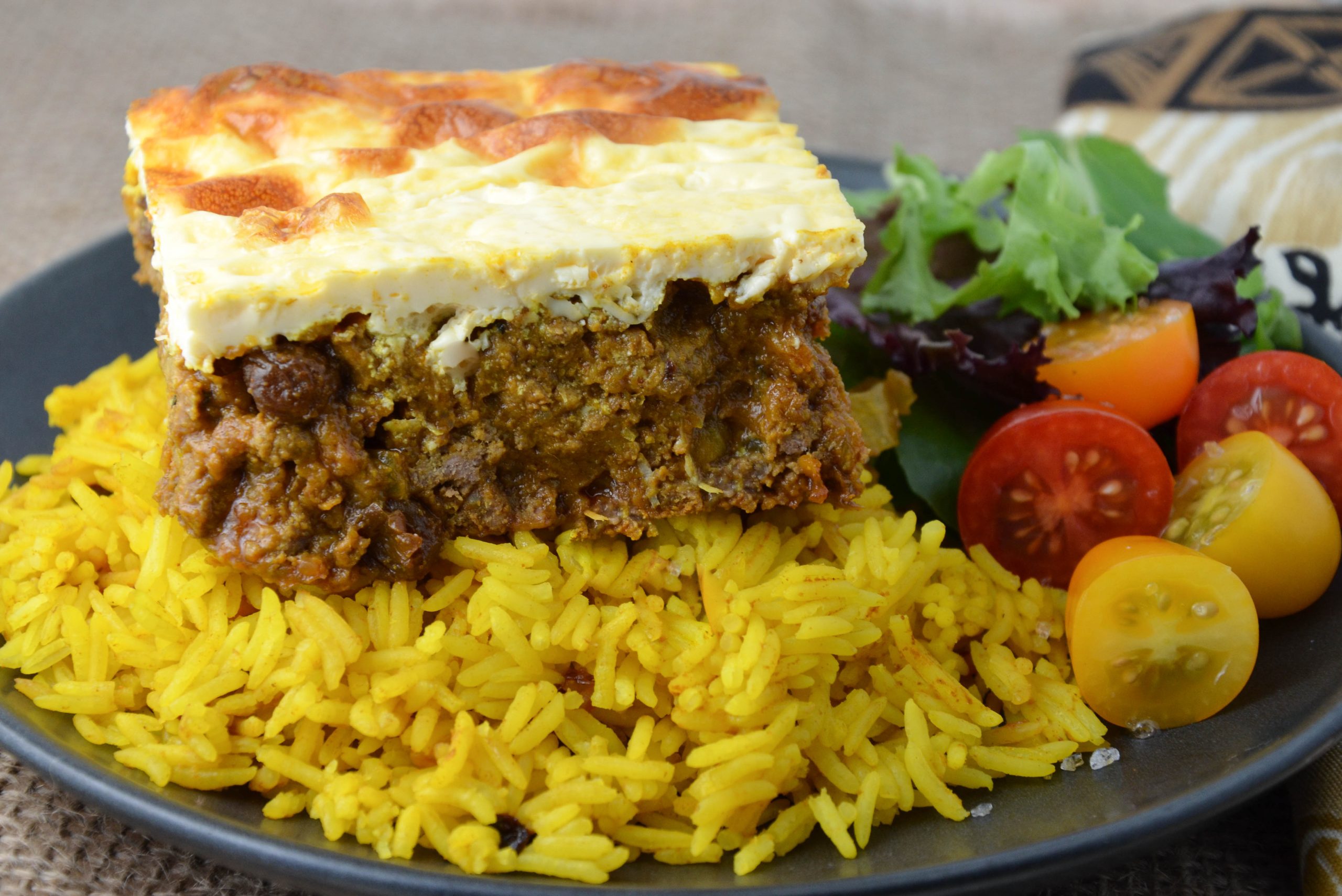
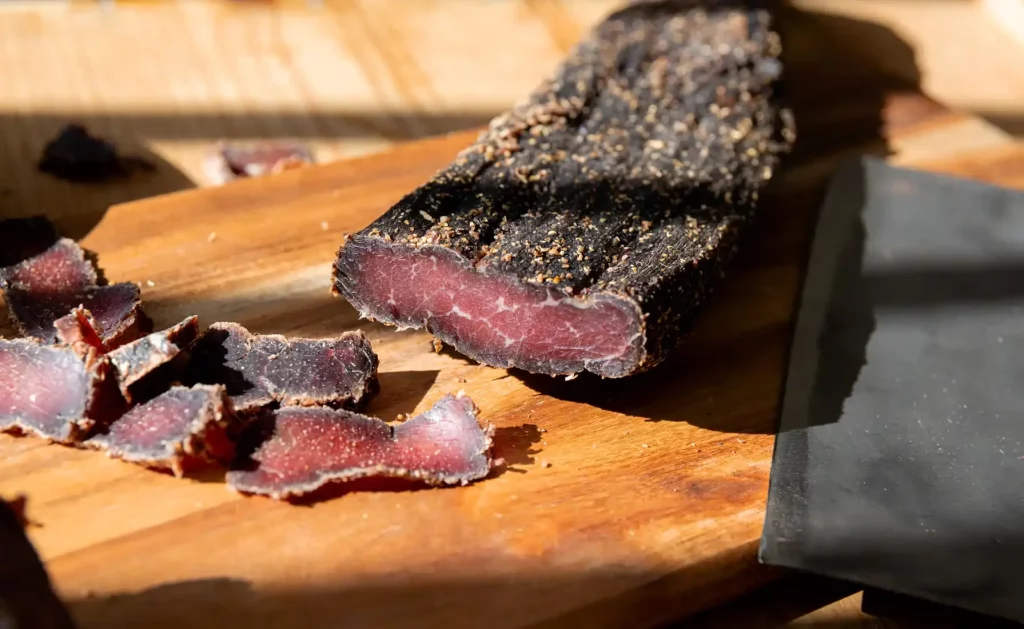
Bobotie, a savory spiced meat casserole topped with an egg custard, showcases Cape Malay influences, while Biltong, a dried and cured meat snack, represents centuries-old preservation techniques adapted to the African landscape. Together, they illustrate the rich tapestry of South African gastronomy, highlighting techniques, ingredients, and culinary philosophies that continue to inspire chefs worldwide.
This article provides a comprehensive exploration of Bobotie and Biltong, including historical origins, traditional and modern preparation methods, flavor profiles, nutritional considerations, cultural significance, and their evolving roles in contemporary cuisine.
1. Historical Context
1.1 Origins of Bobotie
- Bobotie has roots in Cape Malay cuisine, brought to the Cape by Indonesian and Malaysian slaves during the Dutch colonial era.
- It is considered a fusion of local and imported culinary traditions, blending:
- Indigenous South African ingredients (meat, eggs)
- Asian spices (curry, turmeric, ginger)
- European techniques (baking in a casserole)
- The dish originally served as a practical way to create flavorful, nutritious meals using available ingredients.
1.2 Origins of Biltong
- Biltong emerged from the need to preserve meat before refrigeration, adapting both European curing methods and indigenous drying techniques.
- Dutch settlers introduced spices and vinegar-based marination, while native techniques influenced sun and air drying methods.
- The result: a high-protein, portable snack suitable for long journeys, hunting, and farm labor.
2. Ingredients and Flavor Profiles
2.1 Bobotie
- Primary Ingredients: minced beef or lamb, onions, bread soaked in milk, eggs, curry powder, turmeric, dried fruits (apricots or raisins), almonds, vinegar, and chutney.
- Flavor Profile:
- Sweet and savory balance from dried fruits and curry spices
- Creamy custard topping adds texture and mild flavor contrast
- Aromatic warmth from turmeric, ginger, and clove
- Variations: Some regions include bay leaves, lemon zest, or apricot jam, enhancing both aroma and color.
2.2 Biltong
- Primary Ingredients: beef, game meats (such as kudu or ostrich), vinegar, salt, sugar, coriander, black pepper, and chili flakes.
- Flavor Profile:
- Umami-rich, meaty flavor intensified by drying and seasoning
- Aromatic warmth from coriander seeds and black pepper
- Slight tang from vinegar in the curing process
- Variations: Thinly sliced vs. thick-cut, spiced with chili or smoked for additional depth.
3. Preparation Techniques
3.1 Preparing Bobotie
- Soaking the Bread: Bread slices soaked in milk to form a custard base, adding moisture and richness.
- Cooking the Meat: Minced meat sautéed with onions, curry, and other spices until aromatic.
- Combining Ingredients: Meat mixture combined with soaked bread, dried fruits, and nuts.
- Baking with Egg Custard: Mixture transferred to a casserole dish, topped with beaten eggs and milk, and baked until golden and set.
- Serving: Traditionally served with yellow rice, chutney, and sambal.
3.2 Preparing Biltong
- Marination: Meat slices soaked in vinegar and seasoned with salt, sugar, and spices.
- Curing: Marinated meat allowed to absorb flavors for several hours.
- Drying: Hung in a cool, dry, and well-ventilated area for several days, until desired texture is achieved.
- Slicing: Sliced against the grain to maximize tenderness and flavor release.
- Serving: Eaten as a snack or used in stews, salads, and sandwiches.
4. Nutritional Considerations
4.1 Bobotie
- Protein: Derived from meat and eggs, supports muscle maintenance.
- Vitamins and Minerals: Onions, almonds, and turmeric provide antioxidants and micronutrients.
- Caloric Balance: Custard topping and dried fruits increase energy density, making it a hearty meal.
4.2 Biltong
- High-Protein Snack: Ideal for sustained energy, popular among athletes and outdoor workers.
- Low in Fat: Depending on the cut of meat, biltong can be lean yet flavorful.
- Minimal Carbohydrates: Suitable for low-carb or ketogenic diets.
5. Cultural Significance
5.1 Bobotie as a Symbol of South African Fusion Cuisine
- Reflects the blend of indigenous, European, and Asian culinary traditions.
- Often served at family gatherings, holidays, and cultural celebrations.
- Represents comfort food and culinary heritage passed down through generations.
5.2 Biltong and South African Identity
- Serves as a national snack and social food, consumed in sports events, road trips, and everyday life.
- Preserves practical culinary techniques from historical necessity, connecting modern South Africans to their past.
- Symbolizes resourcefulness, flavor ingenuity, and the outdoor lifestyle.
6. Regional Variations
6.1 Bobotie
- Cape Malay Bobotie: Emphasizes dried fruits and aromatic spices.
- Afrikaner Bobotie: Sometimes less sweet, heavier on savory curry flavors.
- Modern Twists: Use of alternative proteins (chicken, lamb, or vegetarian) and gluten-free bread.
6.2 Biltong
- Beef Biltong: Most common, widely available commercially.
- Game Biltong: Includes ostrich, kudu, or springbok, offering stronger, richer flavors.
- Spiced or Smoked Biltong: Incorporates chili, black pepper, or smoked paprika for diverse taste profiles.
7. Bobotie and Biltong in Modern Gastronomy
7.1 Fine Dining Interpretations
- Chefs incorporate Bobotie flavors into modern plating techniques, deconstructing traditional elements.
- Biltong is used as:
- Garnish in salads
- Flavor enhancer in sauces and soups
- Ingredient in fusion dishes (e.g., tacos, gourmet pizzas)
7.2 Global Popularity
- Both dishes appear in international culinary festivals and South African-themed restaurants abroad.
- Biltong is exported to Europe, North America, and Australia, often compared to jerky but noted for its superior flavor and texture.
8. Pairings and Serving Suggestions
8.1 Bobotie
- Rice: Yellow turmeric rice complements sweet-savory flavors.
- Chutney: Mango or apricot chutney enhances sweetness and acidity.
- Vegetables: Simple side salads or steamed greens balance richness.
- Wine Pairing: Medium-bodied white wine or light red wine to harmonize spices.
8.2 Biltong
- Snacking: Consumed alone or with nuts and cheese.
- Salads: Adds protein and texture to leafy greens.
- Sandwiches and Wraps: Thin slices create flavorful fillings.
- Beer or Red Wine: Traditional pairing, enhancing the smoky, spiced notes.
9. Preservation and Storage
9.1 Bobotie
- Best consumed fresh from the oven, though leftovers can be refrigerated for 2–3 days.
- Freezing is possible but may slightly alter custard texture.
9.2 Biltong
- Can be stored for weeks to months in a cool, dry place.
- Vacuum-sealed packaging extends shelf life while maintaining texture and flavor.
- Proper air circulation is key to preventing mold and spoilage.
10. Culinary Lessons from Bobotie and Biltong
10.1 Balancing Flavor Complexity
- Bobotie teaches sweet, savory, and spicy balance in a single dish.
- Biltong demonstrates concentrated flavor through curing and drying.
10.2 Techniques in Preservation and Preparation
- Bobotie: blending, sautéing, baking, custard setting
- Biltong: marination, curing, controlled drying
10.3 Cultural Storytelling Through Food
- Both dishes reflect South Africa’s history, migration patterns, and cross-cultural influences, offering more than taste—a culinary narrative.
Conclusion
Bobotie and Biltong are pillars of South African cuisine, each illustrating unique aspects of flavor, technique, and culture. Bobotie embodies fusion cooking, balancing sweet and savory, and custard-based artistry, while Biltong highlights practical preservation, protein-rich nutrition, and robust flavor development.
Together, they demonstrate the interplay between history, geography, and culinary creativity, making them timeless representations of South Africa’s rich gastronomic heritage. For chefs, food enthusiasts, and global diners alike, exploring these dishes offers insight into both traditional practices and modern culinary innovation, reaffirming the value of culture, technique, and flavor in shaping iconic dishes.
Bobotie and Biltong are not merely food—they are living symbols of South African identity and culinary excellence.