






Introduction
Argentine Asado is far more than a method of cooking meat; it is a cultural institution, a social ritual, and a defining symbol of Argentina’s national identity. Revered both domestically and internationally, Asado represents the heart of Argentine gastronomy and the values that shape everyday life in the country—hospitality, patience, craftsmanship, and communal enjoyment. Rooted in pastoral history and refined over centuries, Asado has evolved into one of the world’s most respected barbecue traditions.
This article offers a comprehensive and professional exploration of Argentine Asado as a traditional food. It examines its historical origins, cultural significance, regional variations, grilling techniques, meat selection, social customs, and contemporary relevance. Through this lens, Asado emerges not merely as a meal, but as a living expression of Argentina’s relationship with land, livestock, and community.
1. Historical Origins of Argentine Asado
1.1 The Gaucho Heritage
The origins of Asado are inseparable from the history of the gauchos, the skilled horsemen and cattle herders of the Argentine Pampas. During the 18th and 19th centuries, vast grasslands supported enormous herds of cattle introduced by Spanish colonizers. Beef was abundant, inexpensive, and central to daily sustenance.
Gauchos cooked meat over open fires in the countryside, using simple tools and techniques. Cuts were often roasted whole or in large sections, seasoned minimally—usually only with salt—and cooked slowly over embers. This early form of Asado emphasized respect for the animal and the natural flavor of beef.
1.2 From Rural Practice to National Tradition
As Argentina urbanized in the late 19th and early 20th centuries, Asado transitioned from rural necessity to urban ritual. Immigrants from Italy and Spain contributed new social customs and culinary sensibilities, but Asado remained distinctly Argentine.
By the mid-20th century, Asado had become firmly established as a weekly tradition, especially on Sundays, when families and friends gathered to share food and conversation. Today, Asado is considered a cornerstone of Argentine cultural life.
2. The Cultural Meaning of Asado
2.1 More Than Food: A Social Ceremony
In Argentina, Asado is a social event as much as a culinary one. The meal unfolds over several hours, reinforcing values of:
- Togetherness and inclusion
- Patience and unhurried time
- Conversation and storytelling
- Shared responsibility and respect
Unlike fast-paced dining cultures, Asado celebrates slowness. The process of cooking is as important as the food itself.
2.2 The Role of the Asador
The asador, or grill master, holds a position of honor and responsibility. This role is typically earned through experience and trust, not assigned casually. The asador controls:
- Fire management
- Cooking order of meats
- Timing and serving
Guests rarely interfere, reflecting cultural respect for skill and tradition. The asador’s calm authority embodies Argentine ideals of competence and humility.
3. The Parrilla: Heart of the Asado
3.1 The Traditional Grill
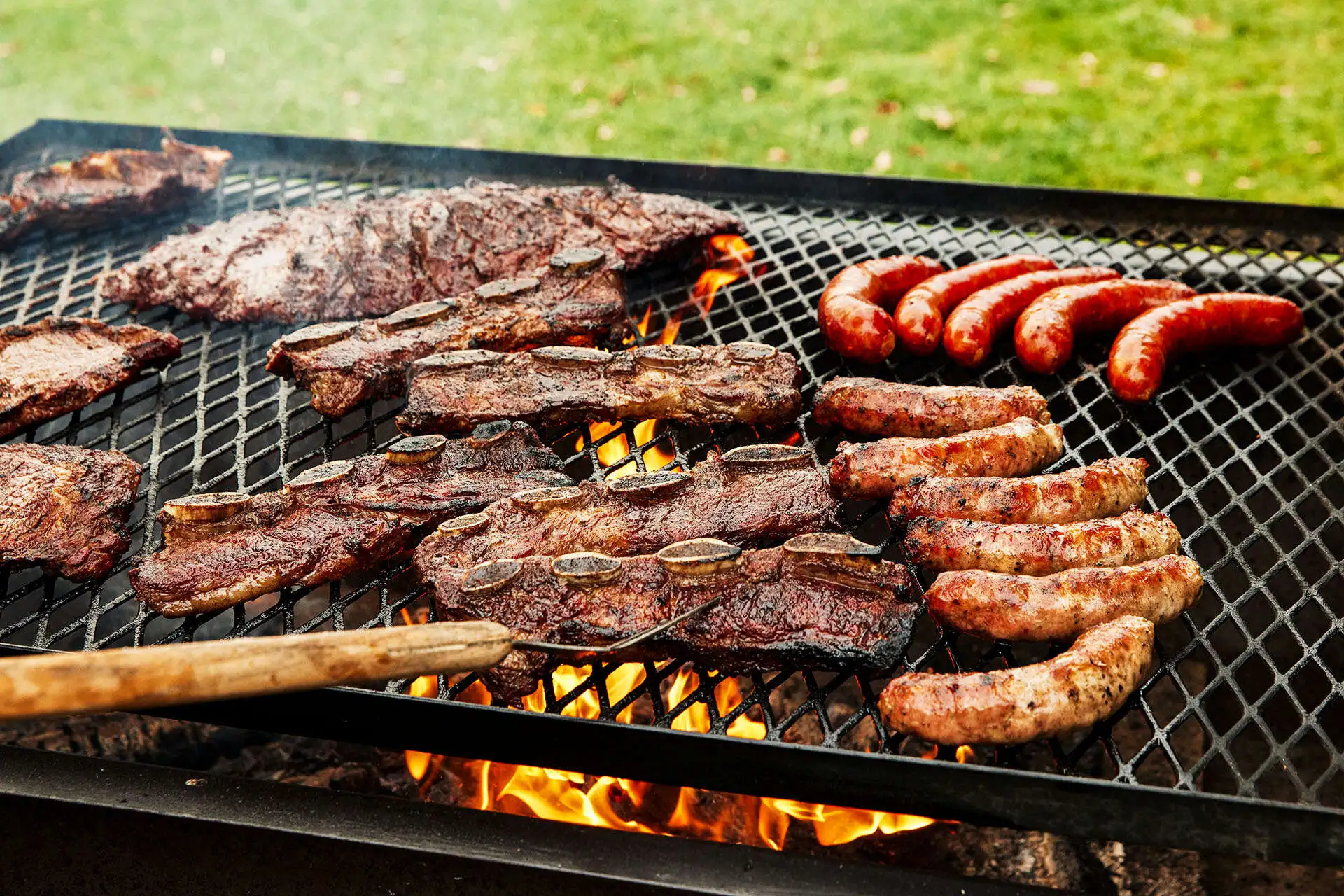
At the center of every Asado is the parrilla, a metal grill usually positioned over a wood or charcoal fire. Traditional parrillas allow height adjustment, enabling precise control over cooking temperature.
Fire is typically made using:
- Hardwood logs (such as quebracho)
- Natural charcoal
- Embers rather than open flames
This emphasis on embers ensures slow, even cooking and prevents charring.
3.2 Fire as a Skill, Not a Tool
In Argentine culture, managing fire is considered an art. Proper Asado requires:
- Building the fire well in advance
- Allowing flames to die down
- Cooking with radiant heat
Rushing the fire is seen as disrespectful to the meat and the guests.
4. Meat Selection: The Foundation of Asado
4.1 Argentina’s Beef Tradition
Argentina is globally renowned for its beef, largely due to:
- Grass-fed cattle
- Open-range grazing
- Favorable climate and soil
The quality of meat is considered so high that elaborate marinades are unnecessary. Simplicity is a defining principle.
4.2 Classic Cuts of Asado
Traditional Asado features a variety of cuts, often cooked in stages:
- Asado de tira (short ribs)
- Vacío (flank steak)
- Matambre (thin flank cut)
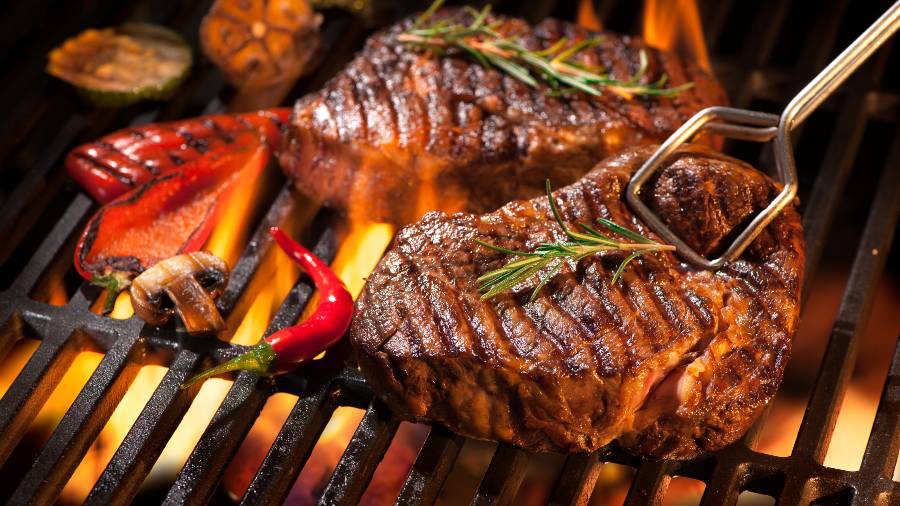
- Bife de chorizo (sirloin steak)
- Entraña (skirt steak)
These cuts emphasize texture and flavor rather than tenderness alone.
4.3 Offal and Secondary Cuts
A defining feature of Asado is the inclusion of offal, reflecting the gaucho ethic of using the whole animal:
- Chorizo (sausage)
- Morcilla (blood sausage)
- Chinchulines (intestines)
- Mollejas (sweetbreads)
These items are often served early while larger cuts continue cooking.
5. Seasoning Philosophy: Simplicity and Respect
5.1 Salt as the Primary Seasoning
Traditional Asado uses little more than coarse salt. Seasoning is applied just before or during cooking, allowing the meat’s natural flavors to dominate.
This minimalist approach reflects confidence in ingredient quality and avoids masking the taste of beef.
5.2 Chimichurri and Accompaniments
While the meat itself is simply seasoned, sauces and sides provide contrast:
- Chimichurri: parsley, garlic, vinegar, oil, chili
- Salsa criolla: tomatoes, onions, peppers
These condiments are used sparingly and served on the side.
6. Cooking Techniques and Order
6.1 Slow Cooking Over Embers
Asado is characterized by slow, indirect heat. Meat is rarely flipped excessively; instead, it cooks gently, allowing fat to render and fibers to relax.
This method produces:
- Juicy interiors
- Crispy exteriors
- Deep, natural flavors
6.2 The Order of Serving
A traditional Asado follows a sequence:
- Chorizo and morcilla
- Offal and smaller cuts
- Larger beef cuts
This progression ensures continuous eating while maintaining optimal cooking times.
7. Regional Variations of Asado
7.1 Buenos Aires and the Pampas
In central Argentina, Asado focuses heavily on beef, reflecting cattle abundance. Techniques here are considered the national standard.
7.2 Patagonia
In southern regions, lamb Asado is common, often cooked on a cross-shaped iron frame (asador criollo) over an open fire. This method highlights regional adaptation to local livestock.
7.3 Northern Argentina
Northern Asados may incorporate goat, spices, and indigenous influences, reflecting Andean culinary traditions.
8. Side Dishes and Beverages
8.1 Traditional Sides
Although meat is central, Asado is accompanied by simple sides:
- Green salads
- Tomatoes and onions
- Bread
These provide freshness and balance without competing with the meat.
8.2 Wine and Drinks
Red wine—particularly Malbec—is the traditional beverage of choice. Beer and non-alcoholic drinks are also common, but wine remains culturally symbolic.
9. Asado and Argentine Identity
9.1 A Symbol of National Pride
Asado is frequently cited as a source of national pride, representing Argentina’s agricultural wealth and social values. It is often featured in cultural celebrations, sports gatherings, and family milestones.
9.2 Gender and Modern Shifts
Traditionally male-dominated, the role of asador is gradually becoming more inclusive. Contemporary Argentine society increasingly embraces diversity while maintaining respect for tradition.
10. Asado in the Modern World
10.1 Urban Living and Adaptation
In modern cities, Asado adapts to:
- Smaller grills
- Apartment balconies
- Gas parrillas
While purists prefer wood fire, the essence of Asado—time, sharing, and care—remains intact.
10.2 Global Influence
Argentine Asado has influenced barbecue culture worldwide, particularly in:
- Europe
- North America
- Latin America
Argentine steakhouses and parrillas abroad serve as cultural ambassadors.
11. Health, Nutrition, and Balance
11.1 Nutritional Considerations
While meat-heavy, traditional Asado is balanced by:
- Portion control
- Infrequent consumption
- Physical activity
Historically, Asado was part of an active rural lifestyle, not a daily indulgence.
11.2 Modern Awareness
Today, many Argentines incorporate:
- Leaner cuts
- More vegetables
- Smaller portions
This reflects evolving health awareness without abandoning tradition.
12. Asado as Intangible Cultural Heritage
12.1 Transmission Through Generations
Asado is learned through observation and participation. Children grow up watching adults tend the fire, absorb rituals, and internalize values of patience and generosity.
12.2 Preservation in a Globalized World
In an era of fast food and digital distraction, Asado remains a powerful counterbalance—a reminder of the importance of shared time and embodied skill.
Conclusion
Argentine Asado stands as one of the world’s most meaningful culinary traditions. Rooted in gaucho history and sustained through generations, it represents a harmonious relationship between land, animal, fire, and community. Its techniques emphasize patience and simplicity, while its social rituals foster connection and belonging.
As a traditional food, Asado transcends the act of eating. It is a cultural language through which Argentines express identity, hospitality, and pride. In a rapidly changing world, Asado endures not because it resists change, but because its core values—respect, sharing, and authenticity—remain universally relevant.
To understand Argentina, one must understand Asado. And to experience Asado fully is to participate in a tradition where food becomes memory, fire becomes ritual, and the table becomes a place of lasting human connection.