





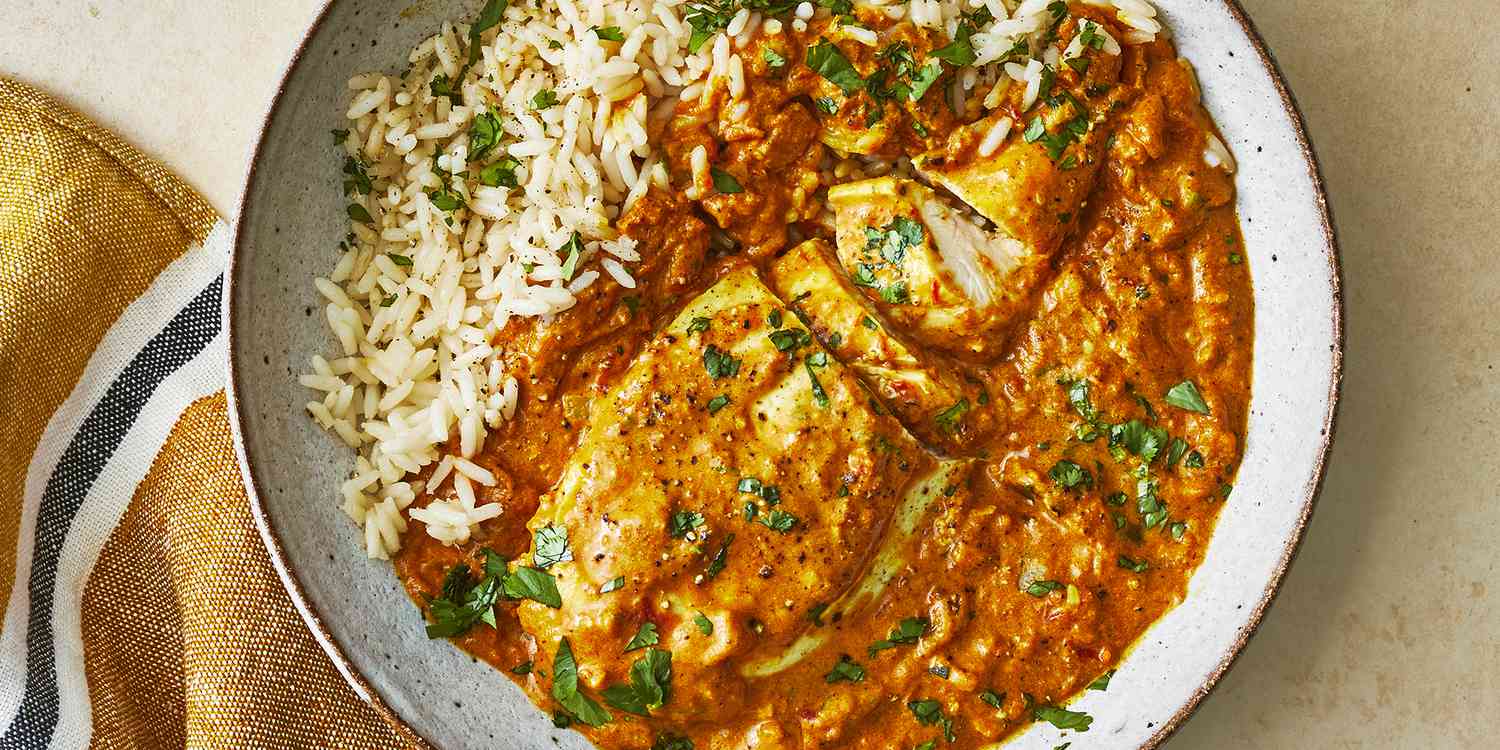

Introduction: The Essence of Indian Cuisine
Indian cuisine, celebrated for its complex spice blends, bold aromas, and rich flavors, stands as one of the most diverse and sophisticated culinary traditions in the world. Among the vast array of Indian dishes, curry holds a central place, both culturally and gastronomically. More than just a meal, curry represents centuries of culinary evolution, regional diversity, and the profound relationship between spice, technique, and tradition.
The term “curry” itself, while popularized globally, encompasses an extensive spectrum of dishes that vary in ingredients, spice intensity, and cooking method across different regions of India. Each curry reflects local produce, climate, religious practices, and historical influences, ranging from the mild coconut-based curries of the South to the rich, cream-laden curries of the North.
This article explores Indian cuisine’s foundation in spices, the history and evolution of curry, regional variations, techniques for achieving authentic flavor, ingredient selection, and contemporary adaptations. It delves into both the science and artistry behind Indian cooking, providing a comprehensive guide for chefs, culinary students, and enthusiasts seeking to understand the richness of India’s culinary heritage.
The Foundation of Indian Cuisine: Spices and Flavor Complexity
The hallmark of Indian cuisine lies in its layered use of spices, which create intricate flavor profiles. Unlike simple seasoning, Indian spice combinations are carefully balanced to achieve depth, aroma, and complexity.
1. Spice Classification and Roles
Spices are broadly classified by their role in flavor building:
- Aromatic spices: Such as cardamom, cinnamon, and cloves, which provide fragrance.
- Heat spices: Including chili, black pepper, and ginger, which add warmth and pungency.
- Earthy spices: Like turmeric, cumin, and coriander, which offer depth and color.
- Binding spices: Such as fennel or nutmeg, which round out flavors and balance intensity.
Each spice is often used in precise ratios, added at different stages of cooking, and sometimes roasted or tempered to maximize flavor extraction.
2. The Science of Spice Blending
Culinary science plays a key role in spice utilization. Roasting spices before grinding enhances volatile aromatic compounds, intensifying fragrance and complexity. The Maillard reaction, along with oil infusion, allows fat-soluble flavor compounds to disperse evenly, enriching both aroma and taste.
Moreover, spices are not only about flavor—they often provide health benefits such as anti-inflammatory and digestive properties. Turmeric contains curcumin, known for its antioxidant activity, while ginger and garlic aid digestion and circulation. This dual role of flavor and function exemplifies the genius of Indian culinary design.
Curry: History and Evolution
1. Origins of Curry
The word “curry” is derived from the Tamil word kari, meaning “sauce” or “relish for rice.” Traditionally, Indian dishes were not labeled as “curries” in local culture; rather, they were regional preparations with specific combinations of spices and ingredients.
Historical records indicate that curry-like dishes existed in India for over 4,000 years. Recipes were influenced by trade, colonization, and migration, incorporating spices from the Middle East, Southeast Asia, and Europe. The arrival of British colonizers led to adaptations and eventual international recognition, though authentic Indian curries are far more diverse than the standardized versions popular abroad.
2. Key Components of Curry
A traditional curry typically includes:
- Protein or vegetables: Meat (chicken, lamb, fish), legumes (lentils, chickpeas), or vegetables.
- Base aromatics: Onion, garlic, ginger, and sometimes tomato.
- Spice blend (masala): Either freshly ground or pre-mixed, carefully balanced.
- Liquid medium: Water, stock, yogurt, coconut milk, or cream.
- Acidity and sweetness: Tamarind, lemon juice, jaggery, or sugar for balance.
The intricate layering of these components creates the signature rich, multi-dimensional flavor associated with Indian curries.
Regional Variations of Curry Across India
India’s vast geography has produced a remarkable range of curry styles, each with distinct ingredients, spice profiles, and cooking techniques.
1. Northern India: Creamy and Aromatic
Northern curries, such as Butter Chicken (Murgh Makhani) or Rogan Josh, often feature:
- Dairy-based ingredients like yogurt, cream, or paneer.
- Aromatic spices such as cardamom, cloves, and cinnamon.
- Rich, slow-cooked sauces for tender protein and layered flavor.
The emphasis is on luxurious texture and a balanced spice profile, catering to the historically agrarian and royal cuisines of Punjab, Kashmir, and Uttar Pradesh.
2. Southern India: Coconut and Heat
Southern curries, including Chettinad Chicken Curry and Kerala Fish Curry, are distinguished by:
- Coconut milk or grated coconut for richness.
- Fresh curry leaves, mustard seeds, and tamarind for tang and aroma.
- A higher concentration of chili and black pepper for heat.
These curries are closely tied to the tropical climate, coastal access to seafood, and local agricultural products.
3. Eastern India: Pungent and Sweet-Sour
Eastern curries, such as Machher Jhol (Bengali Fish Curry), incorporate:
- Mustard oil and mustard seeds for pungency.
- Tamarind, tomatoes, and sometimes jaggery for sweet-sour balance.
- Subtle spice blends to complement delicate freshwater fish and rice-based meals.
The regional emphasis on freshwater fish and riverine produce shapes flavor profiles distinct from other regions.
4. Western India: Robust and Spicy
Western Indian curries, including Goan Prawn Curry and Vindaloo, often highlight:
- Bold vinegar or tamarind tang.
- Chili, black pepper, and aromatic spices for heat.
- Seafood and coconut in coastal regions; lamb, goat, and chicken inland.
Goa’s Portuguese influence introduced vinegar and European techniques, demonstrating how cross-cultural exchange shaped regional curry.
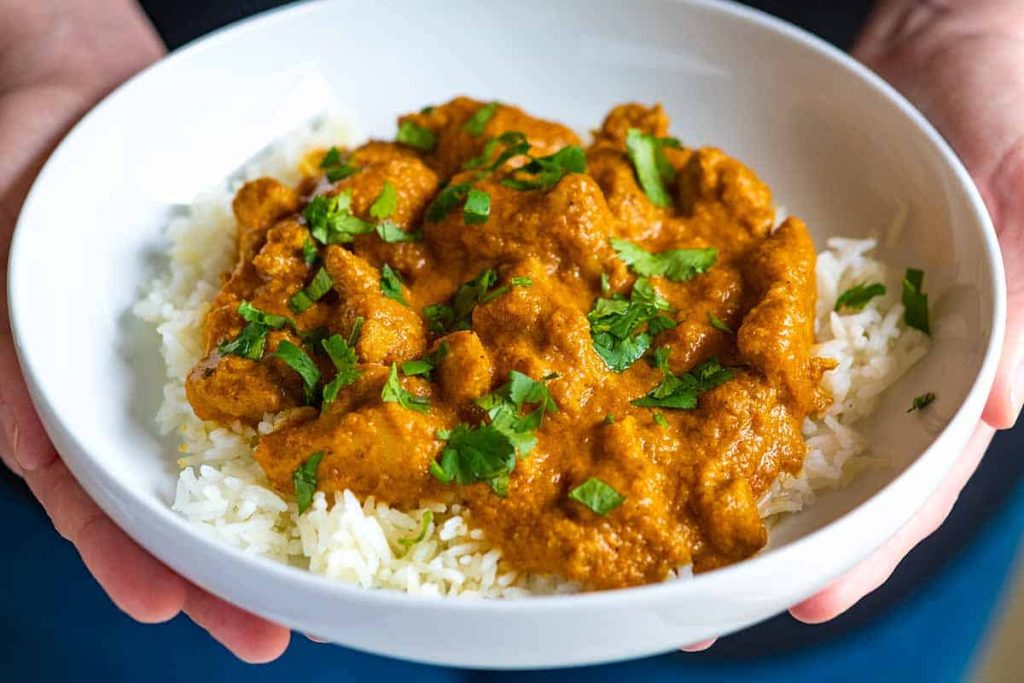
Masala: The Heart of Indian Curry
1. Fresh vs. Dry Masala
Masala, or spice blend, can be used in dry form or freshly ground:
- Dry masala (store-bought or roasted): Convenient and consistent.
- Freshly ground masala: Provides superior aroma and nuanced flavor, essential for high-end or traditional preparations.
2. Common Masala Components
A typical curry masala may include:
- Coriander seeds, cumin seeds, fennel, and mustard seeds
- Turmeric for color and subtle earthiness
- Chili powder for heat and depth
- Garam masala (a blend of cinnamon, cardamom, cloves, and nutmeg) added at the end for aromatic lift
Skillful chefs balance masala components to complement the main ingredient, respecting both regional authenticity and personal style.
Cooking Techniques to Maximize Flavor
1. Tempering (Tadka)
Tempering involves frying spices in hot oil to release their aromatic compounds. This technique enhances flavor depth and allows oils to carry aromatics throughout the dish.
2. Sautéing Aromatics
Onions, garlic, and ginger are often caramelized or gently fried, forming a rich, flavorful base. This step is crucial in achieving authentic depth.
3. Slow Cooking and Simmering
Curries often benefit from long, slow cooking, allowing flavors to meld and proteins to tenderize. Regional variations dictate simmering times based on ingredient density and desired intensity.
4. Layering Flavors
Ingredients and spices are added in stages, ensuring balance and complexity. Early-stage ingredients build foundation; finishing spices or herbs provide aromatic lift.
Ingredient Selection: Keys to Authentic Curry
1. Proteins
- Chicken: Preferably fresh, free-range for flavor.
- Lamb: Young, tender cuts for slow-cooked curries.
- Fish: Fresh, firm varieties like kingfish, cod, or local freshwater species.
- Legumes: Quality lentils and chickpeas for texture and richness.
2. Vegetables and Aromatics
- Fresh tomatoes, onions, garlic, ginger, and chili for base flavors.
- Regional vegetables (eggplant, okra, pumpkin) reflecting local terroir.
3. Spices and Herbs
- Use whole spices where possible; freshly ground is preferred for professional quality.
- Fresh curry leaves, cilantro, and green chilies elevate aromatic complexity.
4. Liquids
- Yogurt, coconut milk, stock, or water must be fresh and unadulterated to maintain authentic flavor.
Balancing Flavor Profiles in Curry
Authentic curry relies on balancing:
- Heat and sweetness: Chili and jaggery or sugar.
- Acidity and richness: Tamarind, lemon juice, or yogurt against cream or coconut milk.
- Salt and aromatics: Salt enhances natural flavors while spices provide depth.
The chef’s skill lies in achieving harmony, allowing no single component to overpower the dish.
Global Adaptations of Indian Curry
While curry has become a global phenomenon, adaptations often simplify spices or alter ingredient proportions:
- British curry: Incorporates mild sauces and cream for accessibility.
- Japanese curry: Thickened with roux, less spicy, slightly sweet.
- Caribbean curry: Uses local herbs and Scotch bonnet peppers for heat.
Understanding these adaptations emphasizes the importance of ingredient selection and technique in preserving authentic flavor.
Contemporary Innovations
Modern chefs experiment with curry while respecting tradition:
- Fusion curries: Combining Indian spices with local ingredients worldwide.
- Health-focused curries: Reduced oil, lighter coconut milk, or plant-based proteins.
- Sous-vide proteins: Ensures tender, evenly cooked meat while retaining flavor.
Despite innovation, the integrity of spices, aromatics, and cooking methods remains central to authenticity.
Conclusion: Curry as the Soul of Indian Cuisine
Indian cuisine’s complexity, richness, and cultural significance are embodied in curry. Its signature depth arises not only from spices and cooking techniques but also from careful ingredient selection, regional specificity, and thoughtful flavor balance.
To create an authentic curry is to honor centuries of tradition, understand the science of spices, respect local produce, and master culinary technique. By integrating these elements, chefs worldwide can craft dishes that preserve the soul of Indian cuisine while delighting modern palates.
Curry is more than food—it is a testament to India’s culinary artistry, a celebration of flavor complexity, and a bridge between culture, history, and gastronomy.