





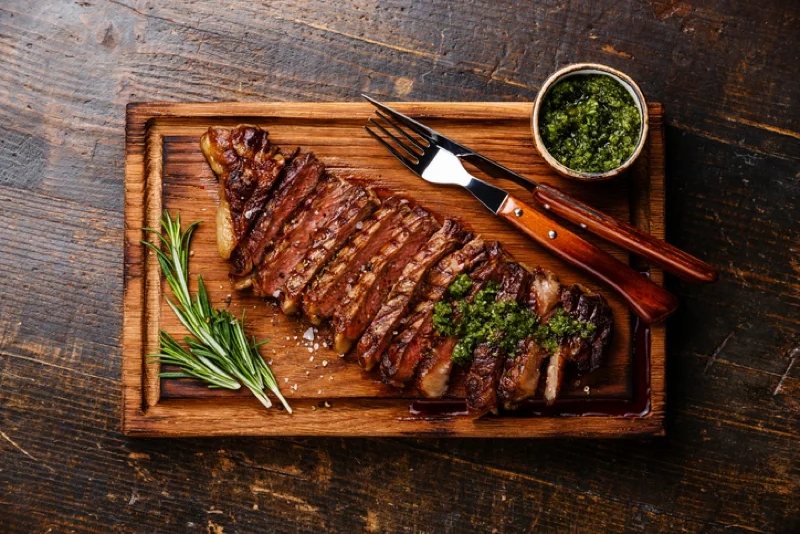

Introduction: Argentina’s Renowned Beef Industry
Argentina is internationally celebrated for producing some of the world’s finest beef, a distinction that has been earned over centuries of history, tradition, and commitment to quality. Argentine beef is synonymous with excellence, and the country’s iconic asado (barbecue) culture has placed its cattle industry at the heart of both its economy and its national identity.
What makes Argentine beef stand out is not only the high standards of quality but also the country’s unique farming methods, climate, and the rich cultural traditions surrounding its production. From the lush, expansive plains of the Pampas to the world-class restaurants in Buenos Aires, Argentine beef is a vital part of daily life, celebrated for its tenderness, flavor, and marbling.
In this article, we will explore the factors that contribute to Argentina’s reputation as a beef powerhouse, delve into its traditional methods of meat preparation and grilling, and discuss the cultural and economic significance of beef in Argentina.
Part 1: The Origins of Argentine Beef
1.1 The History Behind Argentina’s Beef Industry
Argentina’s connection to beef dates back to the 16th century, when Spanish colonists introduced cattle to the country. However, it wasn’t until the late 19th century that the Argentine beef industry began to flourish. The development of large-scale cattle farming was driven by both local demand and the burgeoning export market.
In the late 1800s, Argentina’s grasslands, which offer abundant natural grazing, became the perfect environment for raising cattle. This ideal climate allowed cattle to grow on grass, which is integral to the flavor and tenderness of the meat. By the early 20th century, Argentina had established itself as one of the world’s leading exporters of beef, with countries in Europe and the United States eager to import Argentine cuts due to their exceptional quality.
Throughout the 20th century, Argentina became synonymous with premium beef production, and by the 1950s, the country had one of the highest per capita beef consumption rates in the world. The Pampa region—an area of fertile, flat land stretching across Argentina—remains at the heart of the country’s cattle farming.
1.2 Argentina’s Unique Cattle-Breeding Methods
The secret behind Argentina’s top-tier beef lies in the grass-fed system. Unlike many other countries that rely on grain-fed beef, Argentine cattle are traditionally raised on a diet of natural grass in the country’s vast Pampas plains. The resulting beef is leaner, more flavorful, and tender due to the natural grazing process.
Argentine cattle are often raised in a low-stress environment, with wide open spaces that allow them to roam freely, ensuring their meat develops a unique texture and quality. The country’s cattle-raising methods are environmentally sustainable, and the natural feeding process helps preserve the distinct flavor profile that has made Argentine beef famous worldwide.
1.3 The Role of the Argentine Government and Industry in Beef Production
The Argentine government has long supported the beef industry, with policies that encourage sustainable farming practices and responsible cattle raising. Efforts to maintain quality standards, support small-scale farmers, and ensure animal welfare have contributed to the country’s beef reputation.
Organizations such as the Argentine Beef Promotion Institute (IPCVA) play a pivotal role in promoting and maintaining the high standards of Argentine beef. These organizations provide support for the export market, help ensure traceability, and emphasize the grass-fed, hormone-free nature of Argentine beef to global consumers.
Part 2: Argentine Beef Cuts and Their Global Influence
2.1 The Diversity of Argentine Beef Cuts
Argentina’s rich culinary history has led to a deep appreciation of various cuts of meat, each with its own purpose in traditional dishes like asado. Understanding the cuts of Argentine beef is key to appreciating the country’s meat culture, as they all contribute unique flavors and textures.
- Asado (Ribs): This is the iconic cut associated with Argentine barbecue. Asado is typically prepared by slow-cooking ribs and other cuts on a grill called a parrilla, allowing the meat to absorb the smoky flavors from the wood.
- Bife de Chorizo (Sirloin): One of the most beloved cuts of beef in Argentina, bife de chorizo is a tender, flavorful steak cut from the short loin. It is often served grilled or pan-seared, and is a common item on steakhouse menus.
- Lomo (Tenderloin): Known for its melt-in-your-mouth tenderness, lomo is a premium cut, often reserved for special occasions. It is the centerpiece of many fine-dining experiences.
- Vacío (Flank Steak): A flavorful cut from the lower belly of the cow, vacío is marbled with fat and is perfect for slow roasting or grilling.
- Matambre (Flank): This thin cut of meat comes from the side of the cow and is often grilled as part of an asado. It is typically marinated to enhance its flavor.
- Costillas (Ribs): A staple of Argentine asado, costillas are cooked over a low flame for hours, resulting in tender, juicy meat with a distinct smoky flavor.
In addition to these cuts, Argentine beef is also known for its sausages, such as chorizo and morcilla, which are a common feature of barbecues and street food.
2.2 The Global Influence of Argentine Beef Cuts
Argentine beef has become synonymous with quality on the international stage, influencing beef production and preparation techniques around the world. The global reputation of Argentine cuts like bife de chorizo and asado has helped shape beef consumption trends in countries such as the United States, Japan, and Europe.
Argentina’s focus on grass-fed beef has also contributed to the global shift towards sustainable and natural meat production methods. As more consumers seek out hormone-free, organic meat, Argentine beef has increasingly found a place on menus in fine-dining restaurants and steakhouses across the globe.
Moreover, the global popularity of Argentine steak has made its way into international competitions, where chefs and cooks compete to prepare the best asado using Argentine beef. The country’s beef culture has become a symbol of luxury, sustainability, and authenticity in the culinary world.
Part 3: The Art of Argentine Asado
3.1 The Tradition of Asado: A Cultural Celebration
Asado is more than just a way of cooking beef; it is a ceremony and a social tradition that unites people. The Argentine asado typically takes place in outdoor settings, where family and friends gather to share food and celebrate the art of cooking meat.
The asado process involves slow-roasting beef, pork, sausages, and other cuts of meat over wood or charcoal, with the heat allowing the flavors to develop while the meat remains tender and juicy. The key to a perfect asado lies in the patience and technique of the grill master, known as the asador.
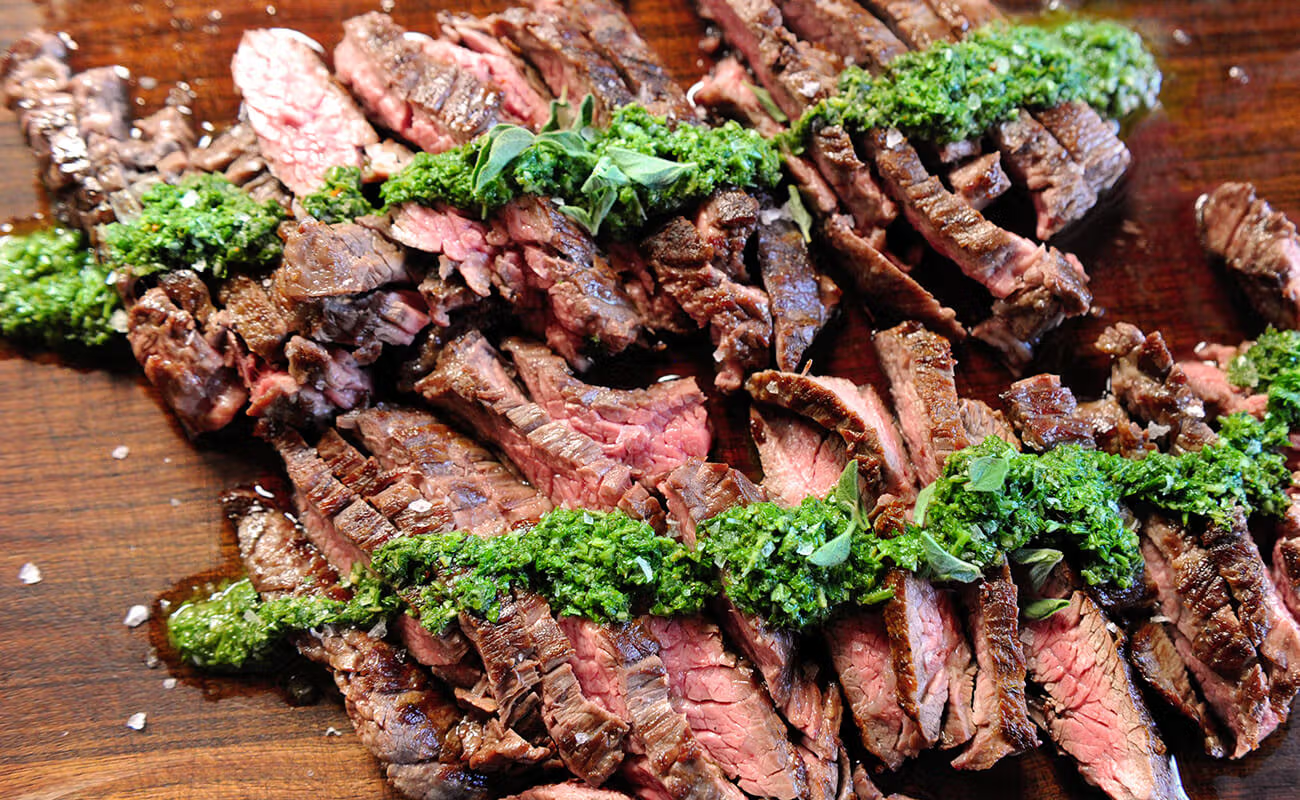
Unlike many other grilling techniques, asado requires an indirect heat method, where the meat is placed at a distance from the fire to avoid charring or drying out. The grilling process is leisurely, often lasting for several hours, and the meat is occasionally basted with chimichurri sauce, a tangy mixture of parsley, garlic, vinegar, and olive oil.
Asado is a social affair, and it is not unusual for large gatherings to take place around a parrilla (grill), where the asador expertly manages the fire, ensuring the beef is cooked to perfection. The meat is typically served with sides like salads, potatoes, and farofa (toasted cassava flour).
3.2 The Rise of Argentine Steakhouses (Parrillas)
The tradition of asado has also made its way into the restaurant scene. Parrillas, or Argentine steakhouses, are renowned for their expert use of high-quality beef and their mastery of grilling techniques. These steakhouses often offer a wide variety of meat cuts, along with the signature Argentine accompaniments, such as chimichurri and empanadas.
Whether in Buenos Aires or abroad, the parrilla experience has become a quintessential part of Argentine cuisine, offering diners an authentic taste of the country’s beef culture.
Part 4: The Economic Impact of Argentine Beef
4.1 Argentina as a Leading Beef Exporter
Argentina is one of the top exporters of beef in the world, and the country’s beef industry plays a significant role in the national economy. The global demand for Argentine beef has helped maintain its position as one of the world’s largest beef exporters.
In recent years, Argentina has faced competition from other beef-producing countries, such as Brazil, Australia, and the United States. However, Argentina continues to distinguish itself through its emphasis on quality over quantity, focusing on sustainable farming practices, traceability, and premium cuts.
4.2 Challenges and the Future of Argentine Beef
Despite the challenges posed by the global market, Argentina’s beef industry remains robust. Issues like climate change, economic instability, and export restrictions have affected the country’s beef sector, but the government’s commitment to quality control and sustainable farming practices has ensured the continued success of Argentina’s cattle industry.
Looking forward, innovations in farming technology and sustainable practices are likely to shape the future of Argentine beef. The country’s grass-fed model will continue to appeal to environmentally conscious consumers seeking hormone-free, ethically raised meat.
Conclusion: Argentina’s Beef Legacy
Argentina’s commitment to producing some of the finest beef in the world is an enduring legacy shaped by history, culture, and a passion for quality. The country’s grass-fed cattle farming practices, combined with its rich asado tradition, make Argentine beef a unique culinary treasure.
As the global appetite for premium, sustainable beef continues to grow, Argentina’s beef industry is set to remain a cornerstone of its national identity and an essential player on the world’s culinary stage.