





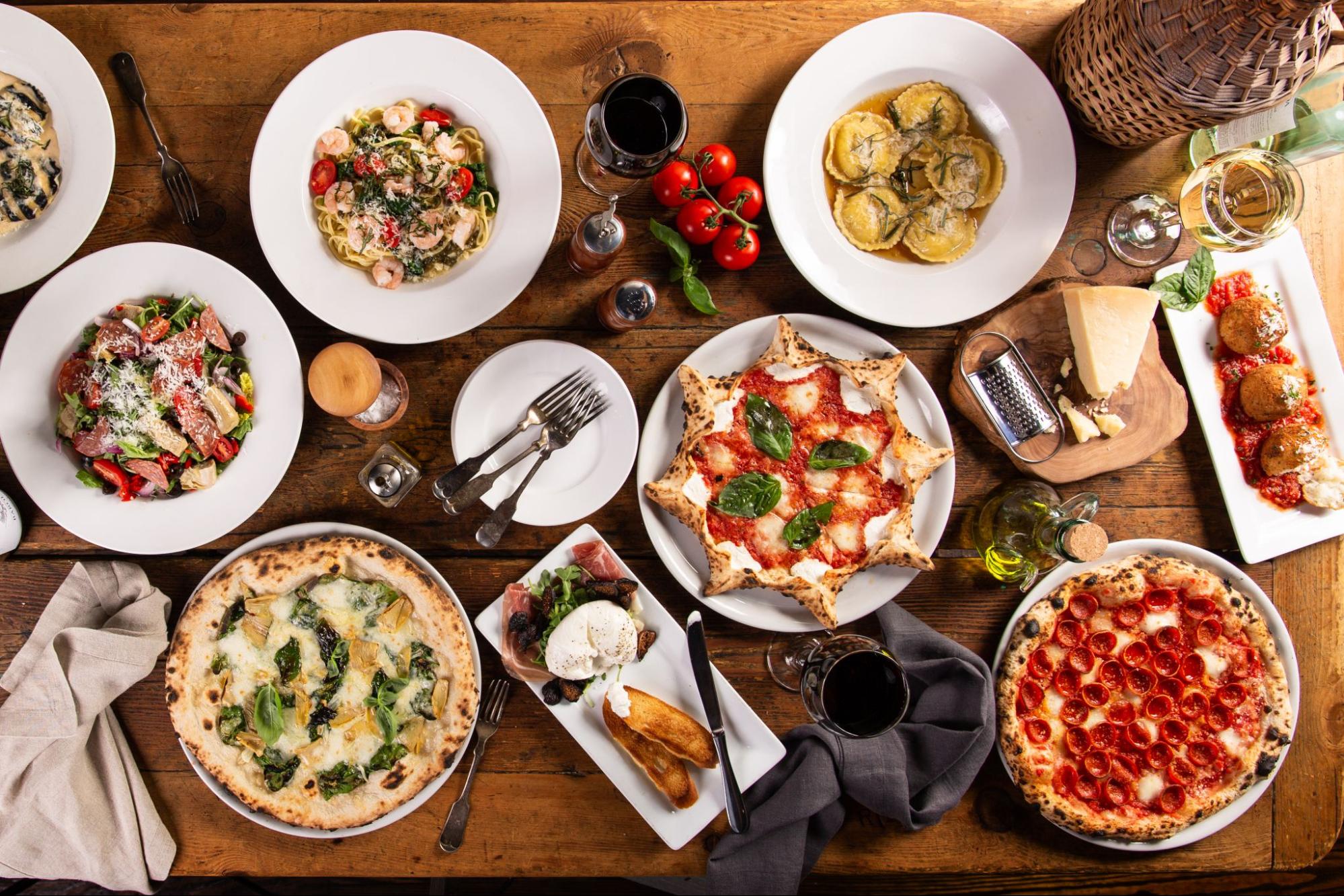

Introduction: A Culinary Celebration of Mediterranean Heritage
The culinary world is rich with diverse traditions, flavors, and techniques, but few cuisines have captured the global imagination quite like those of Italy, France, and Spain. From the humble yet versatile pasta dishes of Italy to the refined elegance of French haute cuisine and the vibrant, communal experience of Spanish paella, these iconic dishes have transcended their regional roots to become beloved staples worldwide.
Each of these culinary traditions—Italian, French, and Spanish—reflects the rich cultural and historical heritage of its country. Their influence has spread far beyond the Mediterranean, inspiring chefs and home cooks across the globe. As a result, dishes like pasta, haute cuisine, and paella have become synonymous with quality, flavor, and the art of cooking itself.
In this article, we will explore the global reverence for these iconic dishes, their origins, cultural significance, and why they continue to be celebrated and adored in kitchens and restaurants worldwide.
Part 1: Pasta – The Heart of Italian Cuisine
1.1 The Origins of Pasta: A Culinary Journey Through History
Pasta is arguably the most iconic dish in Italian cuisine, with roots tracing back to ancient civilizations. Although pasta is often associated with Italy, its origins are believed to stretch back even further, potentially influenced by the ancient Greeks, Arabs, and even the Chinese.
- Ancient Civilizations and Early Forms of Pasta: The earliest recorded history of pasta dates back to the 12th century in Sicily, where it was made from durum wheat and shaped into various forms. Some historians argue that early forms of pasta may have been influenced by the Arab introduction of dried pasta to Italy during their rule in Sicily. However, it wasn’t until the 13th century that pasta gained prominence in mainland Italy, particularly in the southern regions of Naples and Sicily.
- The Evolution of Pasta Shapes and Sauces: Over the centuries, pasta evolved in terms of shape and preparation. By the 16th century, pasta had spread throughout Italy, and numerous regional variations began to emerge. From the long, thin strands of spaghetti in the south to the stuffed pockets of ravioli in the north, Italian pasta dishes became a symbol of regional identity. Italian chefs experimented with a variety of sauces, from the rich, tomato-based marinara to the delicate, creamy Alfredo sauce.
1.2 The Cultural Significance of Pasta in Italy
In Italy, pasta is more than just food—it is a symbol of national pride, tradition, and familial connection. Nearly every region in Italy has its own distinct pasta dishes, which are often passed down through generations. For Italians, pasta is a part of everyday life, whether served at a family dinner table, a casual trattoria, or an upscale restaurant.
- Regional Pasta Varieties: In the north of Italy, for example, you’ll find rich, filled pastas like tortellini and ravioli, often served with butter-based sauces or rich meat ragùs. In the south, pasta like spaghetti, penne, and fusilli are paired with lighter sauces made from fresh tomatoes, olive oil, garlic, and herbs.
- The Italian “Pasta Etiquette”: In Italy, the way pasta is eaten also has cultural significance. For example, spaghetti is traditionally eaten with a fork, but it is considered impolite to “cut” pasta with a knife. The proper way to eat pasta, especially long strands like spaghetti, is to twirl it around the fork to take a small bite.
1.3 The Global Appeal of Pasta
Pasta’s global popularity can be attributed to its versatility, accessibility, and adaptability. Its ability to pair with virtually any ingredient—vegetables, meat, seafood, and various sauces—has made it a go-to dish in kitchens around the world. Additionally, its relatively simple preparation allows for easy adaptation, whether you’re making an elaborate multi-course meal or a quick weeknight dinner.
- The Rise of Italian-American Pasta Dishes: Italian immigrants brought their pasta recipes to America in the late 19th and early 20th centuries, where they evolved to fit local tastes. The classic “spaghetti and meatballs” or “fettucine Alfredo” are just a few examples of how pasta has been adapted to suit different cultures. These dishes have become entrenched in global food culture, even though they diverge from traditional Italian preparations.
- Global Variations and Innovations: Around the world, chefs continue to experiment with pasta, infusing it with local ingredients and flavors. For instance, in Japan, ramen has evolved into its own unique noodle dish, influenced by Chinese-style noodles but incorporating rich broths and unique seasonings. Likewise, in Mexico, pasta dishes like fideo (a noodle-based soup) are commonly found in home kitchens.
Part 2: French Haute Cuisine – The Pinnacle of Culinary Refinement
2.1 The Foundations of French Haute Cuisine
French haute cuisine is often considered the pinnacle of culinary artistry. Rooted in centuries of tradition, French cooking has been refined over generations, with an emphasis on technique, presentation, and the use of high-quality ingredients. The term “haute cuisine” refers to a style of cooking that prioritizes elaborate preparation, beautiful presentation, and exceptional attention to detail.
- The Birth of French Haute Cuisine: The origins of haute cuisine can be traced to the 17th century, when French chefs began developing sophisticated cooking techniques and presenting food in a more refined manner. The 18th-century French chef Marie-Antoine Carême is often credited as the father of haute cuisine, with his emphasis on elaborate menus, exquisite sauces, and refined presentation.
- The Influence of Auguste Escoffier: The legendary French chef Auguste Escoffier is widely regarded as one of the most significant figures in the development of modern French haute cuisine. In the late 19th century, Escoffier revolutionized French kitchens by codifying classical French cooking techniques, creating standardized recipes, and streamlining kitchen operations.
2.2 The Art of French Cooking: Technique, Elegance, and Perfection
At the heart of French haute cuisine is the focus on technique. French chefs spend years mastering the precise methods needed to create perfect stocks, sauces, and pastries. Sauces such as béchamel, hollandaise, and velouté are the foundation of French cooking, and each one requires meticulous preparation and skill.
- Classic French Techniques: French cooking techniques, such as sautéing, braising, and poaching, are essential to the preparation of high-end dishes. For example, the classic French dish coq au vin (chicken braised in red wine) involves slow cooking the chicken to tender perfection while infusing the dish with rich flavors from wine, herbs, and aromatics.
- The Importance of Presentation: In haute cuisine, the presentation of a dish is as important as its taste. Chefs use precise techniques to plate food with artistic flair, ensuring that each dish is visually stunning as well as delicious. In many fine-dining restaurants, the plating of a dish is considered an essential part of the dining experience, and chefs often use garnishes, edible flowers, and sauces to create visually intricate presentations.
2.3 The Global Influence of French Haute Cuisine
French haute cuisine has influenced the culinary traditions of many countries around the world. French techniques are taught in culinary schools globally, and chefs in many countries look to France for inspiration when developing their own culinary styles.
- French Influence in Fine Dining: Fine-dining establishments around the world often emulate French techniques, even when serving dishes from other cultures. This has led to the rise of “French fusion” cuisine, where chefs blend French culinary methods with regional ingredients and flavors from around the world.
- Michelin Stars and Global Recognition: The Michelin Guide, established in France, is considered one of the most prestigious awards in the culinary world. Michelin-starred restaurants, which adhere to the highest standards of French haute cuisine, can be found in major cities across the globe, demonstrating the widespread influence of French cooking.
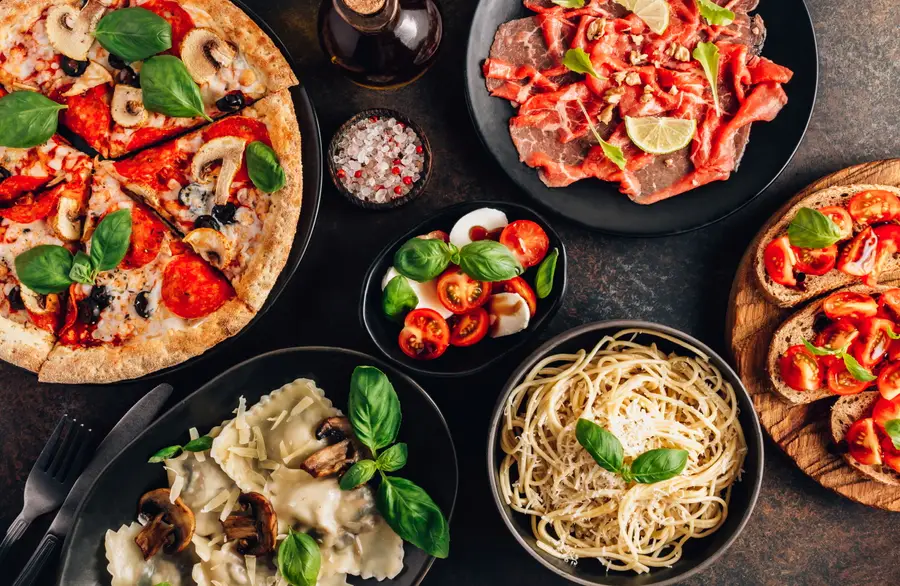
Part 3: Paella – The Quintessential Spanish Feast
3.1 The Origins of Paella: A Symbol of Spanish Culture
Paella is perhaps Spain’s most iconic dish. Originating in the region of Valencia on the eastern coast of Spain, paella has become a symbol of Spanish culture and cuisine. The dish is known for its rich flavor, vibrant color, and communal nature, as it is traditionally cooked in a large, shallow pan and served to a group of people.
- The History of Paella: The origins of paella date back to the 18th century, when it was initially prepared by rural workers in Valencia. The dish was originally made with a combination of rice, local vegetables, and a small amount of meat, such as rabbit or chicken. Over time, the dish evolved, incorporating seafood, saffron, and other regional ingredients.
- The Role of Paella in Spanish Culture: Paella is often associated with family gatherings and celebrations in Spain. It is a dish that brings people together, with friends and family gathering around a large pan to share in the meal. Paella is commonly served during festivals and national holidays, particularly in the Valencia region.
3.2 The Components of a Traditional Paella
Traditional paella is made with a base of short-grain rice, which absorbs the flavors of the ingredients while remaining firm and slightly sticky. The dish is typically cooked in a wide, shallow pan, which allows the rice to cook evenly and form a crispy crust at the bottom, known as the socarrat.
- Paella de Marisco (Seafood Paella): This version is made with a variety of seafood, such as shrimp, mussels, clams, and squid, combined with saffron, garlic, and vegetables. The result is a flavorful and aromatic dish that showcases the bounty of the Mediterranean Sea.
- Paella Valenciana (Valencian Paella): The traditional paella from the Valencia region is made with a combination of meat (typically chicken and rabbit), vegetables, and sometimes beans. The use of saffron is key to giving the dish its signature golden color and distinct flavor.
3.3 Paella’s Global Influence and Adaptations
While paella remains a quintessential Spanish dish, its influence has spread far beyond the borders of Spain. Paella restaurants can be found around the world, and many chefs have taken creative liberties with the dish, incorporating local ingredients and flavors into their versions.
- Fusion Paella: Some chefs experiment with different proteins, such as duck, pork, or even vegetarian versions of paella, reflecting the adaptability of this classic dish.
- International Popularity: In addition to Spain, paella has become popular in Latin American countries, such as Mexico and Argentina, where seafood is abundant. It has also gained a loyal following in countries like the United States, Australia, and the UK, where chefs have embraced its communal, celebratory nature.
Conclusion: Celebrating the Global Reverence for Iconic Dishes
Pasta, French haute cuisine, and Spanish paella have all achieved global recognition due to their rich flavors, historical significance, and cultural relevance. Each of these dishes represents the culinary heritage of its respective country while offering an opportunity for creativity, adaptation, and innovation.
As these dishes continue to evolve and inspire chefs around the world, they remain symbols of the art of cooking, the beauty of tradition, and the joy of sharing food with others. Whether enjoyed in Italy, France, Spain, or across the globe, pasta, haute cuisine, and paella are not just meals—they are experiences that bring people together and celebrate the universality of great food.