






Introduction
Hummus is one of the most beloved and iconic dishes in the Middle Eastern cuisine and is particularly cherished in Lebanon. Its simple yet complex flavor profile has made it a staple in homes, restaurants, and street food stalls across the region and the world. As a dish that has transcended geographical borders, hummus stands as a testament to the rich history and vibrant flavors of the Levantine region, encompassing Lebanon, Syria, Jordan, and Palestine.
This article delves into the history, cultural significance, preparation techniques, and modern-day variations of Lebanese hummus. We will explore how this dish, which is primarily made from chickpeas, tahini, olive oil, and lemon juice, has evolved into a global favorite while maintaining its deeply rooted significance in Lebanese traditions.
1. The Origins of Hummus: A Tale of Tradition and Debate
1.1 Historical Roots of Hummus
The exact origin of hummus is one of the most fiercely debated topics in the food world. Various countries in the Levant, including Lebanon, Syria, and Palestine, claim to be the birthplace of this dish. Despite the debate over its true origin, hummus has long been a part of the culinary fabric of the Middle East.
The Lebanese Connection
In Lebanon, hummus is not just a dish; it is a cultural emblem. It has been a staple in Lebanese households for centuries, where it is traditionally served as part of a mezze platter, a collection of small appetizers that also includes dishes like tabbouleh, falafel, and labneh. Lebanese cuisine is renowned for its emphasis on fresh, vibrant ingredients, and hummus fits perfectly within this tradition.
- Origins in Ancient Times: The first written recipes for a dish resembling hummus can be traced back to the medieval Arab world, specifically from the 13th century. Some scholars believe the dish may have been made even earlier, as chickpeas have been cultivated in the region for millennia.
- The Spread of Hummus: Over time, hummus spread throughout the Middle East and North Africa, becoming a beloved dish in both urban and rural kitchens.
1.2 The Great Hummus Debate
The debate surrounding the origin of hummus is more than just a culinary discussion; it has become a symbolic issue in the broader context of national identity. While Lebanon, Syria, and Palestine all claim to have invented hummus, Lebanon’s claim holds significant weight due to the dish’s deep cultural integration into Lebanese meals.
Regardless of the debate, hummus continues to unite the people of the Middle East with its universal appeal and humble yet flavorful ingredients.
2. The Ingredients and Preparation of Lebanese Hummus
2.1 The Core Ingredients
The essential components of hummus are remarkably simple, yet together they create a flavor that is rich, creamy, and satisfying. The key ingredients include:
- Chickpeas (Garbanzo Beans): The base of hummus, chickpeas are naturally creamy and rich in flavor. These beans are high in protein and fiber, making hummus not only delicious but also nutritious.
- Tahini: Tahini is a paste made from ground sesame seeds, and it imparts a rich, nutty flavor that is essential to hummus. It provides smoothness and a deeper, complex flavor.
- Olive Oil: A high-quality extra-virgin olive oil adds richness and a smooth texture to hummus while balancing out the earthiness of the chickpeas and tahini.
- Lemon Juice: Fresh lemon juice brightens the dish, adding acidity that enhances the overall flavor profile and creates a balance between richness and freshness.
- Garlic: Garlic adds depth and warmth to the dish, though its intensity is usually adjusted to personal preference.
- Salt and Cumin: These seasonings provide a savory base for the hummus, with cumin sometimes added for a slight earthiness and smokiness.
2.2 Preparation Methods
While the basic ingredients remain the same, there are various ways to prepare hummus, and the method often varies from family to family or restaurant to restaurant in Lebanon.
- Boiling Chickpeas: In the traditional method, dried chickpeas are soaked overnight and then boiled until soft. Some people remove the skins from the chickpeas to ensure an ultra-smooth texture, but this is optional.
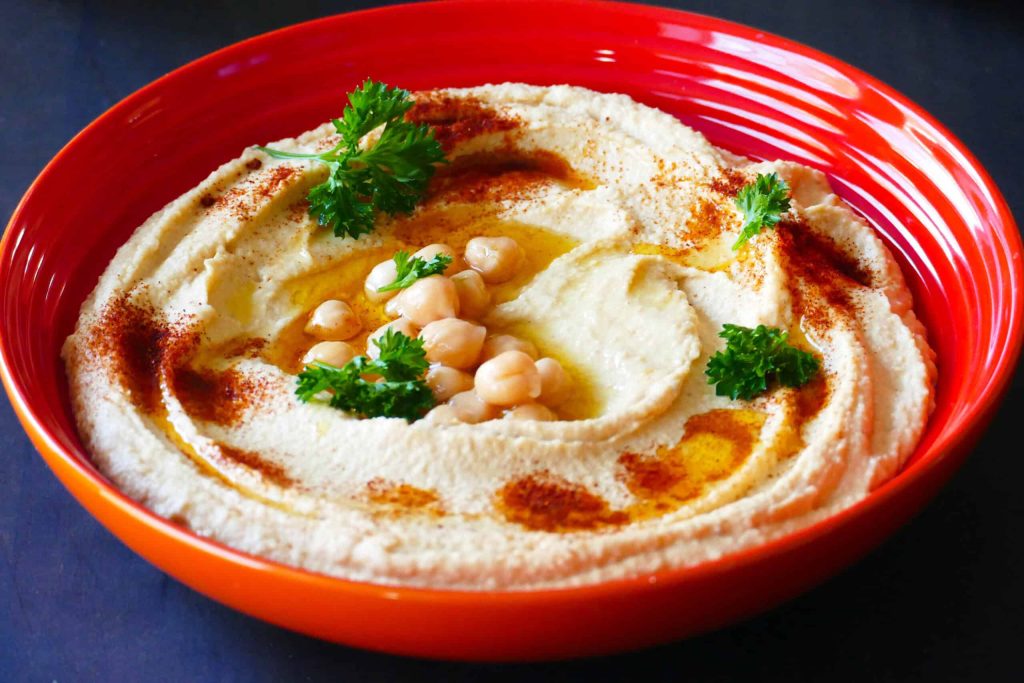
- Blending the Ingredients: Once the chickpeas are soft, they are blended with tahini, olive oil, lemon juice, garlic, and salt until smooth. The mixture is then served with a drizzle of olive oil and a sprinkle of cumin or parsley on top.
- Alternative Methods: Some modern recipes use canned chickpeas, which saves time but can alter the final texture of the hummus. Additionally, some chefs opt for adding ingredients like yogurt, pine nuts, or pomegranate seeds for a unique twist.
2.3 The Art of Serving
In Lebanon, hummus is typically served as part of a mezze platter, alongside other traditional dishes like tabbouleh, baba ganoush, falafel, and labneh. It is commonly paired with fresh pita bread or vegetables such as carrot sticks, cucumbers, and tomatoes.
- Presentation: The presentation of hummus is a critical aspect of its enjoyment. It is often served in a shallow bowl, topped with a generous drizzle of olive oil and garnished with paprika, parsley, or sumac.
3. Hummus in Lebanese Culture and Cuisine
3.1 The Role of Hummus in Lebanese Meals
In Lebanon, hummus is more than just a dish; it is part of a lifestyle. It is consumed not only at home but also in cafes, restaurants, and even on the streets. Its significance extends beyond just nourishment—it is about community, hospitality, and tradition.
- Hummus as a Mezze: Mezze is the heart of Lebanese dining culture, where a variety of small dishes are shared among family and friends. Hummus is often the star of the mezze platter, alongside other favorites like mujaddara (lentils and rice), falafel, and kibbeh (bulgur wheat and minced meat).
- Lebanese Hospitality: Offering a plate of hummus to guests is a gesture of hospitality, a way to welcome friends and family into the home. This reflects the Lebanese tradition of generosity and the importance of food in fostering community and connections.
3.2 Modern-Day Popularity
Over the years, hummus has become a global phenomenon. Its health benefits, versatility, and simplicity have led to its widespread popularity in various parts of the world, from North America to Europe and beyond. Hummus is now commonly available in supermarkets, and it is often used as a snack, a dip, or a spread.
- Health Benefits: Hummus is known for its nutritional value, being high in protein, fiber, and healthy fats. It is also naturally vegan and gluten-free, making it a popular choice for health-conscious eaters and those with dietary restrictions.
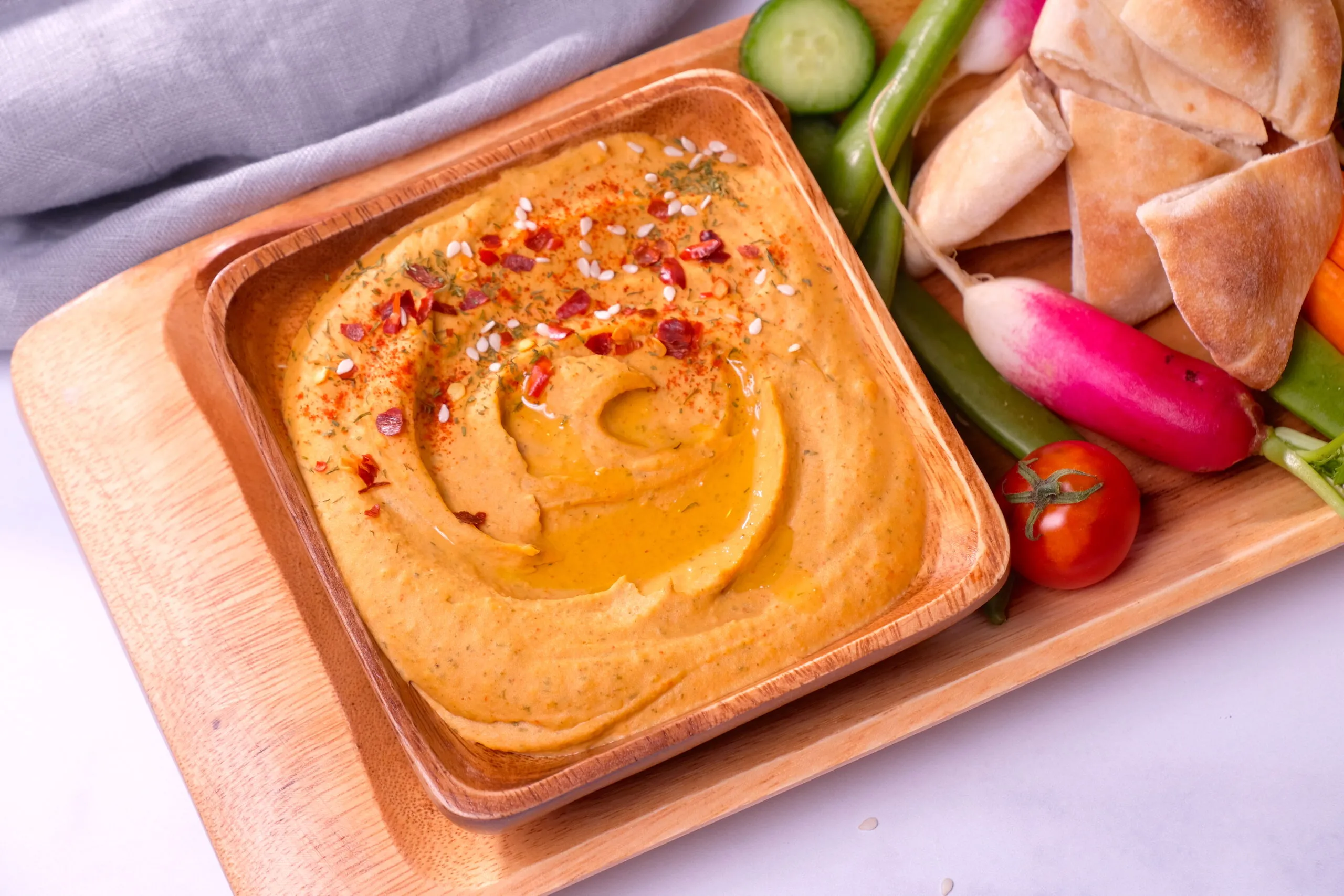
- Hummus Trends: Modern variations of hummus, such as red pepper hummus, beetroot hummus, and even chocolate hummus, have emerged in response to global culinary trends. While these variations offer a new twist, traditional Lebanese hummus remains the gold standard.
4. Variations of Hummus Around the Middle East
4.1 Hummus Variations in Lebanon
While the traditional hummus recipe remains beloved, Lebanon has its own regional twists and variations. For example:
- Hummus Beiruti: A spicier version of the classic hummus, made by adding extra garlic, lemon juice, and chili peppers to the mix.
- Hummus with Meat: A variation where cooked lamb or beef is added on top of the hummus, often garnished with pine nuts or slivers of almonds.
- Hummus with Mushrooms: Sautéed mushrooms are sometimes added as a topping, giving the hummus a hearty, earthy flavor.
4.2 Hummus Across the Levant
Hummus varies slightly across the Levantine countries, with each region contributing its own local twist. In Syria and Jordan, for example, hummus may be prepared with different garnishes such as pomegranate seeds, while in Palestine, the dish is often served with ground lamb and pine nuts.
5. The Future of Hummus: Global Recognition and Evolution
5.1 Hummus on the World Stage
As the global food scene continues to evolve, hummus remains one of the most recognizable dishes from the Middle East. In recent years, it has seen a surge in popularity, particularly due to its association with healthy eating and the growing trend of plant-based diets.
5.2 Preserving Tradition While Embracing Innovation
While hummus continues to be an essential part of Lebanese food culture, it is also being embraced in modern kitchens around the world. Food innovations like flavored hummus, hummus bowls, and hummus-based dishes continue to evolve, allowing the classic dish to retain its heritage while adapting to new tastes and trends.
Conclusion
Hummus, in all its forms, stands as a symbol of Lebanese heritage and the broader Middle Eastern culinary tradition. From its humble origins to its global acclaim, this simple yet profound dish continues to bring people together, whether enjoyed in a Lebanese family home, a bustling market in Beirut, or a café in New York City. It is more than just food; it is a cultural experience, one that reflects the rich history, hospitality, and diversity of Lebanon and the Middle East as a whole.
By exploring its origins, ingredients, and cultural significance, we gain a deeper understanding of the dish that has become a true global ambassador for Lebanese cuisine.