






Introduction
When traveling to Morocco, one of the most authentic and memorable culinary experiences is the chance to sample tagine, the traditional slow-cooked stew that embodies the flavors and culture of this North African country. But where should you go to experience this iconic dish? While fine-dining restaurants and hotels may offer delicious renditions of Moroccan food, traditional Moroccan markets and countryside restaurants are often the true places where you can savor tagine in its most authentic form.
In this article, we will delve into the vibrant markets of Morocco and the charming country inns, both of which serve as windows into the soul of Moroccan culinary tradition. By exploring these spaces, you will discover not only the best places to enjoy tagine but also the intricate cultural and social dynamics that influence its preparation and consumption.
1. The Essence of Moroccan Cuisine: Tagine and Its Significance
1.1 What Is Tagine?
Tagine is more than just a dish; it is a symbol of Moroccan culinary artistry, representing centuries of history, tradition, and flavors passed down through generations. It is a slow-cooked stew typically made in a tagine pot, which is a traditional earthenware vessel with a conical lid that locks in moisture and flavor. The dish can feature a variety of ingredients, from tender lamb or chicken to vegetables, dried fruits, and aromatic spices like cumin, saffron, and cinnamon.
- Lamb Tagine with Prunes: A classic dish, where lamb is slow-cooked with dried prunes, almonds, and a blend of spices, balancing rich flavors with a hint of sweetness.
- Chicken Tagine with Preserved Lemons and Olives: A quintessentially Moroccan combination of tangy, salty, and savory flavors, where chicken is cooked alongside preserved lemons and briny olives.
- Vegetarian Tagine: In many Moroccan households, a tagine might be made using only vegetables like carrots, sweet potatoes, and zucchini, with chickpeas and raisins for added richness.
While tagine is found in various restaurants worldwide, there’s nothing quite like tasting it in the country where it originated, especially when prepared in the places that truly reflect Moroccan culture and heritage.
2. The Heart of Moroccan Culture: The Traditional Markets (Souks)
2.1 The Role of Souks in Moroccan Life
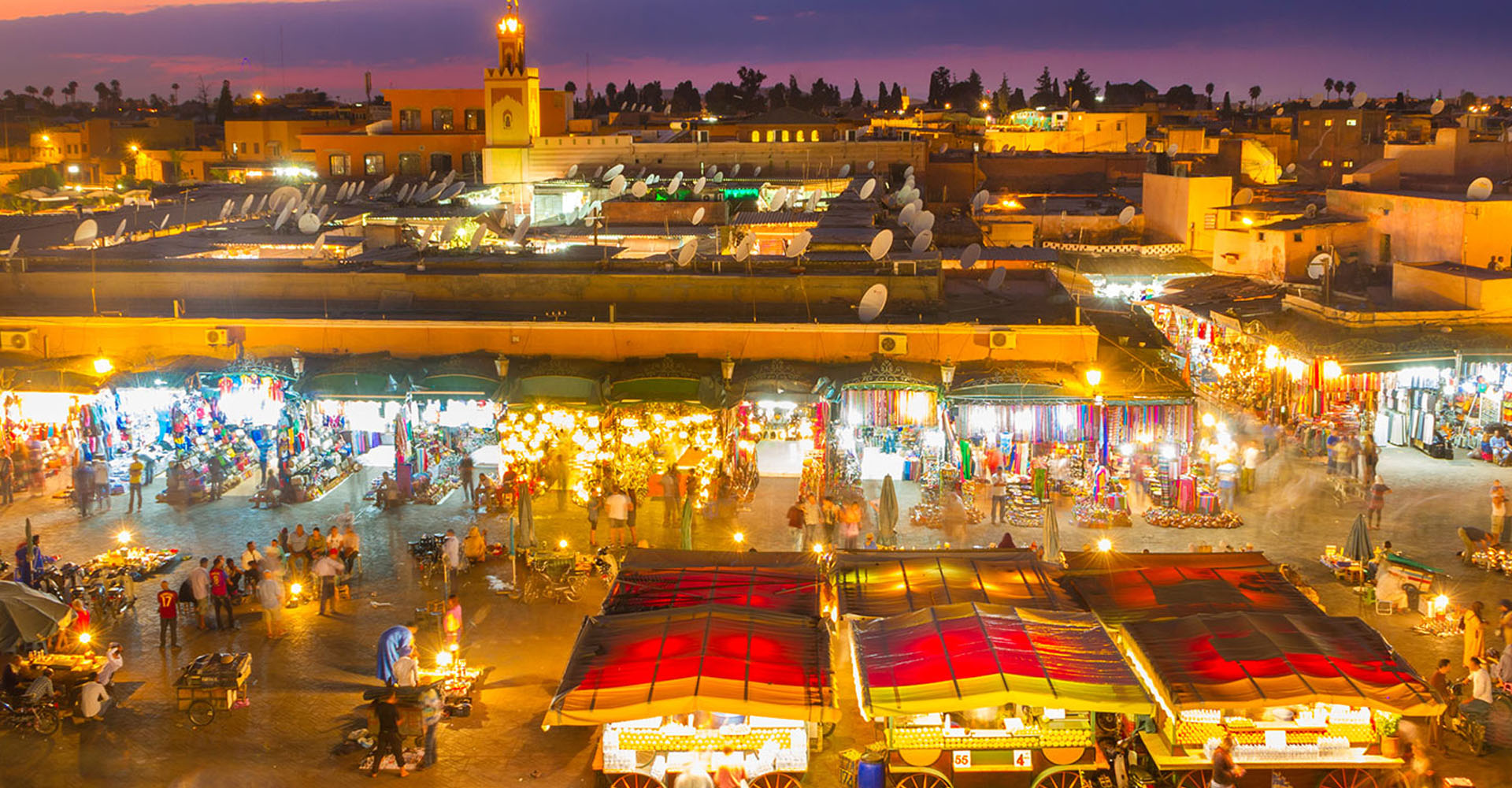
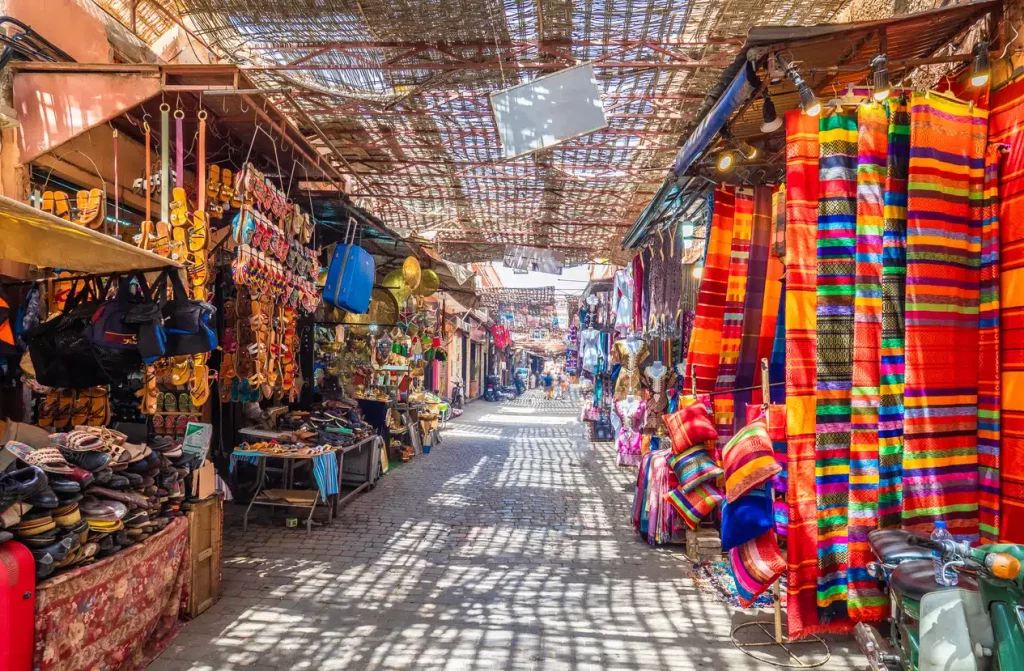
In Morocco, the souk (market) is more than just a place to shop—it’s the beating heart of local culture. The souk serves as a social space, a marketplace, and a culinary hub, where local ingredients are bought and sold, and where the traditions of Moroccan cuisine come alive. Markets in Morocco are a sensory overload, filled with the smell of spices, the sound of haggling, and the vibrant colors of produce, textiles, and pottery.
- Marrakech Souk: One of the most famous souks in Morocco, located in the heart of the city’s medina, the Marrakech souk is a maze of narrow streets filled with stalls selling everything from fresh herbs and spices to intricate lamps and ceramics. Here, visitors can find the freshest cumin, paprika, and ras el hanout, which are essential for a good tagine.
- Fes Souk: Fes, known for its ancient medina, boasts a souk where you can purchase the finest olive oil, dates, and preserved lemons, all ingredients used in Moroccan tagines.
2.2 How Markets Influence Moroccan Cuisine
Markets play a critical role in the preparation of tagine by offering fresh, local ingredients that vary by season. The spices and herbs used in Moroccan cuisine, like mint, coriander, cumin, and cinnamon, are not only purchased in the souks but are also a vital part of Morocco’s culinary identity.
- Seasonality: The variety of ingredients available in the souks changes with the seasons. During the winter months, root vegetables like carrots, sweet potatoes, and turnips are abundant, making them ideal for hearty, slow-cooked tagines. In the spring and summer, fresh fruits like apricots, plums, and dates are common additions to the dish.
- Fresh Meat: In the markets, you’ll often find stalls where meat is sold fresh and often butchered on-site. Local butchers are a key part of the Moroccan food culture, and it is here that you’ll find the finest cuts of lamb, chicken, and beef for your tagine.
3. Countryside Restaurants: A Quiet Escape into Moroccan Traditions
3.1 The Charm of Rural Dining
Beyond the bustling streets of Morocco’s cities lie the quiet, picturesque countryside restaurants that offer a deeper connection to the country’s culinary heritage. These establishments, often located in rural settings such as the Atlas Mountains or near small villages, provide a unique experience of Moroccan hospitality and traditional cooking.
- Riad Dining: In rural areas, riads (traditional Moroccan houses with interior courtyards) often double as guesthouses and restaurants. These intimate spaces typically serve family-style meals, including tagine, in a traditional setting that emphasizes local ingredients and flavors.
- Guesthouses in the Atlas Mountains: Small rural hotels or guesthouses in the Atlas Mountains serve guests in a traditional way, often with meals cooked over wood fires. Here, the tagine is more than a dish; it is part of the authentic experience of staying in the mountains, where food is deeply intertwined with nature and local culture.
3.2 The Slow-Cooked Experience
In the countryside, tagine is often prepared the way it was hundreds of years ago—slow-cooked over a wood fire, allowing the meat to become tender and the flavors to meld together. This method of cooking is not only about flavor but also about the experience of patience and tradition.
- Traditional Cooking Methods: In rural areas, tagine is sometimes cooked in an open-fire oven, where the ingredients simmer for hours, intensifying the flavors. The clay tagine pot helps to evenly distribute heat, ensuring that the food cooks slowly and absorbs all the spices and herbs.
- Community Dining: Meals in the countryside are often a communal experience. A large family-style tagine is served in the middle of the table, where everyone shares the meal, reinforcing the values of togetherness and hospitality that are central to Moroccan culture.
4. Experiencing Tagine in Moroccan Villages and Small Towns
4.1 Discovering Local Hidden Gems
While large cities like Marrakech, Casablanca, and Fes are home to fine dining establishments, it’s in the smaller towns and villages where some of the best authentic tagine can be found. These hidden gems offer a more intimate and local experience, often at a fraction of the cost of city restaurants.
- Imlil: A mountain village in the Atlas Mountains, Imlil offers breathtaking views and delicious tagine served in local inns. Here, tagine is often made using locally sourced lamb and slow-cooked with mountain herbs and wildflowers.
- Chefchaouen: Known as the Blue City, Chefchaouen in northern Morocco is famous not only for its vibrant blue streets but also for its rustic tagines made with fresh, local ingredients and served in cozy, family-run restaurants.
4.2 The Role of the Local Chef
In the countryside, chefs are often locals who have inherited their culinary skills from their families. They take great pride in preparing dishes passed down through generations, making each tagine an expression of local history and culture.
- Family Recipes: Many chefs in rural Moroccan restaurants use recipes that have been passed down through multiple generations. These recipes may include unique spice combinations, distinct techniques, and local variations that add character to each dish.
5. Tips for Enjoying Tagine in Morocco
5.1 How to Order and Enjoy Tagine Like a Local
Eating tagine in Morocco is not just about the food; it’s about the experience. To fully enjoy the dish, here are some tips to ensure you get the most out of your meal:
- Don’t Rush: Tagine is a dish meant to be savored slowly. In Morocco, meals are long and leisurely, so take your time to enjoy each bite.
- Use Traditional Utensils: In many rural restaurants, you’ll be encouraged to eat with your hands, using flatbread to scoop up the food from the tagine pot. It’s a fun, communal experience that reflects Moroccan dining culture.
- Pairing with Moroccan Tea: After your meal, don’t miss out on traditional Moroccan mint tea, a refreshing, sweet beverage that helps balance the richness of the tagine.
5.2 Respecting Local Dining Etiquette
Moroccan dining etiquette is centered on hospitality and respect. When dining in a Moroccan market or countryside restaurant, remember:
- Always Accept Food: If offered, always accept food as a sign of respect and gratitude.
- Share the Meal: Meals are often shared among family members or guests, so be prepared to join in the communal dining experience.
Conclusion
Moroccan tagine is more than just a dish; it is a story of culture, history, and tradition. The best way to experience this iconic food is not in a tourist-oriented restaurant, but rather in the traditional souks and countryside restaurants where it is prepared and enjoyed with the same reverence it has been for centuries. Whether you’re savoring tagine in the bustling souks of Marrakech or at a cozy family-run guesthouse in the Atlas Mountains, these authentic dining experiences allow you to connect with the essence of Moroccan cuisine and culture in a way that no city restaurant can replicate.
For any traveler or food enthusiast, experiencing tagine in its traditional settings is a journey that will enrich your understanding of Morocco and its extraordinary culinary legacy.