





Introduction
When it comes to fine dining, few cultures can rival the elegance and refinement of French cuisine. Renowned for its meticulous techniques, exceptional ingredients, and rich culinary history, French gastronomy is often seen as the gold standard for haute cuisine. From classic French dishes to the innovative creations of contemporary chefs, the art of French cooking continues to influence kitchens around the world.
At its core, French cuisine is about more than just food; it is a celebration of culture, tradition, and artistry. From the humble beginnings of rustic French fare to the haute-cuisine sophistication of Michelin-starred restaurants, France’s culinary heritage has set the bar for culinary excellence. This article will explore the essence of French cuisine, its techniques, the influence of French culinary philosophy on global dining, and the cultural significance of dining in France.
1. The History and Evolution of French Cuisine
1.1 The Origins of French Cooking
The roots of French cuisine stretch back to the medieval period when royalty and the nobility were the primary consumers of elaborate and sophisticated food. The aristocracy began to patronize chefs, and the demand for fine food set the stage for the elaborate dining traditions that would later define French cuisine.
- Medieval French Cuisine: In the medieval era, French cooking was rich in roasted meats, stews, and sauces made with herbs and spices imported from across Europe and the Middle East.
- Renaissance Influence: During the Renaissance, Italian cuisine influenced French cooking, particularly in the court of Catherine de Medici, the Italian princess who married Henry II of France. This era saw the introduction of pastry, sauces, and refined dishes.
1.2 The Birth of Haute Cuisine
By the 17th and 18th centuries, the rise of the French aristocracy fueled the development of a more sophisticated and refined culinary culture. The “Haute Cuisine” style emerged under the influence of chefs such as Marie-Antoine Carême and Auguste Escoffier.
- Marie-Antoine Carême: Known as the “king of chefs,” Carême revolutionized French cooking with his elaborate presentations and grandiose dishes, perfecting the use of sauces and mousses.
- Auguste Escoffier: Often referred to as the “father of modern French cuisine,” Escoffier streamlined Carême’s work, codified many French cooking techniques, and introduced the brigade system in professional kitchens.
1.3 French Cuisine in the Modern Era
French cuisine continued to evolve in the 20th century, influenced by global ingredients and the rise of Michelin-star restaurants. Chefs such as Paul Bocuse, Joël Robuchon, and Alain Ducasse carried the torch of classic French cooking while experimenting with new techniques and flavors. Today, French cuisine remains a benchmark for professional chefs worldwide.
2. The Fundamentals of French Cooking Techniques
2.1 The Art of French Sauces
One of the most iconic aspects of French cuisine is its sauces. French sauces serve as the foundation for many dishes, elevating their flavors and adding depth and complexity. The “mother sauces” are the cornerstone of French cooking.
- Béchamel: A creamy white sauce made from butter, flour, and milk. It’s often used in gratin dishes like croque-monsieur.
- Velouté: A smooth sauce made from a roux (butter and flour) and chicken or fish stock. It serves as the base for many delicate dishes.
- Espagnole: A rich brown sauce made from beef stock, tomato paste, and roux. It’s often used for roast meats.
- Hollandaise: A buttery sauce made with egg yolks and lemon juice, often served with eggs Benedict or asparagus.
- Tomato Sauce: A basic sauce made from tomatoes, herbs, and stock, frequently used in pasta and braised dishes.
2.2 Knife Skills: Precision and Technique
French chefs are renowned for their knife skills, which are essential for preparing ingredients with precision. Whether it’s julienning vegetables or mincing herbs, the ability to cut ingredients consistently and accurately is crucial in French cooking.
- Julienne: Cutting vegetables into thin strips for salads, stir-fries, or garnishes.
- Brunoise: A fine dicing technique for vegetables, used in sauces and soups.
- Chiffonade: A method of slicing leafy herbs or vegetables into thin ribbons, perfect for garnishing.
2.3 The Importance of Stocks and Broths
A key element in French cooking is the preparation of stocks or broths. These rich and flavorful liquids serve as the base for many soups, sauces, and stews.
- Brown Stock (Fond Brun): Made from beef or veal bones, roasted and then simmered for hours to extract flavors.
- White Stock (Fond Blanc): Made from poultry or fish, this stock is lighter and used in more delicate dishes.
- Chicken Broth: Used in a variety of French soups and sauces, especially in coq au vin and pot-au-feu.
3. Key Ingredients in French Cuisine
3.1 The Role of Fresh, High-Quality Ingredients
In French cooking, the focus is always on fresh, seasonal ingredients. French chefs emphasize using the best quality produce, meats, seafood, and cheeses, often sourced locally or regionally.
- Produce: France’s varied climates allow for a rich selection of vegetables and fruits, from the vineyards of Bordeaux to the lavender fields of Provence.
- Cheese: France boasts an extraordinary variety of cheeses, including brie, camembert, roquefort, and comté.
- Herbs and Spices: Herbs de Provence, tarragon, and thyme are staples in French cooking, adding fragrance and flavor to sauces, stews, and roasts.
3.2 French Pastry: A Sweet Legacy
French pastry is another cornerstone of its culinary culture, from delicate croissants to luxurious tarts and éclairs. The art of pastry-making in France is considered a fine art, requiring years of training and experience.
- Croissants: Flaky, buttery pastries often enjoyed with a cup of coffee for breakfast.
- Éclairs: A choux pastry filled with pastry cream, typically covered with fondant icing.
- Tarte Tatin: An iconic upside-down caramelized apple tart, showcasing the French mastery of desserts.
4. The French Dining Experience: Etiquette and Presentation
4.1 The French Meal Structure
The French take their meals seriously, with a strict structure for formal dining. A traditional French meal is divided into several courses:
- Entrée: The first course, which could be a soup or a light appetizer like foie gras or escargot.
- Plat Principal: The main course, often involving a rich meat dish such as boeuf bourguignon or duck confit.
- Fromage: A selection of French cheeses, typically served with bread after the main course.
- Dessert: The sweet course, which may include crème brûlée, mousse au chocolat, or a tarte aux fruits.
- Café: The final course of the meal, often served with a small liqueur.
4.2 Presentation and Plating
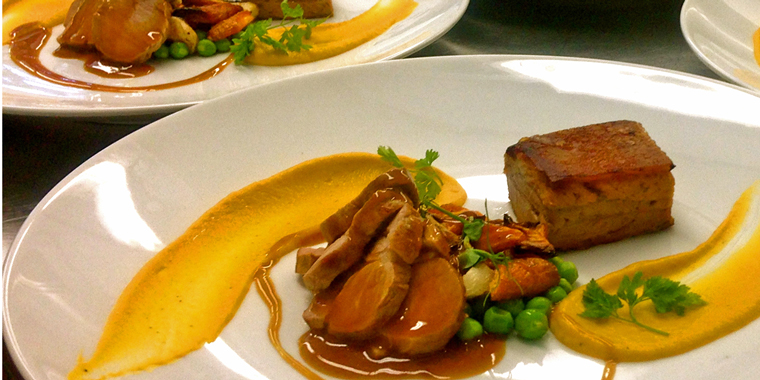
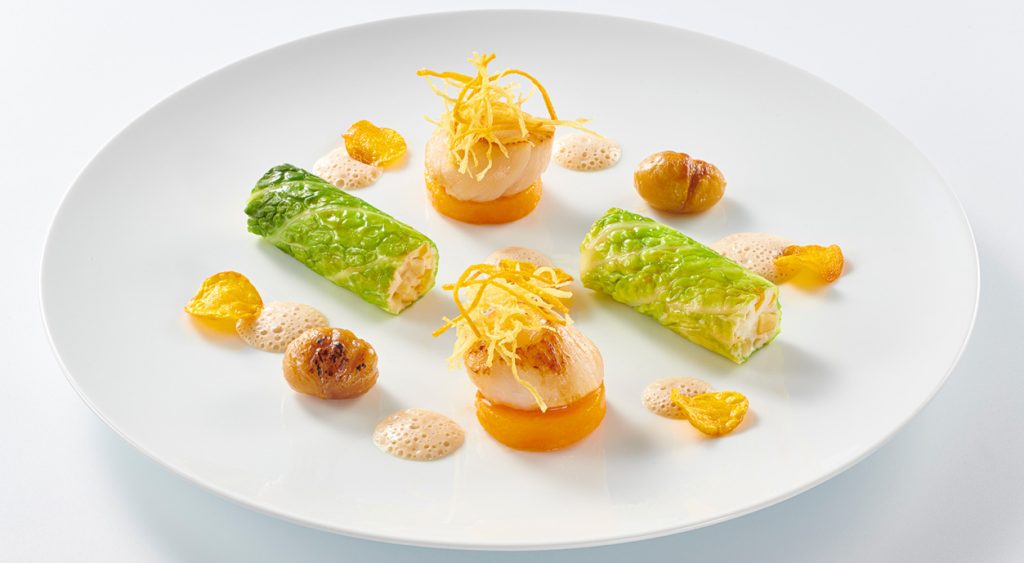
In French cuisine, presentation is as important as taste. Dishes are carefully plated, with an emphasis on balance, color, and texture. Professional chefs take great care to ensure each plate is aesthetically pleasing.
- Minimalist Design: In haute cuisine, presentation often favors a minimalist approach, allowing the ingredients to shine.
- Garnishing: Fresh herbs, microgreens, and edible flowers are often used to add a pop of color and enhance the visual appeal of the dish.
4.3 The Ritual of French Dining Etiquette
Dining in France is a social experience, with strict etiquette that should be followed:
- Table Manners: It’s customary to keep both hands on the table (but not elbows). Use a fork for most dishes, and never start eating until everyone at the table has been served.
- Wine Pairing: Wine is an integral part of the French dining experience. Each course is typically paired with a wine that complements the flavors of the dish.
Conclusion
French cuisine is much more than just food; it is a reflection of art, history, and culture. From its intricate techniques and attention to detail to the celebration of fresh, quality ingredients, French gastronomy remains the benchmark for culinary excellence. Whether enjoyed in a rustic bistro in Paris or a fine-dining restaurant in the countryside, French cuisine continues to offer an unparalleled dining experience, steeped in tradition and elegance.
By understanding the history, techniques, and cultural importance of French cooking, anyone can appreciate the refinement and artistry that make French cuisine a symbol of gastronomic perfection.