





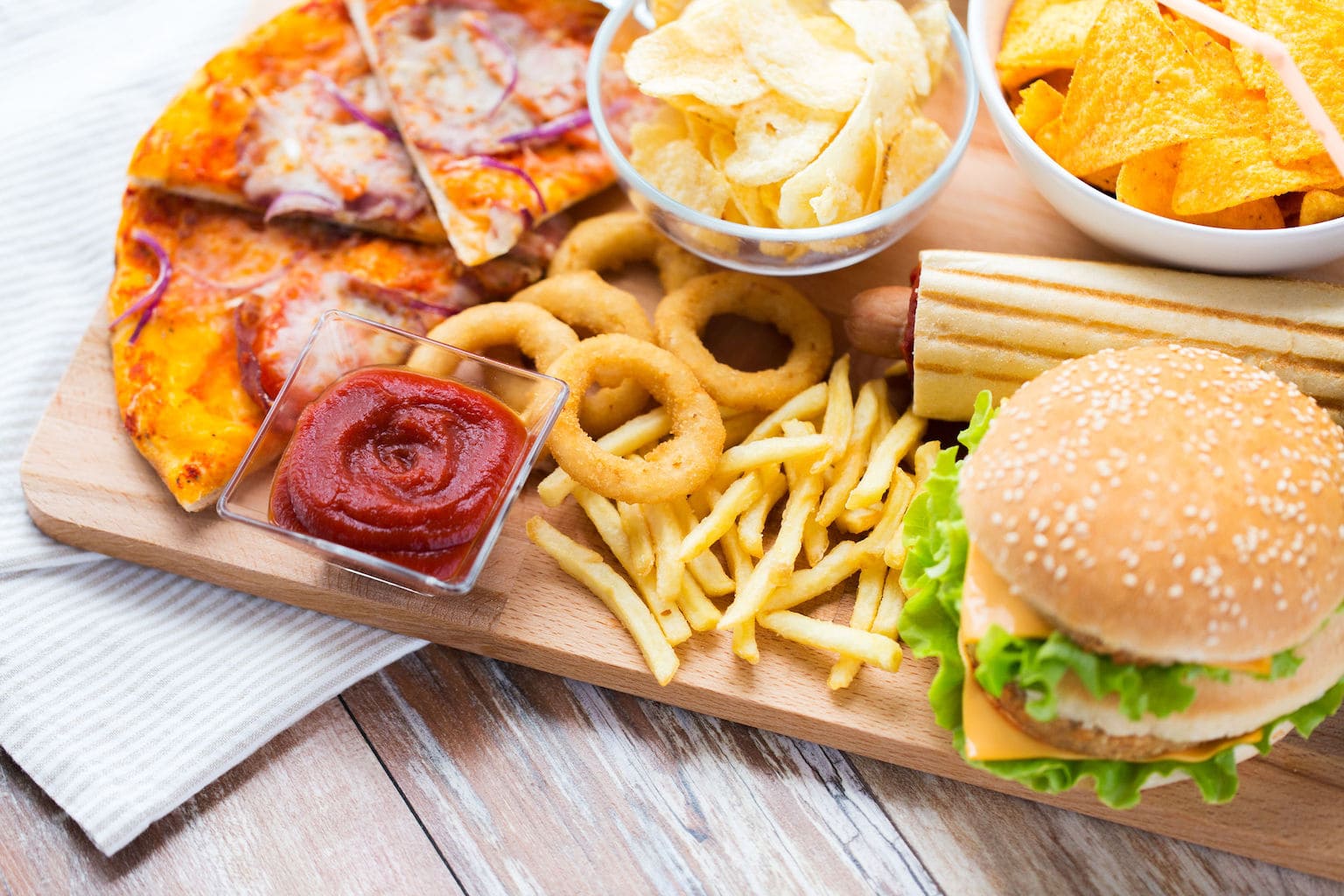

Introduction: Fast Food as a Hallmark of Modern Civilization
Few phenomena illustrate the transformation of modern society as clearly as the rise of fast food culture. What began as a practical response to urbanization and industrial labor has grown into a global system that shapes eating habits, lifestyles, labor structures, cultural identities, and even social values. Fast food is no longer merely about speed or affordability; it has become a symbol of modernity, efficiency, and globalization.
From roadside diners and street vendors to multinational fast food corporations operating in nearly every corner of the world, fast food culture reflects profound changes in how societies organize time, work, family life, and consumption. At the same time, it has generated intense debates surrounding health, environmental sustainability, cultural homogenization, and social inequality.
This essay examines the rise of fast food culture from a comprehensive and professional perspective. By exploring its historical origins, economic foundations, social and cultural impacts, global expansion, technological transformations, and future challenges, we can better understand how fast food both mirrors and shapes the modern world.
I. Early Foundations: The Human Need for Speed and Convenience
1. Fast Food Before the Modern Age
Although fast food is commonly associated with the 20th century, the concept of quickly prepared, affordable meals has existed for thousands of years. In ancient cities, many residents lacked private kitchens, relying instead on public food vendors. In ancient Rome, thermopolia sold ready-to-eat dishes to workers and travelers, fulfilling the same basic function as modern fast food outlets.
Similarly, in medieval towns across Asia, the Middle East, and Europe, street food stalls provided quick nourishment to merchants, laborers, and pilgrims. These early food systems demonstrate that fast food culture arose from a recurring social need: feeding large populations efficiently in dense urban environments.
2. Urbanization and the Value of Time
As societies grew more complex, time became an increasingly valuable resource. Urban centers required systems that allowed people to eat without disrupting work schedules. Speed, affordability, and accessibility gradually became defining features of food provision, laying the groundwork for modern fast food culture.
II. Industrialization and the Birth of Modern Fast Food
1. The Industrial Revolution and Social Transformation
The Industrial Revolution marked a turning point in food culture. Mass migration to cities, factory labor, and rigid work hours reduced the time available for home cooking. Food consumption adapted accordingly, prioritizing efficiency and calorie density.
Industrialization also introduced mechanization, standardization, and division of labor—principles that would later define the fast food industry. These changes transformed food from a domestic, time-intensive activity into a commodity optimized for productivity.
2. The Emergence of Standardized Food Production
Advances in food preservation, transportation, and processing enabled the large-scale production of uniform meals. This standardization ensured consistent quality and reduced preparation time, making fast food economically viable and scalable.
Food began to resemble industrial products: predictable, replicable, and optimized for speed.
III. The American Model and the Fast Food Revolution
1. Automobile Culture and Roadside Dining
The United States played a central role in shaping modern fast food culture. The rapid growth of automobile ownership in the early 20th century transformed eating habits. Roadside diners, drive-ins, and takeout counters catered to mobile consumers who valued speed and convenience.
These establishments aligned perfectly with a society increasingly oriented toward mobility and individualism.
2. Assembly-Line Logic in the Kitchen
One of the most influential innovations in fast food history was the application of assembly-line principles to food preparation. Tasks were broken down into simple, repetitive steps, reducing skill requirements and preparation time.
This system maximized efficiency while minimizing costs, allowing businesses to serve large numbers of customers quickly. It also redefined cooking as a mechanical process rather than a creative or artisanal craft.
3. Franchising and Corporate Expansion
Franchising enabled fast food brands to expand rapidly while maintaining consistent standards. Consumers could expect the same menu, taste, and service regardless of location. This predictability became a cornerstone of fast food culture, appealing to customers seeking reliability in an increasingly complex world.
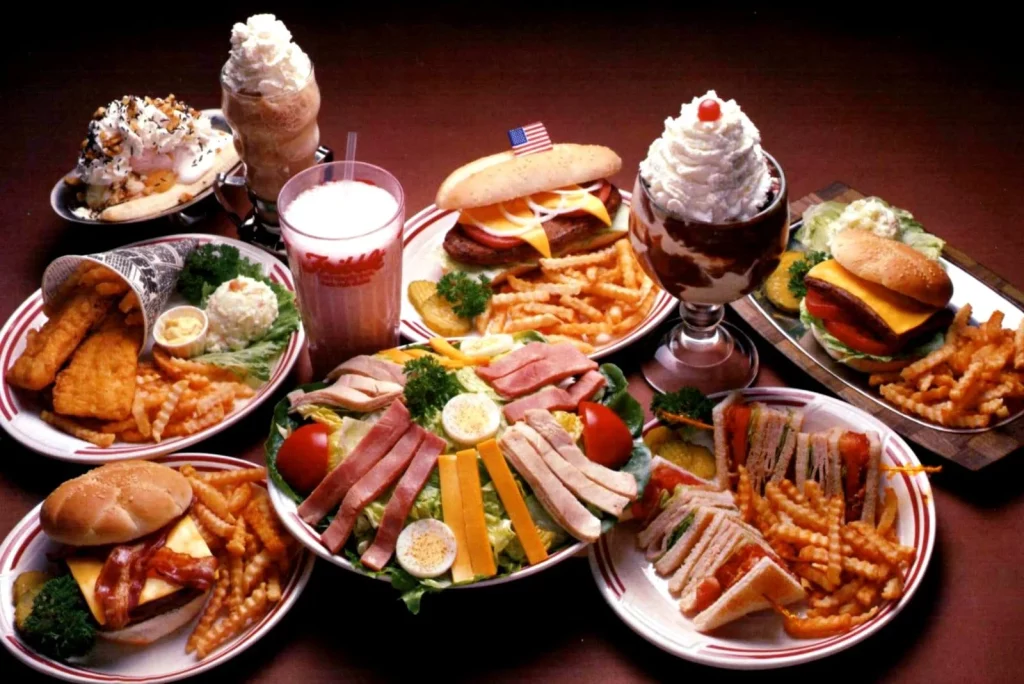
IV. Fast Food and the Transformation of Daily Life
1. Changing Meal Structures
The rise of fast food altered traditional meal patterns. Fixed meal times and family dining rituals gradually gave way to flexible, individualized eating schedules. Meals became shorter, more functional, and often consumed alone.
Fast food culture both reflected and reinforced these changes, aligning food consumption with modern work rhythms and urban lifestyles.
2. Convenience as a Cultural Ideal
Fast food normalized the expectation that food should be immediate and effortless. Convenience became a measure of quality, influencing not only dining habits but broader consumer behavior.
This cultural shift reshaped values, placing efficiency above tradition and speed above ceremony.
V. Social and Economic Impacts of Fast Food Culture
1. Democratization of Eating Out
Fast food made eating outside the home accessible to nearly everyone. Previously, dining out was often reserved for special occasions or higher social classes. Fast food transformed it into an everyday activity.
This democratization reshaped social interactions, making public eating spaces more inclusive and routine.
2. Employment and the Service Economy
The fast food industry created millions of jobs worldwide, particularly for young people and first-time workers. These jobs provided entry points into the labor market but also raised concerns about low wages, limited benefits, and job insecurity.
Fast food labor systems reflect broader trends in the service economy, including standardization, automation, and precarious employment.
VI. Globalization and the Worldwide Spread of Fast Food
1. Fast Food as a Global Symbol
In the late 20th century, fast food chains expanded across borders, becoming symbols of globalization. In many regions, fast food restaurants represented modernity, economic progress, and connection to global culture.
This global expansion was facilitated by advances in logistics, marketing, and international investment.
2. Localization and Cultural Adaptation
Despite their standardized structures, fast food brands adapted menus to local tastes, religious practices, and cultural preferences. This localization allowed fast food to integrate into diverse societies while maintaining a recognizable global identity.
As a result, fast food culture became both global and local, reflecting the complexities of cultural exchange in a globalized world.
VII. Fast Food and Cultural Identity
1. Homogenization and Cultural Anxiety
Critics argue that fast food contributes to cultural homogenization by promoting standardized tastes and eating habits. Traditional food cultures may be marginalized as global brands dominate urban landscapes.
This concern reflects broader anxieties about globalization and cultural loss.
2. Resistance and Culinary Revival
At the same time, the spread of fast food has inspired renewed interest in traditional and local cuisines. In many societies, food has become a site of cultural resistance, with movements emphasizing heritage, authenticity, and slow cooking.
Fast food culture, therefore, exists in constant dialogue with traditional food practices.
VIII. Health Implications and Public Discourse
1. Nutrition and Lifestyle Changes
As fast food consumption increased, concerns about nutrition and health became more prominent. Diets high in processed foods, sugar, salt, and fat were linked to various health challenges, prompting public debate.
These concerns reflect broader lifestyle changes, including reduced physical activity and increased reliance on convenience foods.
2. Responsibility and Regulation
The rise of fast food sparked debates about responsibility: whether health outcomes are primarily the result of individual choices or structural factors such as marketing, affordability, and urban design.
Governments, health organizations, and consumers continue to negotiate this complex relationship between personal freedom and public responsibility.
IX. Technology and the Digital Transformation of Fast Food
1. Automation and Digital Ordering
Technological innovation has further reshaped fast food culture. Self-service kiosks, mobile apps, and online delivery platforms have increased efficiency and convenience while reducing human interaction.
These developments mirror broader trends toward automation and digitalization in modern society.
2. Data-Driven Consumption
Fast food companies increasingly rely on data analytics to understand consumer behavior, optimize menus, and personalize marketing. While this enhances profitability and efficiency, it raises ethical concerns about privacy and manipulation.
X. Environmental and Ethical Challenges
1. Sustainability and Resource Consumption
The fast food industry has significant environmental impacts, including high energy use, packaging waste, and reliance on industrial agriculture. These issues have drawn growing criticism as environmental awareness increases.
Sustainability has become a central challenge for fast food culture in the 21st century.
2. Ethical Consumption and Social Awareness
Consumers increasingly question the ethical dimensions of fast food, including labor practices, animal welfare, and environmental responsibility. These concerns reflect shifting social values and growing demand for transparency and accountability.
XI. Adaptation and Transformation of Fast Food Culture
1. Health-Conscious Innovations
In response to criticism, many fast food companies have introduced healthier options, plant-based alternatives, and clearer nutritional information. These changes demonstrate the adaptability of fast food culture to evolving social expectations.
2. The Rise of Fast-Casual Dining
Fast-casual models blend speed with higher-quality ingredients and more comfortable dining environments. This trend reflects consumer desire for convenience without sacrificing taste, ethics, or experience.
XII. The Future of Fast Food Culture
1. Balancing Efficiency and Responsibility
The future of fast food culture will depend on its ability to balance efficiency with social and environmental responsibility. Innovations in sustainable sourcing, waste reduction, and fair labor practices will shape its evolution.
2. Fast Food as a Lens on Society
Fast food will continue to serve as a lens through which social change can be observed. Its evolution reflects shifting values, technological progress, and the ongoing tension between speed and meaning in modern life.
Conclusion: Fast Food and the Story of Modern Society
The rise of fast food culture is inseparable from the story of modern society. It reflects industrialization, urbanization, globalization, and technological innovation, while also influencing daily routines, social relationships, and cultural identities.
Fast food culture reveals how societies prioritize time, efficiency, and accessibility, but it also exposes tensions surrounding health, ethics, and sustainability. By examining fast food as a social phenomenon rather than merely a dietary choice, we gain deeper insight into the structures and values that shape contemporary life.
Ultimately, fast food is not just about what people eat—it is about how modern societies function. As the world continues to change, fast food culture will evolve alongside it, remaining a powerful indicator of social transformation in the modern age.