






Introduction
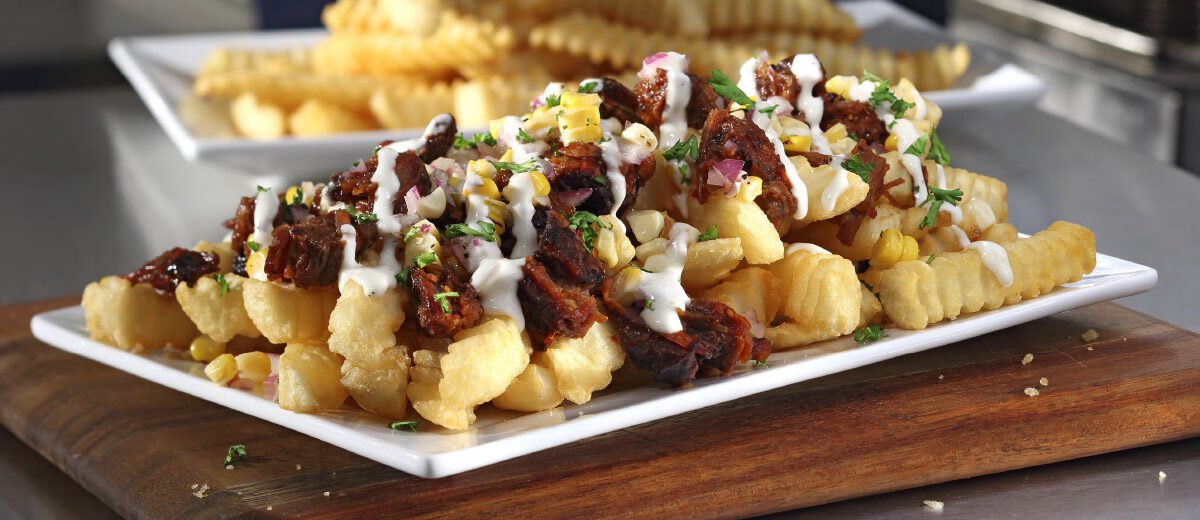
In the contemporary culinary world, fusion cuisine has emerged as a powerful trend, reflecting the globalized movement of ingredients, techniques, and flavors. This approach goes beyond traditional regional cooking by blending culinary elements from diverse cultures to produce innovative dishes that are both creative and palatable.
Modern chefs are no longer constrained by geographical boundaries; they experiment with Asian spices in Mediterranean dishes, Latin American produce in European sauces, or African grains with North American proteins, redefining what food can represent. Fusion cuisine embodies creativity, experimentation, and cultural dialogue, making it both a gastronomic art form and a reflection of global interconnectedness.
This article explores the origins, principles, techniques, key ingredients, successful examples, challenges, and cultural significance of fusion cuisine, providing a comprehensive overview for culinary professionals, enthusiasts, and students.
1. Historical Context of Fusion Cuisine
1.1 Early Cross-Cultural Influences
- Historical trade routes such as the Silk Road and spice trade introduced exotic ingredients to new regions.
- Examples include:
- Chili peppers from the Americas transforming Indian, Thai, and Chinese dishes
- Cinnamon, nutmeg, and cloves from Asia influencing European desserts
1.2 Colonial and Migration Impacts
- Migration patterns spread culinary traditions worldwide.
- African, European, and Asian immigrants influenced Caribbean, Latin American, and North American cuisines.
- Early fusion dishes emerged from necessity, combining available local ingredients with familiar recipes.
1.3 Modern Culinary Globalization
- Today, chefs have access to international markets, imported ingredients, and culinary technology, allowing sophisticated experimentation.
- Fusion cuisine is now deliberate and artistic, integrating global influences while respecting flavor balance and technique.
2. Principles of Successful Fusion Cuisine
2.1 Flavor Harmony
- Combining ingredients from different culinary traditions requires balancing taste profiles:
- Sweet, salty, sour, bitter, and umami
- Layering complementary flavors without overwhelming the palate
2.2 Technique Integration
- Fusion chefs merge preparation methods:
- Using Japanese sous-vide techniques in French protein dishes
- Applying Thai spice layering to Mediterranean sauces
2.3 Ingredient Adaptation
- Not all ingredients translate directly across cuisines; successful fusion requires understanding texture, aroma, and cooking properties:
- Example: Replacing European butter with coconut oil in tropical-inspired pastries
- Combining quinoa with European grains in salads
2.4 Respecting Culinary Origins
- While experimental, successful fusion avoids cultural appropriation or dilution.
- Chefs maintain core elements of traditional dishes, ensuring authenticity while innovating.
3. Key Global Ingredients in Fusion Cuisine
3.1 Spices and Seasonings
- Global spices enrich flavor and aroma:
- Sichuan peppercorns in Latin American salsas
- Sumac and za’atar in Mediterranean proteins
- Smoked paprika in Asian-inspired sauces
3.2 Grains and Starches
- Staples like rice, quinoa, couscous, and corn serve as versatile bases.
- Fusion chefs creatively blend:
- Polenta with miso butter
- Sushi rice in Caribbean poke bowls
3.3 Proteins
- Meat, fish, and plant proteins are adapted globally:
- Duck confit in Korean barbecue-inspired tacos
- Tempeh in Mediterranean grain bowls
- Seafood in Latin-style ceviches with Asian herbs
3.4 Vegetables and Fruits
- Fresh produce is critical for texture, color, and freshness.
- Examples of fusion use:
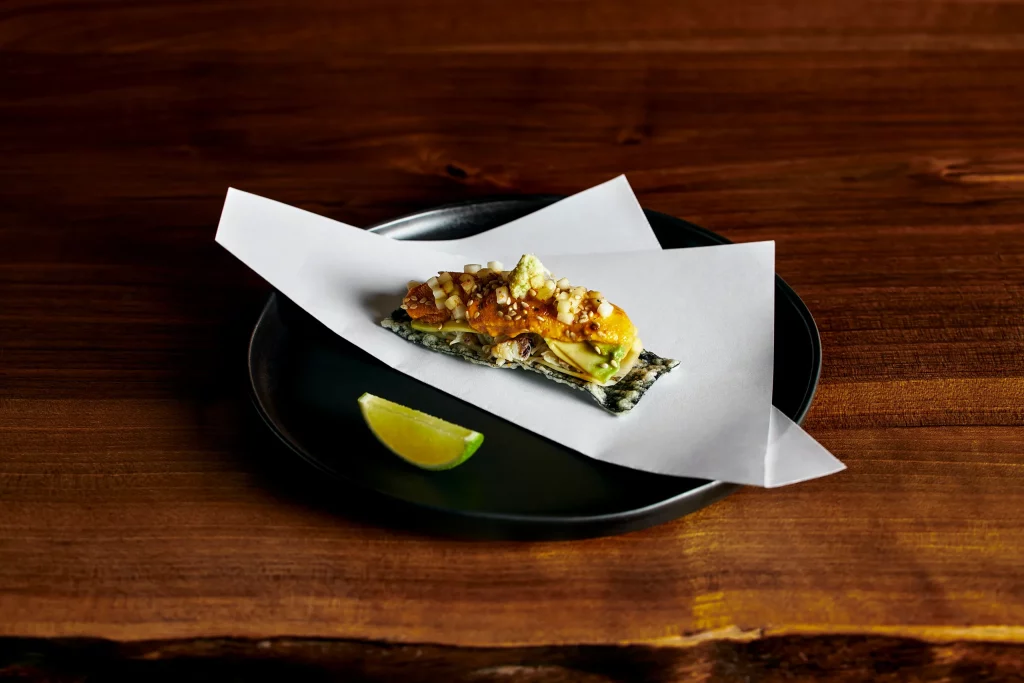
- Avocado with miso and sesame seeds
- Pumpkin with coconut milk and chili
- Beets in balsamic-soy dressings
3.5 Sauces and Condiments
- Fusion sauces blend techniques and ingredients:
- Chimichurri with ginger and lemongrass
- Wasabi aioli for Mediterranean seafood
- Coconut-curry reductions for Western proteins
4. Culinary Techniques for Fusion
4.1 Sous-Vide and Precision Cooking
- Ensures consistent texture and flavor integration when combining diverse ingredients.
4.2 Molecular Gastronomy
- Techniques such as spherification, foams, and gels add visual and textural innovation to fusion dishes.
4.3 Fermentation
- Traditional fermentation from one culture complements ingredients from another:
- Kimchi-style pickles in Italian pasta dishes
- Miso-marinated proteins in Mexican tacos
4.4 Grilling and Smoking
- Global marinades on grilled proteins combine cultural influences, e.g.,
- Moroccan spices on American ribs
- Japanese teriyaki glazes on Mediterranean seafood
5. Iconic Fusion Dishes
5.1 Asian-Latin Fusion
- Example: Korean tacos with kimchi, bulgogi, and Mexican tortillas.
- Balances spicy, sweet, savory, and acidic flavors.
5.2 Mediterranean-Asian Fusion
- Example: Sushi with Mediterranean vegetables and olives.
- Incorporates fresh herbs, citrus, and olive oil into traditional Japanese techniques.
5.3 European-Caribbean Fusion
- Example: Paella with tropical fruits and Caribbean spices.
- Combines saffron, rice, and seafood with local tropical flavors.
5.4 Modernist Fusion
- Avant-garde chefs combine textural contrasts and flavor pairing science:
- Edible foams over traditional dishes
- Deconstructed desserts combining global spices and techniques
6. Challenges in Fusion Cuisine
6.1 Flavor Imbalance
- Overcomplicating dishes can result in conflicting flavors or textures.
- Chefs mitigate this by:
- Conducting ingredient trials
- Understanding dominant and subtle flavors
6.2 Ingredient Availability
- Certain ingredients may not be accessible globally.
- Substitution requires scientific understanding of properties to maintain dish integrity.
6.3 Cultural Sensitivity
- Fusion chefs must respect cultural origins and culinary traditions to avoid misrepresentation.
- Maintaining authenticity while innovating is critical for credibility.
6.4 Kitchen Skill Requirement
- Fusion often requires advanced culinary techniques.
- Chefs must master multiple cuisines and precision methods to ensure successful outcomes.
7. Global Fusion Trends
7.1 Street Food Inspiration
- Many fusion dishes emerge from street food concepts, emphasizing bold flavors and portability.
- Examples:
- Asian-style tacos
- Ramen burgers with global condiments
7.2 Plant-Based and Vegan Fusion
- Modern chefs combine plant proteins with global spices to create ethical, flavorful dishes.
- Examples:
- Jackfruit curry tacos
- Lentil miso bowls with quinoa
7.3 Sustainable Ingredient Use
- Fusion cuisine integrates local, seasonal, and sustainable ingredients, minimizing food waste.
- Chefs highlight eco-conscious innovation, combining global inspiration with environmental responsibility.
7.4 Experiential Dining
- Fusion enhances the dining experience through storytelling:
- Guests experience flavors from multiple cultures
- Presentation and aromas complement the cultural narrative
8. Fusion Cuisine in Professional Kitchens
8.1 Chef Case Studies
- José Andrés: Spanish roots, combining Latin American and Mediterranean flavors in modern tapas.
- Roy Choi: Korean flavors with Mexican street food, creating innovative tacos.
- Ferran Adrià: Avant-garde fusion combining molecular gastronomy with global influences.
8.2 Menu Development
- Successful fusion menus:
- Highlight signature dishes with clear cultural inspiration
- Maintain ingredient coherence and seasonal relevance
8.3 Innovation Labs
- Many high-end restaurants operate research kitchens to test fusion concepts, flavor pairings, and visual presentation.
9. Home Cooking with Fusion Principles
9.1 Ingredient Experimentation
- Home cooks can combine spices, grains, and proteins from different cultures.
- Example: Asian spices on Western roasted vegetables.
9.2 Technique Adaptation
- Simple techniques like grilling, sautéing, and roasting can be paired with non-native ingredients.
9.3 Creative Plating
- Presentation enhances the fusion experience:
- Layered sauces reflecting flavor origins
- Colorful, contrasting ingredients
9.4 Flavor Layering
- Begin with aromatic bases and build complexity using spices, acidity, and textural elements.
10. Cultural and Culinary Significance
- Fusion cuisine reflects global interconnectedness, bridging diverse culinary traditions.
- Encourages creativity, cultural appreciation, and experimentation.
- Inspires collaboration between chefs, home cooks, and food enthusiasts, fostering global culinary literacy.
- Fusion dishes serve as a platform for cultural storytelling, connecting diners with flavors, history, and innovation.
11. Conclusion
Modern fusion cuisine is a testament to the creativity and adaptability of contemporary chefs. By combining global ingredients, techniques, and cultural influences, chefs challenge traditional boundaries, creating dishes that are innovative, flavorful, and visually captivating.
Key principles for successful fusion include:
- Balance of flavor profiles
- Understanding ingredients and techniques
- Respect for cultural origins
- Creativity and experimentation
Fusion cuisine is not just a trend; it is a reflection of the interconnected world, offering culinary experiences that are educational, artistic, and delightfully surprising. For chefs and home cooks alike, embracing fusion means celebrating global diversity while mastering the art of taste.