






Introduction: The Meaning Behind the Meal
When most people think of holiday food, they imagine festive flavors and celebratory meals. But in Jewish tradition, holiday foods are far more than culinary delights — they are living symbols of history, faith, survival, and identity. Each dish served during Jewish festivals embodies centuries-old teachings, sacred narratives, and communal memory passed through generations.
Jewish holidays themselves are rooted in ancient texts and traditions — commemorating divine miracles, historic liberation, agricultural cycles, and spiritual introspection. The food customs associated with these festivals serve not only to nourish the body but also to involve the senses in living remembrance and religious observance. Through taste, smell, and ritual, Jewish holiday foods connect present-day celebrants to ancestors, community, and sacred stories. In this comprehensive article, we will explore the most iconic Jewish holiday foods, examine their religious and historical roots, and reveal how each bite carries meaning that transcends the plate.
Chapter 1: A Feast of Meaning — Understanding Jewish Holiday Traditions
Judaism’s calendar is punctuated with numerous holidays that commemorate historical events, divine commandments, and spiritual themes. These include biblical festivals like Pesach (Passover), Shavuot, and Sukkot, as well as rabbinic observances such as Hanukkah and Purim. Across these celebrations, food plays a central role in ritual and storytelling.
Holiday foods often have specific symbolic requirements. Some represent historical events (like the haste of the Exodus), others remind celebrants of spiritual values (such as forgiveness or gratitude), and many incorporate the agricultural cycles of the ancient Land of Israel. The act of eating becomes a participatory form of remembrance — a “taste of history” that reinforces identity and devotion.
Chapter 2: Pesach (Passover) — Unleavened Bread and the Story of Liberation
The Story Behind the Festival
Passover (Pesach) is one of the most significant Jewish holidays. It commemorates the Israelites’ liberation from slavery in Egypt as described in the Book of Exodus. During their flight, the Israelites did not have time to let their dough rise, and thus ate bread without leavening. This simple act became a powerful symbol of freedom and divine deliverance.
Matzo — The Bread of Affliction
The most defining food of Passover is matzo — an unleavened cracker-like bread that serves as the centerpiece of the seder plate. By eating matzo, Jews not only obey the Torah’s commandment to avoid leavened products during Passover, but they also engage physically with the historic experience of their ancestors.
Matzo’s flat, brittle texture reminds celebrants of hardship, while its presence at the table anchors the narrative of liberation. Beyond the seder night, matzo and its derivatives — like matzo ball soup and matzo brei — have become beloved comfort foods with their own cultural significance.
Charoset — Symbol of Work and Oppression
Another essential Passover dish is charoset, a sweet paste made of chopped fruits, nuts, wine, and spices. Its dark, earthy texture is meant to evoke the mortar or clay used by the Israelites when they were enslaved in Egypt, forced to build Pharaoh’s structures.
Charoset is eaten as part of the seder ritual — often with bitter herbs (maror) to balance hardship with sweetness, reminding participants that even in suffering, there is hope and resilience.
Chapter 3: Shabbat — A Weekly Holiday with Timeless Foods
The Sanctity of Shabbat
Every week, Jewish communities around the world observe Shabbat — a sacred day of rest that recalls God’s creation of the world and offers a weekly spiritual reset. While not a festival in the same sense as Passover, Shabbat meals feature foods laden with symbolism.
Challah — Braided Bread of Provision
One of the most iconic Shabbat foods is challah, a braided bread traditionally eaten at Friday night meals. The shape and abundance of the bread symbolize the manna that fell from heaven during the Israelites’ wandering in the desert. A blessing is recited over the bread — and a pinch of salt is often added — to honor God’s provision.
Gefilte Fish — Celebration and Tradition
Another common Shabbat dish, especially in Ashkenazi communities, is gefilte fish — poached fish patties usually served with horseradish. Eating fish on Shabbat embodies both comfort and delight, as the Talmud suggests that fish dishes bring joy to the meal.
Chicken Soup with Matzo Balls
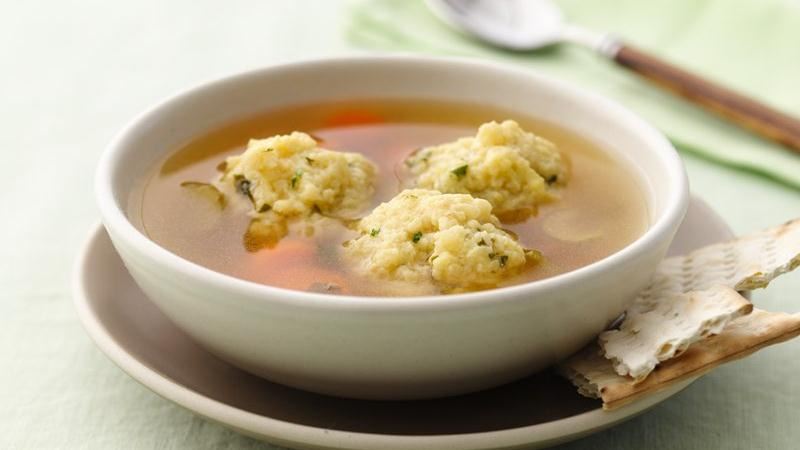
Often called “Jewish penicillin,” chicken soup with matzo balls (knaidelach) is a warm, nurturing soup served at Shabbat and holiday meals. While its religious symbolism is less explicit, its presence evokes themes of comfort, family, and intergenerational connection.
Chapter 4: Hanukkah — Fried Foods and the Miracle of Oil
Historical Context
Hanukkah commemorates the rededication of the Second Temple in Jerusalem following the successful revolt led by the Maccabees. Central to the story is the miracle of a small amount of consecrated oil that kept the Temple’s menorah burning for eight days — far longer than expected.
Fried Foods — A Culinary Tribute to the Miracle
Because the Hanukkah story revolves around oil, the tradition of eating fried foods has emerged as a defining culinary practice. The most familiar Hanukkah treat is the sufganiyah — a round jelly-filled doughnut deep-fried in oil and dusted with powdered sugar.
The deep frying symbolizes the importance of oil in the Hanukkah miracle. Throughout the holiday, families share latkes (potato pancakes) and sufganiyot, embracing foods that commemorate light, resilience, and devotion.
Chapter 5: Rosh Hashanah — New Year, Sweetness, and Renewal
Welcoming the New Year
Rosh Hashanah marks the Jewish New Year — a time of reflection, repentance, and hope for a sweet, abundant year ahead. Food traditions of this holiday emphasize sweetness and blessings.
Honey and Apples — Wishes for Sweetness
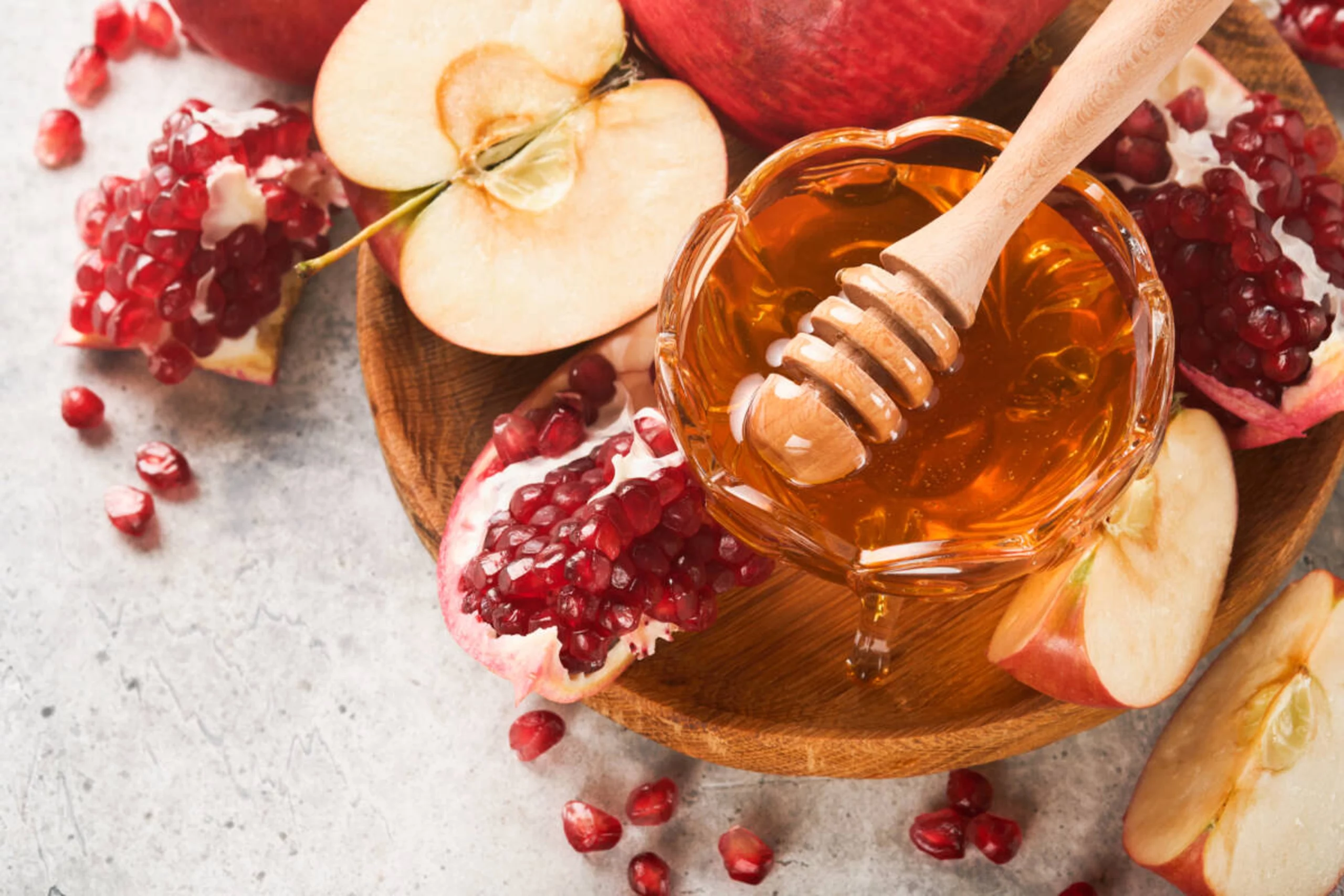
Perhaps the most universal Rosh Hashanah custom is dipping apple slices in honey. This simple yet meaningful act expresses the wish for a “sweet year” ahead, blending taste with heartfelt intention.
Teiglach and Other Festive Treats
In some communities, teiglach — small, honey-coated dough knots — are enjoyed at Rosh Hashanah, Sukkot, and other festive occasions. These sweet confections carry both nostalgic resonance and symbolic sweetness for the year ahead.
Chapter 6: Shavuot — Dairy and the Harvest Festival
Commemoration of Torah and Harvest
Shavuot celebrates the giving of the Torah at Mount Sinai and coincides with the wheat harvest in the Land of Israel. While religiously rooted in covenant and law, the holiday also embraced culinary traditions over time.
Cheesecake and Dairy Foods
One of the most distinctive Shavuot customs is eating dairy foods, such as cheesecake. Although not mandated by scripture, this tradition emerged from a combination of cultural practices and symbolic associations with the “land of milk and honey.” It also reflects the holiday’s agricultural roots.
Chapter 7: Additional Holiday Foods and Regional Variations
Jewish diaspora communities have adapted holiday food traditions to local environments and tastes. For example:
- Brisket — a slow-braised beef dish widely served during Passover, Hanukkah, and Rosh Hashanah, especially in North American Jewish communities.
- Kichel — light cookies often served during Rosh Hashanah and synagogue gatherings across Ashkenazi communities.
These adaptations demonstrate how Jewish holiday foods are both rooted in tradition and shaped by local history and culture.
Chapter 8: The Role of Kosher Law in Holiday Foods
Kosher dietary laws profoundly influence Jewish holiday foods. Beyond symbolism, Jewish cuisine adheres to rules of permitted and forbidden foods, separation of meat and dairy, and specific preparations that align with religious law. These regulations ensure that holiday meals are not only spiritually meaningful but ritually pure.
Conclusion: Eating as Memory, Worship, and Identity
Jewish holiday foods are far more than recipes to be enjoyed. They are embodied memories, theological signposts, and cultural affirmations — each dish narrating a chapter of Jewish history and belief. Whether it’s the unleavened matzo of Passover or the sweet honey of Rosh Hashanah, these foods engage the celebrant in ancient stories and timeless values.
Through communal meals and shared rituals, Jewish holiday food connects families, preserves heritage, and invites future generations to partake in a living tradition where every bite carries religious depth and historical resonance.