





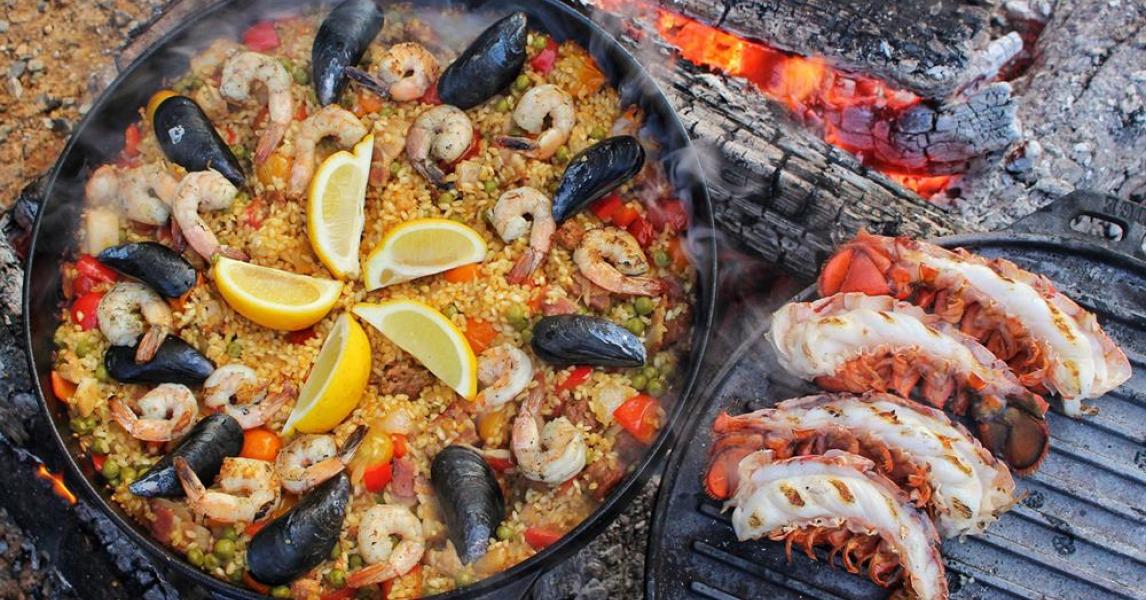

Spanish paella — especially the classic seafood paella — is not just a dish; it is a cultural symbol, a historical narrative, and a celebration of technique, terroir, and community. Recognized worldwide as one of Spain’s most beloved culinary exports, paella reflects centuries of agricultural practice, regional diversity, ingredient harmony, and social tradition.
This article explores paella in comprehensive detail: its origins, evolution, essential ingredients, cooking techniques, regional varieties, cultural and social relevance, nutrition, professional insights, and global influence. By the end, you will understand not only how Paella is made but why it resonates across cultures and dining tables around the globe.
1. Introduction: What Makes Paella Special?
At its heart, paella is about balance — between ingredients, technique, and culture. It is a dish that elevates simple components (rice, broth, olive oil, seasoning) into a layered sensory experience of color, aroma, texture, and taste.
Paella’s global fame stems from:
- Distinctive flavor profile: nutty rice with saffron, ocean‑fresh seafood, smoky fire‑kissed aroma.
- Visual identity: brightly hued rice, colorful seafood, paella pan silhouette.
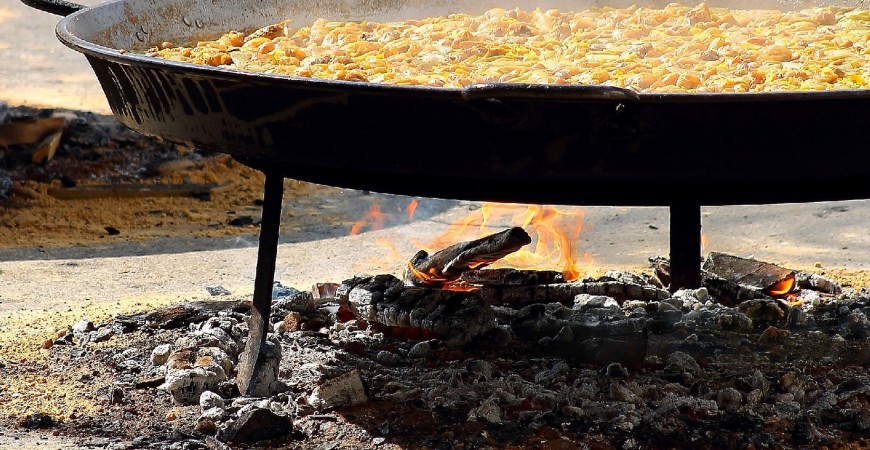
- Communal experience: traditionally cooked over open flame and shared from a single pan.
- Regional heritage: especially tied to Valencia and coastal Spain.
To appreciate Paella fully, we must start with its origins.
2. Historical and Cultural Roots of Paella
2.1 Origins in Valencia
Paella originated in the Valencian region of eastern Spain, where rice cultivation took hold around the 10th century under Moorish influence. The word “paella” itself comes from the Old French paelle and the Latin patella, both meaning “pan,” reflecting the importance of the cooking vessel.
Valencian peasants developed the dish as a rural, communal meal cooked over open hearths with ingredients available in the fields:
- Rice, which absorbed flavors and energy.
- Seasonal vegetables from the garden.
- Fresh rabbit, chicken, and snails.
- Occasionally beans and herbs.
Seafood was not part of the original recipe — it became prominent in coastal adaptations once communities had access to abundant marine harvests.
2.2 From Farm to Table: Evolution of Ingredients
The evolution of paella parallels Spanish agricultural and economic history:
- Rice cultivation: Moorish irrigation techniques transformed the land around Albufera Lake near Valencia, creating ideal conditions for rice.
- New World spices: Saffron arrived via trade, adding color and fragrance.
- Seafood availability: Coastal villages adopted rice for their catch.
- Cultural exchange: Trade, conquest, and migration spread ingredients and techniques throughout the Mediterranean.
Today, paella is both a regional staple and an international culinary icon, representing Spanish gastronomy worldwide.
3. The Paella Pan (La Paellera): Form Meets Function
The classic paella pan (la paellera) is central to achieving the ideal Paella:
- Wide, shallow, and flat: Encourages even evaporation, critical for extra‑delicate rice textures.
- Large surface area: Promotes the formation of socarrat — the prized golden brown crust at the bottom.
- Handles on both sides: Facilitate movement from fire to table.
- Material: Carbon steel is traditional; it conducts heat evenly and withstands open‑flame cooking.
Understanding the pan’s design is foundational to mastering the dish.
4. Core Ingredients: The Building Blocks of Authentic Paella
4.1 Rice — The Heart of Paella
Not all rice works for paella. Key qualities include:
- Short‑ to medium‑grain rice: Absorbs liquid without turning mushy.
- High amylopectin content: Provides creaminess while maintaining structure.
- Traditional varieties: Bomba, Calasparra, Senia.
These rices absorb up to two to three times their volume in broth, enabling rich flavor integration.
4.2 Broth and Stock: The Silent Architect of Flavor
A flavorful stock (broth) forms the backbone of any great Paella:
- Seafood Paella: Fish and shellfish bones, heads, shells simmered with aromatics (onions, garlic, celery) form a savory base.
- Enhanced with herbs and spices: Bay leaves, parsley stems, sometimes fennel or saffron threads.
The goal is a umami‑rich, aromatic liquid that will saturate the rice.
4.3 Saffron: The Golden Thread
Saffron provides:
- Color: Vibrant golden‑yellow hue.
- Aroma: Floral, honeyed, earthy undertones.
- Flavor depth: Adds complexity even in small quantities.
Though expensive, saffron is a hallmark of traditional Paella — substitutes (e.g., turmeric) may mimic color but not authentic flavor.
4.4 Proteins and Add‑Ins
For Seafood Paella specifically:
- Shrimp and prawns
- Mussels and clams
- Calamari or cuttlefish
- Fish chunks (optional)
Vegetables may include:
- Green beans or peas
- Bell peppers
- Tomato sofrito (base of sautéed onion, garlic, tomato)
Pairings are intentional: succulent seafood, bright vegetables, and rice in harmony.
4.5 Olive Oil: Foundation of Mediterranean Flavor
Olive oil isn’t just a cooking medium — it imbues:
- Fruity aromatics
- Warmth and mouthfeel
- Subtle herbal undertones
High‑quality extra‑virgin olive oil is ideal.
5. Technique: Crafting Paella Step by Step
Great Paella is as much about technique as ingredients. Here is a professional overview of the process.
5.1 Preparing the Broth
- Clean seafood thoroughly, reserving shells and heads.
- Sweat aromatics (onion, celery, garlic) in olive oil until translucent.
- Add shells and fish bones, lightly sauté to develop flavor.
- Add water, herbs, and seasoning, then simmer 30–60 minutes.
- Strain, reserving a clear, aromatic stock.
A richer stock makes a markedly better Paella.
5.2 Building the Base: Sofrito
The sofrito is a flavor foundation:
- Low and slow cooking of onion, garlic, and tomato until deep, concentrated, and aromatic.
- This creates the umami base that lifts the rice.
Patience here pays dividends.
5.3 Toasting the Rice (Optional in Some Traditions)
Many chefs lightly toast rice in the sofrito and oil — a technique that:
- Seals grains
- Adds nuttiness
- Helps define texture
This step is optional but recommended for flavor nuance.
5.4 Liquid Integration and Flavor Building
Rice is submerged in pre‑heated stock at a rough 1:2.5 ratio (rice to liquid), seasoned with saffron (soaked for color release).
Importantly:
- Do not stir after adding broth — this fosters even cooking and helps form socarrat.
- Maintain even heat — too hot burns; too cool undercooks.
5.5 Achieving Socarrat — The Golden Crust
The socarrat is the prized caramelized layer of rice at the bottom, often described as the soul of Paella.
To achieve it:
- Increase heat briefly toward the end.
- Listen for a subtle crackling.
- Avoid scraping or burning.
It requires finesse — heat control and timing are crucial.
5.6 Resting Before Serving
Let the Paella rest 5–10 minutes off heat. This:
- Allows flavors to settle.
- Ensures even moisture distribution.
- Makes serving easier.
Presentation in the pan itself reinforces community spirit.
6. Regional Variations: Diversity Within Spanish Paella
While seafood paella is iconic, Spain hosts many regional interpretations:
6.1 Valencian Paella (Paella Valenciana)
- Original form — rabbit, chicken, snails, green beans, sometimes artichokes.
- Uses Bomba rice for controlled absorption.
- More rustic and earthy.
6.2 Mixed Paella (Paella Mixta)
- Combines meat (chicken, pork) and seafood.
- Popular in restaurants outside Spain.
- Not considered traditional by purists but widely enjoyed.
6.3 Black Paella (Arroz Negro)
- Uses squid ink for dramatic color and briny depth.
- Often paired with alioli (garlic mayonnaise).
- Popular in Catalonia and Valencia.
6.4 Fideuà
- Uses short noodles (fideos) instead of rice.
- Seafood based, sometimes served with lemon and alioli.
- Origin: coastal Valencia.
Each variation reflects local ingredients, historical trade patterns, and cultural tastes.
7. Cultural Significance and Social Ritual
Paella is inherently communal. Traditionally:
- Paella is cooked outdoors over open flame.
- It gathers family and friends — a centerpiece of festivals and celebrations.
- It embodies the Spanish value of shared dining experience.
In Valencia, Paella Day (March 27) honors this culinary tradition.
8. Aroma, Flavor, and Sensory Profile
A well‑executed seafood paella delivers:
- Visual appeal: golden rice, vibrant seafood, herbs.
- Aromatic bouquet: saffron, olive oil, briny sea essence, sofrito warmth.
- Flavor harmony: umami from stock and seafood, subtle sweetness from vegetables, earthy saffron.
- Textural interplay: firm grains, tender seafood, crisp socarrat.
This complexity engages all five senses.
9. Nutrition and Dietary Perspectives
Paella, when made traditionally and balanced well, offers:
- Complex carbohydrates: from rice
- High‑quality protein: from shrimp, mussels, fish
- Healthy fats: from olive oil
- Micronutrients: selenium, iron, iodine from seafood
- Herbs and vegetables: vitamins and antioxidants
Portion control and ingredient balance keep it both nourishing and satisfying.
10. Professional Insights: Chefs’ Secrets to Paella Mastery
10.1 Rice Choice Is Paramount
- Bomba and Calasparra absorb liquid without collapsing.
- They maintain al dente texture even after long simmer.
10.2 Stock Quality Defines Depth
- Homemade stock elevates flavor.
- Shells and heads — often discarded — are goldmines of umami.
10.3 Temperature Management
- Even heat distribution prevents hot spots.
- Wood fire imparts subtle smoky notes.
10.4 Patience and Respect for Timing
Paella isn’t rushed — every stage builds nuanced flavor.
11. Paella and Global Cuisine
Paella’s influence extends beyond Spain:
- Restaurants worldwide showcase regional and fusion versions.
- Culinary schools teach its technique as part of Mediterranean cuisine.
- It inspires chefs to explore terroir‑to‑table philosophy.
Yet while adaptations are welcome, understanding authentic technique and context ensures respect for its heritage.
12. Paella Beyond the Plate: Festivals and Cultural Tourism
Spain celebrates paella with festivals that attract food lovers globally:
- Paella competitions with large‑scale pans feeding hundreds.
- Paella workshops and culinary tours in Valencia.
- Cultural exhibits on rice cultivation history.
These events emphasize paella’s role as cultural ambassador.
13. Sustainability and Future Trends
Sustainability in paella involves:
- Responsible seafood sourcing — avoiding overfished species.
- Local and seasonal produce — reinforcing terroir.
- Heritage rice preservation — supporting traditional cultivation.
- Energy‑efficient techniques — adapting open‑fire methods responsibly.
Chefs and producers are steering paella toward an eco‑aware future.
14. Common Mistakes and How to Avoid Them
| Common Issue | Cause | Professional Fix |
|---|---|---|
| Mushy rice | Excess liquid or overcooking | Use proper rice and measured stock |
| No socarrat | Too low heat | Raise heat briefly toward end |
| Bland flavor | Weak stock | Make rich homemade broth |
| Watery seafood | Oversteaming | Add seafood later in cook time |
Attention to detail preserves authenticity.
15. Conclusion: Why Paella Matters
Paella is more than a dish. It is:
- History on a plate — reflecting centuries of cultivation, trade, and culture.
- Technique in motion — where timing and temperature matter profoundly.
- Community symbol — meant to be shared.
- Culinary art — balancing color, texture, aroma, and flavor.
Whether enjoyed in a Valencian fiesta, a Spanish seaside village, or a dining room halfway around the world, paella connects us to place, tradition, and people.
It represents the culinary power of simplicity elevated through technique and cultural continuity — and this is why Spanish seafood paella continues to captivate chefs, food lovers, and travelers everywhere.