





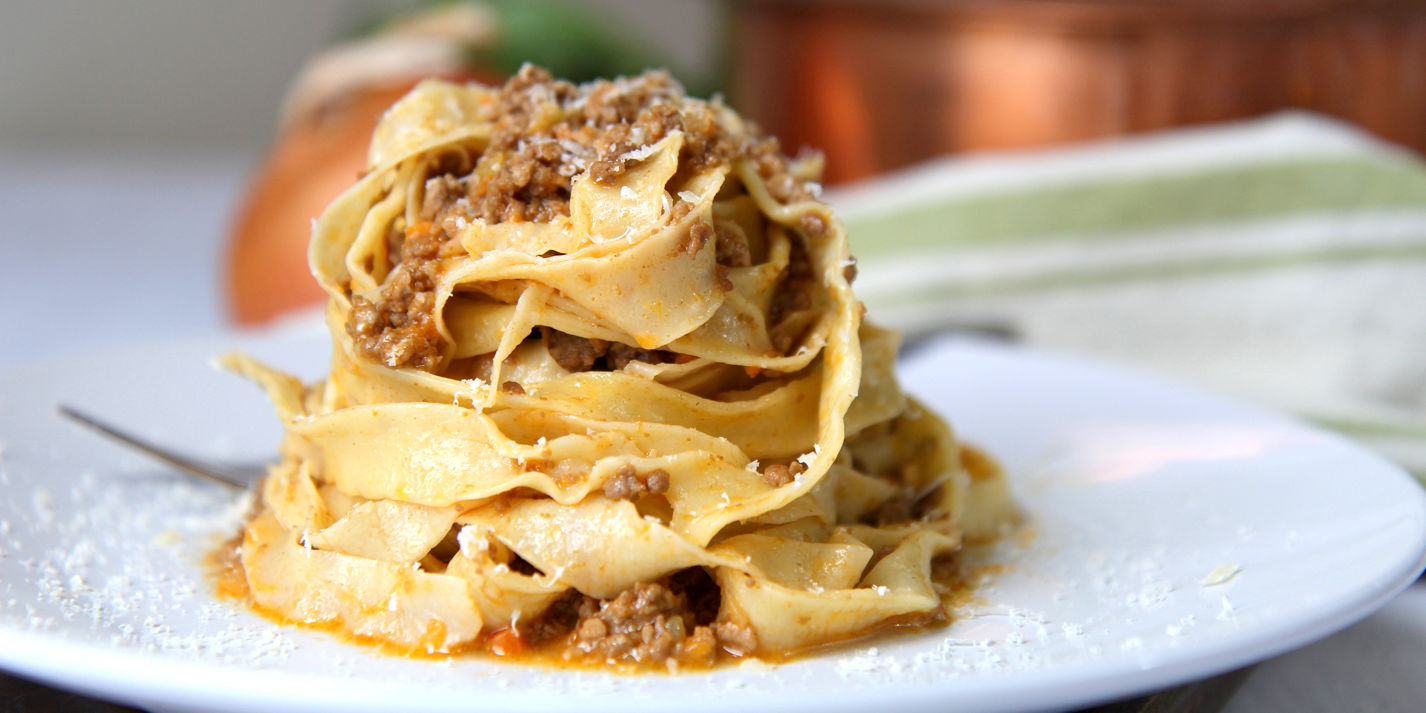

Italian cuisine is among the most celebrated and influential culinary traditions in the world, and two of its most iconic dishes — Neapolitan pizza (Pizza Napoletana) and Bolognese ragù pasta (Tagliatelle al Ragù / Pasta al Ragù Bolognese) — embody the deep regional diversity that makes Italy’s food heritage so rich and nuanced. Although both are globally recognized and beloved, they originate from distinct cultural, geographic, historical, and technical backgrounds. This comprehensive article explores their origins, ingredients, preparation techniques, cultural significance, regional context, nutritional profiles, global impact, and professional insights, demonstrating how these two classic dishes reflect broader themes in Italian — and global — gastronomy.
1. Introduction: Two Icons, Two Regions, One Culinary Philosophy
At first glance, Neapolitan pizza and Bolognese ragù pasta might seem like simple comfort foods — dough with toppings and pasta with sauce. But beneath that simplicity lies centuries of culinary refinement, local identity, technique mastery, and cultural meaning. These dishes illustrate how place shapes flavor, how ingredients and methods reflect local agriculture and history, and how culinary traditions evolve yet retain core values.
2. Geographic and Cultural Origins
2.1 Naples: A Coastal Cradle of Pizza
Located in southern Italy on the Bay of Naples, Naples (Napoli) is a port city with a long history of cultural exchange, economic hardship, and vibrant street life. These conditions helped forge a cuisine rooted in simplicity, affordability, and bold flavor — hallmarks of the city’s food culture.
Pizza in Naples evolved from humble flatbreads topped with local ingredients, street‑food traditions, and a flair for ingenuity. The result was the Neapolitan pizza, whose earliest written recipes date back to the 18th and early 19th centuries but whose roots extend further into Mediterranean peasant food.
2.2 Bologna: The Heart of Emilia‑Romagna and Ragù
In contrast, Bologna sits inland in northern Italy, within the fertile Emilia‑Romagna region. This area has long been known for rich agricultural bounty: dairy, cured meats, durum wheat, and fresh eggs. Bologna developed a cuisine that is rich, layered, and technique‑intensive, with an emphasis on slow cooking and depth of flavor.
The famous ragù alla Bolognese — often simply called “Bolognese” outside Italy — is a meat‑based sauce that represents this regional aesthetic: unhurried cooking, careful layering of ingredients, and a focus on umami and texture.
3. Neapolitan Pizza: History, Ingredients, and Technique
3.1 Historical Evolution
The earliest pizzas in Naples were simple flatbreads eaten by poor laborers — often with nothing more than olive oil, herbs, and perhaps salted fish. With the introduction of tomatoes from the Americas in the 16th century, Neapolitans began applying tomatoes to bread, creating a taste revolution.
By the late 18th century, pizza had become a staple food in Naples — portable, affordable, and satisfying. Bakers began experimenting with toppings, and by the early 20th century, the Margherita — with tomato, mozzarella, and basil — had become symbolic of Italian national identity, allegedly created in honor of Queen Margherita of Savoy in 1889.
3.2 Core Ingredients
The Neapolitan pizza is defined by strict ingredient and method standards — so much so that it has been recognized by the Associazione Verace Pizza Napoletana (AVPN) and UNESCO as an intangible cultural heritage. Its fundamental components include:
- Dough Flour: Type 00 finely milled wheat flour
- Water: Ideally soft, balanced mineral content
- Salt: For flavor and gluten structure
- Yeast: Often natural or compressed
- Tomatoes: San Marzano or similar sweet, low‑acid varieties
- Mozzarella: Fresh fior di latte or buffalo mozzarella (mozzarella di bufala)
- Extra‑Virgin Olive Oil: Light finishing drizzle
- Fresh Basil: Aromatic complement
3.3 Dough and Fermentation
Unlike many quick breads, Neapolitan pizza dough requires time, technique, and tactile judgment:
- Hydration: A higher hydration ratio (often ~60–65%) creates an airy, elastic crumb.
- Kneading: Builds gluten strength without overworking the dough.
- Fermentation: Slow, cool fermentation (often 18–24 hours) develops flavor and improves digestibility.
The dough is hand‑stretched (not rolled) to preserve air pockets, resulting in a tender, blistered crust.
3.4 High‑Temperature Baking
Authentic Neapolitan pizza is baked in a wood‑fired oven at ~430–480°C (800–900°F) for a very short time (60–90 seconds). This intense heat:
- Creates leopard spotting (charred bubbles on the crust)
- Produces a soft, pliable center with a crisp exterior
- Intensifies aromas (Maillard activation without drying)
The result is a pizza that is light, flavorful, and texturally complex.
4. Bolognese Ragù Pasta: History, Ingredients, and Technique
4.1 Historical Background of Ragù
The word “ragù” is derived from the French ragoût, meaning a rich, slow‑cooked stew. In Emilia‑Romagna, cooks adapted this idea into a specific meat sauce designed to be served with fresh egg pasta.
First documented in the late 18th and early 19th centuries, ragù alla Bolognese became a cornerstone of Bolognese household cuisine. Its value was not in extravagance but in careful extraction of deeply savory flavors through slow heat and layered technique.
4.2 Key Ingredients and Foundations
A classic ragù alla Bolognese is built from:
- Meat: Traditionally a blend of ground beef and pork
- Soffritto: Finely chopped onion, carrot, celery
- Liquid Foundations: Dry white wine, milk or cream (for richness), and a small amount of tomato paste or purée
- Stock: Slow simmering stock to extend cooking time without drying out
- Seasonings: Salt, pepper, and sometimes bay leaf or nutmeg
This complexity distinguishes Bolognese ragù from simpler tomato sauces.
4.3 Cooking Technique: Patience as a Virtue
The authentic technique is meticulous:
- Render soffritto slowly in a small amount of butter and/or oil until aromatic and softened.
- Brown the meats gently, allowing Maillard reactions to build depth without overbrowning.
- Deglaze with wine, reducing to concentrate flavor.
- Add milk or cream, which tenderizes the meat and balances acidity.
- Incorporate a modest amount of tomato for body, not dominance.
- Simmer for hours on low heat, adding stock to maintain moisture and build rich umami.
This method results in a sauce that is velvety, deeply savory, and harmoniously balanced — distinct from quick‑tomato sauces and indicative of northern Italian sensibilities.
4.4 Pasta Pairings and Regional Logic
In Bologna, classic pairings include:
- Tagliatelle: Broad ribbons that hold the rich sauce beautifully
- Tortellini or Lasagna: Layered or filled pastas also complement ragù in celebratory meals
The pairing reflects functionality — wide surfaces and folds trap the nuanced ragù for optimal mouthfeel.
5. Cultural Significance and Regional Identity
5.1 Naples: A Culture of Street Food and Shared Experience
Pizza in Naples is deeply social:
- Markets and street vendors embody communal eating
- Pizzerias often have a familial atmosphere
- The dish is both everyday nourishment and celebratory centerpiece
Neapolitan pizza has become a cultural symbol of resilience, creativity, and local pride — a food that reflects the grit and generosity of the city itself.
5.2 Bologna: Culinary Refinement and Technique Tradition
In Bologna and Emilia‑Romagna:
- Cooking is an expression of craftsmanship and depth
- Family kitchens pass techniques down generations
- The region’s cucina incorporates bread‑making, salumi, cheeses, and pasta as interconnected traditions
Bolognese ragù represents culinary refinement anchored in slow, thoughtful technique rather than flamboyance.
6. Sensory Profiles: A Comparison
| Dimension | Neapolitan Pizza | Bolognese Ragù Pasta |
|---|---|---|
| Primary Texture | Soft, airy crust with crisp edges | Tender pasta with rich, velvety sauce |
| Dominant Flavors | Sweet tomato, creamy mozzarella, herbaceous basil | Umami meat depth, aromatic soffritto, balanced acidity |
| Cooking Environment | High heat, rapid transformation | Low heat, slow integration |
| Eating Experience | Casual, communal, dynamic | Comforting, layered, contemplative |
| Cultural Mood | Energetic, spontaneous | Methodical, nuanced |
7. Nutrition, Ingredients, and Dietary Considerations
7.1 Neapolitan Pizza Nutrition
- Carbohydrates: From dough
- Proteins & Fats: Mozzarella and olive oil
- Micronutrients: Lycopene from tomatoes, antioxidants from basil
- Considerations: Portion control and ingredient quality can make pizza part of a balanced Mediterranean diet
7.2 Bolognese Ragù Pasta Nutrition
- Proteins: Lean meats balanced with soffritto vegetables
- Carbohydrates: Pasta (often egg‑based) for sustained energy
- Fats: Moderate, balanced by long cooking and dairy inclusion
- Considerations: Slow cooking and whole‑grain pasta variants enhance nutritional density
Both dishes, when prepared with high‑quality ingredients and moderation, can fit into a wholesome, balanced eating pattern.
8. Global Influence and Adaptation
8.1 Neapolitan Pizza Around the World
- Regional spins: New York, Chicago deep‑dish, Roman al taglio, Japanese okonomiyaki‑style pizzas
- Cultural integration: Street food markets, fast‑casual restaurants, artisanal pizzerias
- Authenticity movements: AVPN standards inspire chefs globally to emulate traditional methods
8.2 Bolognese Style Outside Italy
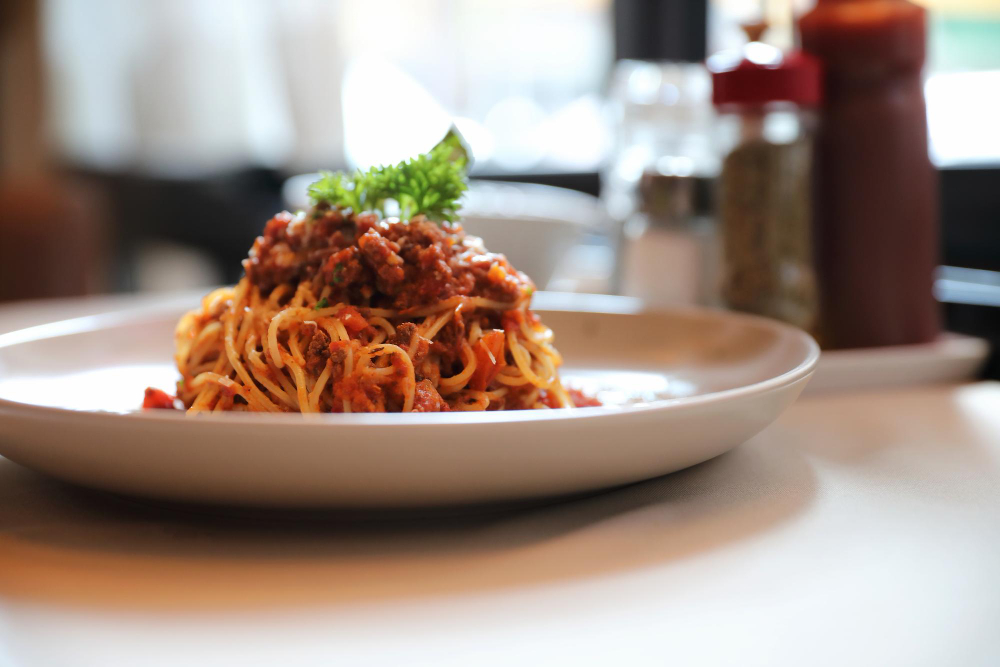
- “Spaghetti Bolognese” often appears on menus worldwide — an adaptation rather than authentic preparation
- Creative reinterpretations: Lean meats, plant‑based versions, tomatoes more prominent
- Educational efforts: Culinary schools emphasize distinctions between authentic ragù and generalized meat sauces
Both dishes inspire chefs to adapt while challenging them to respect tradition and technique.
9. Professional Insights and Technical Mastery
9.1 Dough Science in Pizza Making
Key professional principles include:
- Gluten network development: Determines texture
- Fermentation control: Impacts flavor complexity
- Heat dynamics: Oven temperature and stone/brick thermal mass
Professional pizza makers refine their craft through repetition and sensory calibration.
9.2 Sauce Development in Ragù
Professional chefs focus on:
- Layered aromatics: Building flavor from the ground up
- Temperature management: Gentle heat avoids overbrowning or drying
- Texture balancing: Sauce coats pasta without clumping
These techniques represent culinary literacy that can be applied to other slow‑cooked sauces and stews.
10. Preserving Tradition in a Modern World
While innovation thrives, preservation efforts ensure:
- Quality standards (e.g., AVPN pizza certification)
- Documentation of recipes and methods
- Culinary education emphasizing heritage and technique
- Cultural festivals celebrating regional foods
Tradition and innovation coexist — honoring authenticity while welcoming evolution.
11. Conclusion: Two Dishes, One Shared Legacy
Neapolitan pizza and Bolognese ragù pasta represent distinct regional identities within Italian cuisine — born of environment, culture, ingredients, and technique — yet they share a common thread: the Italian culinary philosophy of simplicity elevated through mastery.
- Pizza Napoletana captures the soul of Naples — bold, energetic, and communal
- Ragù alla Bolognese reflects Bologna’s dedication to refinement, patience, and depth
Both have become global ambassadors for Italian gastronomy, inspiring chefs and delighting diners worldwide. Each dish teaches us that food is more than sustenance — it is culture, history, technique, and shared human experience.
Whether you’re pulling a blistered slice from a wood-fired oven in Naples or twirling tagliatelle coated in slow‑cooked ragù in Bologna, you are partaking in traditions that echo centuries of culinary evolution — rich, meaningful, and deliciously enduring.