





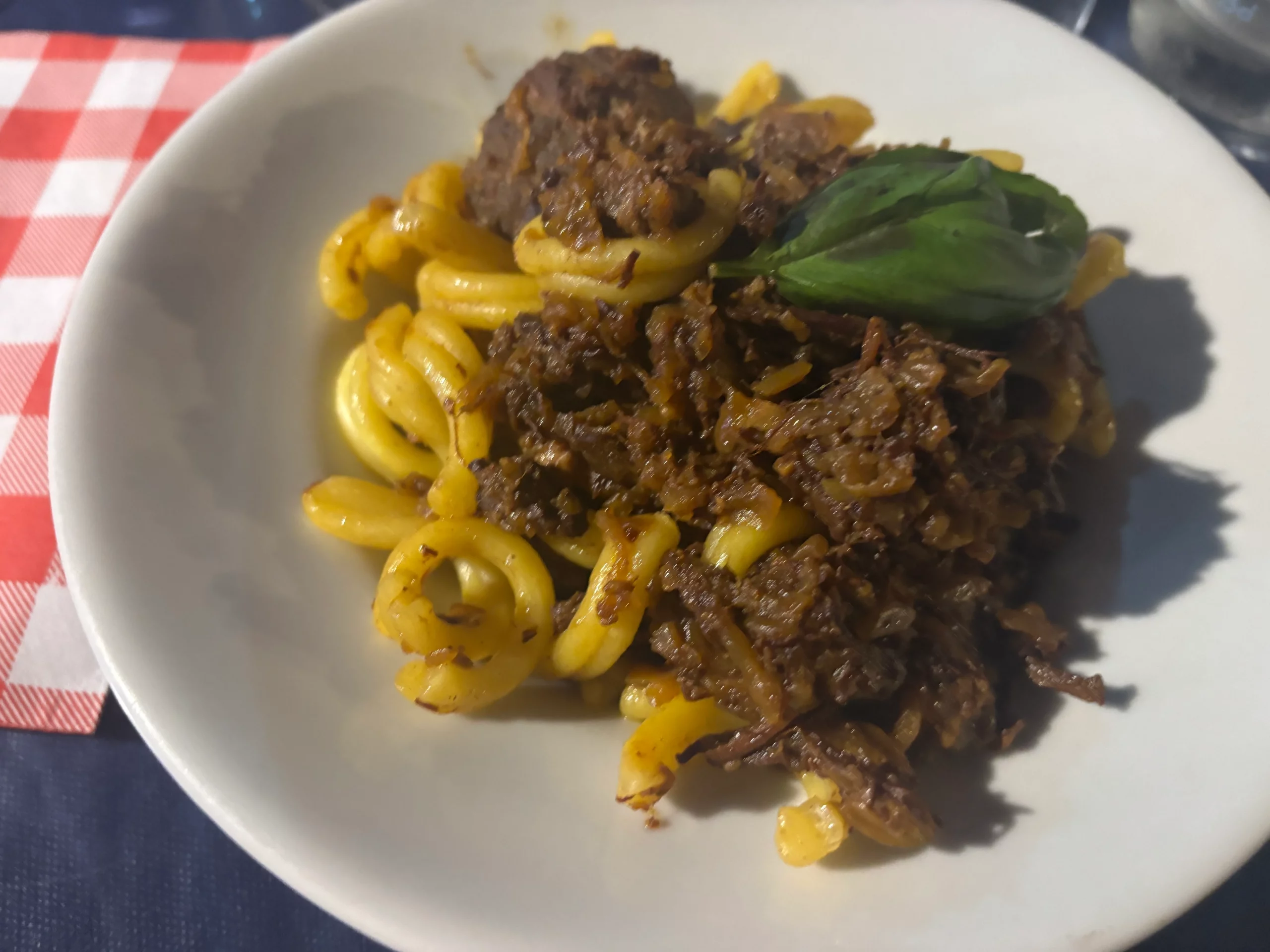

Italian pasta is more than a dish; it has become a global emblem of culinary culture. From humble village kitchens to haute gastronomy tables, pasta represents creativity, tradition, adaptability, and the power of simple ingredients transformed by technique. Although its origins are rooted in Italy, pasta’s influence now spans continents — each region, whether in Italy or abroad, has developed its own unique interpretation and expression of this beloved staple.
This article explores the history, regional identities, craft, science, cultural significance, global adaptations, and future evolution of pasta. It offers a richly detailed, professionally structured, and deeply informative presentation that celebrates pasta as both a symbol of Italian heritage and a canvas for international culinary innovation.
1. Introduction: Pasta as a Global Emblem
Italian pasta — versatile, nutritious, and deeply flavorful — has traversed geographic, cultural, and historical boundaries. It embodies a universal appeal: starch and water (and often eggs) transformed into millions of shapes and textures, each designed to carry sauce, reflect local ingredients, and tell a story.
Today, pasta appears in:
- Classic Italian trattorie
- Modern fine dining
- Street food stalls
- Home kitchens worldwide
Its pervasiveness has made pasta a global culinary icon — yet within this global embrace, each region brings its own identity, ingredients, and techniques to the table.
2. The Origins and Evolution of Pasta
2.1 Ancient Beginnings and Early Evidence
The precise origin of pasta is a subject of scholarly debate. Wheat‑based dough products existed in several ancient civilizations, including:
- The Etruscans and Romans — early versions of dough strips and dumplings
- The Silk Road exchanges — dried pastas enabling long travel and trade
While Marco Polo’s legendary tale of bringing noodles from China is largely mythologized, the exchange of ideas and techniques between East and West in antiquity likely influenced early pasta development.
2.2 Pasta in Medieval and Renaissance Italy
Pasta as we recognize it began to flourish in medieval Italy:
- Drying technology in southern coastal regions (e.g., Gragnano)
- Development of semolina flour from durum wheat
- The rise of pasta markets and guilds
By the Renaissance, pasta had become part of everyday Italian diet and cultural expression — simple, adaptable, and deeply integrated into social life.
2.3 Industrial Revolution and Beyond
The 19th and 20th centuries saw:
- Mechanization of pasta production
- Spread of Italian diaspora
- Pasta’s global adoption and reinterpretation
Italy’s regional varieties began to be documented, formalized, and celebrated as part of national identity.
3. The Principles of Pasta: Ingredients, Shapes, and Purpose
3.1 Essential Ingredients
Authentic pasta hinges on a few core elements:
| Ingredient | Role |
|---|---|
| Durum semolina | Structural strength, firm bite |
| Water | Hydration and gluten development |
| Eggs (optional) | Richness, tenderness (common in northern Italy) |
| Salt (in water) | Flavor enhancer |
High‑quality ingredients create a versatile canvas that carries sauces and interacts with flavors delicately and purposefully.
3.2 Pasta Shapes and Functionality
Pasta shapes are purposeful — designed with structural logic:
- Long pastas (spaghetti, linguine): pair with oil‑based, seafood, and light tomato sauces
- Tubular pastas (penne, rigatoni): hold chunky vegetables or meat in their cavities
- Ribbon pastas (tagliatelle, fettuccine): cling to creamy sauces
- Small shapes (ditalini, farfalle): ideal for soups and casseroles
- Filled pastas (ravioli, tortellini): showcase regional fillings and broths
Shape matters: it influences texture, mouthfeel, sauce adherence, and dining experience.
4. Regional Diversity Within Italy — A Culinary Map
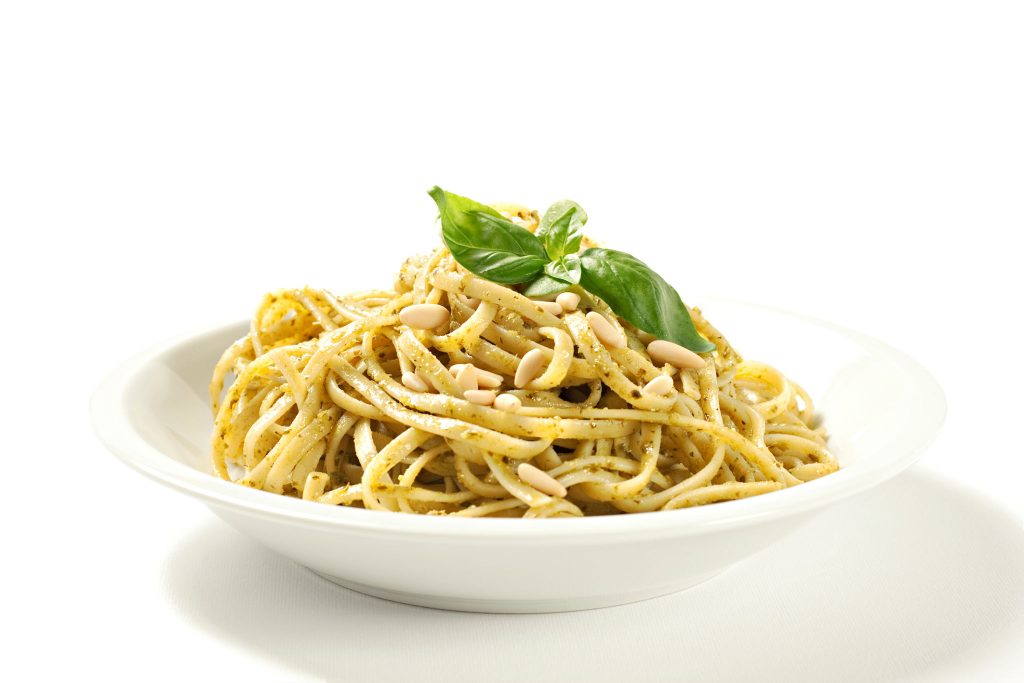
Pasta culture in Italy is synonymous with regional identity. Geography, climate, available crops, and historical influences have led to a rich diversity of pasta traditions.
4.1 Northern Italy: Eggs, Rich Sauces, and Craft Detail
4.1.1 Emilia‑Romagna: The Cradle of Classic Pasta
In cities like Bologna and Parma:
- Tagliatelle al Ragù — broad ribbons with slow‑cooked meat sauce
- Tortellini and Tortelloni — filled with meats or ricotta and herbs
- Lasagne alla Bolognese — layered with ragù and béchamel
Northern pasta often includes eggs in the dough, creating a silky, tender texture that complements rich, dairy‑based sauces.
4.1.2 Lombardy and Veneto: Creamy and Refined
- Pasta with saffron (Milanese influence)
- Papardelle with slow‑braised game sauces
- Use of butter and cream in sauce foundations
Northern regions showcase pasta paired with luxurious ingredients shaped by agrarian wealth and trade.
4.2 Central Italy: Simplicity, Olive Oil, and Rustic Flair
4.2.1 Lazio: Carbonara, Amatriciana, Cacio e Pepe
Central Italian pasta is defined by:
- Quality of ingredients
- Minimalist technique
- Harmony of few but bold flavors
Iconic plates include:
- Spaghetti alla Carbonara — egg, guanciale, Pecorino Romano
- Amatriciana — tomato, guanciale, chili
- Cacio e Pepe — Pecorino and black pepper
These creations demonstrate that simplicity can yield profound depth when technique is flawless.
4.2.2 Tuscany and Umbria: Earthy and Seasonal
Here, pasta aligns with:
- Wild herbs
- Olive oil forward sauces
- Legumes and mushrooms
Pici, a thick hand‑rolled pasta, is a local expression of rustic tradition.
4.3 Southern Italy: Durum Wheat, Sea, and Spice
4.3.1 Campania and Naples: Tomato’s Heartland
- Spaghetti alle Vongole — clams, white wine, parsley
- Pasta alla Puttanesca — olives, capers, tomatoes
- Genovese sauce — slow‑cooked onions and beef
The proximity to the sea and abundant sunshine shaped a bold, bright flavor profile.
4.3.2 Puglia: Orecchiette and Vegetable Harmony
- Orecchiette con Cime di Rapa — broccoli rabe, garlic, chili
- Cavatelli — often with tomato or shellfish
Puglia’s pasta culture is deeply tied to local produce and peasant ingenuity.
5. Pasta Making as Craft — Technique and Precision
Pasta making is both science and art. Professional chefs and artisans emphasize:
5.1 Dough Hydration and Gluten Development
- Precise water ratios ensure elasticity without stickiness
- Kneading creates a strong but flexible gluten network conducive to texture
5.2 Resting and Rolling
Resting allows gluten to relax, improving rollability. Traditional rolling — by hand or machine — ensures uniform thickness for even cooking.
5.3 Cutting and Shaping
Shapes are cut with intent:
- Thickness influences bite
- Surface texture (rigate vs. smooth) impacts sauce cling
- Extrusion vs. hand shaping offers different mouthfeels
5.4 Cooking Al Dente
The hallmark of perfectly cooked pasta is al dente: a tender exterior with slight resistance inside. This texture:
- Enhances flavor perception
- Improves digestibility
- Harmonizes with sauces
Professional kitchens time cooking to the second, adjusting for shape, thickness, and water salinity.
6. Classic Italian Pasta Dishes and Their Stories
Each classic pasta dish carries historical, cultural, and technical narratives.
6.1 Spaghetti alla Carbonara
Origin: Rome
Ingredients: Guanciale, eggs, Pecorino Romano, black pepper
Technique: Emulsifying eggs and pasta water into silky sauce
Carbonara demonstrates thermal control and emulsion mastery — a delicate balance between heat and raw egg that yields a rich, cohesive sauce.
6.2 Tagliatelle al Ragù alla Bolognese
Origin: Bologna
Method: Slow reduction of meats and soffritto with wine and milk
This ragù emphasizes multi‑layered flavor through slow cooking and ingredient synergy — often served with broad ribbons that capture every nuance.
6.3 Orecchiette con Cime di Rapa
Origin: Puglia
Philosophy: Local produce, minimal adornment, textural contrast
The dish highlights regional identity and seasonality — bitter greens against al dente pasta with olive oil and chili.
6.4 Pasta alla Norma
Origin: Sicily
Ingredients: Eggplant, ricotta salata, basil, tomato
Norma reflects the integration of local agricultural heritage — eggplant and basil paired with rustic tomato sauce.
7. Italian Pasta Culture: Ritual, Community, and Identity
Pasta is more than sustenance; it is part of social fabric:
7.1 Family and Generational Learning
Hand‑made pasta is often taught by elders, preserving techniques that are:
- Tactile
- Passed down orally
- Anchored in memories and seasons
7.2 Communal Meals
Pasta meals are slow, social experiences — Sundays with family, festivals, and celebrations.
7.3 Regional Festivals (Sagre)
Italian towns celebrate local pasta:
- Fresh pasta competitions
- Orecchiette festivals
- Ragù demonstrations
These traditions reinforce identity and continuity.
8. Global Adaptation: Pasta Across Continents
Italian pasta’s globalization has encouraged diverse interpretations.
8.1 North America
- Mac and cheese innovations
- Fusion pasta with Asian, Latin, and Middle Eastern flavors
- Artisanal and farm‑to‑table pasta movements
8.2 Latin America
- Pastas with regional chilies, cheeses, and proteins
- Street food versions adapted to local tastes
8.3 Asia
- Pasta meets noodles: creative hybrids
- Use of local produce and umami‑rich profiles
8.4 Africa and the Middle East
- Pasta incorporated into tagines and lentil stews
- Local spices paired with Italian shapes
Global chefs honor Italian technique while blending local ingredients and cultural sensibilities.
9. Pasta in Fine Dining and Modern Gastronomy
Pasta has entered the haute cuisine sphere:
9.1 Deconstructed Pasta Dishes
Chefs reinterpret classics with:
- Foam and gel textures
- Ingredient re‑sequencing
- Artistic plating
9.2 Molecular Gastronomy Meets Tradition
- Pasta cooked sous‑vide
- Sauces emulsified with precision instruments
- Infusions with unexpected elements (truffle air, Parmesan snow)
These innovations respect core flavors while pushing technical boundaries.
10. Nutrition, Sustainability, and Future Trends
10.1 Nutritional Perspectives
Pasta provides:
- Complex carbohydrates
- Energy and satiety
- Versatility for balanced meals
Whole‑grain, legume‑based, and enriched pastas expand nutritional profiles.
10.2 Sustainability
Artisans and industrial producers alike pursue:
- Organic wheat
- Ancient grain revival
- Regenerative farming
10.3 Innovation and Consumer Trends
- Gluten‑free options
- Plant‑based sauces
- Global flavor incorporations
Pasta continues evolving while honoring its essence.
11. Professional Mastery: Skills of a Pasta Chef
To excel with pasta, chefs cultivate:
11.1 Sensory Precision
- Tactile feel of dough
- Visual cue for textures
- Timing for perfect al dente
11.2 Sauce Science
- Emulsions
- Reduction
- Fat and acid balance
11.3 Plating and Hospitality
- Portion symmetry
- Color contrast
- Temperature harmony
Professional mastery unites science, art, and empathy.
12. Conclusion: Pasta as a Universal Language with Regional Dialects
Italian pasta stands as a symbol of global gastronomy — a testament to innovation built on humble beginnings. Its journey from Italian fields to world plates reveals:
- Historical resilience
- Regional diversity
- Cultural storytelling
- Technical mastery
- Global adaptability
Each region — whether in Italy’s hills or Tokyo’s trattorie — crafts its own expression of pasta, blending local identity with universal technique. In every forkful, pasta tells a story of place, craft, heritage, and imagination.
Italian pasta is not just food — it is cultural resonance, a global language spoken with countless dialects, each deliciously unique.