






Asia — a vast continent of breathtaking cultural, geographic, and historical diversity — is equally rich in culinary traditions that have shaped global gastronomy. From the head‑spinning complexity of Indian curry to the minimalist precision of Japanese sushi, Asian food traditions reflect millennia of history, cultural exchange, trade, and innovation. This article provides a comprehensive, professional, and richly detailed journey through the flavors, histories, techniques, and modern interpretations of Asian cuisine, spotlighting how traditional foundations continue to evolve in contemporary contexts.
1. The Culinary Tapestry of Asia: An Introduction
Asia is not a monolith but a mosaic of culinary regions:
- South Asia (India, Pakistan, Sri Lanka, Bangladesh, Nepal)
- Southeast Asia (Thailand, Vietnam, Indonesia, Malaysia, Philippines)
- East Asia (China, Japan, Korea)
- Central Asia (Kazakhstan, Uzbekistan, Mongolia)
- West Asia / Middle East (Turkey, Iran, Lebanon)
Each region boasts distinct traditions shaped by climate, religion, trade, and history. Yet all share a reverence for food as identity, community, and expression.
2. South Asia: A Symphony of Spices and Ritual
2.1 Indian Curry: Beyond a Single Dish
The word “curry” is a broad umbrella used mainly by the West to describe South Asian stews and sauces. In South Asia, the concept is diverse:
- Masala: spice blends
- Sabzi / Tarkari: vegetable stews
- Korma / Rogan Josh / Vindaloo / Dhansak: classic regional styles
2.1.1 The Anatomy of Indian Curry
Indian curries are defined by:
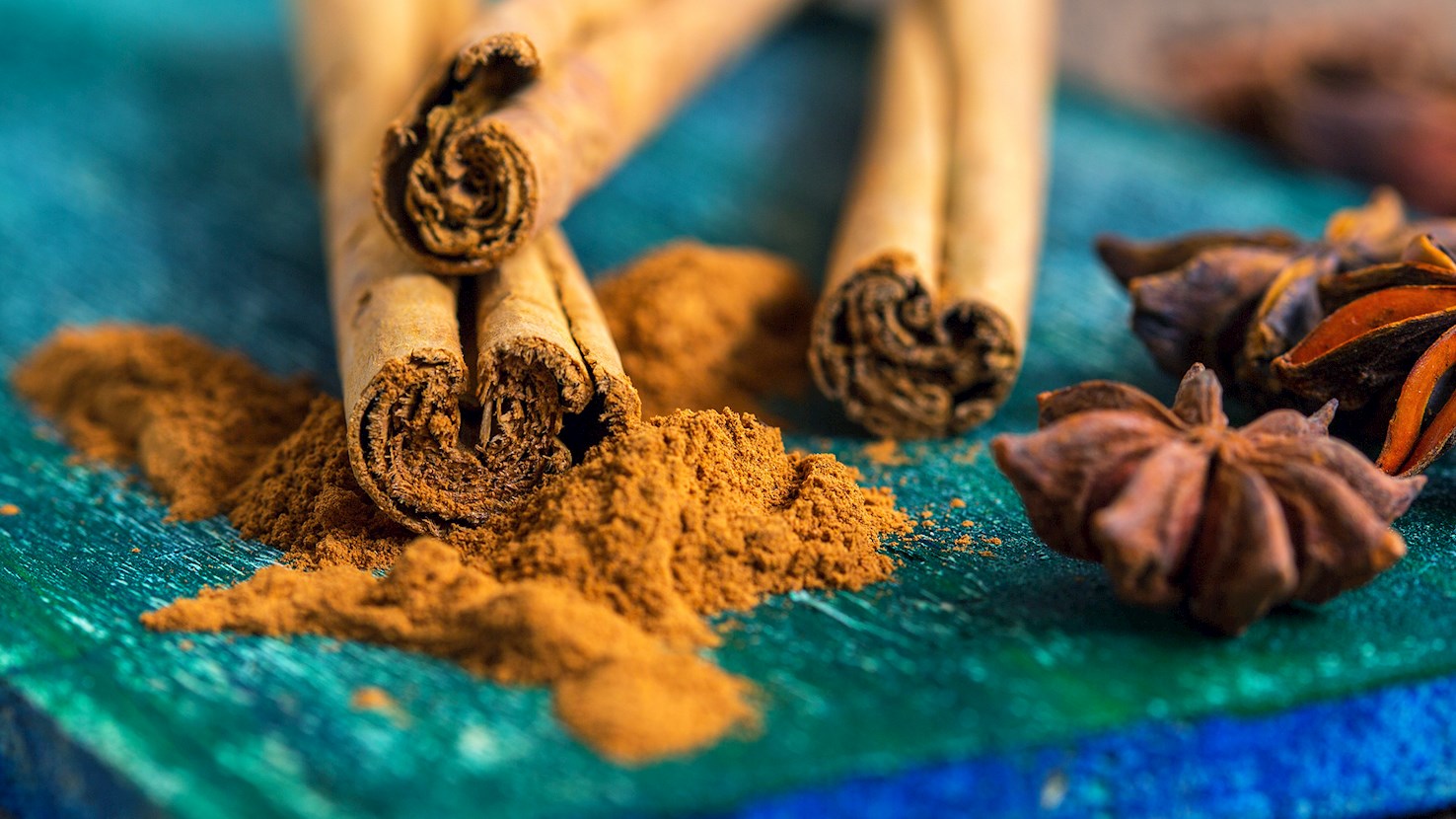
- Spice blends (masalas) — combinations of cumin, coriander, turmeric, cardamom, cloves, fennel, fenugreek, chilies, and more.
- Base aromatics — onions, garlic, ginger.
- Fat carriers — ghee, mustard oil, coconut milk.
- Acidic agents — tamarind, tomato, yogurt.
Every element plays a role in flavor layering, texture, and mouthfeel.
2.1.2 Regional Variations
- North India (Punjab, Uttar Pradesh): Creamy curries with dairy (yogurt, cream, paneer), slow‑cooked gravies, tandoor‑influenced techniques.
- South India (Tamil Nadu, Kerala, Karnataka): Coconut, curry leaves, tamarind; rice and dosa bazaars.
- West India (Gujarat, Maharashtra): Sweet‑savory balances, coastal seafood curries.
- East India (Bengal, Odisha): Mustard and poppy seed pastes; fish curries.
2.2 Techniques and Traditions
- Tadka / Tempering: Spices heated in oil to release aroma before adding to gravies.
- Grinding Masalas: Freshly roasted and ground spices outperform pre‑ground mixes in flavor and depth.
- Layered Cooking: Building complexity through stages ensures balanced heat and flavor.
2.3 Innovation in Indian Curries
Contemporary chefs reinterpret classics:
- Fusion curries — Thai‑Indian crossovers
- Vegan and gluten‑free adaptations
- Deconstructed curries plated with molecular techniques
Indian cuisine is living, evolving, and globally influential.
3. Southeast Asia: Balancing Flavor and Freshness
3.1 Thai Cuisine: Harmony of Five Tastes
Thai food is famed for its balance:
- Sweet (palm sugar)
- Sour (lime, tamarind)
- Salty (fish sauce)
- Bitter
- Spicy (chilies)
Signature dishes like Tom Yum, Green Curry (Gaeng Kiew Wan), and Som Tam (green papaya salad) highlight meticulous harmony.
3.2 Vietnam: Broth, Herbs, and Simplicity
Vietnamese cuisine emphasizes freshness and subtlety:
- Pho: aromatic beef or chicken noodle soup.
- Banh Mi: French‑inspired sandwich with Vietnamese flair.
- Goi Cuon: fresh spring rolls with herbs and dipping sauce.
Vietnamese food is light, aromatic, and herb‑forward, reflecting French colonial influences and indigenous ingredients.
3.3 Indonesia & Malaysia: Rich Aromatics
- Rendang (Indonesia): slow‑cooked beef in coconut and spices.
- Nasi Lemak (Malaysia): coconut rice with sambal, anchovies, and peanuts.
Complex spice pastes (bumbu, rempah) create layers of intensity in these cuisines.
3.4 Innovation in Southeast Asia
Modern Southeast Asian chefs balance tradition with global trends:
- Street food elevated to fine dining
- Local ingredients in avant‑garde presentations
- Crossovers (e.g., Vietnamese tacos, Thai‑Mexican fusion)
4. East Asia: Precision, Technique, and Philosophy
East Asian cuisine — particularly Chinese, Japanese, and Korean — places emphasis on technique, meaning, and sometimes simplicity.
4.1 Chinese Cuisine: Diversity Within Unity
China’s regional cuisines are vast:
- Cantonese: dim sum, delicate steaming, light sauces.
- Sichuan: bold, numbing spice from Sichuan peppercorn.
- Shandong: seafood and soups.
- Jiangsu / Zhejiang: sweet, refined techniques.
Chinese cooking techniques — stir‑frying, steaming, braising — prioritize texture and ingredient integrity.
4.2 Japanese Cuisine: Minimalism and Mastery
Japanese food reflects aesthetic values of simplicity, seasonality (shun), and respect for ingredients.
4.2.1 Sushi: An Art Form
Sushi has evolved from a preservation method (fermented fish with rice) to global culinary art.
- Nigiri: hand‑pressed rice topped with fish.
- Maki: rolled sushi with fillings.
- Sashimi: raw fish without rice.
- Oshi / Temari / Chirashi: regional styles.
Key principles:
- Rice mastery: perfect seasoning (vinegar, sugar, salt balance) and texture.
- Fish quality: freshness, cut precision.
- Umami balance: seaweed, soy, dashi broths.
Sushi chefs train for years to master balance between rice, fish, and seasoning — a discipline blending technical precision with aesthetic restraint.
4.2.2 Other Japanese Classics
- Ramen: complex broth varieties (tonkotsu, shoyu, miso) with precise noodle texture.
- Tempura: batter‑light frying maintaining ingredient purity.
- Kaiseki: multi‑course seasonal meal combining taste, texture, and presentation.
4.3 Korean Cuisine: Spicy, Fermented, and Social
Korean food champions fermented staples like kimchi while celebrating communal eating.
- Bibimbap: rice bowl with vegetables and gochujang (chili paste).
- Bulgogi: marinated grilled beef.
- Jjigae: hearty stews.
Korean cuisine’s bold flavors and fermentation traditions offer a unique textural and taste profile.
5. Central and West Asia: Hearty Grains and Spices
5.1 Central Asian Staples
- Plov / Pilaf: rice pilaf loaded with meat and spices.
- Lagman: hand‑pulled noodle soups.
- Shashlik: skewered meats.
Influences from Silk Road trade routes manifest in spice blends and cooking techniques.
5.2 West Asian (Middle Eastern) Connections
While geographically bridging Asia and Europe, West Asian cuisine’s impact (e.g., kebabs, flatbreads, yogurt sauces) interweaves with Asian traditions, contributing spices, grilling methods, and communal platter dining.
6. The Science and Philosophy of Asian Cooking
Asian culinary philosophy often balances:
- Yin and Yang: cooling vs. warming foods.
- Texture and temperature: crispness, tenderness, broth warmth.
- Umami emphasis: layered savoriness from fermented products (soy, fish sauce, miso), broths, and reductions.
6.1 Techniques That Define Asian Cooking
Across regions, certain foundational techniques recur:
| Technique | Description | Regions |
|---|---|---|
| Stir‑frying (wok) | Rapid high‑heat cooking | China, Southeast Asia |
| Steaming | Gentle cooking preserving texture | China, Japan |
| Simmering broths | Long extraction for depth | Japan (ramen), Vietnam (pho) |
| Fermentation | Flavor and preservation | Korea (kimchi), Japan (miso), Southeast Asia (fish sauce) |
| Grilling over charcoal | Smoky intensity | Korea (bulgogi), Japan (yakitori) |
Mastery of these techniques empowers cooks to extract maximum flavor with minimal waste.
7. Tradition Meets Innovation: Contemporary Trends
As Asian cuisines globalize, chefs reinterpret classic techniques while honoring roots.
7.1 Modern Interpretations of Indian Cuisine
- Deconstructed curries — presentation in layered textures.
- Plant‑based tandoori using jackfruit or tofu.
- Fusion spice blends crossing boundaries.
7.2 Ramen and Sushi Reinvented
- Ramen burgers
- Vegan sushi with creative fillings
- Omakase dessert courses post‑sushi meals
- Broth infusions with local ingredients outside Japan
7.3 Southeast Asian Street Food to Fine Dining
- Elevated banh mi with sous‑vide pork belly
- Thai curries with Pacific seafood
- Vietnamese coffee tiramisu
Chefs balance authenticity with creativity, sparking global culinary dialogues.
8. Ingredients That Define Asian Flavor Profiles
Below is a non‑exhaustive list of staples that shape Asian palettes:
Herbs and Aromatics
- Cilantro, Thai basil, curry leaves
- Ginger, galangal, lemongrass
- Scallions, garlic, shallots
Spices and Pastes
- Turmeric, cumin, coriander
- Gochujang, miso, fish sauce
- Sambal, curry pastes, dashi powder
Carbohydrates
- Rice (jasmine, basmati, short‑grain)
- Noodles (rice, wheat, buckwheat)
- Flatbreads (naan, roti, paratha)
Proteins and Ferments
- Seafood and tofu
- Yogurt and paneer
- Soy products (tempeh, tofu, natto)
These elements serve as building blocks that chefs layer with technique to construct nuanced dishes.
9. Cultural Significance: Food as Identity and Ritual
Food in Asia often intersects with:
- Religion: Hindu fasting foods, Buddhist vegetarian traditions.
- Festivals: Lunar New Year, Diwali sweets, Obon offerings.
- Family and community: Shared meals, street markets, tea culture.
The act of eating is frequently communal — a reflection of collective identity over individualism.
10. Asian Cuisine on the Global Stage
Asian foods have moved from ethnic enclaves to mainstream global menus:
- Sushi bars in New York and London.
- Indian curry houses across Europe and Asia.
- Thai street food in metropolitan cities worldwide.
Globalization has increased appreciation for authenticity, regional specificity, and cultural context over generic “Asian fusion.”
11. A Professional’s Guide to Exploring Asian Flavors
11.1 Building Your Pantry
Stock essentials:
- Rice varieties
- Soy sauce, fish sauce, miso
- Chili pastes and spice blends
- Rice noodles and wheat noodles
- Coconut milk and tamarind
11.2 Techniques to Master
- Controlled wok heat
- Proper broth development
- Rice and noodle texture mastery
- Fermentation basics
11.3 Taste Calibration
Train your palate to detect:
- Balance of sweet, sour, salty, bitter, umami
- Layered heat vs. surface heat
- Texture contrasts (crisp, tender, chewy)
12. Conclusion: Embracing Continuity and Change
Asian cuisine demonstrates that tradition and innovation are not opposites but partners. From the centuries‑old masalas of Indian kitchens to the precise simplicity of Japanese sushi, from fiery Southeast Asian curries to the hearty plovs of Central Asia, these foodways reveal a shared human quest for nourishment, beauty, and meaning.
As chefs and home cooks weave tradition with modern sensibilities, Asian cuisine will continue shaping global gastronomy — honoring its roots while embracing creativity. Exploring these cuisines is not just a journey through flavors but a deeper appreciation of culture, history, and the artistry of food itself.