






Introduction
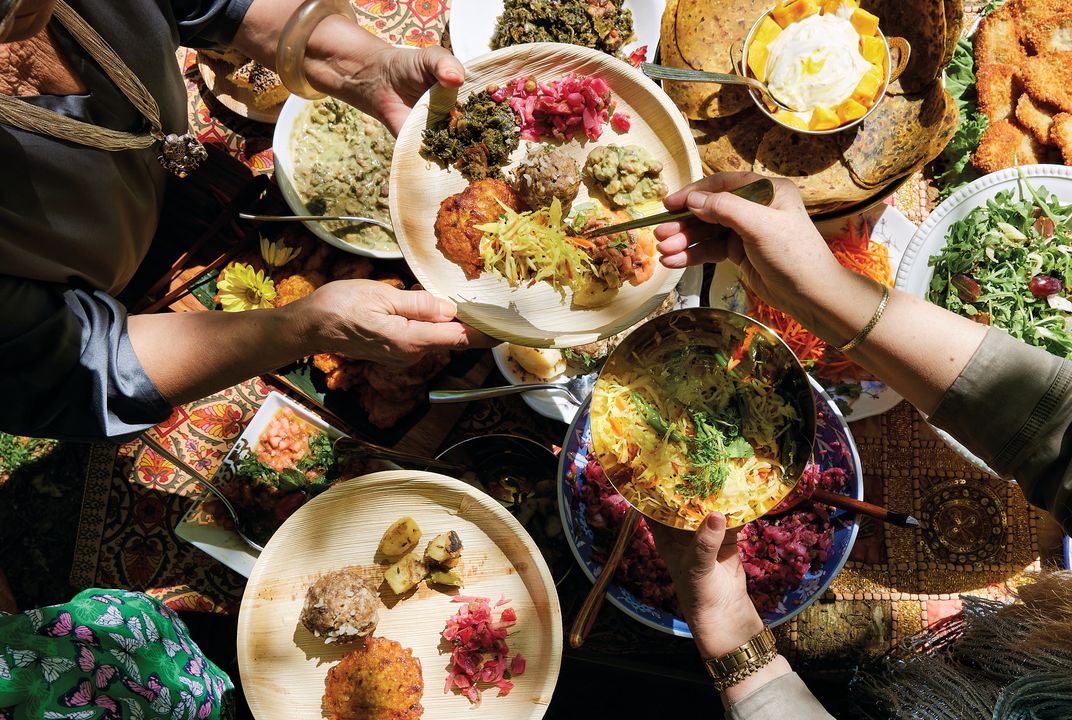
In an increasingly interconnected world, the dining table has become one of the most dynamic sites of cultural exchange. Long before globalization became a common term, food was already crossing borders through trade, migration, conquest, and curiosity. Spices traveled along ancient routes, crops moved between continents, and cooking techniques were shared across civilizations. Today, however, the pace and scale of these exchanges have intensified dramatically. As people, ideas, and ingredients move more freely than ever before, cross-cultural encounters at the table are reshaping how societies understand food.
These encounters do more than expand ingredient lists or introduce new flavors. They challenge deeply rooted culinary traditions, invite reinterpretation of heritage dishes, and encourage cultures to reassess their own food identities. Traditional cuisines, once perceived as fixed and unchanging, are increasingly understood as living systems—capable of adaptation, dialogue, and renewal. At the same time, global exposure has heightened awareness of culinary heritage, prompting renewed efforts to preserve, document, and celebrate traditional foodways.
This essay explores how cross-cultural interactions in food culture promote ingredient diversity and drive a global rethinking of traditional cuisines. By examining historical precedents, contemporary culinary practices, migration, globalization, and the evolving concept of authenticity, we can better understand how cultural collisions at the table are transforming both what we eat and how we interpret culinary tradition.
1. Food as a Medium of Cultural Exchange
1.1 The Universality of Food and Its Cultural Specificity
Food occupies a unique position in human culture. It is universal—everyone eats—yet profoundly specific, shaped by geography, climate, religion, and history. Because of this dual nature, food becomes an ideal medium for cross-cultural exchange. It allows people to encounter unfamiliar cultures in an immediate, sensory way.
When individuals share meals across cultural boundaries, they engage in a form of communication that often precedes language. Taste, aroma, texture, and presentation convey values and worldviews. As a result, the dining table becomes a space where cultural differences are negotiated, understood, and sometimes reconciled.
1.2 Historical Foundations of Culinary Exchange
Cross-cultural culinary exchange is not a modern phenomenon. Ancient trade routes such as the Silk Road facilitated the movement of spices, grains, and cooking techniques between Asia, the Middle East, Europe, and Africa. The Columbian Exchange reshaped global diets by introducing crops like maize, potatoes, tomatoes, and chili peppers across continents.
These historical encounters permanently altered traditional cuisines. What is now considered “authentic” Italian cuisine, for example, would be unimaginable without tomatoes, which originated in the Americas. Such examples remind us that tradition itself is often the result of earlier cultural collisions.
2. Ingredient Diversity Through Cultural Interaction
2.1 Migration and the Expansion of Ingredient Landscapes
Migration has been one of the most powerful drivers of ingredient diversity. As people relocate, they bring culinary knowledge and food preferences with them. In new environments, migrants adapt their cooking to locally available ingredients, often creating hybrid dishes that blend old and new elements.
Over time, these adaptations influence host cultures. Ingredients once considered exotic—such as soy sauce, ginger, turmeric, or olive oil—have become staples in many parts of the world. This process expands not only what people eat, but also how they think about flavor and nutrition.
2.2 Global Trade and Accessibility
Modern supply chains have made ingredients from distant regions widely accessible. Fresh produce, seafood, spices, and specialty products now travel across continents within days. This accessibility enables chefs and home cooks alike to experiment with unfamiliar ingredients, accelerating culinary cross-pollination.
While this global availability raises concerns about sustainability and food sovereignty, it also fosters unprecedented creativity. Ingredient diversity becomes a foundation for innovation, encouraging reinterpretation of traditional dishes through new combinations and techniques.
3. Fusion Cuisine as a Product of Cultural Collision
3.1 Defining Fusion Cuisine Beyond Stereotypes
Fusion cuisine is often misunderstood as a superficial mixing of disparate elements. In reality, meaningful fusion emerges from deep engagement with multiple culinary traditions. It requires understanding not only ingredients, but also techniques, cultural contexts, and symbolic meanings.
At its best, fusion cuisine represents a dialogue rather than a clash. It reflects respect, curiosity, and the desire to create coherence from diversity. Such cuisine is not about novelty for its own sake, but about expanding culinary language.
3.2 Fusion as a Reflection of Social Reality
Fusion cuisine often mirrors social realities in multicultural societies. In cities shaped by migration, second- and third-generation cooks blend inherited food traditions with contemporary influences. Their cooking expresses hybrid identities that do not fit neatly into single cultural categories.
These dishes challenge rigid definitions of tradition and authenticity. They suggest that culinary identity, like cultural identity, is fluid and evolving.
4. Reinterpreting Traditional Cuisines in a Global Context
4.1 Tradition as a Dynamic Process
Traditional cuisines are frequently framed as static, preserved through strict adherence to ancestral recipes. However, historical analysis reveals that tradition is dynamic. Recipes change in response to environmental shifts, economic conditions, and cultural encounters.
Cross-cultural interaction makes this dynamism visible. When traditional dishes are reinterpreted using new ingredients or techniques, they reveal the adaptability that has always been part of culinary tradition.
4.2 Global Audiences and New Perspectives
As traditional cuisines gain global audiences, they are often reexamined through external perspectives. International recognition can elevate previously marginalized food traditions, encouraging pride and preservation.
At the same time, global exposure may lead to reinterpretation. Chefs reinterpret traditional dishes for new contexts, adjusting flavors, presentation, or structure. These reinterpretations can deepen understanding by highlighting aspects of tradition that may have been taken for granted locally.
5. The Role of Chefs as Cultural Interpreters
5.1 Chefs at the Intersection of Cultures
In the modern culinary world, chefs often function as cultural interpreters. Many are trained in multiple culinary traditions, work in international settings, and draw inspiration from diverse food cultures.
By combining techniques and ingredients from different traditions, chefs translate cultural knowledge into edible form. Their menus become narratives of encounter, migration, and exchange.
5.2 Responsibility and Cultural Sensitivity
With this role comes responsibility. Cross-cultural reinterpretation requires sensitivity to history and meaning. When chefs engage deeply with the traditions they draw from, fusion becomes respectful and enriching.
Conversely, superficial borrowing risks reducing cultural elements to aesthetic symbols. Thoughtful reinterpretation acknowledges origins, honors context, and avoids caricature.
6. Authenticity Reconsidered in a Globalized Food Culture
6.1 The Limits of Rigid Authenticity
Authenticity has long been used as a measure of culinary legitimacy. However, in a globalized world shaped by movement and exchange, rigid definitions of authenticity become increasingly problematic.
If cuisines have always evolved through contact, then authenticity cannot mean immutability. Instead, it may be understood as fidelity to underlying values, techniques, or intentions rather than strict replication of past forms.
6.2 Experiential and Contextual Authenticity
Cross-cultural encounters encourage new interpretations of authenticity. A dish may be considered authentic if it genuinely reflects the cultural experience of the person who created it, even if it deviates from historical precedent.
This perspective allows for multiple authentic expressions of a cuisine, shaped by context, geography, and personal history.
7. Rediscovery and Preservation of Traditional Foodways
7.1 Global Interest and Local Revival
Ironically, global attention to traditional cuisines often sparks renewed interest at home. As traditional foods gain international recognition, local communities may revalue practices that were previously overlooked or undervalued.
This phenomenon can lead to revival movements focused on artisanal production, indigenous ingredients, and ancestral techniques. Cross-cultural exposure thus contributes to preservation rather than erasure.
7.2 Documentation and Education
In response to globalization, there is growing effort to document traditional foodways through books, films, and educational programs. These initiatives ensure that reinterpretation does not come at the cost of historical memory.
By preserving knowledge while allowing for innovation, cultures can maintain continuity amid change.
8. Cross-Cultural Dining and Social Understanding
8.1 Food as a Tool for Dialogue
Shared meals create opportunities for dialogue that transcend political and linguistic barriers. Cross-cultural dining encourages curiosity and empathy, allowing individuals to engage with difference in a tangible way.
Through food, abstract concepts such as identity and heritage become accessible and relatable. This makes culinary exchange a powerful tool for social cohesion.
8.2 Challenging Stereotypes Through Taste
Traditional cuisines are often reduced to stereotypes in global discourse. Cross-cultural reinterpretation can challenge these simplifications by revealing complexity and nuance.
When diners encounter innovative interpretations of familiar cuisines, they are prompted to reconsider assumptions and engage more deeply with cultural context.
9. Global Media and the Acceleration of Culinary Exchange
9.1 Digital Platforms and Culinary Visibility
Social media, television, and online platforms have accelerated the spread of food ideas. Chefs and home cooks share recipes, techniques, and stories across borders instantly.
This visibility amplifies cross-cultural interaction, making culinary innovation more democratic while also increasing the speed at which trends emerge and evolve.
9.2 Opportunities and Challenges of Visibility
While global media fosters connection, it also risks oversimplification. Complex traditions may be condensed into visually appealing but shallow representations.
Navigating this tension requires media literacy and a commitment to depth, ensuring that reinterpretation is informed rather than reductive.
10. Sustainability and Ethical Dimensions of Culinary Exchange
10.1 Ingredient Diversity and Environmental Awareness
Cross-cultural encounters expand ingredient diversity, but they also raise questions about sustainability. Importing ingredients from distant regions can increase environmental impact.
In response, many chefs reinterpret traditional dishes using local substitutes, blending global inspiration with regional responsibility. This approach aligns cultural exchange with ecological awareness.
10.2 Ethical Sourcing and Cultural Respect
Ethical considerations extend beyond the environment to include labor practices and cultural recognition. Respectful culinary exchange acknowledges the communities behind ingredients and techniques.
Such awareness transforms cross-cultural dining into an ethical practice rather than mere consumption.
11. Education and the Future of Culinary Interpretation
11.1 Culinary Education in a Global Era
Modern culinary education increasingly emphasizes cross-cultural competence. Students learn not only techniques, but also food history, anthropology, and ethics.
This holistic approach prepares future chefs to engage responsibly with diverse traditions, fostering innovation grounded in understanding.
11.2 Passing Knowledge Across Generations
As cuisines evolve, intergenerational transmission remains vital. Elders pass down traditional knowledge, while younger generations reinterpret it in contemporary contexts.
Cross-cultural encounters enrich this process by introducing new perspectives without severing ties to the past.
12. The Dining Table as a Microcosm of Global Culture
12.1 Food Reflecting Global Interdependence
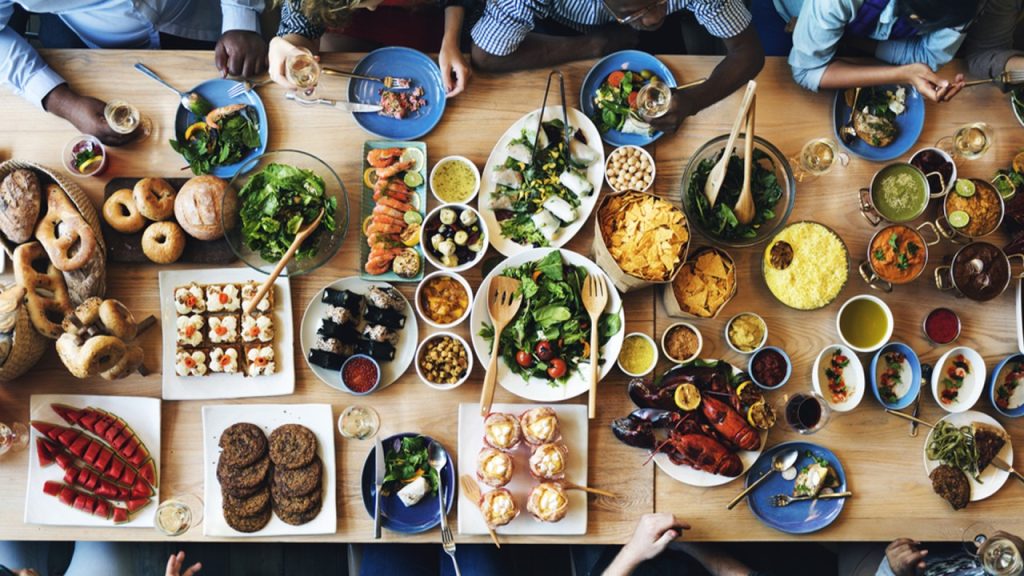
The modern dining table reflects global interdependence. Ingredients, techniques, and ideas converge in a single meal, illustrating how cultures influence one another.
This convergence does not erase difference; rather, it highlights interconnectedness while preserving diversity.
12.2 Toward a Shared Culinary Future
As cross-cultural encounters continue, global cuisine becomes more pluralistic. No single tradition dominates; instead, multiple voices contribute to an evolving conversation.
The reinterpretation of traditional cuisines within this context ensures that heritage remains relevant, meaningful, and alive.
Conclusion
Cross-cultural encounters at the dining table do far more than diversify ingredients or introduce new flavors. They reshape how societies understand food, tradition, and identity. Through migration, globalization, and creative exchange, culinary traditions are continuously reexamined and reinterpreted, revealing their inherent adaptability and resilience.
Rather than threatening tradition, cross-cultural interaction often revitalizes it. By exposing cuisines to new contexts and audiences, it encourages reflection, preservation, and innovation. Traditional foods gain new meanings, while global diners develop deeper appreciation for cultural heritage.
In this sense, the dining table becomes a space where the past and present meet, where local and global intersect, and where cultures engage in ongoing dialogue. As the world continues to change, these culinary collisions will remain a powerful force—nourishing not only bodies, but also understanding across cultures.