






Introduction
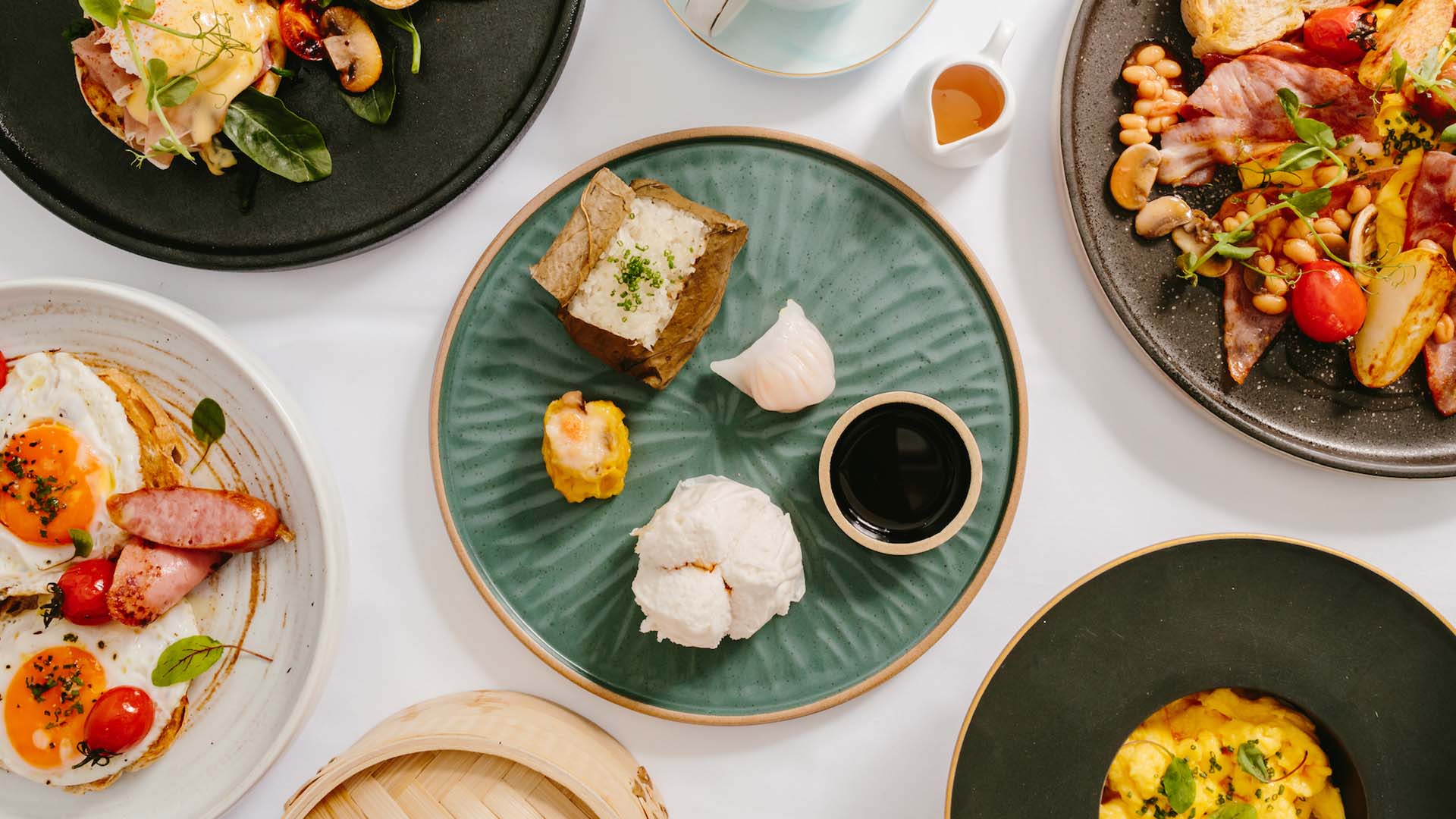
Chinese cuisine is one of the world’s oldest, most diverse, and most influential culinary traditions. With a history spanning thousands of years, it encompasses complex philosophies of balance, regional diversity, seasonal awareness, and technical refinement. Yet Chinese cuisine is not a static cultural artifact preserved in time. Instead, it is a living, evolving system that has traveled across borders, adapted to new environments, and continuously reinvented itself.
As Chinese migrants settled in different parts of the world—particularly in the United States and Europe—Chinese food entered new cultural, economic, and social contexts. In these settings, it encountered unfamiliar ingredients, local tastes, regulatory frameworks, and expectations. The result was not merely the replication of traditional dishes, but the creation of new culinary forms. Over time, these adaptations gave rise to a wide range of “fusion cuisines,” blending Chinese techniques, flavors, and philosophies with Western culinary traditions.
This essay explores how the global spread of Chinese cuisine, especially in the United States and Europe, has generated diverse and influential forms of fusion cuisine. It examines historical migration patterns, the evolution of Chinese food abroad, the role of chefs and consumers in innovation, and the broader cultural implications of culinary fusion. Through this lens, Chinese fusion cuisine emerges not as a dilution of tradition, but as a dynamic expression of cultural exchange, creativity, and identity.
1. Chinese Cuisine as a Dynamic Cultural System
1.1 Philosophical Foundations of Chinese Cooking
At its core, Chinese cuisine is guided by philosophical principles that emphasize harmony and balance. Concepts such as yin and yang, the five flavors (sweet, sour, bitter, spicy, and salty), and the balance between texture, temperature, and aroma inform culinary decision-making. Food is understood not only as nourishment, but as a means of maintaining physical and spiritual equilibrium.
These principles make Chinese cuisine inherently adaptable. Rather than rigid recipes, Chinese cooking often relies on methods, ratios, and sensory judgment. This flexibility allows chefs to respond creatively to new ingredients and contexts without abandoning core values.
1.2 Regional Diversity as a Precondition for Fusion
Even within China, there is no single “Chinese cuisine.” The culinary traditions of Sichuan, Cantonese, Shandong, Jiangsu, Fujian, Hunan, and other regions differ significantly in flavor profiles, techniques, and ingredients. This internal diversity laid the groundwork for adaptation abroad.
When Chinese cuisine traveled overseas, it did not do so as a unified entity, but as a collection of regional practices shaped by the backgrounds of migrants. This diversity made fusion not an anomaly, but a continuation of an existing pattern of culinary evolution.
2. Early Migration and the Global Spread of Chinese Food
2.1 Chinese Migration to the United States
Large-scale Chinese migration to the United States began in the mid-19th century, driven by economic hardship, political instability, and opportunities such as the California Gold Rush and railroad construction. Chinese migrants brought their food traditions with them, establishing small restaurants and communal kitchens as sources of income and cultural continuity.
However, these early immigrants faced significant discrimination, legal restrictions, and social exclusion. Chinese restaurants often catered primarily to fellow migrants, using available ingredients to recreate familiar dishes as closely as possible.
2.2 Chinese Migration to Europe
Chinese migration to Europe followed a different trajectory, occurring later and on a smaller scale. Early Chinese communities emerged in port cities such as London, Paris, and Amsterdam. As in the United States, food businesses became a key economic entry point.
European encounters with Chinese cuisine were shaped by colonial histories, exoticism, and curiosity about the “Orient.” These perceptions influenced how Chinese food was presented, consumed, and eventually transformed.
3. Adaptation and the Birth of Chinese-American Cuisine
3.1 Ingredient Availability and Local Preferences
One of the earliest drivers of culinary fusion was ingredient availability. Traditional Chinese ingredients were often scarce or expensive in the West. Chefs substituted local vegetables, meats, and seasonings, adapting dishes to what was accessible.
At the same time, Chinese restaurateurs adjusted flavors to suit local palates. Dishes became milder, sweeter, or crispier, aligning with American preferences. Over time, these adaptations solidified into a recognizable style known as Chinese-American cuisine.
3.2 Iconic Dishes as Cultural Hybrids
Many dishes now considered classics of Chinese-American cuisine—such as chop suey, General Tso’s chicken, and crab rangoon—have little or no direct counterpart in China. These dishes are products of cultural negotiation, blending Chinese cooking techniques with American ingredients and expectations.
Rather than viewing these dishes as “inauthentic,” it is more accurate to understand them as historical artifacts. They reflect the lived experiences of immigrant communities navigating cultural boundaries through food.
4. Chinese Cuisine in Europe: A Different Path to Fusion
4.1 European Culinary Contexts
European culinary traditions, with their emphasis on sauces, dairy, and formal dining structures, presented different challenges and opportunities for Chinese cuisine. In many European countries, Chinese food initially occupied a niche market, perceived as exotic or informal.
Over time, however, Chinese restaurants diversified, offering both localized dishes and more traditional regional specialties. This dual approach allowed Chinese cuisine to engage more deeply with European food cultures.
4.2 The Rise of Chinese-European Fusion
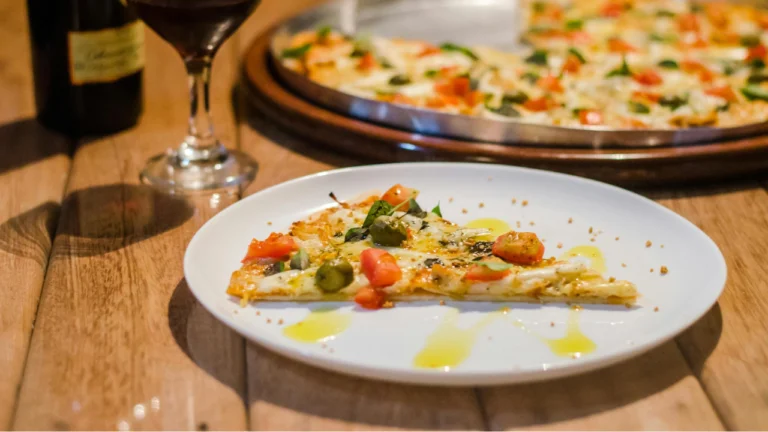
In cities such as London, Paris, and Copenhagen, a new generation of chefs began experimenting with Chinese flavors in high-end contexts. Techniques such as stir-frying, steaming, and fermentation were combined with European ingredients like butter, wine, and local seafood.
These Chinese-European fusion dishes often emphasized refinement and minimalism, aligning with contemporary European fine dining trends while incorporating Chinese culinary logic.
5. Fusion Cuisine as Creative Dialogue
5.1 Beyond East Meets West
Fusion cuisine is often oversimplified as a superficial combination of “Eastern” and “Western” elements. In reality, successful fusion involves deep understanding, respect, and intentionality. Chefs must understand not only flavors, but cultural meanings and techniques.
Chinese fusion cuisine demonstrates how culinary traditions can engage in dialogue rather than competition. When done thoughtfully, fusion creates something new without erasing its sources.
5.2 The Role of Technique and Philosophy
Chinese techniques such as wok cooking, knife work, and sauce balancing have influenced Western kitchens. Conversely, Western techniques like plating aesthetics and wine pairing have reshaped how Chinese-inspired dishes are presented.
At the philosophical level, Chinese concepts of harmony and seasonality resonate with modern global culinary movements focused on sustainability and ingredient-driven cooking.
6. Second-Generation Chefs and Identity-Based Innovation
6.1 Negotiating Cultural Identity Through Food
Second- and third-generation Chinese chefs in the United States and Europe often grow up navigating multiple cultural identities. For many, fusion cuisine becomes a way to reconcile heritage with lived experience.
These chefs use food to tell personal stories—combining childhood flavors with professional training. Their dishes challenge rigid definitions of authenticity and assert that identity is dynamic rather than fixed.
6.2 Redefining Authenticity
Authenticity in cuisine is often treated as a static benchmark tied to geography or tradition. Fusion cuisine questions this notion by demonstrating that authenticity can also be experiential and contextual.
A dish may be authentic not because it replicates a traditional recipe, but because it honestly reflects the chef’s background, environment, and intention.
7. Commercialization, Globalization, and Cultural Perception
7.1 Mass Market Fusion and Its Limitations
The popularity of Chinese fusion cuisine has led to commercialization, with fast-casual chains and packaged foods offering simplified versions of fusion dishes. While this increases accessibility, it can also flatten complexity and reinforce stereotypes.
In such cases, fusion risks becoming a marketing label rather than a meaningful culinary practice.
7.2 Cultural Appreciation vs. Appropriation
The global popularity of Chinese flavors raises important questions about cultural ownership and representation. When chefs outside the Chinese diaspora use Chinese elements, the line between appreciation and appropriation becomes significant.
Responsible fusion requires acknowledgment of sources, respect for cultural context, and avoidance of caricature. When these principles are upheld, fusion can promote cross-cultural understanding rather than exploitation.
8. Chinese Fusion Cuisine in Fine Dining
8.1 Elevation Without Erasure
In recent decades, Chinese fusion cuisine has entered the realm of fine dining. High-end restaurants incorporate Chinese ingredients and techniques into tasting menus, often emphasizing craftsmanship and storytelling.
This elevation challenges historical hierarchies that marginalized immigrant cuisines. However, it also raises concerns about whose voices are amplified and whose traditions are reinterpreted.
8.2 Innovation Rooted in Knowledge
The most compelling fine-dining fusion emerges from deep culinary literacy. Chefs who study regional Chinese cuisines, languages, and food histories are better equipped to innovate responsibly.
Such innovation demonstrates that fusion is not about novelty for its own sake, but about expanding culinary language through informed creativity.
9. The Social Impact of Chinese Fusion Cuisine
9.1 Changing Perceptions of Chinese Food
Fusion cuisine has played a role in shifting how Chinese food is perceived in the West. Moving beyond the image of inexpensive takeout, Chinese-inspired dishes now appear in diverse contexts, from street food to Michelin-starred restaurants.
This shift contributes to broader recognition of Chinese cuisine as complex, sophisticated, and worthy of serious culinary discourse.
9.2 Food as Cultural Bridge
Chinese fusion cuisine serves as a cultural bridge, making unfamiliar flavors approachable while encouraging curiosity about their origins. For many diners, fusion dishes are an entry point into deeper exploration of Chinese culinary traditions.
In this way, fusion cuisine facilitates dialogue, empathy, and cultural exchange.
10. The Future of Chinese Fusion Cuisine
10.1 Sustainability and Local Adaptation
As global food systems face environmental challenges, fusion cuisine increasingly emphasizes sustainability and locality. Chinese techniques adapt well to plant-forward cooking, whole-animal usage, and resource efficiency.
Future fusion is likely to focus less on novelty and more on responsible integration of Chinese culinary wisdom into local ecosystems.
10.2 A Continuing Evolution
Chinese fusion cuisine will continue to evolve as migration patterns, technology, and cultural attitudes change. New generations of chefs will reinterpret tradition through their own experiences, ensuring that Chinese cuisine remains dynamic and relevant.
Rather than signaling the loss of tradition, fusion represents its survival—proof that Chinese cuisine can grow without losing its soul.
Conclusion
The spread of Chinese cuisine to the United States and Europe has been one of the most significant culinary journeys in modern history. Through migration, adaptation, and innovation, Chinese food has transformed from a marker of ethnic identity into a global culinary force. Along the way, it has given rise to diverse forms of fusion cuisine that reflect cultural exchange, creativity, and resilience.
Chinese fusion cuisine is not a deviation from tradition, but an extension of it. Rooted in adaptability, philosophical depth, and regional diversity, Chinese cuisine has always evolved in response to new environments. In the West, this evolution has produced dishes and dining experiences that speak to complex histories of migration, identity, and globalization.
By understanding Chinese fusion cuisine as a meaningful cultural dialogue rather than a superficial trend, we can appreciate it as one of the most compelling expressions of contemporary food culture—one that honors the past while continually redefining the future.
创建你的首张图片
有灵感了?试用我们最新设计的风格和滤镜,或者从零开始构思。
立即试用
 素描
素描
 节日肖像风格
 戏剧风格
戏剧风格
 毛绒玩偶
毛绒玩偶
 复古动漫
复古动漫
 棒球摇头公仔
 涂鸦
涂鸦
 3D 奢华玩偶风格
 糖霜饼干
糖霜饼干
 鱼眼
鱼眼
 水墨线描
水墨线描
 波普艺术
波普艺术
 玻璃饰品
玻璃饰品
 艺术学院
艺术学院