





Introduction
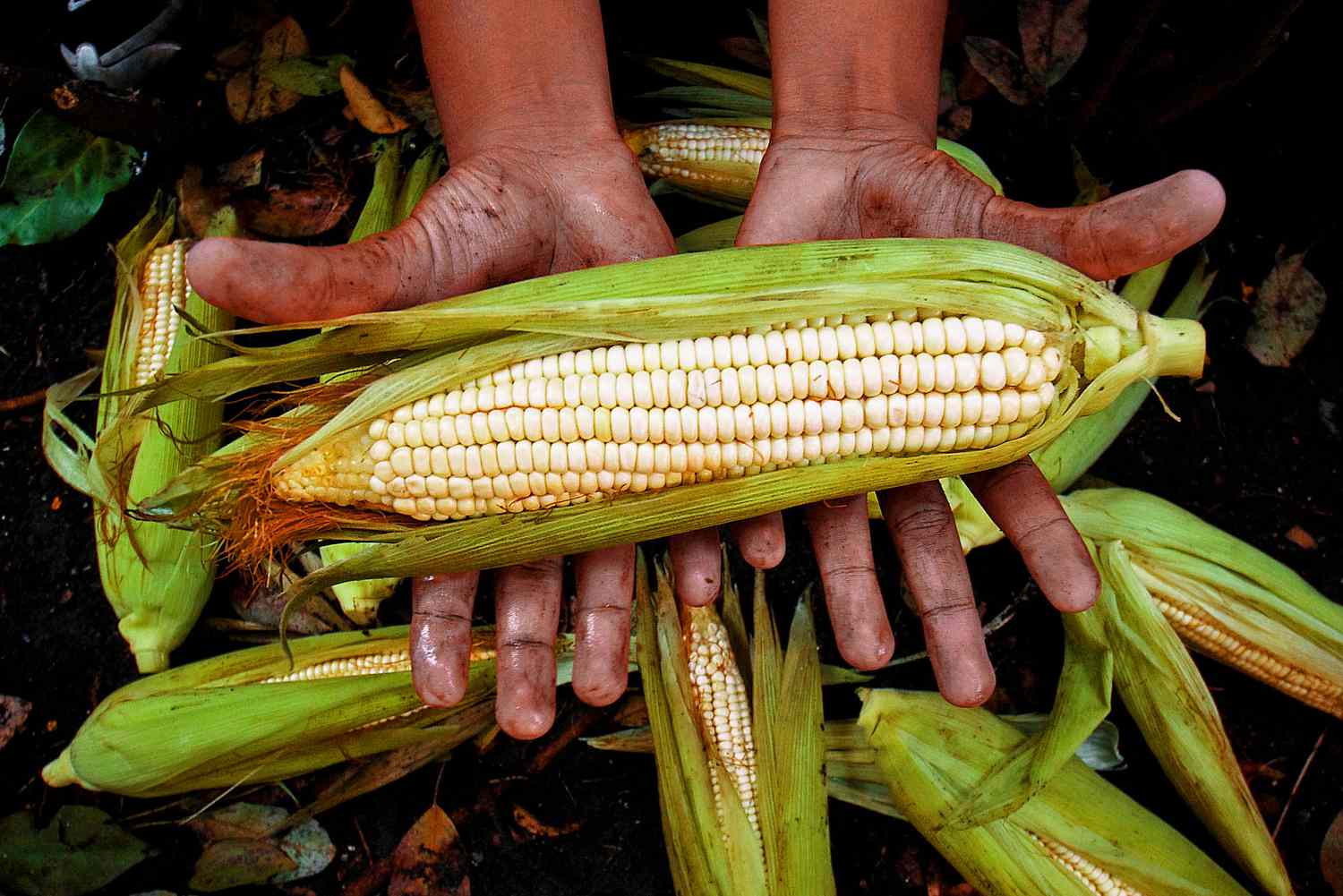
Maize, commonly known as corn, is far more than a staple crop in Mexico. It is a cultural foundation, a spiritual symbol, an economic backbone, and a living expression of Mexican identity. To understand Mexico without understanding maize is to miss one of the deepest threads that connects its past to its present. From ancient creation myths to everyday meals, from rural milpas to modern debates on food sovereignty, maize occupies a central place in Mexican life.
Unlike many foods that enter a culture through trade or colonization, maize is indigenous to Mesoamerica. It was domesticated thousands of years ago and has shaped the development of civilizations, social structures, religious systems, and culinary traditions. Even today, maize continues to define how Mexicans eat, farm, celebrate, and understand themselves.
This essay examines maize as a core element of Mexican culture from historical, agricultural, spiritual, culinary, social, and political perspectives. By exploring its origins, symbolism, and contemporary significance, we can see why maize is not merely an ingredient in Mexico, but a cornerstone of cultural continuity and resilience.
1. The Origins of Maize in Mesoamerica
1.1 Domestication and Early Agriculture
Maize was domesticated in what is now southern Mexico approximately 9,000 years ago, from a wild grass known as teosinte. This process was not a single event but a long and complex interaction between humans and nature. Early Mesoamerican farmers selectively cultivated plants with desirable traits, gradually transforming teosinte into the maize varieties we recognize today.
This agricultural innovation allowed for more stable food supplies, population growth, and the development of complex societies. Maize became the foundation of the milpa system, a sustainable agricultural model that intercropped maize with beans, squash, and other plants. The milpa not only provided balanced nutrition but also reflected a deep understanding of ecological relationships.
1.2 Maize and the Rise of Civilization
The domestication of maize played a decisive role in the emergence of major Mesoamerican civilizations, including the Olmec, Maya, Zapotec, and later the Mexica (Aztec). Maize supported urban centers, specialized labor, and elaborate political systems.
Unlike wheat-based civilizations in other parts of the world, Mesoamerican societies developed around maize as their primary carbohydrate. This shaped settlement patterns, trade networks, and cultural practices, embedding maize into every level of social organization.
2. Maize in Mythology and Spiritual Life
2.1 Humans Made of Maize
In Mesoamerican cosmology, maize is not just food—it is the substance of human existence. One of the most famous examples appears in the Popol Vuh, the sacred book of the Maya. According to this text, the gods attempted several times to create humans, but only succeeded when they used maize dough. Humanity, therefore, is literally made of maize.
This belief illustrates the profound spiritual connection between people and corn. Maize is life-giving, sacred, and inseparable from human identity. Eating maize is not merely nourishment; it is a reaffirmation of existence and belonging.
2.2 Deities and Rituals
Maize was personified through deities such as Centeotl (the Aztec maize god) and Chicomecóatl (goddess of nourishment). These gods were honored through rituals, offerings, and festivals aligned with agricultural cycles.
Planting and harvest seasons were marked by ceremonies that expressed gratitude and sought balance between humans and the natural world. Even today, in many indigenous communities, traditional rituals honoring maize continue, blending pre-Hispanic beliefs with Christian practices.
3. Maize as the Foundation of Mexican Cuisine
3.1 Nixtamalization: A Transformative Technology
One of the most important contributions of Mesoamerican culture to global gastronomy is nixtamalization—the process of cooking maize in an alkaline solution (usually limewater) and then grinding it into dough (masa). This technique improves the nutritional value of maize by increasing bioavailable niacin and calcium, while also enhancing flavor and texture.
Nixtamalization is a sophisticated culinary technology developed long before modern nutritional science. It demonstrates how deeply knowledge of maize is embedded in Mexican culture, passed down through generations as both tradition and necessity.
3.2 Tortillas, Tamales, and Beyond
Maize-based foods form the heart of Mexican cuisine. Tortillas are the most iconic example, serving as both food and utensil, plate and sustenance. Tamales, made from masa filled with meats, vegetables, or sweets and steamed in corn husks, carry ceremonial and communal significance.
Other maize-based foods include atole, pozole, tlacoyos, sopes, and elotes. Each dish varies by region, reflecting local maize varieties, climates, and cultural histories. Despite this diversity, maize remains the unifying element across Mexican culinary landscapes.
4. Regional Diversity and Native Maize Varieties
4.1 A Wealth of Biodiversity
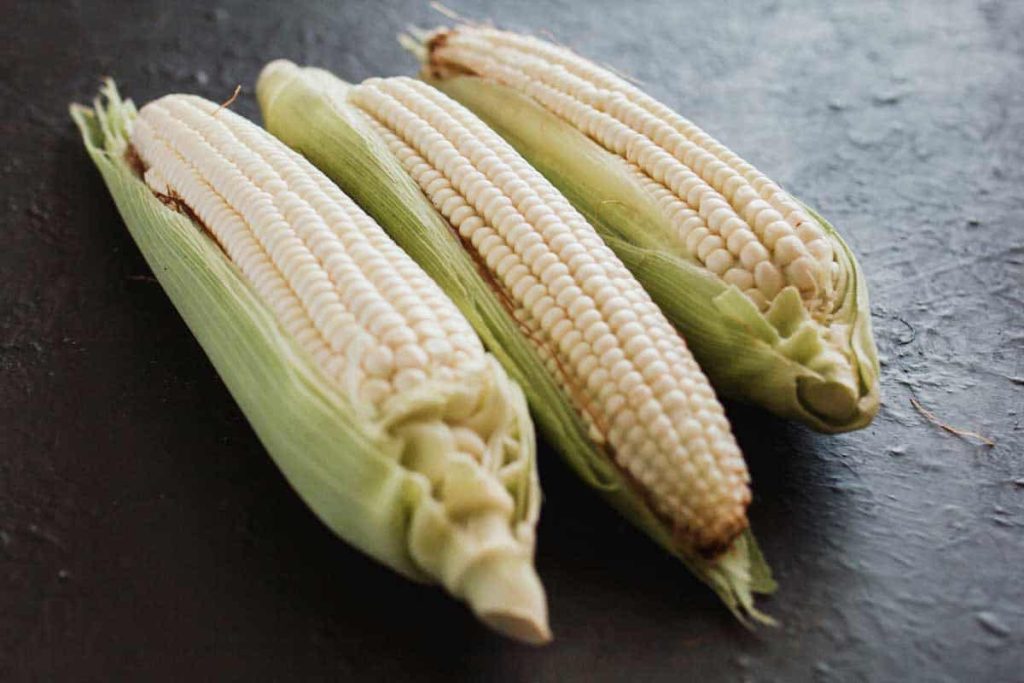
Mexico is home to more than 60 recognized native maize varieties, each adapted to specific altitudes, climates, and soils. These include white, yellow, red, blue, purple, and black maize, with distinct flavors and culinary uses.
This biodiversity is the result of centuries of careful selection by indigenous and rural farmers. Seeds are saved, exchanged, and protected as cultural heritage rather than commercial property. Each variety carries local knowledge, history, and identity.
4.2 Maize and Regional Identity
In many regions, specific maize varieties are closely associated with local identity. Blue maize in central Mexico, for example, is prized for its flavor and symbolic value, while large-kernel maize varieties are essential for dishes like pozole.
These regional preferences reinforce the idea that maize is not a monolithic crop, but a living expression of Mexico’s cultural plurality.
5. Maize, Community, and Daily Life
5.1 The Social Role of Maize Preparation
Traditionally, maize preparation is a communal activity. Grinding nixtamal on a metate, shaping tortillas, or preparing tamales for festivals involves shared labor, conversation, and intergenerational learning.
These practices strengthen family bonds and transmit cultural knowledge. Even as modern appliances replace some traditional tools, the social meaning of maize preparation remains deeply rooted in Mexican households.
5.2 Maize in Celebrations and Life Cycles
Maize appears at every stage of life—from birth celebrations to funerals. Tamales and atole are commonly served during religious holidays, weddings, and communal gatherings. These foods symbolize abundance, continuity, and collective care.
Through these rituals, maize becomes a language of hospitality and belonging.
6. Colonialism and the Transformation of Maize Culture
6.1 Resistance Through Food
The Spanish colonization of Mexico introduced new crops such as wheat, rice, and livestock. While these foods altered Mexican cuisine, maize remained central, especially among indigenous and rural populations.
In many ways, the persistence of maize-based diets became a form of cultural resistance. Despite political domination, indigenous foodways survived, preserving identity through daily practice.
6.2 Syncretism and Adaptation
Colonial influence also led to culinary syncretism. Maize dishes incorporated new ingredients like pork, cheese, and spices, creating hybrid cuisines that are now considered quintessentially Mexican.
This adaptability demonstrates the resilience of maize culture—it absorbs change without losing its core significance.
7. Maize in the Modern Mexican Economy and Politics
7.1 Food Sovereignty and Globalization
In the modern era, maize has become a focal point of political debate in Mexico. Trade agreements, industrial agriculture, and genetically modified corn have raised concerns about food sovereignty, biodiversity loss, and farmer livelihoods.
For many Mexicans, defending native maize is not only an environmental issue but a cultural and ethical one. It is about preserving autonomy, heritage, and the right to define one’s own food system.
7.2 Urbanization and Cultural Continuity
As Mexico urbanizes, traditional maize practices face challenges. However, there is also a growing movement to revive artisanal tortillas, heirloom maize, and traditional farming methods.
Chefs, activists, and consumers increasingly recognize maize as a symbol of national identity worth protecting and celebrating.
8. Maize in Art, Language, and Symbolism
8.1 Artistic Representations
Maize appears frequently in Mexican art, from pre-Hispanic carvings to contemporary murals. Artists depict maize as a symbol of fertility, struggle, and endurance, often linking it to themes of land and social justice.
8.2 Language and Metaphor
Maize is deeply embedded in Mexican language and metaphor. Expressions related to tortillas, kernels, and harvests reflect everyday realities and shared cultural understanding. Language itself becomes a vehicle for maize-centered worldview.
9. Maize and the Future of Mexican Identity
9.1 Sustainability and Ancestral Knowledge
Traditional maize cultivation methods offer valuable lessons for sustainable agriculture. The milpa system promotes soil health, biodiversity, and climate resilience—principles increasingly relevant in a changing world.
By valuing ancestral knowledge, Mexico can address modern challenges without severing ties to its cultural roots.
9.2 Passing Maize Culture to Future Generations
Education, cultural initiatives, and community-based agriculture play a crucial role in ensuring that maize culture continues. Teaching children where food comes from and why maize matters helps preserve identity in an increasingly globalized society.
Conclusion
Maize is not simply one element of Mexican culture—it is its backbone. It shapes mythology, sustains communities, defines cuisine, and anchors identity across centuries of change. From ancient creation stories to modern political struggles, maize remains a powerful symbol of life, resilience, and belonging.
To eat maize in Mexico is to participate in a cultural continuum that connects the living with their ancestors and the land. It is a daily act of remembrance and renewal. As Mexico moves forward in a rapidly changing world, maize continues to stand at the center—not as a relic of the past, but as a living, evolving expression of what it means to be Mexican.