





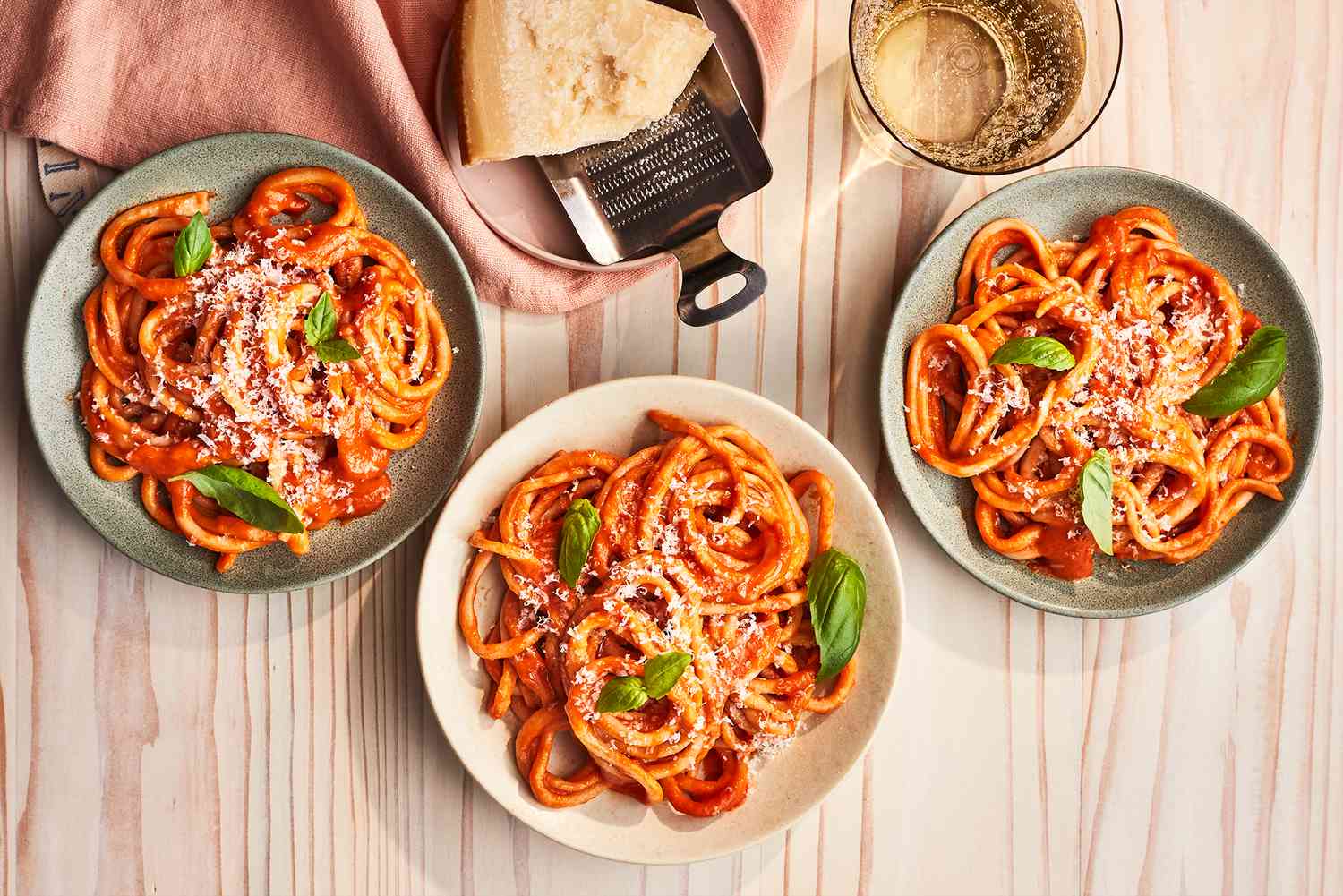

Italian cuisine, celebrated worldwide for its balance of simplicity and sophistication, reflects the diverse geography, culture, and history of the Italian peninsula. From the rolling hills of Tuscany to the sun-soaked coasts of Sicily, local ingredients, culinary techniques, and traditions shape the iconic flavors that define Italian cooking. Among the many dishes that epitomize Italian gastronomy, two stand out for their regional distinctiveness: Tuscany’s simple olive oil pasta (pasta all’olio d’oliva) and Sicily’s seafood pasta (pasta ai frutti di mare).
These dishes, though contrasting in complexity and ingredient focus, demonstrate the core principles of Italian cuisine: seasonality, freshness, regional identity, and the celebration of high-quality ingredients. This article explores their history, ingredients, preparation methods, cultural significance, nutritional value, and their broader contribution to the diversity of Italian culinary art.
The Essence of Italian Regional Cuisine
Italy’s culinary landscape is highly regional, shaped by geography, climate, and historical influences:
- Tuscany: Central Italy, known for rolling hills, olive groves, and vineyards. Cuisine emphasizes simplicity, robust flavors, and reliance on local ingredients.
- Sicily: Southern island with Mediterranean access, blending Arab, Greek, and Spanish culinary influences. Food here emphasizes seafood, citrus, and aromatic herbs.
- Northern Italy: Butter, cream, rice, and polenta dominate.
- Central Italy: Olive oil, tomatoes, and wheat-based dishes prevail.
- Southern Italy: Tomatoes, capers, olives, and seafood define the culinary identity.
The contrast between Tuscan and Sicilian dishes illustrates how geography and culture influence flavor profiles and techniques, providing a microcosm of Italian cuisine’s richness.
Tuscany’s Simple Olive Oil Pasta
Tuscany, often regarded as the birthplace of the “cucina povera” (peasant cooking) philosophy, emphasizes simplicity, quality ingredients, and minimal preparation.
Ingredients
- Pasta: Typically spaghetti, linguine, or pici (hand-rolled thick spaghetti).
- Extra Virgin Olive Oil (EVOO): Tuscan olive oil, renowned for its robust, peppery flavor, forms the dish’s backbone.
- Garlic: Lightly sautéed to impart aroma without overpowering.
- Fresh Herbs: Parsley or basil for subtle freshness.
- Optional Additions: Chili flakes, grated Pecorino Toscano cheese.
The dish is a paragon of minimalism, relying on ingredient quality and balance rather than complexity.
Preparation Techniques
- Boiling Pasta: Al dente texture is essential; the pasta should be firm yet tender.
- Olive Oil Infusion: EVOO is gently warmed with garlic and herbs to release flavors.
- Combining Pasta and Sauce: Pasta is tossed in the infused oil, allowing the oil to coat each strand evenly.
- Finishing Touches: Chili flakes or grated cheese enhance flavor while preserving simplicity.
Flavor Philosophy
- Purity of Ingredients: Every ingredient’s taste must shine.
- Texture Balance: Al dente pasta contrasts with the smoothness of olive oil.
- Aromatic Harmony: Minimalist seasoning emphasizes aroma and freshness.
Tuscan olive oil pasta exemplifies the “less is more” approach in Italian cuisine.
Sicily’s Seafood Pasta
Sicilian cuisine, shaped by the island’s Mediterranean location and multicultural history, celebrates seafood as a primary ingredient.
Ingredients
- Pasta: Spaghetti, linguine, or vermicelli, chosen for texture compatibility with seafood.
- Seafood: Clams, mussels, shrimp, calamari, or local fish.
- Olive Oil: Sicilian EVOO provides a lighter, fruitier base than Tuscan oil.
- Aromatics: Garlic, fresh parsley, and sometimes chili flakes.
- Additional Flavors: White wine, lemon zest, or cherry tomatoes to enhance freshness.
The dish reflects seasonal availability and the island’s maritime culture, often prepared with freshly caught seafood from local markets.
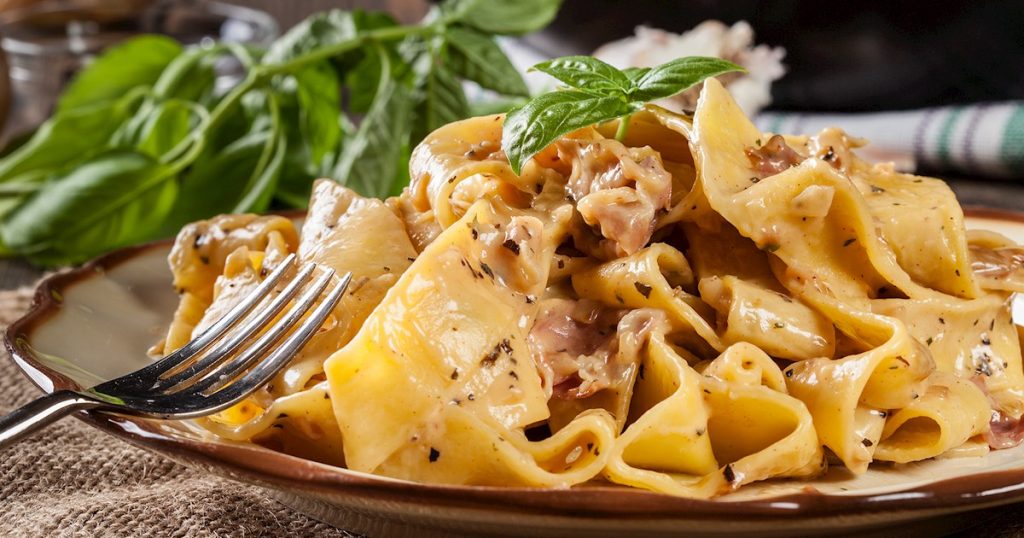
Preparation Techniques
- Cleaning Seafood: Proper cleaning ensures flavor clarity.
- Cooking Seafood: Steaming shellfish or lightly sautéing ensures tenderness.
- Creating the Sauce: Olive oil, garlic, and optional wine combine with pasta cooking water to form a light, flavorful emulsion.
- Tossing Pasta: Pasta is combined with seafood and sauce just before serving.
- Finishing Touches: Fresh parsley, lemon zest, and sometimes a drizzle of EVOO complete the dish.
Flavor Philosophy
- Freshness First: Seafood must be at peak freshness to define the dish.
- Light, Balanced Sauce: Olive oil and cooking water bind ingredients without overpowering.
- Mediterranean Notes: Herbs, lemon, and wine evoke the Sicilian coastline.
Seafood pasta illustrates Italy’s regional culinary identity, connecting land, sea, and culture.
Comparing Tuscan and Sicilian Approaches
| Aspect | Tuscan Olive Oil Pasta | Sicilian Seafood Pasta |
|---|---|---|
| Core Ingredient | Olive oil | Seafood |
| Cooking Complexity | Minimal | Moderate |
| Flavor Profile | Robust, simple, aromatic | Fresh, briny, citrusy |
| Regional Influence | Land-based, rural | Maritime, multicultural |
| Cultural Philosophy | Cucina povera, simplicity | Celebration of freshness, abundance |
These dishes showcase Italy’s culinary diversity, where regional context shapes ingredient choice, technique, and taste.
Nutritional Value and Health Benefits
Both dishes demonstrate Mediterranean diet principles, emphasizing health alongside taste:
- Tuscan Olive Oil Pasta: High in monounsaturated fats, antioxidants from olive oil, moderate carbohydrates, low in processed ingredients.
- Sicilian Seafood Pasta: Lean protein from seafood, omega-3 fatty acids, and essential minerals like iodine and selenium.
- Shared Benefits: High fiber (if whole-grain pasta is used), vitamins from herbs, low added sugars.
Italian cuisine proves that flavor and nutrition can coexist naturally, especially when regional ingredients are emphasized.
Cultural Significance
Both Tuscan and Sicilian pastas reflect broader Italian cultural values:
- Tuscany: Emphasizes resourcefulness, simplicity, and deep respect for high-quality local ingredients.
- Sicily: Represents abundance, celebration, and a fusion of cultures (Greek, Arab, Norman, Spanish) that shaped the island’s identity.
- Family and Social Bonds: Meals are central to gatherings, whether simple weekday dinners or festive occasions.
- Seasonality and Sustainability: Ingredients are chosen based on availability, reflecting respect for nature and tradition.
Cuisine serves as both identity and expression, tying food to history, geography, and social structure.
Global Influence and Modern Adaptations
Italian pasta has become a global culinary language, with Tuscan and Sicilian dishes inspiring chefs worldwide:
- Fusion Interpretations: Olive oil pasta is paired with international ingredients like truffles, mushrooms, or sun-dried tomatoes.
- Seafood Pasta Abroad: Italian-American, Australian, and Japanese adaptations highlight regional ingredient integration while retaining Mediterranean essence.
- Cooking Education: Culinary schools teach Italian techniques emphasizing ingredient integrity, balance, and simplicity.
- Sustainability Trends: Modern chefs focus on responsibly sourced seafood and organic produce, aligning with traditional values.
The international popularity of these dishes underscores Italy’s enduring culinary influence.
Practical Tips for Cooking and Tasting
- Select High-Quality Olive Oil: A fruity, robust EVOO is essential for Tuscan pasta.
- Prioritize Fresh Seafood: For Sicilian pasta, freshness is non-negotiable.
- Al Dente Pasta: Correct texture enhances both flavor and mouthfeel.
- Minimalist Seasoning: Let ingredients shine; avoid overpowering spices.
- Pair with Regional Wines: Tuscan white wines with olive oil pasta; Sicilian whites with seafood pasta elevate the experience.
Attention to these details transforms a simple recipe into an authentic regional experience.
Conclusion
Tuscan olive oil pasta and Sicilian seafood pasta exemplify the richness and diversity of Italian cuisine. While one celebrates simplicity, quality, and land-based tradition, the other showcases abundance, maritime heritage, and layered flavors. Together, they illustrate Italy’s ability to harmonize regional ingredients, historical influences, and culinary philosophy into dishes that are both timeless and globally admired.
These recipes remind us that Italian cuisine is not only about elaborate sauces or complex preparation—it is a celebration of freshness, seasonality, and the connection between food, culture, and place. By exploring these regional specialties, one gains insight into the breadth of Italian culinary artistry and the depth of its cultural narrative, making every meal a story on a plate.