





Europe has long been regarded as a pivotal center for the development of global cuisine, producing dishes and culinary traditions that have influenced every corner of the world. Beyond its historical role as a food origin, Europe boasts an unparalleled diversity of flavors, techniques, and cultural narratives that continue to define contemporary gastronomy. From the delicate sauces of France to the hearty stews of Eastern Europe, Europe’s culinary heritage provides a rich tapestry of taste, history, and innovation.
This article delves deeply into the history, regional diversity, signature ingredients, iconic dishes, culinary techniques, cultural significance, nutrition, global impact, and modern evolution of European cuisine, offering a comprehensive exploration of why Europe remains a cornerstone of the world’s culinary identity.
The Historical Roots of European Cuisine
European cuisine is the result of millennia of cultural exchange, trade, and innovation. Its development can be traced through several key historical periods:
Ancient Influences
- Greece and Rome: The foundations of Mediterranean cuisine were laid in ancient Greece and Rome, with a focus on grains, olive oil, wine, vegetables, and seafood. Roman texts, such as Apicius, document early cooking techniques and recipes that influenced centuries of culinary practice.
- Spices and Trade: Early European societies began importing spices and herbs from Asia and the Middle East, integrating flavors like pepper, saffron, and cinnamon into local dishes.
Medieval Innovations
- Feudal Kitchens: Nobility influenced food development with access to game, imported spices, and sugar. Recipes from this era often combined sweet and savory elements, a tradition visible in modern European sauces.
- Monastic Influence: Monasteries preserved culinary knowledge, developed cheese-making, brewing, and horticulture, contributing to Europe’s gastronomic diversity.
Renaissance and Beyond
- Culinary Revolution: The Renaissance introduced new ingredients from the Americas, such as tomatoes, potatoes, and maize, transforming European cooking.
- Regional Specialization: Distinct regional cuisines emerged, influenced by geography, climate, and cultural interactions.
Europe’s cuisine is therefore an intricate blend of indigenous traditions and global influences, reflecting historical, social, and environmental dynamics.
Core Regional Diversity
Europe’s culinary identity is highly regionalized, with each area offering distinctive flavors and techniques.
Mediterranean Europe
- Countries: France, Italy, Spain, Greece
- Characteristics: Fresh vegetables, olive oil, seafood, herbs (basil, oregano, thyme), legumes, grains
- Iconic Dishes: Ratatouille (France), Paella (Spain), Pasta al Pomodoro (Italy), Moussaka (Greece)
- Techniques: Slow cooking, grilling, braising, use of sauces and reductions
Central Europe
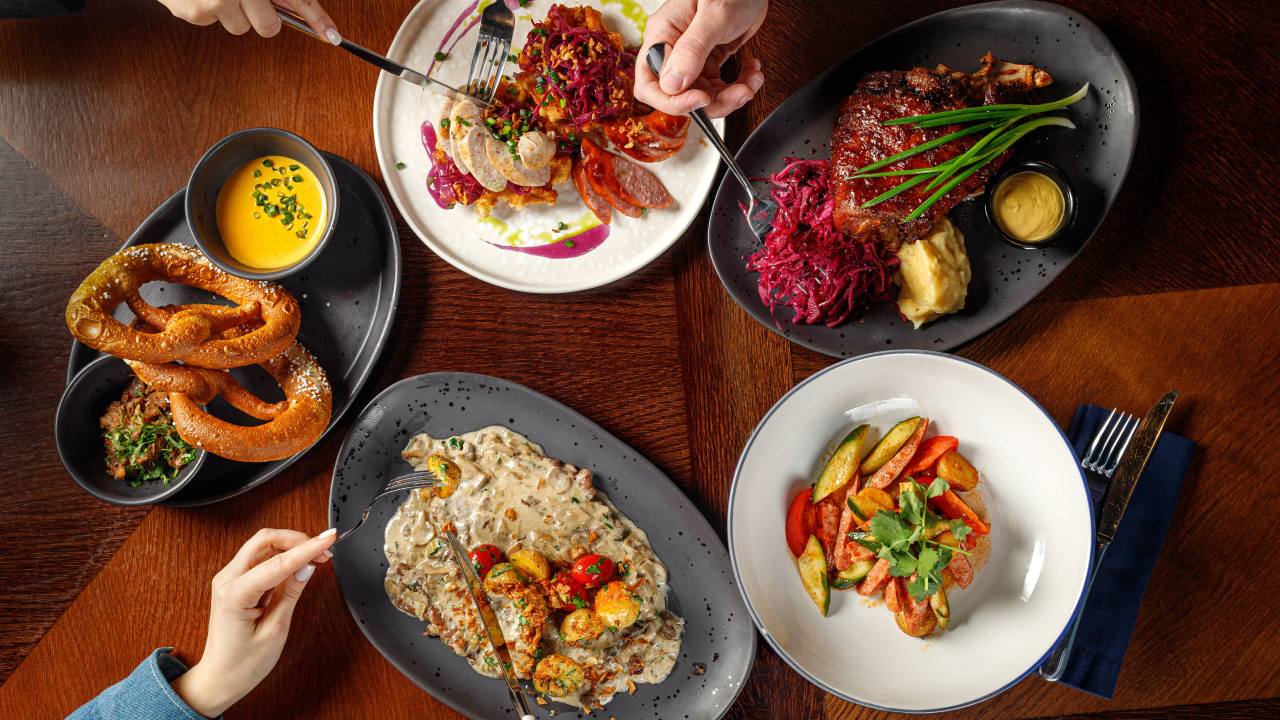
- Countries: Germany, Austria, Switzerland, Hungary, Czech Republic
- Characteristics: Hearty dishes, meats, potatoes, cabbage, breads
- Iconic Dishes: Wiener Schnitzel, Goulash, Sauerkraut, Pretzels
- Techniques: Roasting, baking, pickling, fermentation
Northern Europe
- Countries: Scandinavia, UK, Ireland
- Characteristics: Seafood, dairy, root vegetables, preserved foods
- Iconic Dishes: Smørrebrød (Denmark), Fish and Chips (UK), Gravlax (Sweden)
- Techniques: Smoking, curing, pickling, baking
Eastern Europe
- Countries: Poland, Russia, Ukraine, Romania, Baltic states
- Characteristics: Comfort foods, soups, stews, dumplings, fermented products
- Iconic Dishes: Borscht, Pierogi, Cabbage rolls, Blini
- Techniques: Boiling, stewing, pickling, baking
Each region reflects the local climate, available resources, and historical influences, providing a rich mosaic of culinary identity across the continent.
Signature Ingredients
European cuisine relies on core ingredients that define regional flavor profiles:
- Grains and Breads: Wheat, rye, barley for bread, pasta, and pastries
- Dairy: Cheese, butter, cream, yogurt
- Meat and Seafood: Beef, pork, lamb, chicken, fish, shellfish
- Vegetables and Legumes: Potatoes, cabbage, beans, tomatoes, eggplant
- Herbs and Spices: Thyme, rosemary, sage, dill, paprika, black pepper, saffron
- Fats and Oils: Olive oil, butter, lard for flavor and cooking
The combination and preparation of these ingredients create the distinctive taste and texture of European dishes.
Iconic Dishes of Europe
Europe is home to many globally celebrated dishes, each with a unique history:
France
- Coq au Vin: Chicken braised in red wine with mushrooms and onions
- Ratatouille: Vegetable medley showcasing Mediterranean produce
- Crêpes and Pastries: Symbolic of culinary artistry and refinement
Italy
- Pasta Dishes: Spaghetti, lasagna, risotto
- Pizza: From Naples’ Margherita to gourmet variations worldwide
- Gelato and Tiramisu: Desserts emphasizing flavor, texture, and balance
Spain
- Paella: Rice dish with saffron, seafood, or meats
- Tapas: Small plates highlighting regional ingredients
- Churros and Turrón: Celebratory sweets rooted in tradition
Germany and Central Europe
- Sauerbraten: Marinated roast beef
- Schnitzel: Breaded, fried meat cutlet
- Pretzels and Strudel: Iconic baked goods
Northern and Eastern Europe
- Smørrebrød: Open-faced sandwiches with fish and vegetables
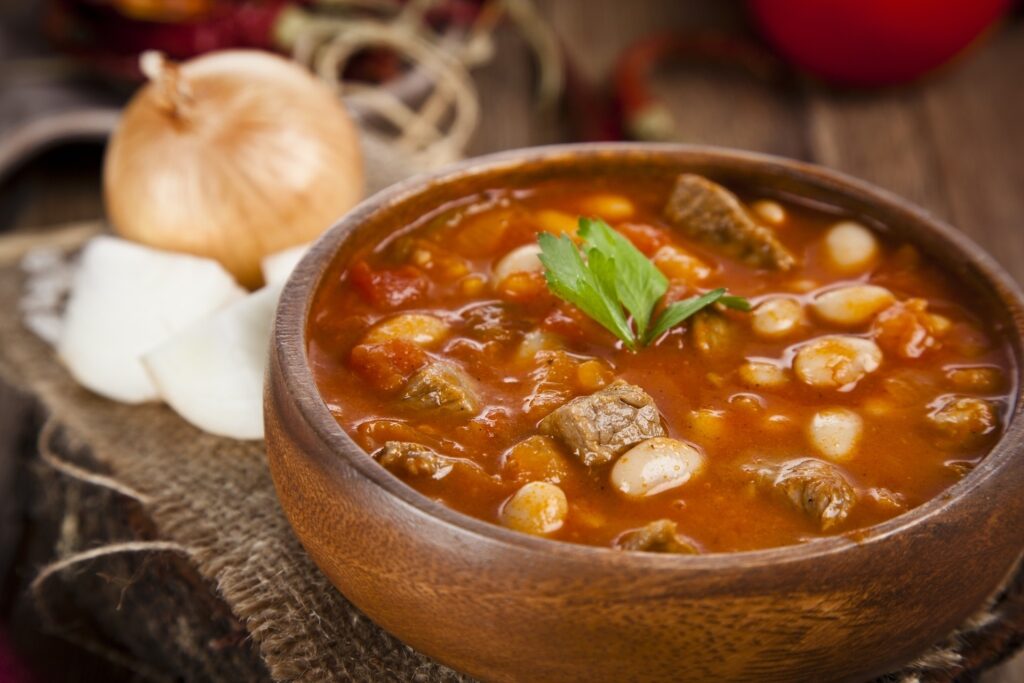
- Borscht: Beet-based soup with Eastern European roots
- Fish and Chips: British culinary export beloved worldwide
Each dish represents a blend of history, geography, and culture, illustrating Europe’s culinary richness.
Culinary Techniques and Mastery
European cuisine is characterized by advanced cooking techniques, often codified in professional culinary schools:
- Sauce Making: French mother sauces form the foundation of European cooking.
- Baking and Pastry Art: Techniques perfected for bread, desserts, and confections.
- Fermentation and Preservation: Central and Eastern Europe excel in pickling, curing, and fermenting.
- Grilling and Roasting: Southern Europe emphasizes olive oil and wood-fire cooking.
- Stewing and Braising: Northern climates favor slow-cooked hearty meals.
Mastery of these techniques transforms simple ingredients into sophisticated flavors.
Cultural and Social Significance
European cuisine is deeply tied to tradition, family, and celebration:
- Meals as Social Events: Lunch and dinner often involve multiple courses, shared among family or friends.
- Festivals and Holidays: Specific dishes mark Christmas, Easter, harvest festivals, and weddings.
- Culinary Identity: Regional dishes serve as symbols of heritage, pride, and history.
- Dining Etiquette: Meals are structured with respect for food, companions, and presentation.
Food in Europe is thus a cultural artifact and social glue, shaping both daily life and festive occasions.
Health and Nutritional Aspects
European diets vary but often balance nutritional richness with taste:
- Mediterranean Diet: Olive oil, vegetables, fish, moderate wine—linked to longevity and cardiovascular health.
- Northern and Central Diets: Meat, potatoes, and dairy provide energy but can be heavy; modern trends encourage plant-based meals and portion control.
- Eastern European Diet: Soups and fermented foods aid digestion and nutrient absorption.
Modern European cuisine integrates nutrition science without losing traditional flavors.
Global Influence and Modern Adaptations
Europe has shaped world cuisine in multiple ways:
- Colonial Exchanges: European exploration introduced new ingredients globally and vice versa.
- Fusion Cuisine: European techniques are adapted to international ingredients, resulting in hybrid dishes.
- Michelin and Fine Dining: Europe’s culinary standards define global benchmarks.
- Mass Market Cuisine: Italian pasta, French pastries, and Spanish tapas are ubiquitous worldwide.
European cuisine continues to evolve, balancing heritage, innovation, and globalization.
Challenges in Preserving Culinary Heritage
Despite its influence, European cuisine faces challenges:
- Globalization: Fast food and homogenized diets threaten traditional dishes.
- Ingredient Availability: Climate change and trade affect local produce.
- Economic Pressure: Maintaining artisanal methods can be expensive.
- Cultural Knowledge Transfer: Apprenticeship and culinary education are essential to preserve tradition.
Preserving Europe’s culinary legacy requires innovation grounded in respect for history and local ingredients.
Experiencing European Cuisine
To fully appreciate European food:
- Travel Regionally: Explore local specialties to understand diversity.
- Attend Markets: Fresh produce, cheeses, and meats reveal seasonality and quality.
- Learn Cooking Techniques: Hands-on experience enhances appreciation for preparation and skill.
- Engage with History: Dishes often tell stories of migration, trade, and culture.
- Balance Tradition and Experimentation: Modern adaptations can honor heritage while remaining contemporary.
Conclusion
Europe is not just the cradle of culinary arts; it is the birthplace of some of the world’s most iconic dishes. From the refined sauces of France to Italy’s pasta and Spain’s paella, Europe has shaped taste, technique, and culture globally. Its cuisine represents a unique blend of tradition, regional diversity, and adaptability, maintaining relevance in a modern, globalized food culture.
Europe’s culinary legacy is both historical and living, influencing chefs, home cooks, and diners worldwide. By preserving traditional techniques while embracing innovation, Europe continues to feed both the body and imagination, cementing its status as a global culinary powerhouse.