





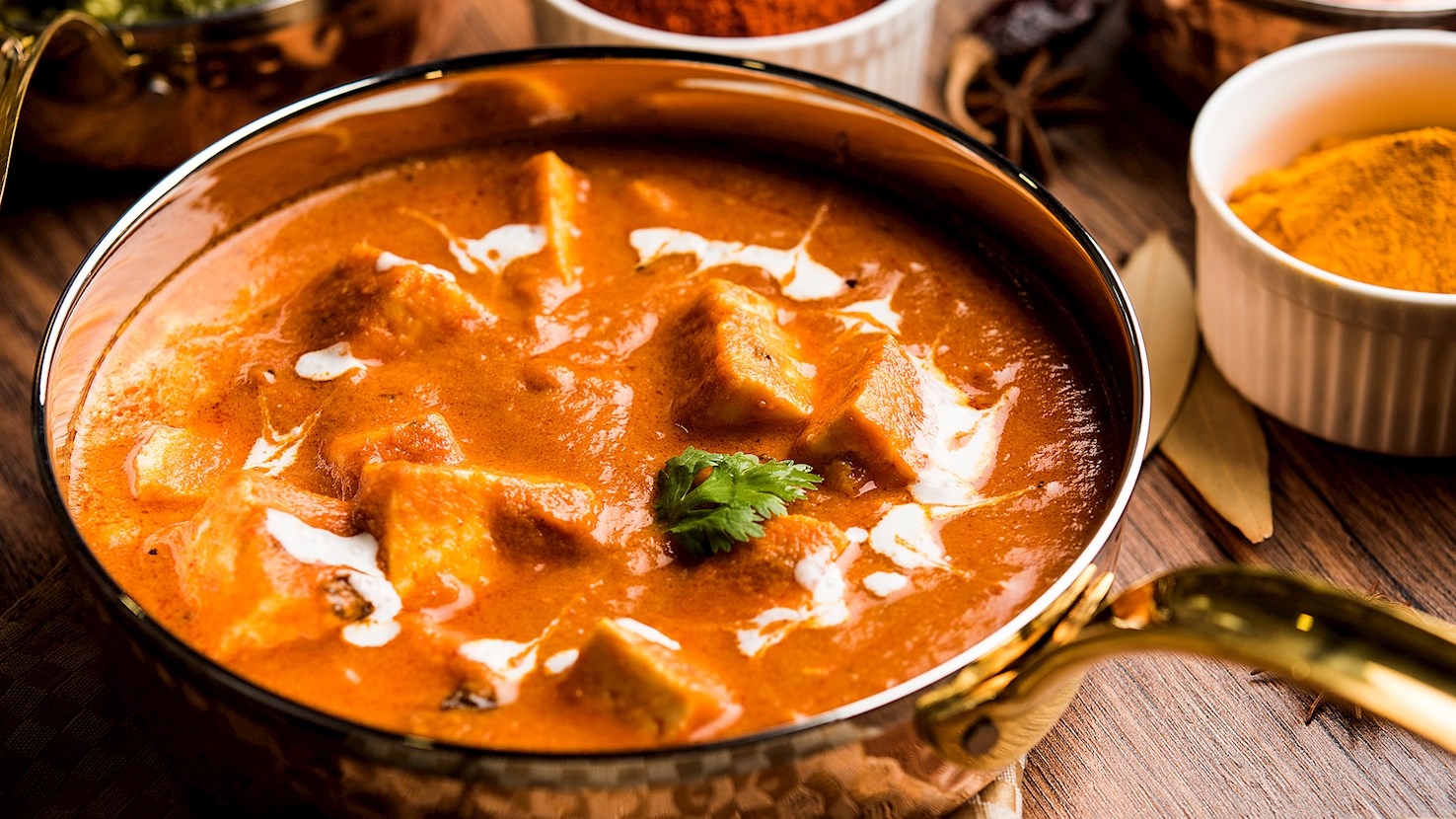

Indian curry is much more than a dish; it is a culinary expression of culture, history, and regional diversity. With its complex flavors, vibrant colors, and aromatic spices, curry has become synonymous with Indian cuisine worldwide. From the rich, creamy butter chicken of Delhi to the fiery vindaloo of Goa, Indian curry showcases the ingenuity, tradition, and evolution of cooking techniques across centuries.
This article explores the origins, ingredients, regional varieties, preparation techniques, cultural significance, health benefits, modern adaptations, and global impact of Indian curry, providing a comprehensive understanding of why it remains one of the world’s most celebrated culinary phenomena.
The Historical Roots of Indian Curry
The history of Indian curry is intertwined with trade, colonization, and migration:
- Ancient Foundations: Archaeological evidence suggests that spices such as turmeric, cumin, coriander, and mustard seeds were used in India over 4,000 years ago. Early curries were simple stews of vegetables, legumes, and meat cooked with these aromatic spices.
- Medieval Influence: Persian and Mughal invasions introduced rich cooking techniques, such as the use of yogurt, cream, and dried fruits, resulting in luxurious gravies and aromatic blends.
- Colonial Exchange: The British popularized Indian curry abroad, while Indian cooks adapted local ingredients to meet colonial tastes, creating dishes like chicken tikka masala, which later became a global favorite.
- Trade and Spice Routes: Indian curry’s flavor complexity stems from centuries of spice trade, including black pepper, cardamom, cloves, and cinnamon, which became integral to its identity.
Curry reflects India’s dynamic culinary evolution, combining indigenous practices with foreign influences to create a dish that is both traditional and adaptable.
Core Ingredients of Indian Curry
The essence of curry lies in ingredient harmony:
Spices and Aromatics
- Cumin, coriander, turmeric, mustard seeds, and fenugreek form the backbone of most curries.
- Chilies provide heat and depth.
- Ginger, garlic, onions, and tomatoes are sautéed to create a flavor base.
- Garam masala (a blend of cardamom, cloves, cinnamon, and other spices) is often added for warmth and aroma.
Proteins
- Vegetarian: Lentils (dal), chickpeas (chana), paneer (Indian cheese)
- Meat: Chicken, lamb, goat, fish, and seafood
- Eggs: Occasionally used in curry gravies for added richness
Dairy and Coconut
- Yogurt, cream, or coconut milk add body and smoothness.
- Coconut milk is prominent in Southern Indian curries for a tropical, creamy texture.
Fresh Herbs and Garnishes
- Cilantro, curry leaves, fenugreek leaves provide freshness and complexity.
- Green chilies and lime balance richness with acidity.
The interplay of spices, aromatics, proteins, and dairy is what gives Indian curry its distinctive, multi-layered flavor.
Regional Variations of Indian Curry
India’s diversity is reflected in the regional interpretation of curry, influenced by local produce, climate, and culture:
North India
- Key Characteristics: Creamy, rich, and aromatic gravies; liberal use of dairy and nuts
- Popular Curries: Butter chicken, Rogan Josh, Paneer Makhani
- Techniques: Slow-cooking meat in tandoors or on stovetop, blending spices gradually
South India
- Key Characteristics: Spicy, tangy, coconut-infused
- Popular Curries: Kerala fish curry, Chettinad chicken curry, Vegetable sambar
- Techniques: Tempering spices in oil (tadka), using curry leaves, coconut paste
West India
- Key Characteristics: Sweet, spicy, and tangy flavors
- Popular Curries: Goan vindaloo, Maharashtrian sol kadhi
- Techniques: Vinegar and kokum used for sourness; coconut in coastal regions
East India
- Key Characteristics: Mustard oil, seafood, subtle sweetness
- Popular Curries: Bengali fish curry, Prawn Malai Curry
- Techniques: Mustard paste, slow cooking, light spice profile
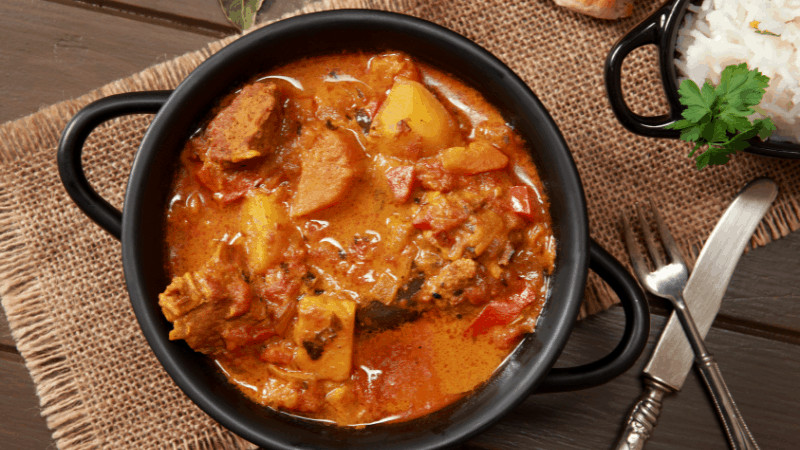
Cooking Techniques and Methodology
Mastering Indian curry requires precision, timing, and layering of flavors:
Tempering (Tadka)
- Spices are fried in hot oil or ghee to release essential oils before adding main ingredients.
- Tempering enhances aroma and flavor penetration.
Simmering
- Long, slow simmering allows proteins to tenderize and spices to meld.
- Ensures gravies develop depth and richness.
Blending
- Onions, tomatoes, and garlic are often blended into a smooth paste for consistency.
- Some regional curries use coarse textures for rustic appeal.
Balancing Flavors
- Heat, saltiness, acidity, and sweetness are adjusted throughout cooking.
- Garnishes like fresh herbs and citrus provide final flavor contrast.
Flavor Profiles and Complexity
Indian curry is multi-dimensional, combining:
- Heat: From fresh and dried chilies
- Earthiness: Turmeric, cumin, coriander
- Aromatic Warmth: Cloves, cinnamon, cardamom
- Umami: Meat, legumes, and slow-cooked onions
- Creaminess: Dairy or coconut-based gravies
- Acidity: Tomatoes, tamarind, lime
This layering technique, where ingredients are added sequentially, creates curry’s signature depth and complexity.
Cultural Significance
Curry is deeply intertwined with Indian identity, tradition, and daily life:
- Daily Consumption: Curries are central to lunch and dinner, often served with rice or bread (roti, naan).
- Festivals and Rituals: Special curries are prepared during Diwali, Eid, weddings, and regional festivals.
- Hospitality: Offering curry to guests symbolizes warmth and abundance.
- Street and Home Cooking: Curry bridges the spectrum of street food simplicity and fine dining sophistication.
Nutritional and Health Aspects
- Spices: Anti-inflammatory and antioxidant properties (turmeric, cumin, coriander)
- Protein: Lentils, legumes, meat provide essential amino acids
- Vegetables: Contribute fiber, vitamins, and minerals
- Moderation: Use of ghee, cream, and oil should be balanced for caloric control
- Modern Adaptations: Health-conscious curries utilize baked proteins, reduced fat, or plant-based alternatives
Modern Innovations and Global Influence
Indian curry has adapted to international tastes and modern culinary trends:
- Fusion Curries: Thai curry influence, Indian-inspired pasta sauces, and global adaptations
- Restaurant Culture: Fine-dining Indian restaurants emphasize presentation, subtlety, and innovation
- Packaged Products: Ready-to-cook curry pastes and sauces introduce convenience without losing authenticity
- Global Recognition: Curry is widely consumed in the UK, US, Japan, and Southeast Asia, contributing to global culinary exchange
Challenges in Preserving Authenticity
- Ingredient Accessibility: Authentic spices and local produce may be scarce abroad
- Commercialization: Mass-produced curry sometimes sacrifices depth of flavor
- Dietary Adaptation: Adjusting spice levels and richness for different audiences while maintaining authenticity
Overcoming these challenges requires knowledge, creativity, and respect for traditional methods.
Tips for Making Authentic Indian Curry at Home
- Use Fresh Spices: Whole spices yield better aroma than pre-ground powders.
- Layer Flavors: Add ingredients in stages—onions, garlic, tomatoes, then protein and final spices.
- Control Heat: Adjust chilies to personal preference without losing traditional taste.
- Cook Slowly: Simmering ensures depth of flavor.
- Garnish Thoughtfully: Fresh cilantro, cream, or lime enhances aroma and visual appeal.
Conclusion
Indian curry is both an art and a science, representing centuries of cultural exchange, regional diversity, and culinary innovation. Its vibrant colors, complex spice blends, and versatility have captured hearts globally, transforming simple ingredients into iconic dishes.
From the fiery curries of Goa to the creamy gravies of Delhi, Indian curry embodies tradition, flavor, and identity. Its adaptability ensures relevance in contemporary kitchens worldwide, while its rich history preserves a culinary heritage that transcends generations.
Indian curry is not just food—it is a cultural emblem, a global culinary ambassador, and a celebration of flavor, technique, and human creativity.