





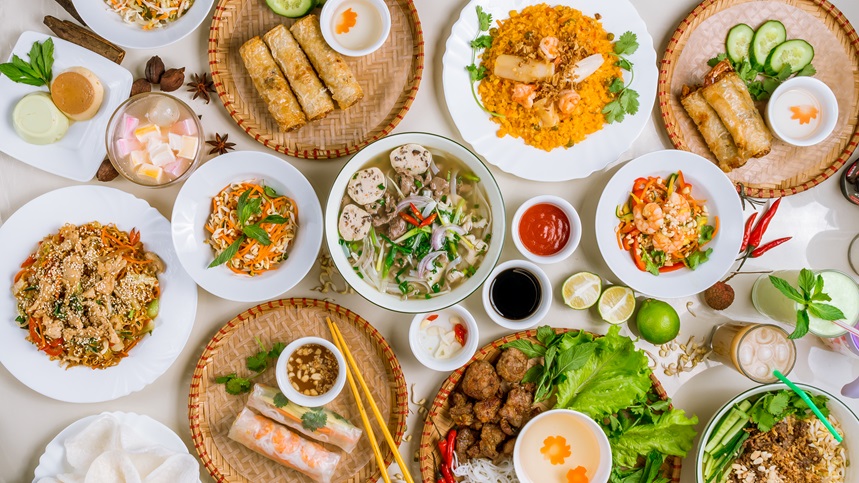

Asia, the world’s largest and most diverse continent, is also a culinary treasure trove. Its vast geography, cultural multiplicity, and rich history have given rise to an extraordinary array of ingredients, cooking techniques, and flavors that have influenced global gastronomy. From the aromatic curries of India to the delicate sushi of Japan, from bustling street food stalls in Thailand to the refined banquet traditions of China, Asian cuisine encompasses both complexity and accessibility, tradition and innovation.
This article explores the diversity, history, ingredients, cooking techniques, regional specialties, cultural significance, nutritional aspects, modern trends, and global impact of Asian cuisine, offering an in-depth understanding of why Asia remains the epicenter of world gastronomy.
Historical Context of Asian Cuisine
Asian culinary traditions are deeply intertwined with history, trade, and migration:
- Ancient Civilizations: Early civilizations in Mesopotamia, India, China, and Southeast Asia cultivated grains, legumes, fruits, and spices, laying the foundation for regional cuisines.
- Silk Road Influence: Trade routes like the Silk Road facilitated the exchange of spices, herbs, noodles, rice varieties, and cooking techniques across Asia and beyond.
- Colonial Impact: European colonization introduced new ingredients and culinary techniques, which were adapted to local tastes.
- Cultural Integration: Religious practices, festivals, and rituals shaped food customs, such as vegetarianism in India or ceremonial banquets in China.
These historical interactions created cuisines that are rich, adaptable, and deeply symbolic.
Diversity Across Regions
Asia’s cuisine can be categorized into several major regions, each with distinct flavors, ingredients, and culinary philosophies.
South Asia
- Countries: India, Pakistan, Bangladesh, Sri Lanka, Nepal
- Staples: Rice, wheat, lentils, legumes
- Flavors: Spicy, aromatic, layered with spices such as cumin, coriander, turmeric, cardamom, and chili
- Iconic Dishes: Biryani, dal, dosa, butter chicken, samosas
- Techniques: Tandoor roasting, frying, steaming, and slow-cooked curries
South Asian cuisine emphasizes complex spice blends, balancing heat, aroma, and texture to create multi-dimensional dishes.
East Asia
- Countries: China, Japan, Korea, Taiwan
- Staples: Rice, noodles, soy products, seafood
- Flavors: Umami-rich, subtle, fermented, savory
- Iconic Dishes: Sushi, ramen, kimchi, Peking duck, dumplings
- Techniques: Steaming, stir-frying, braising, grilling, fermenting
East Asian cuisine demonstrates precision and harmony, often balancing taste, color, and nutritional value.
Southeast Asia
- Countries: Thailand, Vietnam, Indonesia, Malaysia, Philippines
- Staples: Rice, coconut milk, fish, herbs, and tropical fruits
- Flavors: Sweet, sour, salty, bitter, and umami—often combined in a single dish
- Iconic Dishes: Pho, pad Thai, nasi goreng, laksa, adobo
- Techniques: Stir-frying, grilling, boiling, and steaming with aromatic herbs
Southeast Asian cuisine is fresh, vibrant, and intensely flavored, reflecting abundant local produce and a love for balance.
Central and Western Asia
- Countries: Iran, Turkey, Afghanistan, Kazakhstan
- Staples: Wheat, rice, lamb, nuts, dried fruits
- Flavors: Earthy, spiced, fragrant
- Iconic Dishes: Kebabs, pilaf, baklava, mantu
- Techniques: Baking, roasting, grilling, stewing
These cuisines demonstrate hearty, robust flavors often linked to nomadic traditions and trade influences.
Key Ingredients Across Asia
Asian cuisine relies on a few core ingredients that manifest in countless variations:
- Rice: White, brown, jasmine, basmati, glutinous; used for bowls, noodles, or desserts.
- Noodles: Wheat, rice, or buckwheat varieties adapted regionally.
- Spices and Herbs: Turmeric, cumin, coriander, star anise, ginger, lemongrass, kaffir lime leaves.
- Sauces and Condiments: Soy sauce, fish sauce, oyster sauce, chili paste, miso, tamarind.
- Proteins: Legumes, tofu, seafood, chicken, pork, beef, lamb, eggs.
- Vegetables and Fruits: Bamboo shoots, bok choy, eggplant, coconut, tropical fruits.
The combination of these ingredients with unique regional techniques results in an astonishing variety of flavors and textures.

Culinary Techniques
Asian cuisines employ diverse cooking methods, often balancing health, texture, and taste:
- Stir-Frying: Rapid cooking in high heat, retaining freshness and color (China, Thailand).
- Steaming: Preserves nutrients and delicate flavors (China, Japan).
- Boiling and Simmering: Foundational in soups, stews, and curries (Vietnam, India).
- Fermentation: Produces unique flavors and probiotics (Korea: kimchi; Japan: miso; Southeast Asia: fish sauces).
- Grilling and Roasting: Adds depth through caramelization and smoky aromas (Middle Asia, Southeast Asia).
Techniques often reflect climatic conditions, available ingredients, and cultural priorities, such as health, flavor, and aesthetics.
Flavor Profiles and Philosophies
Asian cuisines are characterized by distinct flavor principles:
- Balance: Sweet, sour, salty, bitter, and umami are often harmonized in a single dish.
- Layering: Spices, aromatics, and sauces are added in stages to build depth.
- Freshness: Herbs and vegetables are used to brighten flavors.
- Umami Emphasis: Soy, fermented products, seafood, and broths are common.
- Texture Diversity: Crunchy, chewy, tender, and creamy textures create a multisensory experience.
These principles make Asian cuisine both complex and satisfying, offering flavors that evolve as you eat.
Cultural Significance
Food in Asia is intimately tied to identity, tradition, and social interaction:
- Ceremonial Foods: Lunar New Year dumplings, Diwali sweets, Ramadan iftar dishes.
- Street Food Culture: Provides accessible, affordable, and authentic culinary experiences.
- Family and Communal Dining: Meals emphasize sharing, etiquette, and bonding.
- Symbolism: Ingredients often carry symbolic meaning—rice for prosperity, noodles for longevity.
Asian cuisine is therefore more than sustenance—it is storytelling, ritual, and art.
Nutritional and Health Aspects
Asian diets often emphasize balance and natural ingredients, contributing to overall health:
- Plant-Based Staples: Rice, legumes, and vegetables provide fiber and micronutrients.
- Fermented Foods: Enhance digestion and gut health.
- Lean Proteins: Seafood, tofu, and poultry provide quality protein with minimal fat.
- Cooking Methods: Steaming and stir-frying retain nutrients and reduce oil use.
Modern adaptations continue to integrate health-conscious practices, such as reduced sodium, organic ingredients, and plant-based options.
Modern Trends and Global Influence
Asian cuisine has inspired global culinary movements:
- Fusion Cuisine: Sushi burritos, Korean tacos, ramen burgers.
- Fast-Casual Chains: Pho, ramen, and dumpling restaurants appear worldwide.
- Food Tourism: Travelers seek authentic street food experiences across Asia.
- Health and Wellness: Asian-inspired diets influence plant-based and clean eating trends globally.
Asian cuisine’s adaptability ensures it remains relevant, innovative, and influential.
Challenges and Sustainability
While celebrated, Asian cuisine faces modern challenges:
- Urbanization: Street food traditions threatened by regulations and rising costs.
- Ingredient Sourcing: Maintaining authentic flavors while sourcing sustainably.
- Health Concerns: Balancing traditional recipes with modern dietary guidelines.
- Climate Change: Impacts rice production, seafood availability, and spice cultivation.
Addressing these challenges ensures that Asian culinary heritage endures for future generations.
Tips for Experiencing and Cooking Asian Cuisine
- Start with Regional Specialties: Learn the hallmarks of a country or region.
- Understand Ingredients: Fresh herbs, spices, and sauces are key to authentic flavor.
- Respect Techniques: Stir-fry, steam, or simmer with attention to timing and temperature.
- Balance Flavors: Taste frequently and adjust sweetness, saltiness, acidity, and heat.
- Embrace Street Food: Sampling local snacks provides insight into culture and innovation.
These practices allow both appreciation and accurate recreation of authentic Asian dishes.
Conclusion
Asia is truly a global culinary treasure trove, offering unparalleled diversity in flavors, ingredients, techniques, and cultural significance. From the fragrant curries of India to the delicate sushi of Japan, from the spicy street foods of Thailand to the hearty stews of Central Asia, Asian cuisine reflects the continent’s history, geography, and innovation.
Its influence extends beyond Asia, shaping global gastronomy, inspiring fusion dishes, and promoting health-conscious dining trends. Asian cuisine is a living testament to the power of food as culture, community, and creativity.
Exploring Asian cuisine is more than a culinary adventure—it is a journey through history, culture, and human ingenuity, making Asia the undisputed treasure trove of global gastronomy.