







Introduction
In the contemporary culinary landscape, fusion and innovation have become central to the evolution of global gastronomy. Chefs, restaurateurs, and food innovators are no longer bound strictly by regional or traditional culinary frameworks. Instead, they explore the creative intersections of cultures, techniques, and ingredients, resulting in dishes that are simultaneously familiar and groundbreaking.
Modern diners increasingly seek novelty, cultural diversity, and experiential depth in food. This trend has transformed kitchens worldwide, encouraging culinary professionals to experiment, reinterpret classic recipes, and incorporate global influences while maintaining authenticity. Understanding the drivers, methodologies, and cultural implications of fusion cuisine offers insight into how modern gastronomy is evolving.
This article provides an in-depth exploration of fusion and innovation in contemporary gastronomy, examining historical influences, cultural integration, ingredient experimentation, technological innovation, and the broader socio-economic and ethical contexts shaping global food trends.
1. Historical Context of Culinary Fusion
1.1 Origins of Fusion Cuisine
Fusion is not a purely modern phenomenon. Historical trade, migration, and colonization have long contributed to the blending of culinary traditions:
- Silk Road Influences: Spices, grains, and cooking techniques spread between Asia, the Middle East, and Europe.
- Colonial Interactions: European, African, and Asian culinary practices merged, creating hybrid cuisines such as Creole and Goan.
- Immigrant Communities: Modern diaspora populations continue to adapt traditional dishes to local ingredients and tastes, creating unique culinary hybrids.
This historical context illustrates that fusion is rooted in cultural exchange, responding to availability, necessity, and creativity.
1.2 Evolution in the 20th and 21st Centuries
The modern era has accelerated fusion through:
- Global travel and tourism, exposing chefs and consumers to diverse flavors and techniques.
- Access to international ingredients, making it feasible to experiment with previously exotic items.
- Media and social networks, showcasing innovative dishes and inspiring cross-cultural culinary exploration.
Modern fusion goes beyond mere ingredient substitution—it often involves reinterpreting traditional dishes, combining techniques, and integrating molecular gastronomy to elevate the dining experience.
2. Defining Fusion and Culinary Innovation
2.1 Fusion Cuisine
Fusion cuisine is characterized by deliberate integration of elements from multiple culinary traditions:
- Ingredient blending: Combining flavors from different cultures, e.g., miso-carbonara or kimchi tacos.
- Technique hybridization: Applying cooking methods from one tradition to ingredients from another.
- Presentation innovation: Modern plating techniques applied to traditional dishes.
Authentic fusion respects the integrity of each component while creating something distinct.
2.2 Culinary Innovation
Innovation encompasses novel approaches to ingredients, presentation, techniques, and dining experiences:
- Molecular gastronomy: Utilizing scientific principles to transform textures, aromas, and flavors.
- Sustainable innovation: Incorporating eco-conscious ingredients, plant-based proteins, and upcycled food products.
- Interactive dining experiences: Immersive, multi-sensory meals designed to engage diners beyond taste alone.
While fusion focuses on cultural blending, innovation may also involve technological and conceptual experimentation in gastronomy.
3. Drivers of Fusion and Innovation
3.1 Globalization
The globalization of food has expanded access to international ingredients and culinary knowledge, enabling chefs to:
- Source authentic spices, grains, and specialty products from across the world.
- Learn traditional techniques through travel, mentorship, or digital media.
- Combine regional flavors in creative ways to meet cosmopolitan tastes.
3.2 Changing Consumer Preferences
Modern diners value:
- Novelty and creativity: Experiencing flavors or presentations that challenge expectations.
- Cultural storytelling: Meals that convey heritage, identity, and culinary history.
- Ethical and sustainable sourcing: Ingredients that support environmental and social responsibility.
These preferences encourage chefs to experiment, innovate, and redefine expectations of modern cuisine.
3.3 Technological Advancements
Innovations in cooking equipment, ingredient processing, and data-driven recipe development have enabled chefs to:
- Manipulate textures, temperatures, and flavors with precision.
- Explore plant-based alternatives, cultured meats, and other sustainable ingredients.
- Create consistent results for complex fusion dishes.
Technology is both a tool and a catalyst for culinary creativity, allowing chefs to realize previously impossible concepts.
4. Methodologies of Fusion and Innovation
4.1 Ingredient Experimentation
Chefs often explore combinations of traditional and exotic ingredients to create novel flavor profiles:
- Combining regional spices with globally popular proteins.
- Reinterpreting street food dishes with fine-dining techniques.
- Introducing unexpected pairings, such as tropical fruits with fermented cheeses.
Ingredient experimentation requires careful balance, ensuring harmony rather than discord.
4.2 Technique Integration
Blending culinary techniques is a hallmark of fusion:
- Applying Asian steaming methods to Western proteins.
- Using French sous-vide techniques with Latin American spices.
- Incorporating fermentation, smoking, or dehydration in new ways.
Technique integration enables chefs to elevate familiar dishes while maintaining cultural integrity.
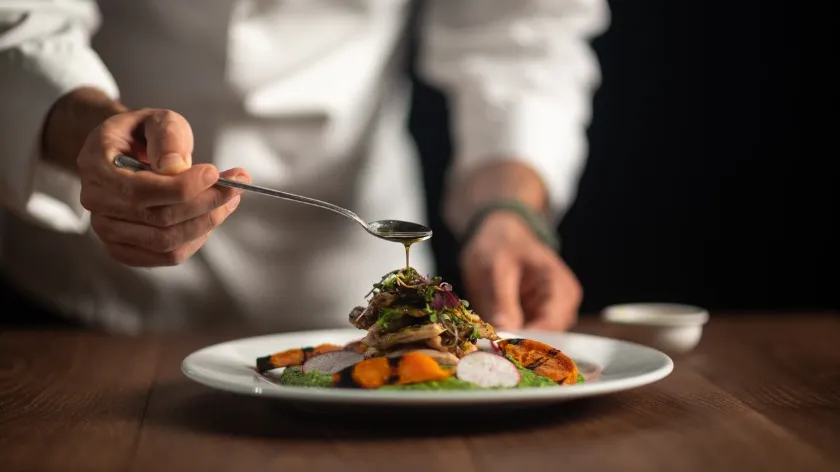
4.3 Presentation and Plating
Visual innovation enhances the dining experience:
- Minimalist or geometric plating emphasizing texture contrasts.
- Multi-sensory presentations incorporating aroma, sound, and color.
- Storytelling through layered courses or interactive serving methods.
Presentation innovation transforms food from mere sustenance into a holistic aesthetic experience.
5. Cultural and Ethical Considerations
5.1 Respecting Tradition
Successful fusion requires cultural sensitivity:
- Understanding the origins and significance of dishes or ingredients.
- Avoiding superficial or disrespectful adaptations.
- Collaborating with communities to ensure authenticity and recognition.
Cultural awareness ensures fusion is celebratory rather than appropriative.
5.2 Sustainability and Social Responsibility
Modern chefs consider:
- Environmental impact of imported or rare ingredients.
- Promoting plant-based alternatives and reducing waste.
- Ethical sourcing and fair trade practices.
Sustainable innovation aligns gastronomy with broader social and environmental responsibility.
6. Case Studies in Fusion and Innovation
6.1 Asian-European Fusion
- Examples: Miso-glazed cod, sushi pizza, ramen carbonara.
- Combines Japanese, Chinese, and Italian influences.
- Balances texture, umami, and presentation to appeal to global audiences.
6.2 Latin-Asian Fusion
- Examples: Korean BBQ tacos, Peruvian ceviche with Thai chili.
- Merges bold flavors with delicate techniques.
- Demonstrates creativity in balancing spice, acidity, and sweetness.
6.3 Molecular Gastronomy
- Pioneered by chefs like Ferran Adrià and Heston Blumenthal.
- Explores foams, gels, and edible spheres to redefine textures and perception.
- Often combined with cultural flavors to create fusion at the molecular level.
6.4 Plant-Based Innovation
- Chefs experiment with legumes, mycelium-based proteins, and vegetables.
- Techniques like smoking, fermentation, and dehydration mimic traditional meat flavors.
- Fusion here also serves sustainability goals, merging ethics and gastronomy.
7. Impact on the Culinary Industry
7.1 Redefining Fine Dining
Fusion and innovation have transformed fine dining:
- Multi-course tasting menus showcase global influences.
- Chef-driven concepts highlight creativity, storytelling, and technical mastery.
- Experiential dining merges cuisine with art, design, and theater.
7.2 Culinary Education and Training
Modern culinary programs incorporate fusion and innovation:
- Teaching cross-cultural techniques and flavor profiles.
- Encouraging experimentation, research, and creative problem-solving.
- Preparing chefs for dynamic, globalized culinary careers.
7.3 Consumer Engagement
- Social media amplifies innovative dishes, creating global trends.
- Diners increasingly seek interactive, educational, and Instagram-worthy meals.
- Fusion enables restaurants to differentiate themselves in competitive markets.
8. Future Directions
8.1 Technology-Driven Cuisine
- AI-assisted recipe development and flavor pairing predictions.
- 3D food printing and automated cooking tools for consistency and creativity.
- Virtual reality and augmented reality dining experiences.
8.2 Ethical and Inclusive Innovation
- Greater focus on sustainable sourcing and reducing food waste.
- Highlighting regional and indigenous ingredients to promote cultural heritage.
- Encouraging accessibility through inclusive menus and dietary adaptation.
8.3 Continued Global Cross-Pollination
- Migration, travel, and digital connectivity will continue to foster fusion experimentation.
- Chefs will increasingly merge tradition with innovation to satisfy cosmopolitan palates.
- Culinary storytelling will remain central, creating dishes that reflect both heritage and creativity.
Conclusion
Fusion and innovation represent the heart of modern global gastronomy. They reflect a world where chefs and diners are more connected than ever, and where culinary creativity transcends borders. By blending ingredients, techniques, and cultures, modern cuisine becomes a dynamic canvas for artistic expression, sustainability, and cultural dialogue.
Chefs who successfully balance creativity, respect for tradition, and social responsibility define the future of gastronomy. In this evolving landscape, fusion is more than a trend—it is a philosophy, a methodology, and a celebration of the diverse and interconnected world of food.
Ultimately, the fusion movement underscores that food is both universal and deeply personal, capable of telling stories, forging connections, and pushing the boundaries of what is possible in the kitchen. Modern gastronomy, powered by innovation, continues to evolve as a global language of creativity, culture, and community.