






Introduction
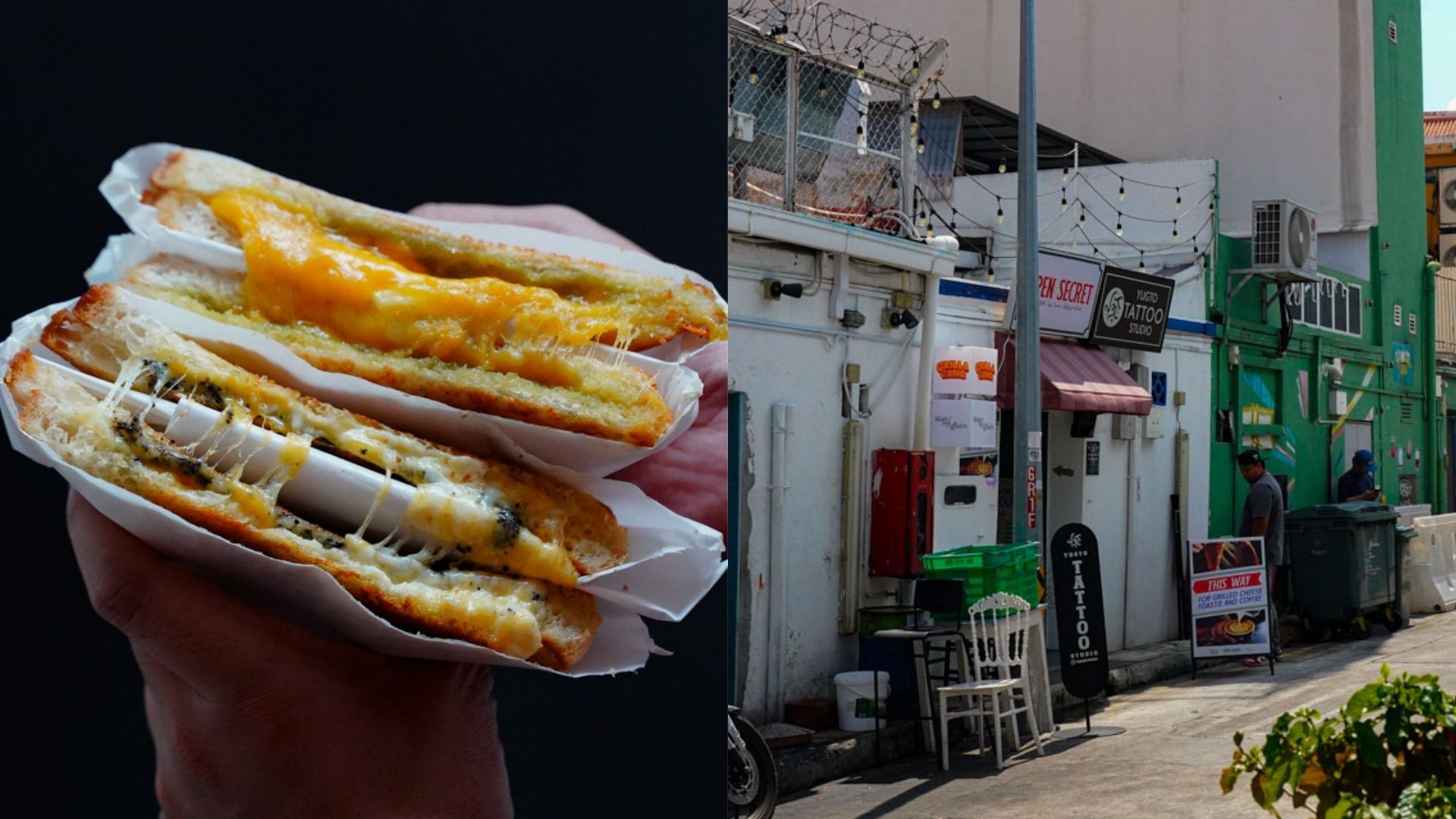
For many travelers, discovering a destination through its food is as important as exploring its landmarks. While guidebooks and online reviews often highlight iconic restaurants and high-end dining experiences, the truest culinary adventures frequently occur far from these tourist hubs. Authentic flavors, traditions, and stories are often tucked away in narrow alleys, bustling markets, and street corners, where local communities eat, gather, and preserve their culinary heritage.
Exploring these hidden food spaces offers more than just a taste of local cuisine—it provides a window into culture, history, and daily life. From handmade dumplings in a quiet Asian lane to freshly grilled skewers in a Middle Eastern souk, these food encounters reveal the relationship between people, place, and ingredients, making culinary travel a truly immersive experience.
This article delves into the importance of exploring local alleys and markets, the unique experiences they offer, the cultural and social insights they provide, and strategies for travelers to engage responsibly and authentically with local food cultures.
1. The Appeal of Hidden Culinary Spaces
1.1 Beyond the Tourist Menu
Tourist-focused restaurants often cater to foreign palates, standardizing flavors and presenting a curated version of local cuisine. While these establishments provide convenience and comfort, they rarely capture the essence of a culture’s culinary identity. Hidden food spots—street stalls, local cafés, and market vendors—often operate on traditions handed down through generations, maintaining recipes and techniques that are authentic and deeply rooted in local life.
These culinary spaces are dynamic and community-centered, reflecting seasonal ingredients, family recipes, and the tastes of regular patrons. Unlike tourist hubs, where dishes are designed to be predictable, alleys and markets offer a living, evolving gastronomic landscape.
1.2 Sensory Immersion
Small alleys and markets provide an immersive sensory experience that larger restaurants cannot replicate. The sounds of sizzling woks, the aroma of spices wafting through the air, the vibrant colors of fresh produce, and the rhythmic bustle of vendors create a multi-layered environment that connects travelers with the daily life of locals. This sensory engagement enhances appreciation for the craft and care behind each dish, making food more than sustenance—it becomes a cultural performance.
2. Markets as Cultural and Culinary Hubs
2.1 Local Markets: The Heart of a Community
Traditional markets are more than places to purchase ingredients—they are social and cultural hubs where communities interact, exchange stories, and preserve culinary heritage. Markets often feature locally sourced ingredients, artisanal products, and regional specialties, reflecting both the natural environment and cultural preferences of a region.
For example:
- La Boqueria in Barcelona showcases Catalan seafood, cured meats, and fresh produce, offering insights into local dietary habits.
- Tsukiji Outer Market in Tokyo features fresh fish, handmade noodles, and traditional sweets, connecting visitors to centuries-old Japanese food traditions.
- Khlong Toei Market in Bangkok exposes travelers to street food ingredients and preparation techniques rarely seen in tourist-focused areas.
By visiting these markets, travelers witness the supply chain of local food culture, from farmers and producers to chefs and street vendors, gaining a comprehensive understanding of regional culinary systems.
2.2 Seasonal and Regional Insights
Markets also reveal the seasonal rhythms of local cuisine. Many traditional dishes rely on ingredients available only during specific times of the year. For example, spring may bring fresh bamboo shoots in Southeast Asia, while autumn offers chestnuts in Europe. By engaging with vendors and observing ingredient availability, travelers learn not only what locals eat but why certain ingredients are emphasized at particular times. This contextual knowledge is critical for appreciating authentic culinary practices.
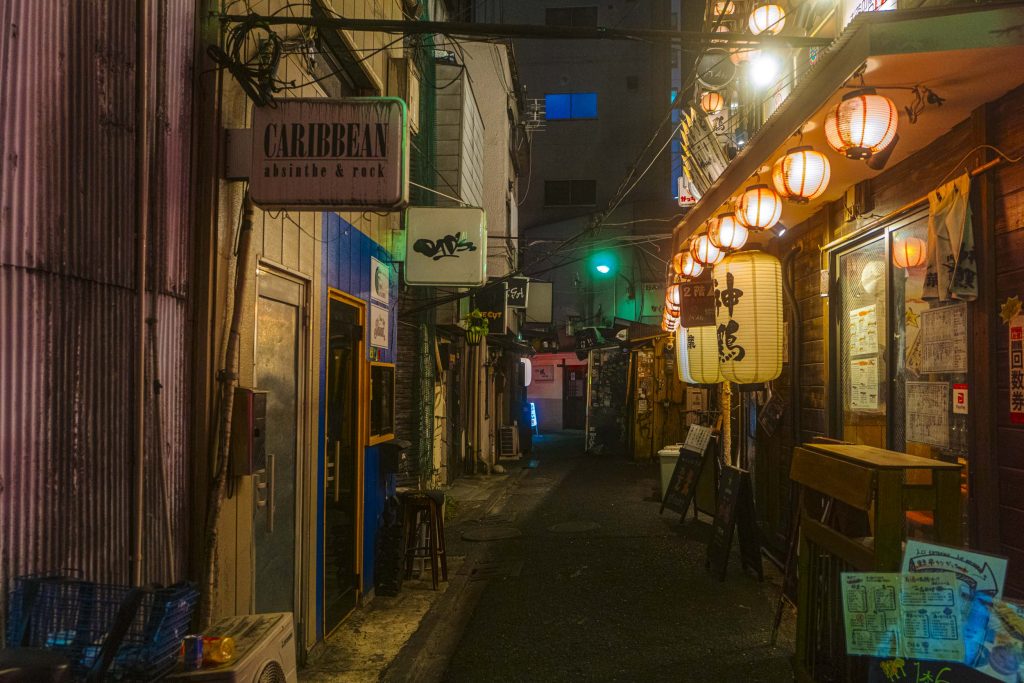
3. The Allure of Street Food in Narrow Alleys
3.1 The Birthplace of Culinary Innovation
Narrow alleys often serve as incubators for culinary innovation. Street food vendors are constantly experimenting with flavors, textures, and presentations to appeal to local tastes. These small-scale kitchens operate with flexibility and creativity, unconstrained by restaurant menus or tourism expectations. The result is unique dishes that cannot be replicated in mainstream restaurants.
In Mexico City, for example, alleyway taquerías craft tacos with combinations of ingredients that reflect local history, blending indigenous foods with colonial influences. In Istanbul, street vendors sell simit with regional variations, integrating flavors unique to their neighborhood.
3.2 Personal Interaction and Storytelling
Eating in alleys and local stalls provides direct interaction with food artisans, allowing travelers to hear the stories behind recipes, ingredients, and culinary techniques. Vendors often share anecdotes about family recipes, sourcing challenges, or cultural significance, transforming a meal into a learning experience.
This human connection is a defining characteristic of alleyway dining. It highlights the role of food as a social glue, connecting individuals through shared tastes and narratives, and fostering a deeper appreciation of the culture beyond surface-level consumption.
4. Culinary Discovery as Cultural Education
4.1 Understanding Tradition Through Taste
Exploring non-tourist food spaces allows travelers to experience the living traditions of a culture. Recipes and cooking methods often reflect historical events, migration patterns, and cultural exchanges. For instance, street foods in Southeast Asia may combine influences from Chinese, Indian, and indigenous cuisines, demonstrating centuries of cross-cultural interaction.
By tasting these dishes in their authentic context, travelers gain insight into how historical and social forces shape food practices. Culinary exploration thus becomes a form of edutainment, blending sensory pleasure with cultural education.
4.2 Social Norms and Etiquette
Eating in local alleys and markets also teaches travelers about social norms and dining etiquette. How food is served, shared, or consumed often reflects communal values. For example, sharing skewers in Turkish bazaars or eating family-style meals in Taiwanese night markets illustrates hospitality, generosity, and communal engagement. Observing and participating in these practices offers practical lessons in cultural literacy.
5. Responsible and Respectful Culinary Tourism
5.1 Supporting Local Economies
By venturing beyond tourist-centric dining, travelers contribute to local economic sustainability. Small vendors, family-owned stalls, and market sellers rely on consistent patronage. Choosing to eat in these spaces ensures that economic benefits directly support the community, rather than large-scale commercial establishments or global chains.
5.2 Ethical Engagement with Local Traditions
Responsible culinary exploration involves respect for cultural practices. Travelers should:
- Avoid disrupting traditional routines or overburdening vendors.
- Respect preparation methods and hygiene practices.
- Observe, ask questions politely, and seek permission before photographing or filming.
This mindful engagement ensures that the authenticity and dignity of local culinary culture are preserved, allowing both visitors and hosts to enjoy mutually enriching experiences.
5.3 Adapting Without Commodification
While culinary tourism can popularize traditional foods, overexposure risks commodification. Travelers can mitigate this by:
- Visiting less crowded hours or areas.
- Learning to cook with locals through workshops.
- Supporting vendors who maintain traditional methods rather than adopting shortcuts for tourists.
This approach balances discovery with preservation, keeping culinary traditions alive without diluting their cultural significance.
6. Case Studies: Hidden Food Gems Around the World
6.1 Hanoi, Vietnam – Pho in Side Streets
In Hanoi, the best pho is often found in narrow streets off the main tourist thoroughfares. Small family-run stalls serve broths simmered for hours, handmade noodles, and fresh herbs sourced from local markets. These alleyway vendors provide not only authentic flavors but also stories of family legacy, reflecting decades of culinary continuity.
6.2 Marrakech, Morocco – Jemaa el-Fnaa Food Stalls
The labyrinthine alleys surrounding Jemaa el-Fnaa feature vendors selling tagines, harira, and grilled meats. Local stall owners teach travelers the ritual of communal eating, the art of spice blending, and regional variations, giving visitors insider access to Moroccan culinary traditions beyond the restaurants advertised in guidebooks.
6.3 Oaxaca, Mexico – Mole and Tamales in Local Markets
Oaxaca’s markets are known for handmade tamales and regional moles. Small producers grind chilies, roast spices, and prepare sauces in ways that have remained unchanged for generations. Engaging with these vendors allows travelers to participate in a living culinary tradition, understanding both the technical skills and the social significance of these foods.
6.4 Naples, Italy – Pizza from Neighborhood Pizzerias
While Naples is famous worldwide for pizza, the most authentic experience comes from family-run pizzerias tucked away from main squares. Watching dough being hand-stretched, sauces blended from local tomatoes, and pizzas cooked in wood-fired ovens offers insights into traditional methods and communal food culture.
7. Practical Tips for Travelers
- Research Neighborhoods, Not Just Restaurants – Use local recommendations, blogs, or culinary maps to find alleys and markets.
- Observe Before Ordering – Look for busy stalls frequented by locals, as activity often signals authenticity.
- Engage with Vendors – Ask about ingredients, preparation methods, and history; this enriches the experience.
- Follow Hygiene Sense – Choose vendors who maintain clean practices while remaining authentic.
- Participate in Cooking Workshops – Learn preparation techniques firsthand, deepening cultural understanding.
- Respect the Community – Avoid being intrusive, loud, or disruptive to local routines.
Conclusion
True culinary experiences are often hidden in plain sight, tucked away in alleys and markets that locals frequent daily. These spaces offer more than flavor—they offer stories, traditions, and cultural immersion. By venturing beyond tourist hubs, travelers can connect with communities, understand the historical and social dimensions of food, and savor authentic flavors shaped by generations.
Exploring these hidden culinary gems requires curiosity, respect, and mindfulness, but the rewards are profound. Food becomes a language, a bridge, and a lens through which travelers can deeply understand the soul of a place. In every bustling market, every narrow alley, and every small street-side kitchen, there lies a culinary narrative waiting to be tasted, understood, and cherished.