







Introduction
The global food system is at a crossroads. With population growth, climate change, and increased demand for diverse diets, sustainability has become a central concern in agriculture, food production, and culinary practices. At the same time, globalization has enabled ingredients from every corner of the world to reach local markets, creating a rich tapestry of flavors but also introducing environmental and ethical challenges.
This article examines the interplay between sustainability and global food sourcing, exploring how chefs, farmers, policymakers, and consumers can ensure that the future of ingredients worldwide is both abundant and ecologically responsible. It addresses historical trends, technological innovations, environmental impacts, economic considerations, and culinary implications, offering a comprehensive perspective on the future of sustainable global ingredients.
1. Historical Context of Global Ingredients
1.1 Early Trade and Ingredient Migration
- From the Silk Road to the Columbian Exchange, global trade has transported ingredients across continents.
- Staples such as tomatoes, potatoes, rice, spices, and sugar moved internationally, transforming cuisines.
- These exchanges shaped culinary traditions, agriculture, and global diets, creating a foundation for today’s interconnected food system.
1.2 Industrialization and Food Globalization
- The Industrial Revolution enabled mass production, preservation, and transportation, expanding the availability of global ingredients.
- Techniques such as canning, refrigeration, and vacuum sealing allowed perishable items to travel long distances.
- While accessibility improved, environmental costs and monoculture farming began to emerge.
1.3 Modern Culinary Globalization
- Today, chefs can access superfoods, exotic spices, rare grains, and international proteins year-round.
- While this allows culinary creativity, it raises questions about carbon footprint, ethical sourcing, and long-term sustainability.
2. Defining Sustainability in Global Food Systems
2.1 Environmental Sustainability
- Focuses on reducing greenhouse gas emissions, preserving soil health, protecting biodiversity, and minimizing water use.
- Globally sourced ingredients often require long-distance transport, increasing the ecological footprint.
2.2 Economic and Social Sustainability
- Ensures that farmers receive fair wages, communities benefit from agriculture, and food systems are resilient.
- Ethical sourcing includes supporting smallholder farmers, cooperatives, and local economies while engaging in responsible trade practices.
2.3 Nutritional Sustainability
- Encourages diverse, nutrient-dense ingredients, aligning with public health goals.
- Sustainable diets often emphasize plant-based foods, seasonal produce, and reduced reliance on heavily processed items.
3. Challenges in Sourcing Global Ingredients Sustainably
3.1 Environmental Challenges
- Long-distance transport contributes to CO₂ emissions and energy consumption.
- Monoculture and industrial farming for global export can deplete soil and water resources, reduce biodiversity, and increase pesticide use.
3.2 Ethical and Social Concerns
- Labor exploitation and unfair trade practices are common in certain global supply chains, especially for spices, coffee, and tropical fruits.
- Ensuring fair treatment of farmers while maintaining cost-effective supply requires international cooperation and certification systems.
3.3 Climate Change Impacts
- Changes in temperature, rainfall, and extreme weather affect crop viability and quality, threatening the reliability of global ingredients.
- Chefs and producers must adapt by prioritizing resilient crops, regional sourcing, and innovative cultivation methods.
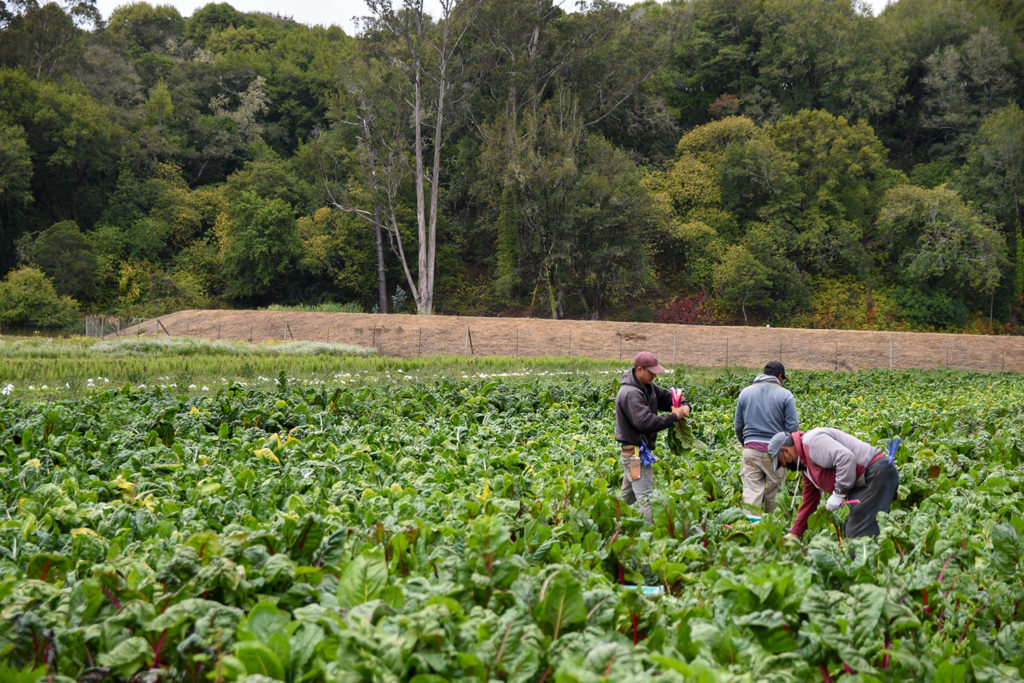
4. Technological Innovations for Sustainable Global Ingredients
4.1 Precision Agriculture
- Uses data, sensors, and AI to optimize irrigation, fertilization, and harvesting.
- Increases yield efficiency while minimizing environmental impact.
4.2 Controlled Environment Agriculture (CEA)
- Includes greenhouses, vertical farms, and hydroponics, allowing year-round production with reduced resource use.
- Can be applied globally to produce traditionally imported ingredients locally, reducing transport emissions.
4.3 Alternative Proteins and Plant-Based Innovations
- Lab-grown meat, insects, and plant-based protein sources reduce pressure on livestock farming.
- These innovations provide nutrient-rich alternatives while lowering land and water use.
4.4 Blockchain and Supply Chain Transparency
- Blockchain technology ensures traceability from farm to table, verifying organic certification, fair labor practices, and origin.
- Helps chefs and consumers make informed choices about global ingredients.
5. Culinary Implications of Sustainable Global Ingredients
5.1 Seasonal and Local Adaptation
- Even with global sourcing, chefs are encouraged to prioritize seasonal ingredients and substitute imported items with regional alternatives.
- This approach reduces carbon footprint while maintaining flavor variety.
5.2 Creative Menu Design
- Fusion and global cuisines can be designed to maximize sustainability, using ingredients with lower ecological impact.
- Example: Mediterranean quinoa salad using locally sourced vegetables instead of imported produce.
5.3 Ethical Sourcing as a Branding Strategy
- Restaurants emphasizing sustainable global ingredients attract environmentally conscious consumers.
- Transparency in sourcing enhances consumer trust and loyalty, while promoting industry-wide change.
6. Case Studies of Sustainable Global Ingredient Practices
6.1 Organic and Fair Trade Spices
- Companies sourcing cinnamon, vanilla, and coffee through certified organic and fair trade channels ensure environmental protection and social equity.
6.2 Farm-to-Table Restaurants with International Menus
- Chefs like Alice Waters, Dan Barber, and Massimo Bottura integrate global flavors while adhering to sustainability principles.
- Focus on regional substitutes, seasonal rotation, and reduced food waste maintains culinary integrity and environmental responsibility.
6.3 Global Superfood Adaptations
- Ingredients like quinoa, kale, chia seeds, and matcha are increasingly grown in multiple regions using sustainable practices, reducing reliance on a single geographic source.
7. Policy and Regulatory Frameworks
7.1 International Standards
- Organizations like FAO, WTO, and Codex Alimentarius set guidelines for sustainable food production and trade.
- Certification programs such as USDA Organic, Rainforest Alliance, and Fair Trade promote environmental stewardship and social responsibility.
7.2 Government Incentives
- Subsidies and grants encourage organic farming, regenerative agriculture, and responsible import practices.
- Policies supporting climate-resilient crops and local food systems reduce dependency on unsustainable global supply chains.
7.3 Consumer Education
- Public awareness campaigns encourage demand for sustainably sourced global ingredients, influencing corporate and governmental policy.
8. Environmental and Nutritional Benefits
8.1 Reduced Ecological Footprint
- Sustainable sourcing and local substitution minimize greenhouse gas emissions, water consumption, and soil degradation.
8.2 Nutrient-Rich Diets
- Prioritizing seasonal, minimally processed global ingredients ensures higher vitamin, mineral, and antioxidant intake.
8.3 Food Security
- Sustainable global sourcing and diversification increase resilience against climate disruption and supply chain instability.
9. Future Trends
9.1 Integration of Technology and Sustainability
- AI-driven agriculture, vertical farming, and real-time supply chain analytics will optimize global ingredient sourcing.
9.2 Plant-Based and Alternative Proteins
- Adoption of lab-grown, plant-based, and insect-derived proteins will reduce environmental pressures from traditional livestock farming.
9.3 Circular Food Systems
- Food waste reduction, composting, and regenerative practices will enhance sustainability, even in globally connected supply chains.
9.4 Consumer Empowerment
- Increasing awareness allows consumers to demand ethically sourced, environmentally friendly, and nutritious global ingredients, reshaping the market.
10. Challenges Ahead
- Balancing global flavor diversity with ecological responsibility remains a complex task.
- Climate change, political instability, and economic inequality can disrupt access to sustainable ingredients.
- Continuous innovation in agriculture, logistics, policy, and culinary practices is essential to ensure global food sustainability.
11. Conclusion
Sustainability and global ingredients are inextricably linked. As the world becomes more interconnected, the culinary sector faces the challenge—and opportunity—of feeding diverse populations while protecting the planet.
Key Takeaways:
- Sustainable sourcing requires attention to environmental, social, and nutritional factors.
- Technological innovations, such as precision agriculture, controlled environment farming, and blockchain, are critical for responsible global ingredient management.
- Chefs, policymakers, and consumers must collaborate to ensure that global flavors do not come at the expense of ecological and social integrity.
- The future of ingredients is one of balance: honoring culinary diversity while safeguarding the environment, supporting local communities, and ensuring food security.
By integrating sustainability principles into global ingredient sourcing, the culinary world can enjoy unprecedented access to flavors worldwide while preserving resources for future generations.