





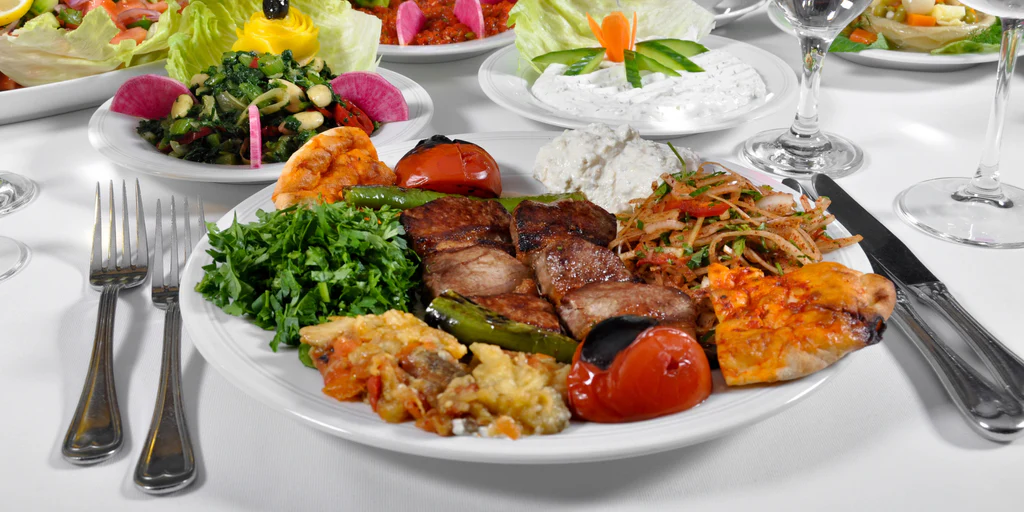

Introduction: The Essence of Flavor Harmony
In the world of gastronomy, the art of combining ingredients transcends mere cooking. The subtle interplay of flavors, textures, and aromas defines the culinary experience, transforming simple components into unforgettable dishes. Ingredient pairing and flavor balance are fundamental concepts that distinguish professional chefs from casual home cooks. Mastering these principles allows culinary artists to craft meals that delight the palate, stimulate the senses, and evoke lasting memories.
Flavor is a multidimensional concept, encompassing taste, aroma, texture, and even visual appeal. While humans naturally gravitate toward certain tastes—sweet, salty, sour, bitter, and umami—the ability to blend them harmoniously requires knowledge, experience, and intuition. The science behind flavor pairing draws on chemistry, biology, and cultural preferences, while the art involves creativity, aesthetic judgment, and sensory experimentation.
This article explores the principles of ingredient pairing, the mechanisms of flavor perception, the role of cultural and regional influences, practical strategies for achieving balance, and modern techniques that chefs employ to innovate in the kitchen. By delving deeply into these aspects, we aim to provide a comprehensive guide to understanding and mastering the delicate equilibrium that defines exceptional cuisine.
The Science of Flavor: Understanding Taste and Aroma
Before discussing pairing, it is essential to understand the building blocks of flavor.
Basic Tastes and Human Perception
Humans primarily perceive five basic tastes:
- Sweet – Often signals energy-rich nutrients like sugars. Found in fruits, honey, and certain vegetables.
- Salty – Indicates the presence of essential minerals. Common in sea salt, cured meats, and cheese.
- Sour – Detects acidity, which can balance richness or enhance freshness. Lemon, vinegar, and fermented foods are classic examples.
- Bitter – Often a warning signal for toxins, yet in moderation, bitterness adds depth. Examples include dark chocolate, kale, and coffee.
- Umami – The savory taste associated with amino acids like glutamate. Present in mushrooms, aged cheese, soy sauce, and meats.
In addition to these primary tastes, aroma compounds contribute significantly to flavor perception. The human olfactory system can detect thousands of volatile molecules, which combine with taste to create the perception of flavor.
Chemical Compatibility: The Science Behind Pairing
Flavor pairing is not arbitrary; it is grounded in the chemistry of shared aromatic compounds. For instance:
- Strawberries and basil share esters that create a complementary aromatic profile.
- Tomatoes and parmesan both contain compounds rich in umami, enhancing savory satisfaction.
- Chocolate and coffee share methylxanthines and phenolic compounds, harmonizing bitterness and sweetness.
Modern chefs increasingly use flavor network analysis—a method derived from food chemistry—to predict which ingredients pair well based on shared compounds. This approach blends art and science, providing a framework for both innovation and consistency.
Principles of Ingredient Pairing
Ingredient pairing involves more than combining flavors—it is about balance, contrast, and synergy.
1. Balance
Balance ensures no single flavor dominates. A dish with excessive salt, sugar, or acidity can overwhelm the palate. Key principles include:
- Sweetness and acidity: Balancing sugary ingredients with citrus or vinegar can create brightness. Example: a strawberry vinaigrette dressing.
- Fat and acidity: Fat provides richness, while acidity cuts through heaviness. Example: a vinaigrette on a creamy cheese salad.
- Salt and bitterness: Salt can mellow bitterness, enhancing depth without harshness. Example: salted dark chocolate or kale sautéed with sea salt.
2. Contrast
Contrast adds excitement and complexity, keeping the diner engaged. Chefs often combine opposing characteristics:
- Textural contrast: Crispy elements with creamy sauces (e.g., tempura with dipping sauce).
- Temperature contrast: Warm dishes with cool accompaniments (e.g., seared steak with a chilled herb butter).
- Flavor contrast: Sweet paired with sour, spicy with sweet, or umami with bitter.
3. Synergy
Synergy occurs when flavors enhance each other’s qualities, creating a result greater than the sum of its parts:
- Tomato and basil: Both provide complementary aromatic and umami elements.
- Pork and apple: The natural sweetness of apple accentuates the savory depth of pork.
- Soy sauce and mushrooms: Shared umami compounds intensify savory notes.

Cultural and Regional Influences on Flavor Pairing
Flavor perception is not purely biological; it is deeply influenced by cultural exposure and regional availability of ingredients.
- East Asian cuisines emphasize balance through the interplay of sweet, salty, sour, bitter, and umami. Think of the soy-sugar-ginger combination in teriyaki sauce.
- Mediterranean cuisine favors simplicity and freshness, pairing olive oil, lemon, garlic, and herbs to enhance natural flavors.
- Latin American cuisine often balances heat and acidity, as in ceviche where lime juice contrasts with chili peppers.
Understanding these cultural frameworks helps chefs respect tradition while innovating new pairings that resonate with diverse audiences.
Practical Strategies for Achieving Flavor Balance
Professional chefs employ specific strategies to ensure harmony in every dish.
1. Start with a Dominant Flavor
Identify the primary ingredient or flavor that will anchor the dish. All complementary flavors should support this anchor without overpowering it.
2. Layer Flavors Gradually
Rather than adding multiple ingredients at once, build complexity in layers. For example:
- Begin with a sautéed base of aromatics (onion, garlic, herbs).
- Add main protein or vegetable.
- Incorporate seasoning, acid, and fat progressively.
3. Use Contrasting Elements Judiciously
Contrast enhances interest but must be applied with restraint. Too much contrast can confuse the palate.
4. Test for Harmony
Professional chefs often use tasting cycles during preparation: taste, adjust, balance. This iterative approach ensures precision.
5. Consider Texture and Mouthfeel
Texture interacts with flavor to create perception. Crunchy, creamy, chewy, and smooth textures should be balanced to complement the intended flavor profile.
Classic Flavor Pairings and Their Scientific Basis
Some combinations are time-tested due to shared chemical compounds or complementary sensory effects:
| Ingredient 1 | Ingredient 2 | Rationale |
|---|---|---|
| Tomato | Basil | Shared esters and umami |
| Chocolate | Coffee | Shared bitterness, aromatic synergy |
| Lemon | Fish | Acidity cuts fat, enhances freshness |
| Pork | Apple | Sweetness enhances savory umami |
| Garlic | Mushroom | Complementary sulfur and umami compounds |
| Honey | Chili | Sweetness balances spiciness |
Understanding why these pairings work allows chefs to innovate with confidence, creating new combinations grounded in science rather than guesswork.
Modern Techniques for Flavor Pairing Innovation
1. Molecular Gastronomy
Molecular gastronomy explores flavor at a chemical level, using techniques like spherification, foams, and emulsification to manipulate taste perception. Example: a balsamic vinegar foam paired with strawberries to intensify aroma and tang.
2. Cross-Cultural Fusion
Chefs combine ingredients and techniques from different culinary traditions, creating innovative pairings while respecting flavor balance. Example: miso-infused caramel for desserts.
3. Flavor Mapping and Software Tools
Modern chefs increasingly use flavor mapping tools to predict compatible ingredient combinations based on shared chemical compounds. This method provides a scientific foundation for creative experimentation.
Common Mistakes in Flavor Pairing
Even experienced cooks sometimes disrupt balance. Common pitfalls include:
- Overpowering dominant flavors: Excess salt, chili, or citrus can overshadow other components.
- Ignoring textural harmony: A dish may taste good but feel unpleasant if textures clash.
- Misjudging portion ratios: Even complementary flavors can become unbalanced if proportions are incorrect.
- Neglecting aroma: Smell significantly influences taste, and failing to account for aromatic balance can weaken a dish.
The Role of Seasonality and Freshness
Seasonal ingredients naturally balance flavors due to their optimal ripeness and nutrient content. Fresh produce often contains higher concentrations of aromatic compounds, enhancing flavor synergy. Chefs who emphasize seasonality can rely on natural harmony rather than artificial additives.
Flavor Pairing Beyond the Plate: Beverage and Dish Harmony
Flavor balance extends beyond food to pairing with beverages, such as wine, beer, or cocktails. Key principles include:
- Complementary pairing: Matching similar flavor profiles (e.g., fruity white wine with citrus desserts).
- Contrasting pairing: Opposing flavors create balance (e.g., rich steak with acidic red wine).
- Weight matching: Light foods with light beverages, heavy foods with full-bodied drinks.
Successful pairing enhances the overall dining experience, demonstrating the universality of balance principles.
Case Studies of Flavor Pairing Excellence
1. French Cuisine: Coq au Vin
- Ingredients: Chicken, red wine, mushrooms, bacon, onions
- Balance: Umami from mushrooms and bacon complements savory chicken; acidity of wine cuts richness; aromatics layer complexity.
2. Italian Cuisine: Caprese Salad
- Ingredients: Tomato, mozzarella, basil, olive oil, balsamic
- Balance: Sweet, acidic, and creamy textures harmonize; basil adds aromatic lift; olive oil smooths the profile.
3. Asian Cuisine: Thai Green Curry
- Ingredients: Coconut milk, lemongrass, chili, lime, protein
- Balance: Sweetness and creaminess of coconut milk temper chili heat; lime acidity brightens flavors; herbs provide aromatic complexity.
These examples illustrate that thoughtful pairing is universal, spanning cultures and techniques.
Conclusion: Mastering the Art of Flavor Balance
Ingredient pairing and flavor balance are both an art and a science. Achieving harmony requires a deep understanding of taste perception, chemical compatibility, cultural context, and practical execution. Professional chefs approach this challenge with discipline, experimentation, and creativity.
By applying principles of balance, contrast, and synergy, chefs can transform raw ingredients into memorable culinary experiences. Modern innovations, including molecular gastronomy and flavor mapping, expand possibilities while respecting foundational rules. Above all, successful flavor pairing celebrates the integrity of ingredients, the skill of the cook, and the pleasure of the diner.
In mastering these principles, one does not merely cook; one orchestrates an experience that delights, surprises, and resonates—a true testament to the transformative power of flavor.