






Introduction: Ingredients as a Canvas for Culture
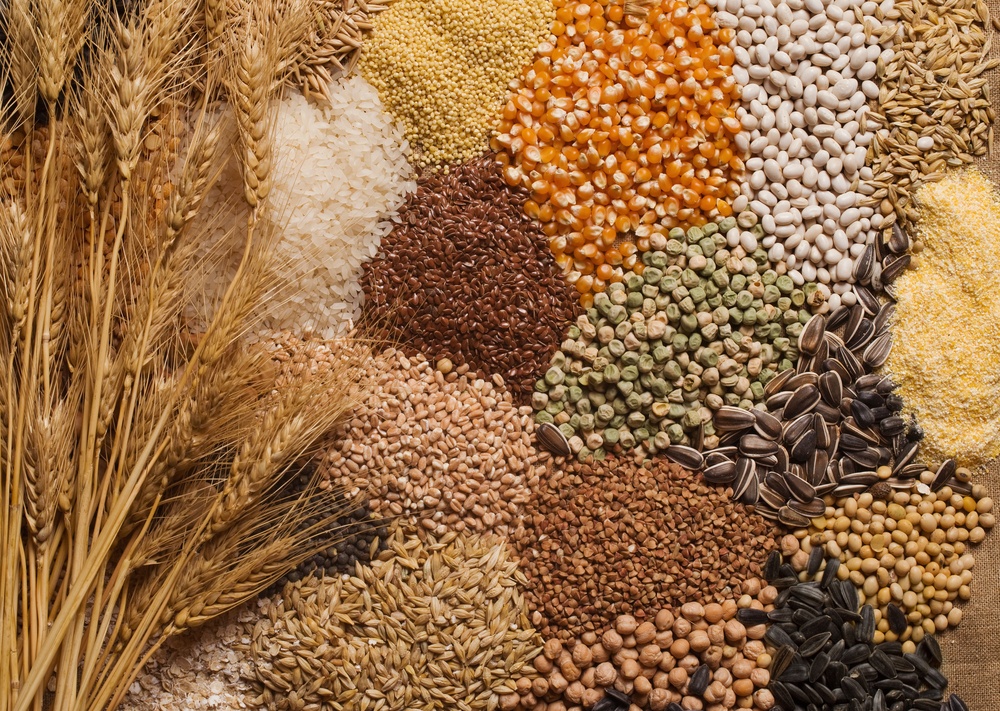
Food is a fundamental connector across human societies. Yet, the same raw ingredients — wheat, rice, maize, millet, potatoes, or legumes — can give rise to remarkably diverse culinary traditions depending on geography, culture, climate, and history. From the simplest grain to the most complex dish, ingredients are transformed by human creativity, social practices, and environmental pressures into staples that define cultural identity.
This article explores how identical ingredients evolve into distinct cultural staples around the world. We will examine the science of ingredients, traditional techniques, regional adaptations, and socio-historical influences, highlighting how the interplay of these factors produces culinary diversity.
Chapter 1: Wheat — From Flatbreads to Fermented Delights
1. The Global Spread of Wheat
Wheat has been cultivated for over 10,000 years, originating in the Fertile Crescent. Its adaptability allowed it to spread across Europe, Asia, and Africa. The versatility of wheat — its gluten content, protein structure, and milling potential — enabled multiple forms of staple foods.
2. Flatbreads: Simplicity Meets Utility
- Middle East: The pita, a leavened flatbread with a pocket, developed in response to portable meal needs in arid regions. Its thin structure allows for easy stuffing.
- India: The chapati or roti, unleavened and cooked on a flat iron griddle (tawa), serves as both plate and utensil.
- Mexico (wheat-influenced): Though corn tortillas dominate, northern regions use wheat flour to produce flour tortillas, highlighting wheat’s adaptation to local diets.
3. Leavened Breads: Science Meets Culture
- Europe: Sourdough and yeasted breads evolved with microbial fermentation. French baguettes, Italian ciabatta, and German rye breads differ due to local yeasts, grains, and climate conditions.
- Asia: In China, wheat dough becomes steamed buns (mantou), emphasizing soft texture over crust, reflecting steaming as a dominant cooking method.
- North Africa: Moroccan khobz — thick, round breads — integrate local spices and olive oil into wheat dough, showing regional flavors merging with global staples.
4. Socio-Cultural Dimensions
Bread carries symbolic weight: the French celebrate baguettes as cultural icon; Jewish culture incorporates challah with braided patterns during Shabbat; Indian communities view chapati-making as ritualized, daily labor connecting family members.
Chapter 2: Rice — A Grain Shaping Civilization
1. Rice Domestication and Diffusion
Originating in China and India, rice spread to Southeast Asia, Africa, and Europe. Its ability to grow in flooded paddies made it central to population-dense regions, especially in Asia. Variations in grain size, amylose content, and climate adaptation allowed rice to form distinct staples.
2. Culinary Evolution Across Regions
- East Asia: Short-grain sticky rice dominates Japan and Korea, enabling sushi, onigiri, and tteok.
- Southeast Asia: Jasmine rice in Thailand and fragrant varieties in Vietnam emphasize aroma and texture in steamed forms.
- South Asia: Long-grain basmati rice enables biryanis and pilafs; rice is often cooked with spices, ghee, and legumes.
- West Africa: Rice becomes part of dishes like jollof rice, integrating local peppers, tomatoes, and palm oil.
- Latin America: Rice with beans is a staple, showcasing regional adaptation to available legumes and tropical flavors.
3. Technique Drives Staple Variation
- Steaming produces soft, cohesive grains, as in East Asia.
- Boiling and pilaf methods separate grains, seen in South Asian dishes.
- Fermentation transforms rice into rice wine or rice cakes (e.g., sake, mochi), demonstrating ingredient versatility.
Chapter 3: Maize (Corn) — The New World’s Gift and Global Adaptation
1. From Americas to the World
Maize originated in Mesoamerica over 9,000 years ago. Colonization spread it to Africa, Europe, and Asia, where it became a staple in polenta, arepas, tortillas, and cornmeal porridge.
2. Regional Staple Adaptations
- Mexico: Masa harina enables tortillas and tamales, central to daily meals and festivals.
- Italy: Polenta emerges as northern Italian staple, often paired with cheese and meats.
- Africa: Maize meal porridge, such as ugali (Kenya) or sadza (Zimbabwe), becomes an essential carbohydrate, reflecting agrarian needs.
- United States: Cornbread and grits emerge from European and African culinary fusion, showing cross-cultural adaptation.
Chapter 4: Potatoes — Tubers Traversing Continents
1. Origins and Global Spread
Potatoes, domesticated in the Andes, traveled globally via European explorers. Their nutritional density and adaptability allowed them to become staples across temperate climates.
2. Distinct Culinary Expressions
- Ireland: Boiled and mashed potatoes dominate, reflecting simplicity and scarcity-driven culinary practices.
- France: Potatoes become versatile, from gratin dauphinois to pommes frites.
- Eastern Europe: Pierogi and gnocchi highlight integration with wheat dough.
- South America: Potatoes are used in stews like causa and in freeze-dried chuño, showing indigenous preservation techniques.
3. Socio-Historical Influence
Potatoes shaped population growth, famine responses, and migration patterns. Culinary adaptation often reflects economic and environmental constraints, illustrating how a single ingredient can influence social history.
Chapter 5: Legumes — Protein-Rich Staples Across Cultures
1. Versatility and Nutritional Value
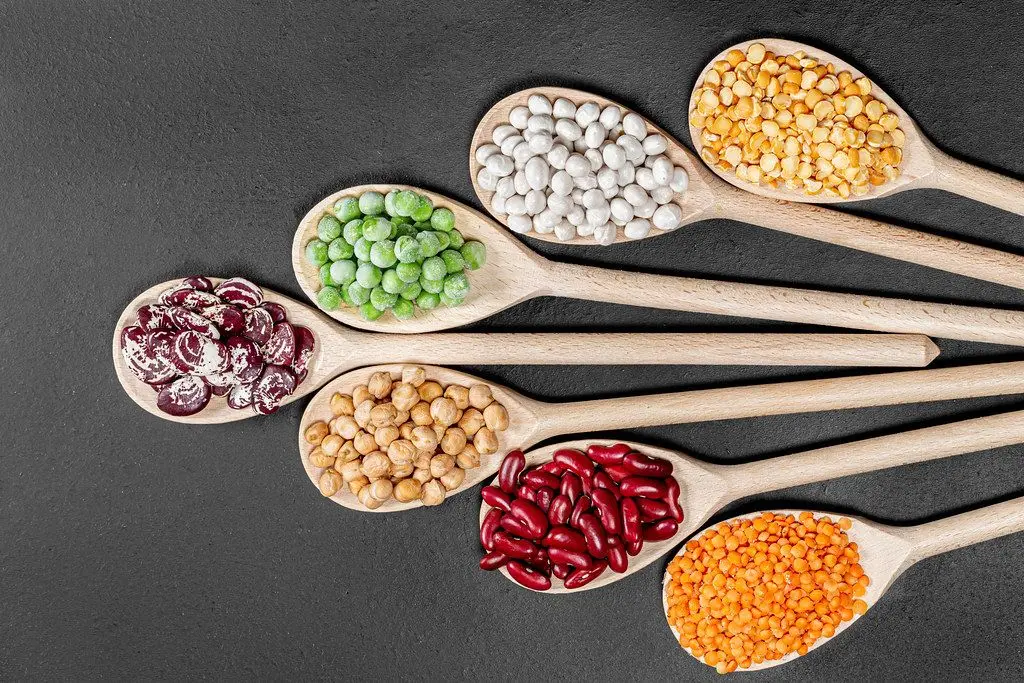
Lentils, chickpeas, and beans are staples across continents. Protein-rich and shelf-stable, they complement cereal grains and provide culinary elasticity.
2. Regional Staples
- India: Lentils become dal; chickpeas form chana masala and savory snacks.
- Middle East: Hummus, falafel, and mujaddara showcase legumes integrated with spices and grains.
- Latin America: Black beans and kidney beans form rice-and-bean staples.
- Africa: Groundnut stews and bean porridges demonstrate legume versatility.
3. Preparation Techniques
- Soaking and boiling for soft textures.
- Mashing and pureeing for spreads and dips.
- Fermentation for flavor complexity, as in tempeh or miso.
Chapter 6: Common Factors Influencing Evolution of Staples
1. Climate and Geography
- Moist climates favor rice; dry climates favor wheat or maize.
- Soil composition affects flavor, texture, and grain quality.
- Altitude influences starch content, crucial for products like quinoa or potatoes.
2. Cultural Values and Rituals
- Ingredients integrate into religious and cultural rituals (e.g., matzo, rice at weddings).
- Symbolism shapes preparation, cooking methods, and consumption practices.
3. Technology and Cooking Techniques
- Baking, steaming, frying, fermenting, and boiling create unique staples.
- Availability of tools (stone mills, ovens, steamers) directs preparation methods.
4. Trade, Migration, and Colonization
- Ingredients cross borders and evolve with local flavors.
- European colonial expansion spread New World crops like potatoes and maize globally.
- Migrant communities adapt homeland recipes to local ingredients.
Chapter 7: Case Studies of Ingredient Diversification
1. Wheat-Based Staples
- Baguettes (France), chapati (India), mantou (China) — all wheat, different cultural contexts.
2. Rice-Based Staples
- Sushi (Japan), biryani (India), jollof rice (West Africa) — long-grain, short-grain, and aromatic varieties adapted to taste and ritual.
3. Corn-Based Staples
- Tortillas (Mexico), polenta (Italy), ugali (Kenya) — reflect climate adaptation and dietary needs.
4. Potato-Based Staples
- Mashed potatoes (Ireland), gnocchi (Italy), causa (Peru) — illustrate culinary creativity and historical influence.
Chapter 8: Science Behind Ingredient Transformation
- Starch structure: Amylose and amylopectin content determine texture.
- Gluten network: Allows bread leavening and elasticity.
- Fermentation: Introduces flavor complexity and nutritional enhancement.
- Water absorption and cooking method: Dictate texture, cohesion, and mouthfeel.
These scientific principles explain why identical ingredients yield different sensory and cultural experiences.
Chapter 9: The Role of Tradition and Innovation
- Traditions ensure cultural identity and intergenerational knowledge transfer.
- Innovation allows ingredients to respond to modern tastes, health concerns, and global influence.
- Culinary fusion emerges when global mobility introduces new techniques, spices, or flavor pairings.
Conclusion: Ingredients as Cultural Chameleons
A single ingredient — wheat, rice, maize, potato, or legume — is more than just food. It is a canvas for human ingenuity, molded by geography, history, religion, and culture into staples that sustain life and identity. While the ingredient itself remains constant, its expression is boundless, giving rise to unique textures, flavors, rituals, and meanings across continents.
Understanding how the same ingredients evolve into distinct cultural staples illuminates the profound interconnection of food, science, and society, reminding us that culinary diversity is both a product of nature and the human imagination.