






Introduction: The Multifaceted Role of Herbs in Cooking
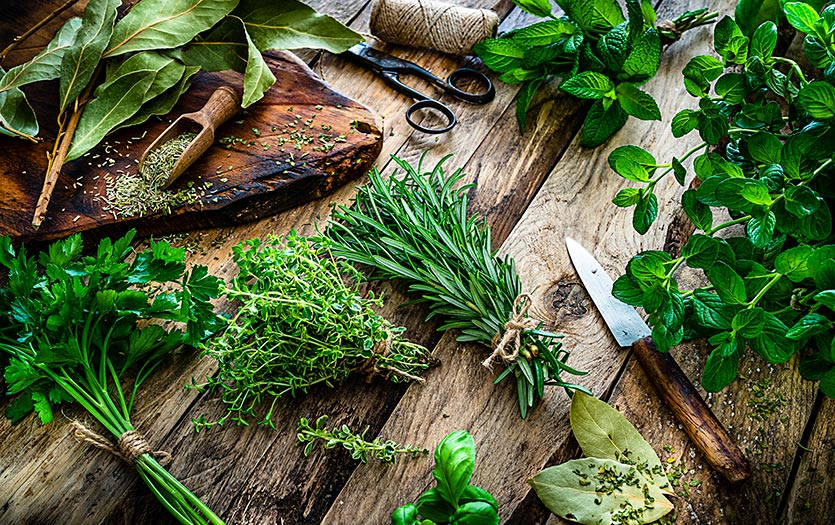
Herbs have been an essential part of human culinary tradition for thousands of years. From the fragrant basil in Italian cuisine to the tangy cilantro in Mexican dishes, herbs are used in almost every cuisine around the world. They offer a multitude of roles, ranging from flavoring food to enhancing the aesthetic appeal of a dish, and even providing significant nutritional benefits.
Today, herbs are no longer just considered an afterthought or a garnish, but are recognized as powerful ingredients in their own right. The aromatic qualities of herbs can elevate a dish, their decorative aspects can create visual appeal, and their health benefits are increasingly acknowledged by nutritionists and food enthusiasts alike. The integration of fresh herbs into daily meals offers a practical way to improve both the taste and nutrition of food.
This article explores the diverse uses of herbs in cooking, from their function as flavor enhancers and garnishes to their role as nutritional powerhouses. Additionally, we’ll examine the growing popularity of herb gardens in kitchens and the health advantages of incorporating these plants into our diet.
Part 1: Culinary Uses of Herbs
1.1 Herbs as Flavor Enhancers
The most obvious role of herbs in cooking is as flavor enhancers. Herbs have the unique ability to transform ordinary dishes into culinary masterpieces, imparting complex and vibrant flavors that are often delicate yet profound. Unlike spices, which tend to be pungent and intense, herbs generally offer more subtle notes that can be used in abundance without overwhelming the dish.
For example, rosemary lends a piney, earthy flavor to roasted meats, while thyme adds a lemony, slightly floral note to soups, stews, and sauces. Mint, with its refreshing and slightly sweet taste, is commonly used in both sweet and savory dishes, from fruit salads to lamb dishes. These flavors not only elevate the taste of food but also enhance the overall dining experience.
Herbs can be used in a variety of ways, depending on the desired outcome. They can be added at the start of cooking for an infusion of flavor, or sprinkled fresh as a finishing touch for a burst of vibrant aroma. Basil, for instance, is often used fresh in Mediterranean dishes such as pasta sauces, pizzas, and salads, while oregano is typically added during the cooking process in tomato-based sauces to intensify the flavor.
1.2 Fresh Herbs vs. Dried Herbs: The Importance of Timing
When it comes to cooking with herbs, the choice between fresh and dried can make a significant difference in the final dish. Fresh herbs offer a light, fragrant flavor that’s ideal for salads, dressings, and garnishes. Dried herbs, on the other hand, have a more concentrated flavor and are best used in long-simmering dishes like soups, stews, and braises where their intensity can meld into the base of the dish.
Certain herbs, such as parsley, chives, and cilantro, are best used fresh due to their delicate nature. Others, such as thyme, oregano, and sage, retain much of their flavor when dried and can be used interchangeably in recipes. Herb-infused oils or vinegars made from fresh herbs offer another layer of flavor and can be used as finishing touches or salad dressings.
1.3 The Decorative Role of Herbs
While the flavor-enhancing properties of herbs are well-known, their decorative role in cooking is often overlooked. Fresh herbs can add a burst of color and texture to any dish. Whether garnishing a bowl of soup, a plate of grilled vegetables, or a platter of cheese, herbs such as basil, rosemary, and chervil not only elevate the visual appeal of a dish but also provide an inviting aroma that makes the food even more appetizing.
In addition to their use as garnishes, herbs can also be used to decorate platters and serve as edible centerpieces for special occasions. A simple sprig of thyme or a bunch of mint leaves can transform a plain plate into something special and enticing, adding an element of freshness and elegance to the presentation.
Part 2: Herbs as Nutritional Supplements
2.1 The Health Benefits of Culinary Herbs
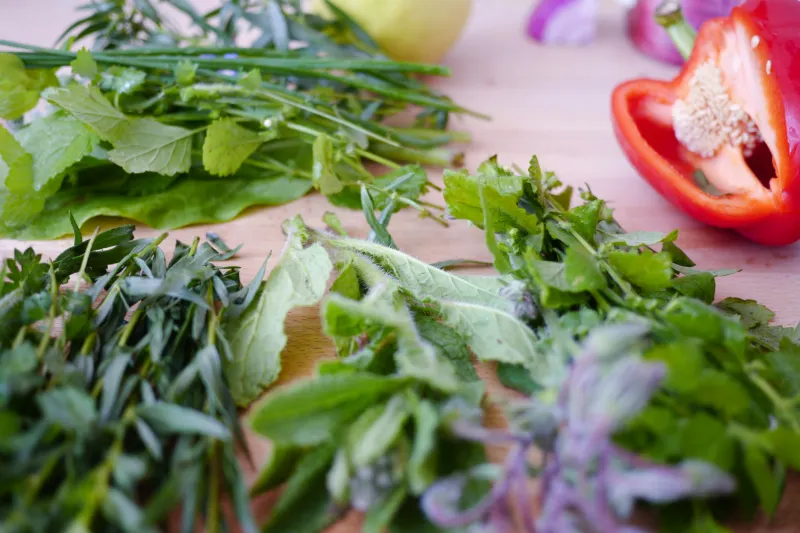
In addition to their culinary uses, herbs have long been recognized for their medicinal properties. Many herbs are packed with antioxidants, vitamins, and minerals that support overall health and well-being. For instance, parsley is rich in vitamin C, iron, and folate, all of which help boost the immune system and support the production of red blood cells. Basil, especially the holy basil variety, has been found to have anti-inflammatory and anti-stress benefits.
Herbs like mint and ginger are known for their digestive properties, helping soothe upset stomachs and promote healthy digestion. Rosemary is another herb that supports digestion, while also offering powerful anti-inflammatory and antioxidant benefits. The high levels of vitamin K in herbs like oregano and thyme can help support bone health and reduce inflammation.
Incorporating herbs into everyday meals can significantly increase the nutrient density of a diet. Fresh herbs are low in calories yet high in essential nutrients, making them an excellent way to add flavor without compromising health. Whether sprinkled over a salad or stirred into a homemade dressing, these herbs provide a nutritious boost to any meal.
2.2 Herbal Supplements: A Growing Trend
In recent years, there has been a surge in the popularity of herbal supplements as consumers seek to improve their overall health and well-being. Many herbs that are commonly used in cooking are now available in supplement form, such as turmeric, ginger, and garlic, which are praised for their anti-inflammatory and immune-boosting properties.
Herbs like echinacea, ginseng, and milk thistle have long been used in traditional medicine to support immune health, energy levels, and liver function. With the increasing focus on holistic health and wellness, the consumption of these herbs in supplement form is becoming a popular way to enhance overall vitality.
Despite their benefits, it’s important to use herbs and supplements responsibly, consulting a healthcare provider when necessary, especially for individuals with underlying health conditions or those taking prescription medication.
Part 3: Cultivating Herbs at Home: A Sustainable and Rewarding Practice
3.1 Starting Your Own Herb Garden
Growing your own herbs at home is an easy and sustainable way to incorporate fresh, flavorful ingredients into your cooking. Whether you have a spacious backyard or a small kitchen windowsill, herbs are easy to grow in a variety of settings. Common herbs such as basil, rosemary, oregano, and mint thrive in containers, making them ideal for apartment dwellers or anyone with limited space.
Starting a small herb garden not only provides a steady supply of fresh herbs, but it also adds beauty to your home. The vibrant green leaves of a herb garden can be a soothing sight and a source of pride for any home cook. Plus, having fresh herbs on hand means you can quickly enhance any meal with just a few snips, allowing you to experiment with different flavors and create dishes that are both nutritious and delicious.
3.2 Benefits of Growing Herbs at Home
There are numerous benefits to growing herbs at home. Fresh herbs can add unparalleled flavor and fragrance to your dishes, and growing your own allows you to have a steady supply of high-quality, organic ingredients at your fingertips. Additionally, many herbs are low maintenance, requiring minimal care once planted. They also thrive in compost-rich soil and natural sunlight, making them an eco-friendly option for home gardeners.
Furthermore, home-grown herbs can help reduce the carbon footprint associated with purchasing herbs from grocery stores, which are often grown in distant regions and transported long distances. By growing your own herbs, you can contribute to a more sustainable food system while enjoying the satisfaction of cultivating your own fresh ingredients.
Part 4: Incorporating Herbs into a Balanced Diet
4.1 How to Use Herbs in Everyday Meals
Integrating herbs into your daily cooking is simple and rewarding. Add fresh basil to your morning smoothie, sprinkle cilantro over tacos or salads, or use parsley in soups and stews. Thyme and rosemary work wonderfully with roasted vegetables, while mint and sage complement dishes with rich or fatty ingredients, like lamb or duck.
In addition to savory uses, herbs can also be incorporated into desserts. For example, lavender and mint are fantastic additions to ice creams, cookies, or cocktails, offering a fresh and aromatic twist to traditional sweets. Infused oils, vinegars, and teas are excellent ways to introduce the flavors of herbs into various meals, while also reaping the nutritional benefits.
4.2 Herbal Tea: A Soothing Way to Enjoy Herbs
Herbal teas are another fantastic way to enjoy the benefits of herbs. Teas made from herbs like chamomile, mint, and lemon balm are known for their calming and digestive properties. Herbal teas can be enjoyed on their own or mixed with other ingredients like honey or lemon to further enhance the flavor and health benefits.
Conclusion: A Celebration of Nature’s Flavor and Health Benefits
Herbs are much more than simple flavoring agents in cooking; they are powerful ingredients that can transform the taste, appearance, and nutritional value of any dish. Their health benefits, from digestive support to anti-inflammatory properties, make them an essential part of any balanced diet. Furthermore, their decorative qualities can elevate a dish from ordinary to extraordinary, turning a simple meal into a visual and sensory feast.
Whether grown at home or purchased from the store, herbs offer a simple and sustainable way to enhance both the flavor and nutrition of your meals. By incorporating fresh herbs into your cooking routine, you not only enjoy the health benefits but also contribute to a more sustainable food system, one meal at a time.