





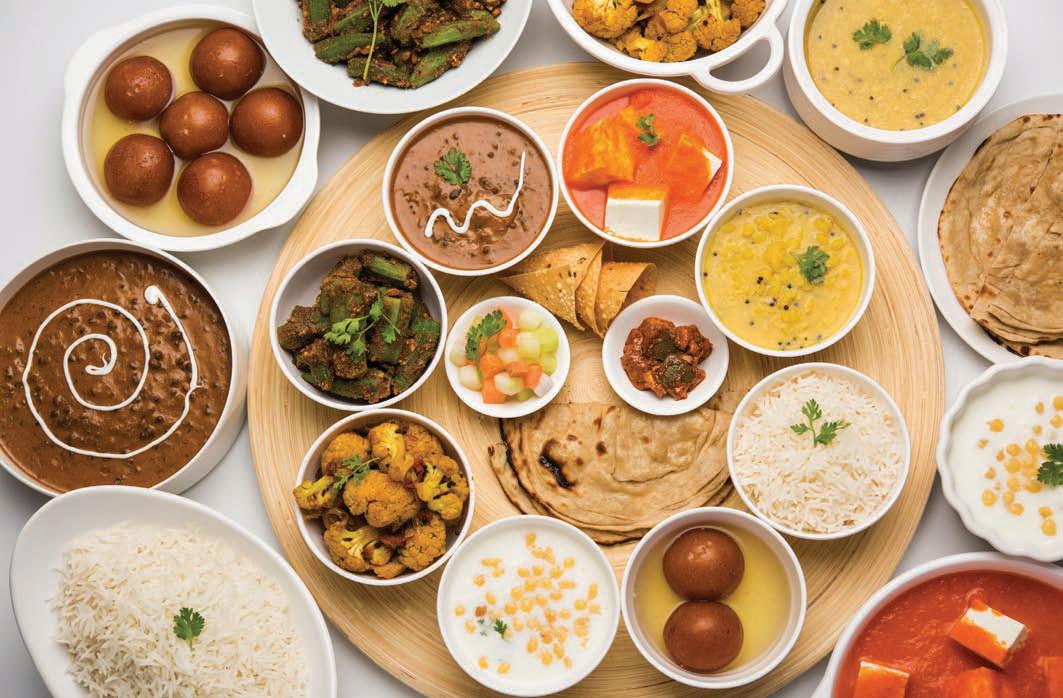

Introduction: A Melting Pot of Flavors and Traditions
India’s culinary culture is one of the richest and most diverse in the world. Influenced by its geography, history, and especially its multifaceted religious and cultural traditions, Indian food offers an extraordinary variety of flavors, cooking techniques, and ingredients. The vast cultural diversity of India—home to a myriad of ethnic groups, languages, and religions—has contributed to a food culture that is as varied as its people.
The interplay of religion, philosophy, and geography has created distinct culinary practices that reflect India’s historical narratives, regional distinctions, and spiritual beliefs. From the vegetarian traditions influenced by Hinduism and Jainism, to the meat-based dishes of Islam and the Sikh practices of langar (community meals), Indian cuisine not only sustains but also reflects the values and stories of its communities.
This article delves into the interconnections between religion, culture, and cuisine in India, highlighting how these forces shape everyday eating habits, special rituals, and regional variations that make Indian food an incredible tapestry of tastes, textures, and colors.
Part 1: Religion as a Shaping Force in Indian Cuisine
1.1 Hinduism and Vegetarianism
Hinduism, the dominant religion in India, has had a profound influence on the country’s food culture, especially in promoting vegetarianism. The concept of ahimsa (non-violence) plays a significant role in shaping the dietary preferences of many Hindus, leading to a preference for plant-based foods. The vegetarian cuisine in India is characterized by its rich use of lentils, legumes, vegetables, dairy, and grains.
Key aspects influenced by Hinduism include:
- Sacred Foods: Many food items are considered offerings to deities, such as prasad (food offered in temples), which is then distributed to the faithful.
- Ayurvedic Influence: The ancient Indian system of medicine, Ayurveda, emphasizes the balance of flavors and the health benefits of food, suggesting specific foods for different temperaments (doshas) and seasons.
- Festivals: Hindu festivals like Navratri, Diwali, and Ganesh Chaturthi often involve fasting or special dietary rules that emphasize purity and simplicity in food.
1.2 Jainism and Strict Vegetarianism
Jainism, a religion that originated in India, holds vegetarianism in even greater regard. Jains follow a stricter version of vegetarianism that also excludes root vegetables (such as onions, garlic, potatoes) to avoid harming plants. Jain meals are often prepared with the utmost care and reverence for all life forms.
Jain cuisine focuses on:
- Non-harmful Cooking Techniques: Methods like steaming and boiling are preferred to preserve life in food.
- Sattvic Diet: Jains follow a sattvic (pure) diet, avoiding spicy, fermented, or overly pungent foods, which are believed to disturb mental and physical calmness.
1.3 Islam and Meat-Based Dishes
Islamic dietary practices also profoundly shape Indian food culture, particularly in regions with significant Muslim populations. Islamic dietary laws, known as halal, regulate the types of meat consumed and the way animals are slaughtered. This has led to the development of rich, flavorful meat dishes such as biryani, kebabs, and mutton curries.
Key influences from Islam include:
- Biryani: A fragrant rice dish with marinated meat, originally brought to India by the Mughals.
- Mughlai Cuisine: Known for its indulgent use of ghee, yogurt, nuts, and spices in meat dishes.
- Halal Practices: The preparation of food that follows Islamic dietary laws also ensures a focus on cleanliness and purity in food preparation.
1.4 Sikhism and Langar (Community Kitchen)
Sikhism, founded in the Punjab region of India, emphasizes the values of equality, service, and community. One of the most significant aspects of Sikh food culture is the langar—a community meal offered at Gurdwaras (Sikh temples). Langar meals are typically vegetarian, ensuring that people of all faiths and backgrounds can partake, regardless of dietary preferences.
Key aspects of Sikh food culture:
- Community Sharing: Langar meals are prepared and served by volunteers, reflecting the Sikh principles of selfless service (seva).
- Simple, Nourishing Foods: Dishes served in langar include dal (lentils), roti (flatbread), rice, and vegetable curries, with an emphasis on simplicity and nourishment.
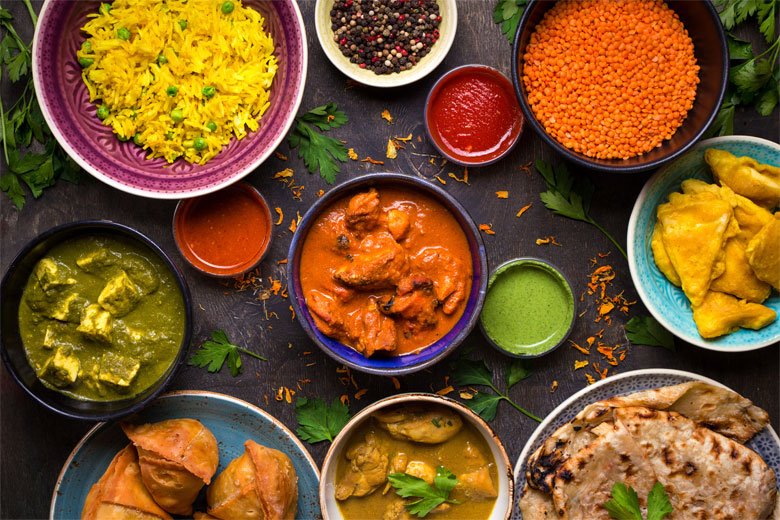
Part 2: Cultural Influences on Regional Cuisines
India’s vast size and diversity have led to regional variations in its culinary traditions, shaped not only by religion but also by geography, climate, and trade. The spices and ingredients used in different parts of the country vary, creating distinct flavors across regions.
2.1 Northern India
Northern Indian cuisine is known for its use of wheat-based products such as naan and roti, and its rich, spiced gravies. The Mughlai influence is prominent, especially in dishes like kebabs and biryani. The cooler climate of the north also favors the use of dairy products like paneer (Indian cheese), ghee (clarified butter), and yogurt in cooking.
Key dishes of Northern India:
- Butter Chicken (Murgh Makhani): A creamy tomato-based curry with tender chicken.
- Rogan Josh: A traditional lamb dish, red in color and heavily spiced.
- Amritsari Kulcha: A stuffed flatbread originating from Amritsar.
2.2 Southern India
Southern Indian cuisine is distinctive for its use of rice as a staple, along with a variety of lentils and coconut in dishes. The region is also known for sambhar (lentil stew) and rasam (spicy soup), which combine tangy tamarind with mustard seeds, curry leaves, and chili peppers.
Key dishes of Southern India:
- Dosa: A thin, crispy pancake made from fermented rice and lentil batter, served with sambar and coconut chutney.
- Chettinad Chicken Curry: A spicy curry from Tamil Nadu, packed with aromatic spices.
- Hyderabadi Biryani: A fragrant rice dish with marinated chicken or mutton, reflecting Persian and Mughal influence.
2.3 Eastern India
Eastern India, particularly Bengal, is known for its fish dishes, given the abundance of rivers and the Bay of Bengal. Mustard oil is a key ingredient, providing a distinctive pungency to many dishes. Bengali cuisine also heavily features sweets made from milk products, such as rasgulla and sandesh.
Key dishes of Eastern India:
- Macher Jhol: A light fish curry made with mustard seeds and green chilies.
- Shorshe Ilish: Hilsa fish cooked in mustard paste.
- Rasgulla: A spongy sweet made from chhena (curdled milk).
2.4 Western India
Western India, especially Gujarat and Maharashtra, is known for its vegetarian and sweet-savory dishes. The region uses a lot of spices like cumin, coriander, and asafoetida. Gujarat is famous for its thali meals, while Maharashtra offers hearty bhakri (flatbreads) and pav bhaji.
Key dishes of Western India:
- Dhokla: A fermented steamed cake made from rice and chickpea flour, often served as a snack.
- Pav Bhaji: A spicy vegetable mash served with buttered buns.
- Farsan: A selection of savory snacks in Gujarat.
Part 3: Modern Trends in Indian Cuisine
In recent years, Indian cuisine has adapted to modern tastes, both within the country and abroad. Several trends are shaping the future of Indian food:
3.1 Fusion Cuisine
Globalization has given rise to fusion dishes that blend Indian ingredients with international flavors. Examples include:
- Butter Chicken Pizza: A fusion of Indian spices with Italian pizza.
- Sushi with Mango Chutney: A cross-cultural twist on Japanese sushi using Indian condiments.
3.2 Health-Conscious Eating
As health concerns rise, Indian cuisine has evolved to incorporate health-conscious choices, such as low-fat alternatives, plant-based meals, and gluten-free options.
Conclusion: A Tapestry of Flavors, Faith, and Culture
India’s culinary culture is a reflection of its religious diversity, geographical variation, and cultural depth. From the vegetarian delights of the south to the spicy richness of the north, Indian food tells a story of sacred rituals, historical migrations, and local traditions.
As India continues to adapt and innovate, its food remains a powerful symbol of the country’s soul—one that nourishes the body and connects the mind to its past. The next time you indulge in an Indian meal, you are not only tasting food, but experiencing the culture, religion, and history that shaped it.