





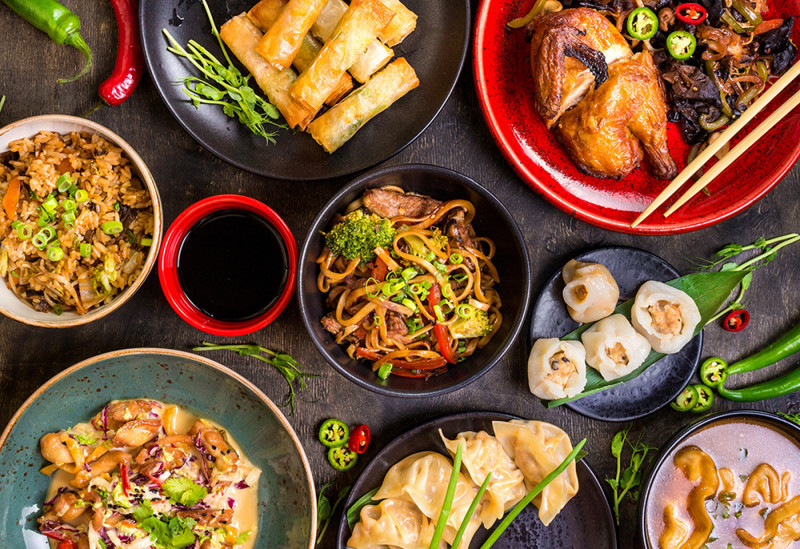

Introduction: The Intersection of Food and Tradition
Food is more than just a source of sustenance—it is an expression of culture, identity, and history. Across the globe, every region has its own distinct culinary practices, shaped by geography, climate, and centuries of cultural evolution. Food and culinary traditions are integral to the fabric of communities, connecting generations and preserving the legacies of the past while evolving with the present.
From the rustic kitchens of the Mediterranean to the vibrant street food stalls of Southeast Asia, regional food traditions are often passed down through families and communities, embodying a sense of pride and continuity. As we explore the intersection of food and regional traditions, we delve into the significance of preserving these culinary legacies, the factors that shape regional food cultures, and how these traditions continue to adapt in today’s globalized world.
In this article, we will examine the intricate relationship between food and local traditions, focusing on how food practices reflect regional identities, the role of food in cultural transmission, and the challenges and opportunities faced by communities in preserving these culinary practices.
Part 1: The Role of Geography and Climate in Shaping Regional Food
1.1 Geography as a Culinary Blueprint
One of the most fundamental factors that shape the food traditions of a particular region is its geography. The availability of natural resources such as soil, water, and climate determines what ingredients are accessible to people. Over time, the land dictates the types of crops grown, the animals raised, and the methods of preservation used. This creates a deep connection between a region’s environment and its food culture.
For example, in regions with a hot and dry climate like the Mediterranean, olive trees thrive, and as a result, olive oil has become a central component of the cuisine. Similarly, in colder climates like Scandinavia, fish, root vegetables, and preserved meats play a vital role in regional diets. Even the way food is prepared can be influenced by the geography, such as the use of slow-cooking techniques in areas where firewood is abundant or the development of pickling and fermentation techniques in regions with long winters and limited fresh produce.
1.2 Climate and Seasonal Foods
Regional food traditions are also deeply intertwined with the seasons. In areas where agriculture is the primary means of food production, traditional diets are often structured around the harvest cycles. Seasonal foods become part of a community’s culinary identity, and many cultures have developed festivals or celebrations to mark the changing of the seasons and the availability of specific ingredients.
In Japan, for instance, seasonal ingredients such as bamboo shoots in spring, fresh fish in summer, chestnuts in autumn, and root vegetables in winter play a key role in Japanese cuisine. The tradition of preparing and consuming foods that align with the seasons, known as shun, is deeply rooted in the country’s culinary practices, symbolizing harmony with nature.
Similarly, in places like Italy, France, and Spain, regional food traditions vary based on the agricultural products that are in abundance during specific seasons. The importance of using fresh, in-season ingredients is not just a culinary preference but a cultural value that reinforces the deep connection between people and their land.
Part 2: Food as a Reflection of Cultural Identity
2.1 Culinary Traditions as Cultural Markers
Food has long been a reflection of identity, particularly regional identity. It is often the case that the foods we associate with a specific place also reflect the history, values, and beliefs of the people who live there. For example, Italian cuisine is not only about pasta and olive oil but is also a manifestation of the country’s rich history of agricultural practices, the influence of ancient Rome, and regional pride.
In many ways, the culinary traditions of a region tell the story of the people who have lived there: their interactions with the land, their agricultural practices, and the way they have interacted with neighboring cultures. Food has always been a means of survival, but it is also a way of asserting identity and distinguishing a community from others.
Take the example of Mexican cuisine, which incorporates indigenous ingredients like corn, beans, and chili peppers with the influences of Spanish colonization. The evolution of Mexican food reflects centuries of cultural blending and adaptation, while also preserving the native traditions that were present long before European colonization. The diverse culinary styles within Mexico—from Oaxacan moles to the seafood-based dishes of the Yucatán—are all part of a collective identity rooted in history, place, and people.
2.2 Food as a Ritual and Celebration
Food is integral to the rituals and celebrations that define regional cultures. From the festive foods of the Middle East during Ramadan to the elaborate banquets in China during Lunar New Year, culinary practices are often tied to social and religious customs. These celebratory meals, made from time-honored recipes passed down through generations, are much more than just food; they are markers of cultural continuity, a way of paying homage to ancestors, and a means of connecting with community.
In the Basque region of Spain, the pintxos (small tapas-like bites) served in bars symbolize the social cohesion of the community. Similarly, the tradition of Thanksgiving in the United States, with its focus on a shared feast, has evolved into an event that celebrates both food and family—reflecting the country’s values of gratitude, unity, and abundance.
Part 3: The Transmission of Food Traditions Through Generations
3.1 Family Recipes and Culinary Knowledge
One of the most vital ways in which food traditions are passed down is through families. Recipes are often handed down through generations, with each new cook adding their personal touch to the dish. These family recipes carry with them stories, memories, and experiences that are unique to each region.
For example, in many North African countries like Morocco and Tunisia, dishes such as tagine or couscous are passed down from mother to daughter, carrying knowledge of not just the ingredients but also the methods of preparation, such as how to properly balance spices or slow-cook a dish for maximum flavor. The knowledge of cooking techniques, paired with an understanding of the cultural significance of the dish, makes these recipes an integral part of both family life and regional heritage.
Moreover, in many cultures, the kitchen becomes a sacred space where tradition is honored, and young members of the family are taught not only the skills of cooking but also the values and beliefs associated with food. The ritual of cooking together fosters a sense of belonging and creates lasting memories that reinforce cultural identity.
3.2 Food as a Means of Cultural Continuity
As regions evolve and global influences infiltrate local cuisines, food traditions become a way to maintain cultural continuity. In the face of modernization and the increasing availability of fast food, traditional recipes and methods are often revived by communities that see them as essential to preserving their heritage.
In Lebanon, for example, the resurgence of traditional foods like tabbouleh, kibbeh, and manakish reflects a conscious effort to maintain a culinary identity in the face of globalization. Restaurants, food festivals, and even family-owned markets have made a concerted effort to preserve these regional dishes by teaching younger generations the importance of using local ingredients, such as freshly pressed olive oil, herbs from the garden, and naturally fermented breads.
Similarly, the sustainability of indigenous food practices, such as the use of local grains or vegetables, has become a focal point for many regions in the world. Indigenous food movements in places like the Pacific Northwest in the U.S. and Central America emphasize the importance of preserving local plant species and cooking techniques that have been used for centuries.
Part 4: The Challenges of Preserving Regional Food Traditions
4.1 Globalization and the Erosion of Traditional Foods
While globalization has brought the world closer together and allowed for the exchange of culinary ideas, it has also posed challenges to regional food traditions. The widespread availability of processed foods, international chain restaurants, and convenience products has eroded many regional food cultures. The younger generation, in particular, may find fast food more accessible or attractive than traditional dishes, threatening the continuation of family recipes and culinary practices.
For instance, Italian cuisine, traditionally based on fresh, seasonal ingredients and simple preparations, faces the challenge of competing with the global fast food culture. Likewise, in countries like India, where traditional street food and home-cooked meals are staples, the rise of packaged snacks and fast food outlets has altered eating habits, particularly in urban areas.
4.2 The Loss of Regional Varieties and Agricultural Practices
As agriculture becomes more industrialized, many traditional farming practices are disappearing. Crops that were once central to regional diets, such as heirloom grains or heritage vegetables, are being replaced by monocultures or genetically modified varieties. This loss of agricultural biodiversity not only threatens the preservation of traditional dishes but also impacts the authenticity of regional cuisine.
Efforts are being made in some regions to revive these traditional farming methods, and organizations are working to promote sustainable agriculture and the preservation of endangered foods. By reconnecting with the land and embracing local, seasonal ingredients, these movements hope to ensure that regional food traditions remain alive for future generations.
Conclusion: A Living Legacy
The legacy of food and regional traditions is an evolving story—a narrative of connection between people, their land, and their heritage. While the world becomes increasingly interconnected, regional food cultures remain a source of pride and continuity. Through food, we preserve the stories, values, and identities of our communities. The ongoing challenge is to ensure that these traditions are not lost in the pursuit of convenience and global trends.
As we move forward, it is vital that we celebrate and protect the diversity of regional cuisines, not just as a means of nourishment but as a testament to the ingenuity, resilience, and creativity of the cultures that gave birth to them. By continuing to honor and pass down these culinary practices, we ensure that the legacy of food and tradition is preserved for generations to come.