





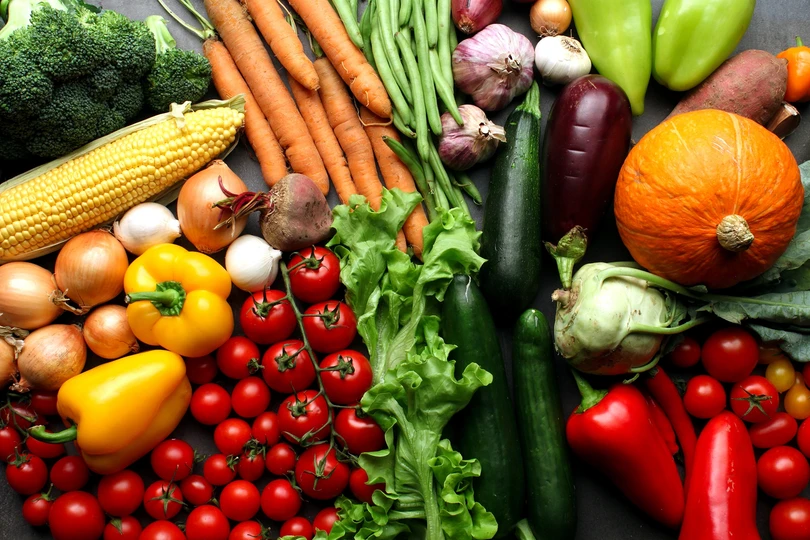

Introduction: The Growing Shift to Plant-Based Eating
In recent years, the plant-based diet has rapidly moved from niche to mainstream, fueled by growing awareness of both environmental issues and health concerns. As climate change accelerates and lifestyle diseases rise globally, individuals and organizations alike are seeking ways to reduce their carbon footprints, improve their health, and make more sustainable choices. Plant-based eating, long associated with veganism and vegetarianism, is now gaining broader acceptance as a legitimate and highly beneficial dietary lifestyle.
This article explores the multifaceted reasons behind this dietary shift, including the environmental, health, ethical, and even economic factors that have contributed to the growing popularity of plant-based diets. We will also delve into the practical implications of adopting a plant-based lifestyle and offer insights into how this dietary choice is reshaping food industries around the world.
Part 1: Environmental Impact of Plant-Based Diets
1.1 Reducing Carbon Footprints
One of the most compelling reasons for the shift toward plant-based eating is its significant positive impact on the environment. The food production industry, particularly livestock farming, is a major contributor to greenhouse gas emissions, deforestation, and water usage. Studies have shown that plant-based diets produce significantly fewer carbon emissions than diets based on animal products. For example, a 2018 study by the University of Oxford found that switching to a plant-based diet could reduce an individual’s carbon footprint from food by up to 73%.
In addition, the resources required for animal farming—such as land, water, and feed—are vastly more than those required for growing plants. Animal agriculture is responsible for about 18% of global greenhouse gas emissions, more than the entire transportation sector combined. This alarming statistic has motivated many people to reconsider their dietary choices.
1.2 Reducing Land and Water Use
Livestock farming requires vast amounts of land, primarily for grazing or growing feed. In fact, it’s estimated that 30% of the Earth’s ice-free land is used for grazing cattle and growing crops for livestock feed. By contrast, plant-based foods tend to require far less land and water. For instance, growing vegetables, grains, and legumes requires only a fraction of the land and water compared to producing the same amount of protein from animal sources.
Additionally, the water footprint of animal-based products is substantially larger. It takes around 1,800 gallons of water to produce just one pound of beef, compared to just 39 gallons for a pound of vegetables. The environmental impact of reducing water consumption through plant-based eating is thus both significant and beneficial, especially in areas that face water scarcity.
1.3 Biodiversity Preservation
Animal farming is one of the leading causes of deforestation, particularly in tropical regions like the Amazon rainforest, where large areas are cleared to make space for cattle ranching or monoculture crops like soy. This not only destroys valuable ecosystems but also contributes to a loss of biodiversity. Plant-based diets, by reducing the demand for animal products, can help mitigate these issues and preserve important habitats and species.
Part 2: Health Benefits of a Plant-Based Diet
2.1 Prevention of Chronic Diseases
A growing body of research supports the idea that plant-based diets can improve long-term health outcomes. Plant-based diets, rich in fruits, vegetables, legumes, whole grains, and nuts, are associated with lower rates of chronic diseases such as heart disease, type 2 diabetes, and certain types of cancer. The World Health Organization (WHO) has stated that a plant-based diet is effective in lowering cholesterol, blood pressure, and inflammation, all of which are risk factors for cardiovascular disease.
Plant-based eating is also linked to better weight management. Studies have found that individuals who follow a plant-based diet tend to have lower body mass indexes (BMIs) than those who eat a diet high in animal products. This may be due to the lower calorie density and higher fiber content of plant foods, which promote satiety and prevent overeating.
2.2 Gut Health and Digestive Benefits
One of the most notable benefits of plant-based eating is its positive effect on gut health. Plant-based foods are rich in fiber, which helps to support the digestive system and promote the growth of healthy gut bacteria. The high fiber content also plays a role in regulating blood sugar levels and supporting a healthy weight. Furthermore, plant-based diets have been shown to reduce the risk of gastrointestinal conditions such as constipation, diverticulosis, and inflammatory bowel disease.
2.3 Nutrient Density and Longevity
Plant-based diets are naturally rich in essential vitamins, minerals, and antioxidants. Fruits and vegetables, for example, are loaded with vitamin C, potassium, folate, and a wide range of phytonutrients that support overall health. By focusing on whole, unprocessed plant foods, individuals can obtain a variety of nutrients that promote longevity and vitality. Studies have shown that people who eat plant-based diets tend to live longer and experience a lower risk of age-related diseases.

Part 3: Ethical Considerations and Animal Welfare
3.1 The Ethical Argument
For many people, the decision to adopt a plant-based diet is motivated by ethical concerns related to animal welfare. Factory farming practices, which are responsible for the majority of meat and dairy production, are known for their inhumane treatment of animals. These practices include overcrowding, poor living conditions, and cruel practices such as tail docking and debeaking.
Plant-based eating offers an alternative that does not involve exploiting animals for food. It is an ethical choice that supports the belief that animals have the right to live free from harm, and many individuals choose plant-based diets to align their actions with their values of compassion and respect for all living beings.
3.2 Supporting Sustainable Agriculture
In addition to its ethical considerations regarding animal welfare, plant-based eating also supports more sustainable agricultural practices. By choosing plant-based foods, consumers encourage farmers to adopt methods that are better for the environment, such as agroecology and regenerative agriculture. These practices emphasize biodiversity, soil health, and reduced pesticide use, and are integral to creating a more sustainable and ethical food system.
Part 4: The Economic Impact and Accessibility of Plant-Based Foods
4.1 Growing Demand and Market Trends
The plant-based food market is experiencing rapid growth. According to a 2020 report by the Plant Based Foods Association, plant-based food sales in the United States alone grew by 27% from 2019 to 2020. This trend is driven by increasing consumer demand for healthier, more sustainable, and cruelty-free food options. As a result, more food companies are investing in plant-based alternatives to meat, dairy, and other animal products.
From plant-based burgers to dairy-free milk, the availability and variety of plant-based options are expanding rapidly. This growing demand has led to increased innovation in the food industry, resulting in more affordable, accessible, and delicious plant-based products.
4.2 The Role of Plant-Based Eating in Food Security
Plant-based diets also offer potential solutions to global food security issues. With the global population projected to reach 9.7 billion by 2050, the need for sustainable, efficient, and affordable food sources has never been greater. Plant-based foods are more efficient to produce and distribute, and they can help address hunger and malnutrition worldwide by making nutritious foods more widely available. Moreover, plant-based agriculture tends to have lower barriers to entry for small-scale farmers, helping to support local food systems and reduce inequality in the global food economy.
Conclusion: A Diet for the Future
As we face mounting environmental challenges and growing health concerns, the rise of plant-based eating represents a promising shift toward a more sustainable and health-conscious future. With its numerous benefits for the planet, our health, and ethical considerations, the plant-based diet is no longer just a trend—it is becoming a fundamental part of a better, more conscious way of living.
The journey toward a plant-based diet may look different for everyone, but even small changes can make a significant impact. Whether it’s reducing meat consumption, embracing Meatless Mondays, or fully adopting a vegan lifestyle, individuals can play an important role in shaping a more sustainable, ethical, and health-conscious world. As the plant-based movement continues to gain momentum, we can expect to see even more positive changes in the way we produce and consume food, benefiting both ourselves and the planet.