






Introduction:
Nuts and seeds are often celebrated for their rich flavor, crunchy texture, and diverse nutritional benefits. These small yet powerful food sources have been a part of human diets for thousands of years, serving not only as a nutritious snack but also playing key roles in various aspects of culinary arts, medicine, and even environmental sustainability. From almonds and walnuts to chia and flax seeds, these plant-based foods are versatile ingredients that are essential in modern kitchens and holistic health practices.
What makes nuts and seeds particularly fascinating is their multifunctionality. They serve as a rich source of protein, fiber, healthy fats, and essential vitamins and minerals, while also playing an integral role in sustainable farming, eco-conscious food production, and environmental restoration. Whether incorporated into sweet or savory dishes, used as an oil, or consumed in their raw form, the uses of nuts and seeds span far beyond just being a simple snack. In this article, we will explore the vast and varied uses of nuts and seeds, delving into their culinary, health, environmental, and even economic roles.
1. Nuts and Seeds in the Kitchen: From Snacks to Gourmet Dishes
Nuts and seeds have earned their place in the kitchen for both their nutritional value and versatility. They can be enjoyed raw, roasted, ground into flour, or used as key ingredients in a variety of dishes. Their ability to add texture, flavor, and nutritional benefits makes them invaluable in both everyday cooking and high-end gastronomy.
Snack Foods: The Perfect On-the-Go Option
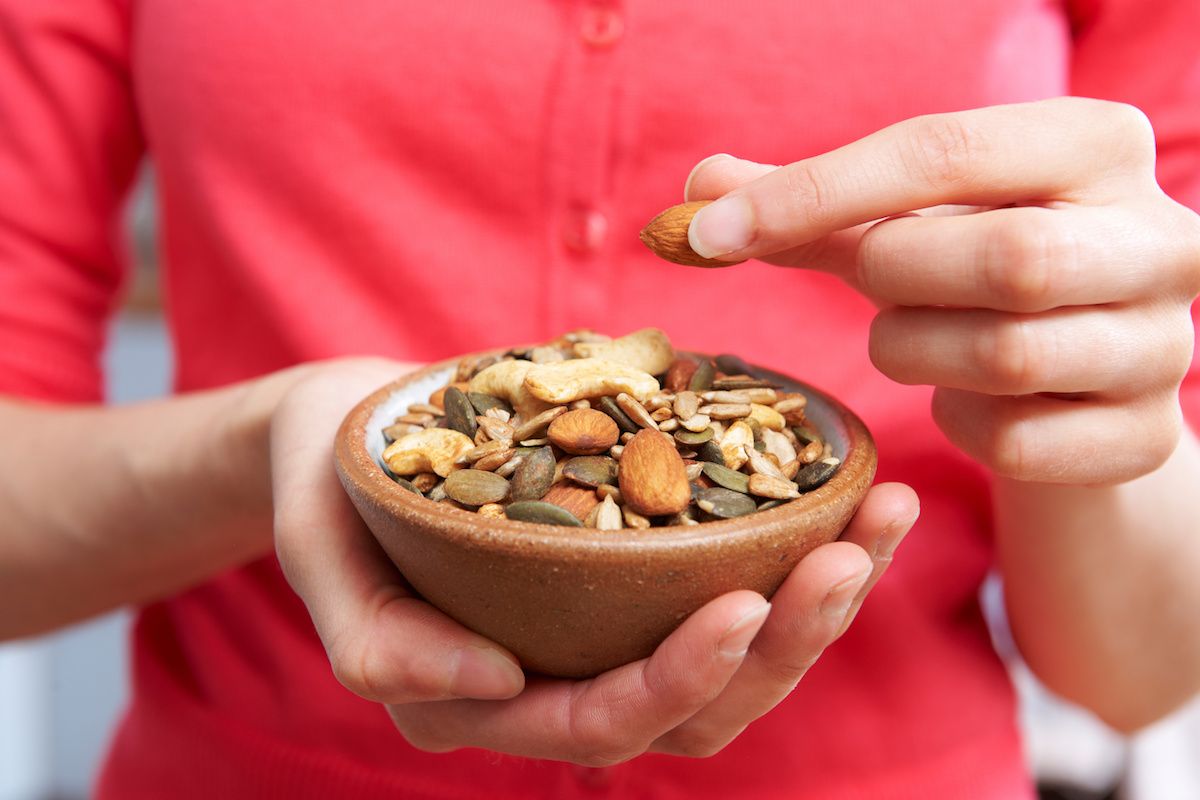
Nuts and seeds are incredibly popular as a healthy snack. Packed with healthy fats, protein, and fiber, they are an excellent choice for those looking for a quick, nutritious bite. Some popular options include:
- Almonds: Rich in monounsaturated fats and vitamin E, almonds are a satisfying and nutrient-dense snack. Their mild sweetness and satisfying crunch make them a favorite in raw or roasted forms.
- Cashews: Cashews are not only delicious but also versatile. They can be eaten raw or roasted and are often ground into cashew butter, a popular alternative to peanut butter.
- Pumpkin Seeds: These nutrient-dense seeds are packed with zinc, magnesium, and antioxidants. Roasted pumpkin seeds are a favorite snack, often seasoned with salt or other spices.
- Sunflower Seeds: Rich in healthy fats and vitamin E, sunflower seeds are enjoyed as a snack or added to salads, granola, and baked goods.
These snackable foods are a great alternative to processed, high-sugar options, making them an excellent choice for energy throughout the day.
Baking with Nuts and Seeds
Nuts and seeds also play an important role in baking, offering texture, flavor, and added nutrients to various products. From cookies and bread to cakes and muffins, they provide the perfect balance of crunch and flavor.
- Nuts in Baked Goods: Walnuts, almonds, and pecans add richness and crunch to baked goods. Their oils enhance the moisture and texture of items like banana bread, muffins, and cookies. Ground almonds are commonly used as a gluten-free flour substitute, offering a nutty flavor and a dense texture in cakes and cookies.
- Seed-Based Flour: Ground seeds such as flax seeds, chia seeds, and sunflower seeds are commonly used as gluten-free flour alternatives in baking. These seeds can be ground into flour to make breads, pancakes, and cookies that are not only free from gluten but also packed with fiber and omega-3 fatty acids.
Nuts and Seeds in Salads and Stir-Fries
Nuts and seeds add a wonderful crunch and richness to salads, soups, and stir-fries. Toasted pine nuts are often sprinkled on Mediterranean salads, adding a subtle, nutty flavor. Sesame seeds, a common ingredient in Asian stir-fries and dressings, offer a delightful crunch and nutty taste.
- Pine Nuts: These small, sweet-tasting nuts are commonly used in Mediterranean cuisine, particularly in pesto sauce. Their delicate flavor enhances dishes like pasta, pizza, and vegetables.
- Sesame Seeds: Sesame seeds are commonly used in Asian cuisine, often sprinkled on sushi, mixed into stir-fries, or incorporated into sauces like tahini. They are also an essential ingredient in sesame oil, a key element in many Asian and Middle Eastern dishes.
Nut Butters and Spreads
Nuts such as almonds, cashews, and peanuts are often blended into nut butters or spreads, offering a rich, creamy consistency that enhances toast, sandwiches, or smoothies. Nut butters are rich in healthy fats, proteins, and vitamins, making them a nutritious addition to the diet.
- Peanut Butter: The quintessential nut butter, peanut butter is a classic ingredient for sandwiches, smoothies, and desserts. It is high in protein and healthy fats.
- Almond Butter: A popular alternative to peanut butter, almond butter is packed with vitamin E and heart-healthy fats. It has a slightly sweeter and milder flavor than peanut butter.
2. The Health Benefits of Nuts and Seeds: A Nutritional Powerhouse
Beyond their delightful flavors and textures, nuts and seeds are packed with essential nutrients that contribute significantly to overall health. They are rich in protein, fiber, healthy fats, and a host of vitamins and minerals that provide a wide range of benefits.
Rich in Healthy Fats
Many nuts and seeds, such as walnuts, flax seeds, and chia seeds, are excellent sources of omega-3 fatty acids, which are essential for heart health. Omega-3s help reduce inflammation, lower cholesterol levels, and support brain function. These healthy fats are also beneficial for maintaining healthy skin and supporting the immune system.
- Walnuts: Walnuts are particularly rich in omega-3 fatty acids, which contribute to cardiovascular health and cognitive function.
- Chia Seeds: These tiny seeds are a plant-based source of omega-3 fatty acids and can be incorporated into smoothies, puddings, and salads.
High in Protein and Fiber
Nuts and seeds are high in both protein and fiber, making them an excellent choice for plant-based diets and for those looking to manage their weight. The combination of protein and fiber helps promote satiety and keeps hunger at bay.
- Almonds: Almonds contain about 6 grams of protein and 3.5 grams of fiber per ounce, making them an ideal snack for muscle repair and digestion.
- Pumpkin Seeds: Rich in protein and fiber, pumpkin seeds are a fantastic choice for supporting digestion and promoting a feeling of fullness.
Packed with Antioxidants and Micronutrients
Nuts and seeds are loaded with antioxidants, including vitamin E, selenium, and flavonoids, which help protect the body from oxidative stress and reduce the risk of chronic diseases like cancer and heart disease.
- Sunflower Seeds: High in vitamin E, sunflower seeds are great for promoting skin health and protecting cells from free radical damage.
- Flax Seeds: Flax seeds are packed with lignans, which are antioxidants that may help reduce the risk of cancer.
Heart Health
The high levels of healthy fats found in nuts and seeds can help improve cardiovascular health by lowering bad cholesterol (LDL) and increasing good cholesterol (HDL). Regular consumption of nuts has been associated with a reduced risk of heart disease.
- Cashews: Cashews are rich in monounsaturated fats, which help to reduce the risk of heart disease.
- Pistachios: Pistachios are packed with antioxidants and healthy fats that improve heart health and support weight management.
3. The Environmental Impact of Nuts and Seeds
Nuts and seeds are not only good for our health—they also have a positive impact on the environment. As part of sustainable agriculture, they are often more eco-friendly than animal-based products and other crops that require high inputs of water, land, and chemicals.
Sustainability in Nut Production
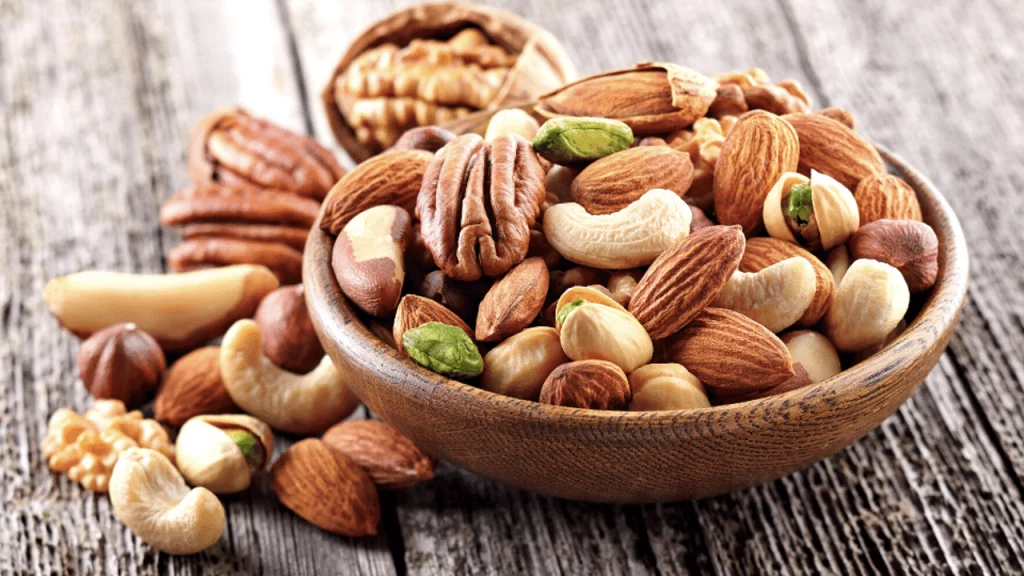
Many nuts, such as almonds, pecans, and hazelnuts, are grown on trees, which help absorb carbon dioxide and provide shade and habitat for wildlife. Additionally, trees play a role in reducing soil erosion, improving air quality, and preserving biodiversity.
- Almonds: While almond farming requires significant water resources, it is also an important crop in supporting biodiversity in the Mediterranean climate. Furthermore, almonds can help sequester carbon through the tree growth process.
Low Environmental Impact of Seeds
Seeds, especially those like flax, chia, and pumpkin seeds, have a relatively low environmental impact compared to larger-scale agricultural practices like meat production. They require fewer resources such as water and land and are often grown in regions where they can thrive with minimal environmental disturbance.
4. Nuts and Seeds in Personal Care and Beauty Products
Nuts and seeds also find their way into a wide range of beauty and personal care products. Their oils, in particular, are often used in lotions, moisturizers, and even hair care treatments due to their nourishing and hydrating properties.
Nutrient-Rich Oils
- Argan Oil: Extracted from the argan tree’s nuts, this oil is famous for its hydrating properties, often used in hair serums, skin creams, and lip balms.
- Almond Oil: Known for its ability to moisturize and soften the skin, almond oil is used in many beauty products, from body lotions to facial oils.
Seed Extracts in Skincare
- Pumpkin Seed Oil: This oil is rich in vitamins A, C, and E, making it an excellent ingredient for moisturizing the skin and preventing premature aging.
- Flaxseed Oil: Often used in anti-aging products, flaxseed oil is rich in omega-3 fatty acids, helping to restore the skin’s elasticity and reduce the appearance of wrinkles.
Conclusion: The Endless Potential of Nuts and Seeds
From being a rich source of nutrients to playing key roles in sustainable farming and environmental protection, nuts and seeds are truly multifunctional foods. Whether you’re enjoying a handful as a snack, incorporating them into meals, or using their oils in beauty routines, these tiny foods are powerful in more ways than one.
Nuts and seeds are not just a source of protein and healthy fats—they also contribute to the environment, making them an essential part of a sustainable future. As we continue to explore the vast and varied applications of these foods, their value in our diets and in the global food system will only continue to grow. Whether for health, cooking, or sustainability, nuts and seeds are, indeed, small wonders of nature.