






Introduction:
Rosemary (Rosmarinus officinalis), a woody perennial herb native to the Mediterranean, is one of the most aromatic and versatile herbs used in cooking today. With its unmistakable piney fragrance and earthy, slightly bitter taste, rosemary has long been a favorite of chefs and home cooks alike. Its ability to enhance a wide variety of dishes, particularly roasted meats and seafood, has earned it a central role in many culinary traditions.
Often found in Mediterranean cuisine, rosemary has evolved from being a staple of rustic farm-to-table meals to a key player in sophisticated gourmet dishes. Whether used in rosemary-infused oils, rosemary sprigs for roasting, or fresh rosemary leaves as a garnish, this herb brings a fresh, pine-like scent that complements the richness of meats and seafood alike. Its versatility in the kitchen—from marinating meats to infusing stocks and sauces—has made it a go-to herb for everything from lamb and beef to salmon and scallops.
In this article, we will explore the culinary uses of rosemary, focusing on how it pairs with roasted meats and seafood. We will also examine its flavor profile, its role in enhancing various dishes, and the many ways in which this herb can be utilized in both everyday cooking and high-end cuisine.
1. The Flavor Profile of Rosemary: Earthy, Woody, and Aromatic
Before diving into the specifics of its culinary uses, it’s important to understand what makes rosemary such a standout herb in cooking. The flavor of rosemary can be described as earthy, woody, and slightly bitter, with notes of pine and lemon. These distinct flavors make it an excellent complement to hearty, rich dishes, such as roasted meats and seafood.
Chemical Composition:
Rosemary contains a variety of essential oils, including camphor, borneol, eucalyptol, and α-pinene, all of which contribute to its unique flavor and aroma. These compounds are responsible for the herb’s characteristic sharpness and pine-like scent, making rosemary a perfect match for fatty or rich ingredients.
- Camphor: This compound contributes to rosemary’s slightly medicinal aroma, often described as refreshing or invigorating.
- α-Pinene: Found in the essential oils of rosemary, this compound imparts a piney, resinous aroma that is often associated with the scent of pine forests.
- Eucalyptol: A compound with a cooling effect, eucalyptol adds to rosemary’s fresh, clean fragrance.
These properties allow rosemary to elevate dishes by cutting through the richness of meats and seafood, while also enhancing their natural flavors. The herb’s ability to balance both fatty and delicate ingredients has made it a staple in kitchens worldwide.
2. Rosemary and Roasted Meats: A Classic Pairing
Rosemary’s deep, woodsy flavor makes it an ideal partner for roasted meats, particularly those with bold, rich flavors. Its pungent aroma and slightly bitter taste help to break through the richness of fatty meats like lamb, beef, and pork, adding a layer of freshness and complexity to the dish.
Rosemary and Lamb: A Timeless Combination
Lamb, with its natural gamey flavor, is one of the best meats to pair with rosemary. The herb’s woody, slightly bitter notes complement the rich, earthy flavor of lamb, creating a harmonious balance. In roast lamb dishes, rosemary is often used in two ways:
- Rosemary Sprigs: Whole rosemary sprigs are placed alongside or under the meat during roasting. The leaves release their essential oils during cooking, infusing the lamb with a subtle, aromatic flavor.
- Rosemary Infused Oil: Olive oil and rosemary are often combined to create a marinade that can be rubbed onto the lamb before roasting. This ensures the meat is seasoned deeply, and the rosemary flavors infuse into the meat as it cooks.
Rosemary is frequently used in roast lamb with garlic, where its resinous scent and sharpness balance the pungent garlic, creating a savory and fragrant dish. Rosemary also pairs beautifully with lamb when used in gravy or sauces, adding depth and complexity.
Rosemary with Beef and Pork
Beef, particularly cuts like ribeye, sirloin, and tenderloin, benefits greatly from rosemary’s strong flavors. The herb pairs perfectly with beef, adding aromatic sharpness that contrasts with the rich, meaty flavor. A simple marinade of garlic, rosemary, and olive oil is enough to infuse the meat with the herb’s fragrance, making it ideal for grilling or roasting.
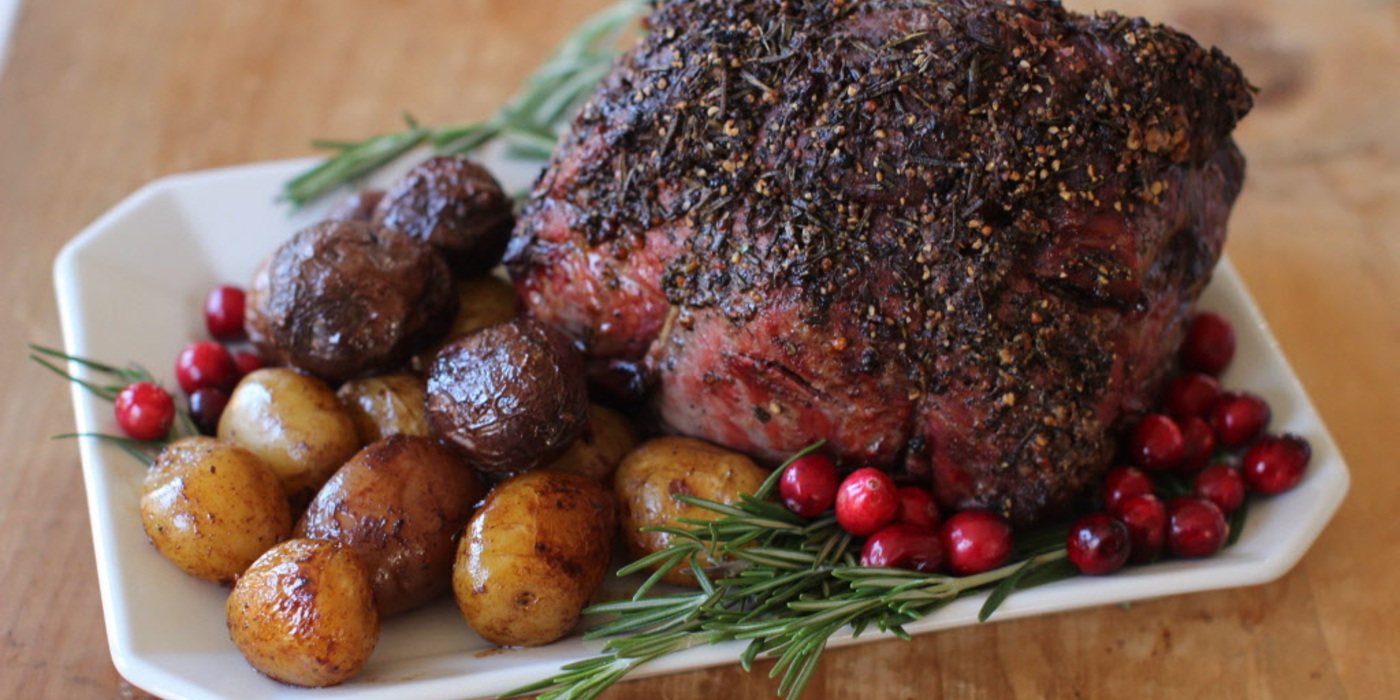
- Roast Beef: Rosemary is frequently used in traditional roast beef dishes, where it is combined with garlic, salt, and pepper to create a simple yet aromatic crust. The high heat of roasting allows the essential oils of rosemary to permeate the meat, creating a deeply savory flavor profile.
- Pork: Pork, with its slightly sweet and fatty taste, pairs wonderfully with rosemary. Roast pork loin or pork chops with rosemary and garlic creates a succulent, aromatic dish. Rosemary’s slightly bitter flavor acts as a counterpoint to the richness of pork, balancing the sweetness and providing depth.
3. Rosemary and Seafood: Elevating Delicate Flavors
While rosemary is often associated with hearty meats, it also has a unique ability to enhance the delicate, light flavors of seafood. Rosemary’s fragrant oils help bring out the natural sweetness of seafood while cutting through any richness in fatty fish.
Rosemary and Fish: A Versatile Partnership
While rosemary is often used in roasted meats, it can also be employed in seafood dishes, particularly those involving fatty fish like salmon, mackerel, and trout. The richness of these fish pairs well with rosemary’s bold flavor, creating a balance of freshness and earthiness.
- Grilled Salmon: A simple marinade of olive oil, rosemary, garlic, and lemon can turn an ordinary piece of salmon into a fragrant, flavorful dish. The rosemary complements the oily richness of the salmon, while the lemon adds acidity to balance the flavors.
- Rosemary Infused Butter: For a more refined seafood dish, rosemary can be infused into butter, which is then used to drizzle over grilled or pan-seared fish fillets. This technique creates a luxurious mouthfeel while allowing the rosemary to subtly flavor the fish.
Rosemary with Shellfish
Shellfish such as shrimp, scallops, and lobster can also benefit from the addition of rosemary, though it must be used sparingly to avoid overpowering the delicate flavors of the shellfish.
- Grilled Shrimp with Rosemary: Rosemary can be used as part of a marinade for shrimp, along with lemon and garlic. The herb’s fresh, slightly piney aroma complements the sweetness of the shrimp, adding depth without masking its natural flavors.
- Rosemary and Scallops: Scallops, with their sweet and tender meat, pair wonderfully with a rosemary-infused butter or sauce. The earthy, woody taste of rosemary elevates the mild flavor of the scallops, creating a sophisticated and aromatic dish.
4. Methods of Cooking with Rosemary: From Roasting to Infusing
Rosemary is a versatile herb that can be used in a variety of ways, depending on the dish and the desired flavor intensity. Whether you’re roasting, grilling, or infusing, there are several methods of cooking that bring out the best in this aromatic herb.
Roasting with Rosemary
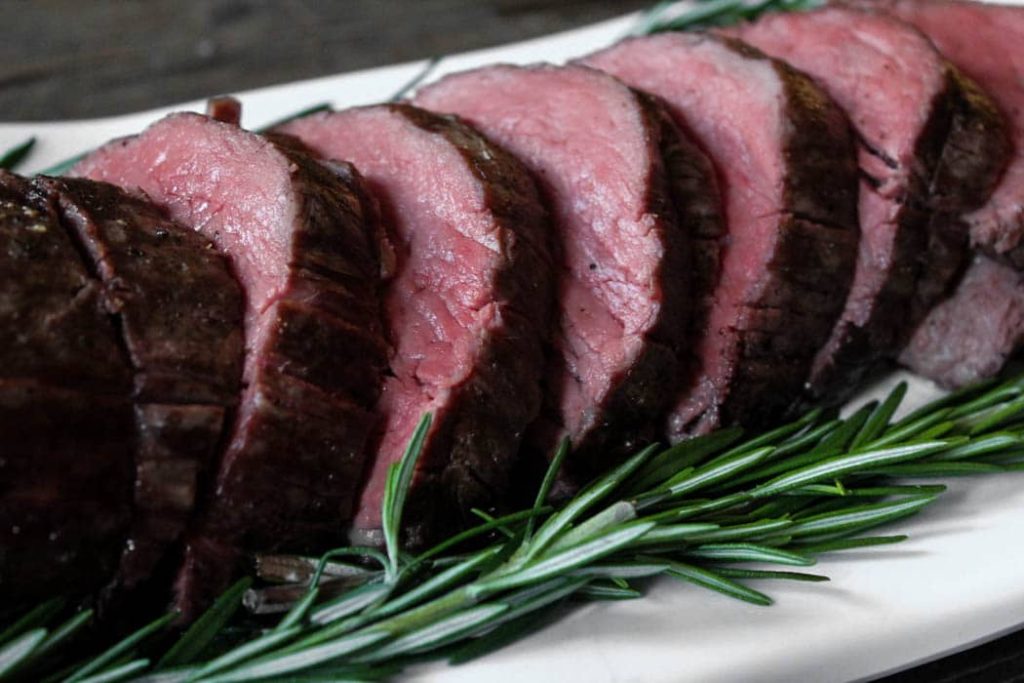
The most common way to use rosemary with roasted meats and vegetables is by adding fresh rosemary sprigs directly to the roasting pan or placing them under the meat. As the meat cooks, the rosemary releases its essential oils, infusing the entire dish with its signature fragrance.
- Whole Sprigs vs. Chopped Rosemary: Whole rosemary sprigs work well when roasting large cuts of meat, like lamb or beef, as they impart a more subtle, aromatic flavor. Chopped rosemary can be used in marinades or sprinkled over vegetables and meats for a more pronounced flavor.
Infusing Rosemary
Rosemary can be used to infuse oils, vinegars, and even stocks. Rosemary-infused olive oil is particularly popular, as it can be used as a marinade for meats or seafood or drizzled over finished dishes for added flavor. Rosemary vinegar can be made by steeping fresh rosemary in vinegar for a few weeks, which results in a tangy, aromatic vinegar perfect for dressings and sauces.
- Rosemary Oil: To make rosemary-infused oil, simply heat olive oil and add a few sprigs of fresh rosemary. Let the oil simmer gently for 10 to 15 minutes, then allow it to cool before straining out the rosemary. The resulting oil can be used to marinate meats, drizzle over vegetables, or as a dipping sauce for bread.
5. Health Benefits of Rosemary
Beyond its culinary uses, rosemary is known for its potential health benefits. As an herb, rosemary contains a wealth of bioactive compounds that may have medicinal properties.
- Antioxidant Properties: Rosemary is rich in antioxidants, such as rosmarinic acid, which help protect the body from oxidative stress and inflammation.
- Digestive Health: Rosemary has been traditionally used to aid digestion, alleviate bloating, and stimulate appetite.
- Memory and Focus: Studies have shown that the aroma of rosemary can help improve concentration and memory, making it a popular choice in aromatherapy.
- Anti-inflammatory Effects: Rosemary contains compounds that may help reduce inflammation and muscle pain, making it useful for soothing sore muscles after a long day.
Conclusion: The Timeless Appeal of Rosemary
Rosemary’s ability to enhance the flavors of roasted meats and seafood has made it a favorite in kitchens around the world. Its fragrant, piney aroma and earthy flavor profile create a harmonious balance when paired with rich meats and delicate seafood. Whether used in marinades, roasting, or infusions, rosemary remains one of the most versatile and beloved herbs in the culinary world.
By using rosemary thoughtfully, you can elevate your cooking, bringing complexity and freshness to a variety of dishes. From roasted lamb to grilled salmon, rosemary’s aromatic properties make it an indispensable ingredient in both rustic and refined recipes. Beyond the kitchen, its health benefits further reinforce its importance in our daily lives. Ultimately, rosemary stands as a testament to the enduring connection between nature and food—bringing both flavor and wellness to the table.