






Introduction:
Herbaceous plants, often thought of as simple garden companions or culinary additives, possess far-reaching utility that extends beyond the kitchen and garden. From medicinal properties to ecological benefits, herbaceous plants are versatile organisms that have been intertwined with human life for centuries. They offer a range of uses, from enhancing the flavor of dishes to improving health and even supporting environmental sustainability. Their benefits are both practical and ecological, making them one of the most valuable resources in nature.
In this article, we explore the diverse and multifunctional roles herbaceous plants play across various domains, including medicine, food, cosmetics, and environmental conservation. By understanding the full potential of herbaceous plants, we can learn how to better integrate them into our daily lives, promote sustainable practices, and harness their benefits for overall well-being.
1. Culinary Uses: Enhancing Flavor and Nutrition
Herbaceous plants, particularly herbs and leafy vegetables, are staples in kitchens worldwide. They not only add distinct flavors but also contribute nutritional value, transforming ordinary dishes into extraordinary ones.
Herbs in Cooking
Herbs are essential for enhancing the flavor profiles of countless dishes. Whether they are used fresh or dried, they can bring aromatic, zesty, earthy, or spicy notes that elevate the culinary experience.
- Basil: Known for its sweet and slightly peppery taste, basil is a key ingredient in Italian cuisine, particularly in pasta sauces, pesto, and salads. Its aromatic presence can also be used in Thai cuisine to complement spicy curries.
- Rosemary: With its robust, pine-like aroma, rosemary is used to season meats, particularly lamb and chicken. It pairs well with roasted vegetables and is an essential part of Mediterranean cuisine.
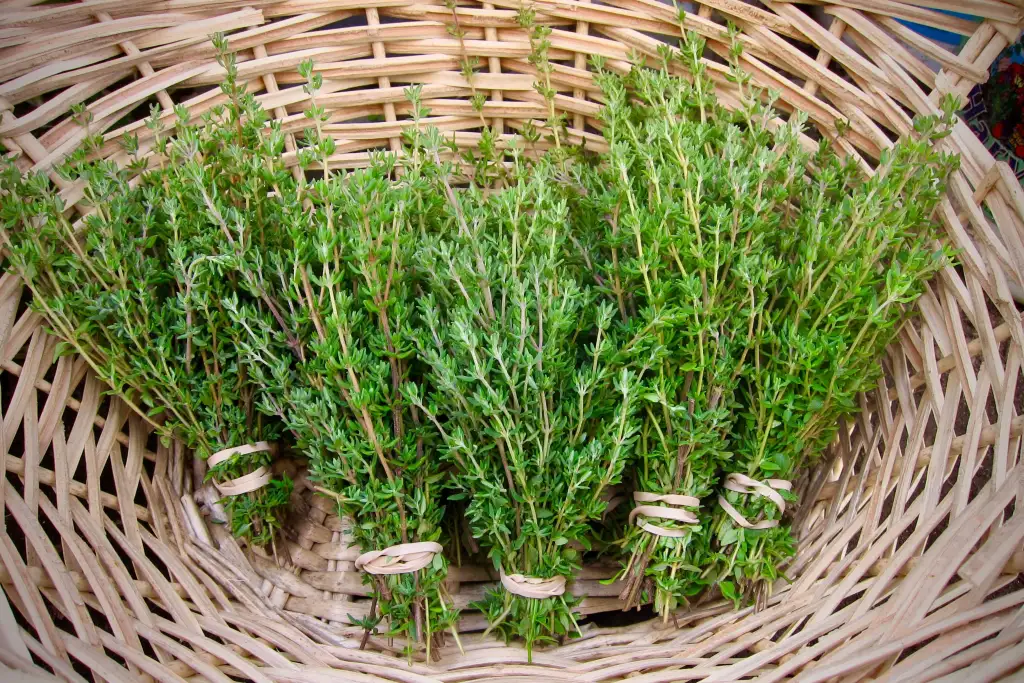
- Thyme: Thyme is a versatile herb with earthy and lemony notes. It’s commonly used in French and Mediterranean cooking, enhancing soups, stews, and roasted meats.
- Mint: Offering a refreshing, cool flavor, mint is used in everything from savory dishes, such as tabbouleh and lamb, to beverages and desserts, like mint juleps and mint chocolate.
These herbs, among others, not only add delightful tastes to meals but also offer additional health benefits. Many culinary herbs are rich in antioxidants, vitamins, and minerals, contributing to improved digestion, enhanced immune function, and overall well-being.
Leafy Greens and Edible Flowers
Beyond herbs, many herbaceous plants offer highly nutritious greens and edible flowers that are commonly used in salads, smoothies, and garnishes. For example:
- Arugula: Known for its peppery flavor, arugula adds a zesty kick to salads, sandwiches, and pizzas. It’s also packed with vitamins A, C, and K.
- Spinach: Spinach is a nutrient-dense herbaceous plant, offering high amounts of iron, calcium, and folate. It can be eaten raw in salads or cooked into soups, omelets, and pastas.
- Nasturtiums: These vibrant flowers not only add color to dishes but have a tangy, peppery taste similar to arugula. Both the flowers and leaves are edible and can be used in salads, garnishes, or infused oils.
The culinary possibilities with herbaceous plants are endless, providing flavor, nutrition, and visual appeal in various dishes, both simple and sophisticated.
2. Medicinal Uses: Healing with Nature
The medicinal properties of herbaceous plants are well-documented, dating back thousands of years to ancient civilizations that utilized them for healing purposes. Today, many of these plants are still integral to both traditional and modern medicine, as they contain powerful bioactive compounds that can promote health and alleviate symptoms of various conditions.
Common Medicinal Herbs:
- Lavender: Known for its calming effects, lavender is used to reduce stress, anxiety, and insomnia. Lavender essential oil is also popular in aromatherapy and skincare products for its soothing properties.
- Chamomile: Chamomile has been used for centuries to treat digestive issues, promote relaxation, and alleviate mild pain. It’s commonly consumed as a tea, which can have anti-inflammatory and calming effects.
- Peppermint: Peppermint is widely recognized for its digestive benefits, particularly in relieving nausea, bloating, and indigestion. It is often used in herbal teas, oils, and as an ingredient in topical products for soothing muscle tension.
- Echinacea: Echinacea is commonly used to strengthen the immune system, reduce the severity and duration of colds, and support overall respiratory health. It is often consumed as a tea or in tincture form.
- Ginger: Though technically a rhizome, ginger is an herbaceous plant known for its powerful anti-inflammatory properties. It can relieve nausea, improve digestion, and reduce muscle soreness.
Herbaceous plants provide a natural and often effective way to support overall health. Many herbs are rich in compounds like flavonoids, alkaloids, and terpenes, which have been shown to reduce inflammation, promote healing, and enhance immune function. Additionally, essential oils extracted from these plants are used in aromatherapy to support emotional and mental health, helping to reduce anxiety, stress, and even improve sleep quality.
The Rise of Herbal Medicine
In recent years, there has been a resurgence of interest in herbal medicine, as people seek natural alternatives to pharmaceutical treatments. While herbal remedies should be used with care and proper guidance, they can often serve as complementary treatments, improving quality of life and supporting general wellness.
3. Aromatherapy and Cosmetics: Enhancing Beauty Naturally
In addition to culinary and medicinal uses, many herbaceous plants have made their mark in the beauty and skincare industries. Extracts from herbs, flowers, and leaves are utilized for their soothing, anti-aging, and skin-rejuvenating properties. From lotions to perfumes, these plant-based ingredients have found their way into a range of beauty products.
Aromatherapy:
Herbaceous plants such as lavender, peppermint, and chamomile are commonly used in aromatherapy. Essential oils derived from these plants are believed to promote relaxation, reduce stress, and elevate mood. Aromatherapy is often used in conjunction with massage therapy, steam baths, and diffusers to provide a holistic approach to emotional and physical health.
- Lavender Oil: Used for relaxation and stress relief, lavender essential oil is known for its calming effects. It’s also an ingredient in many skincare products for its soothing properties on irritated or inflamed skin.
- Peppermint Oil: With its invigorating scent, peppermint essential oil helps stimulate the senses and improve mental clarity. It’s commonly used to relieve headaches and tension when massaged into the temples.
Cosmetic Applications:
Herbaceous plants are also a key ingredient in the cosmetics industry. Their anti-inflammatory, antioxidant, and antimicrobial properties make them ideal for skincare products, from moisturizers to face masks.
- Aloe Vera: Aloe vera, a common herbaceous plant known for its soothing properties, is widely used to treat burns, wounds, and skin irritation. It is also incorporated into moisturizers and face masks for its hydrating and cooling effects.
- Rosemary Extract: Rosemary, rich in antioxidants, is used in hair care products to promote healthy hair growth, improve scalp health, and prevent dandruff. It is also found in anti-aging skincare products for its ability to fight free radicals.
- Tea Tree Oil: Derived from the leaves of the Melaleuca alternifolia tree, tea tree oil has antibacterial properties that make it highly effective in treating acne and other skin blemishes. It’s a popular ingredient in cleansers and spot treatments.
These plants offer natural, non-toxic alternatives to synthetic chemicals, contributing to the growing trend of eco-conscious beauty products that are both effective and sustainable.
4. Environmental Benefits: Promoting Sustainability
Beyond their direct benefits to humans, herbaceous plants also play a crucial role in supporting the environment. Many herbaceous species are integral to the ecosystem, contributing to soil health, water conservation, and biodiversity.
Soil Health and Erosion Control
Certain herbaceous plants, such as clover, alfalfa, and grass species, are effective in preventing soil erosion. Their deep-root systems help bind the soil together, preventing it from being washed away by rain or wind. This is particularly important in areas prone to desertification or landslides.
- Clover: As a nitrogen-fixing plant, clover helps enrich the soil by converting atmospheric nitrogen into a form that plants can use. This reduces the need for chemical fertilizers and promotes soil fertility.
- Alfalfa: Alfalfa is known for its ability to improve soil structure and prevent erosion. It’s often used as a cover crop in agriculture to enhance soil quality and provide a habitat for beneficial insects.
Biodiversity and Pollinator Support
Herbaceous plants are often a source of food and shelter for a wide range of pollinators, such as bees, butterflies, and moths. By planting diverse species of herbs and flowers, gardeners can contribute to local biodiversity, providing important habitats for these essential pollinators.
- Lavender and Bee Balm: These plants are known to attract bees and butterflies, providing food and fostering biodiversity in gardens and wild landscapes. Pollinators are crucial for the fertilization of many agricultural crops.
Carbon Sequestration
Herbaceous plants also contribute to carbon sequestration, the process of capturing and storing atmospheric carbon dioxide (CO₂). Plants like grasses and trees naturally absorb CO₂ during photosynthesis, playing a role in mitigating climate change. Herbaceous plants in particular, due to their fast-growing nature, help sequester carbon more rapidly than woody plants.
Conclusion: The Versatile Role of Herbaceous Plants
Herbaceous plants are far more than just decorative or culinary additions; they are multi-purpose resources that benefit both human and ecological health. From nourishing our bodies with flavorful and nutritious greens to providing powerful medicinal remedies, these plants play a crucial role in enhancing our daily lives. Furthermore, their contributions to beauty, aromatherapy, and environmental sustainability underscore their importance as versatile and sustainable resources.
By recognizing the value of herbaceous plants in all these areas, we can harness their full potential, create more sustainable practices, and improve both our health and the environment. As we continue to explore the wide range of benefits that these plants provide, we will be better equipped to integrate them into our lives for the greater good.