





Introduction: Cuisine as a Map of Empire
The history of Portuguese cuisine cannot be understood without acknowledging the profound impact of Portugal’s colonial expansion. From the 15th century onward, Portugal established one of the world’s earliest and most extensive maritime empires, stretching across Africa, Asia, and South America. While this empire reshaped global trade, politics, and cultures, its most lasting and intimate legacy may be found on the dining table.
Portuguese colonies introduced an extraordinary range of new ingredients—spices, fruits, vegetables, sugars, and techniques—that permanently transformed Portuguese food culture. These ingredients did not simply replace local foods; instead, they were absorbed, adapted, and reinterpreted through existing culinary traditions. The result was a cuisine that became global centuries before globalization became a modern concept.
This essay explores how Portuguese colonial expansion brought an abundance of new ingredients to Portugal, how these foods were integrated into everyday cooking, and how colonial exchanges reshaped not only Portuguese cuisine but also global food history.
I. Portugal and the Birth of a Global Food Network
1. The Age of Discoveries as a Culinary Revolution
The Portuguese Age of Discoveries in the 15th and 16th centuries marked a turning point in world history. Driven by maritime innovation and economic ambition, Portuguese explorers established sea routes connecting Europe to Africa, Asia, and the Americas. These routes enabled the large-scale movement of goods, people, and ideas, including food.
For the first time, ingredients from distant continents became accessible on a regular basis. Portuguese ports, particularly Lisbon, evolved into global marketplaces where foods from multiple ecosystems converged. This moment represented a culinary revolution as significant as the Agricultural Revolution itself.
2. From Local Diet to Global Pantry
Before overseas expansion, Portuguese cuisine was primarily Mediterranean in character, based on olive oil, wheat, wine, vegetables, and local fish. Colonial trade transformed this relatively limited pantry into a global one. Portugal became a gateway through which foreign ingredients entered Europe, long before many other nations had similar access.
II. Africa: Early Encounters and Foundational Ingredients
1. West Africa and the Spice Route
Portugal’s earliest overseas interactions occurred along the West African coast. From these regions came spices, peppers, palm oil, and new varieties of grains. African trade networks already possessed sophisticated knowledge of food preservation and seasoning, which influenced Portuguese practices.
Malagueta pepper, for example, became an important substitute for Asian black pepper when supplies fluctuated. This pepper played a role in shaping Portuguese seasoning preferences and later influenced colonial cuisines in Brazil and Africa itself.
2. Sugar and the Foundations of Sweet Cuisine
Sugarcane cultivation expanded rapidly in Portuguese-controlled Atlantic islands and later in Brazil. Sugar shifted from a rare luxury to a widely used ingredient, revolutionizing Portuguese desserts.
This abundance of sugar encouraged the development of rich pastry traditions, particularly in convent kitchens, where egg yolks and sugar were combined into elaborate sweets. Without colonial sugar production, Portuguese dessert culture would look dramatically different.
III. Asia: Spices, Rice, and Aromatic Complexity
1. The Spice Trade and Culinary Prestige
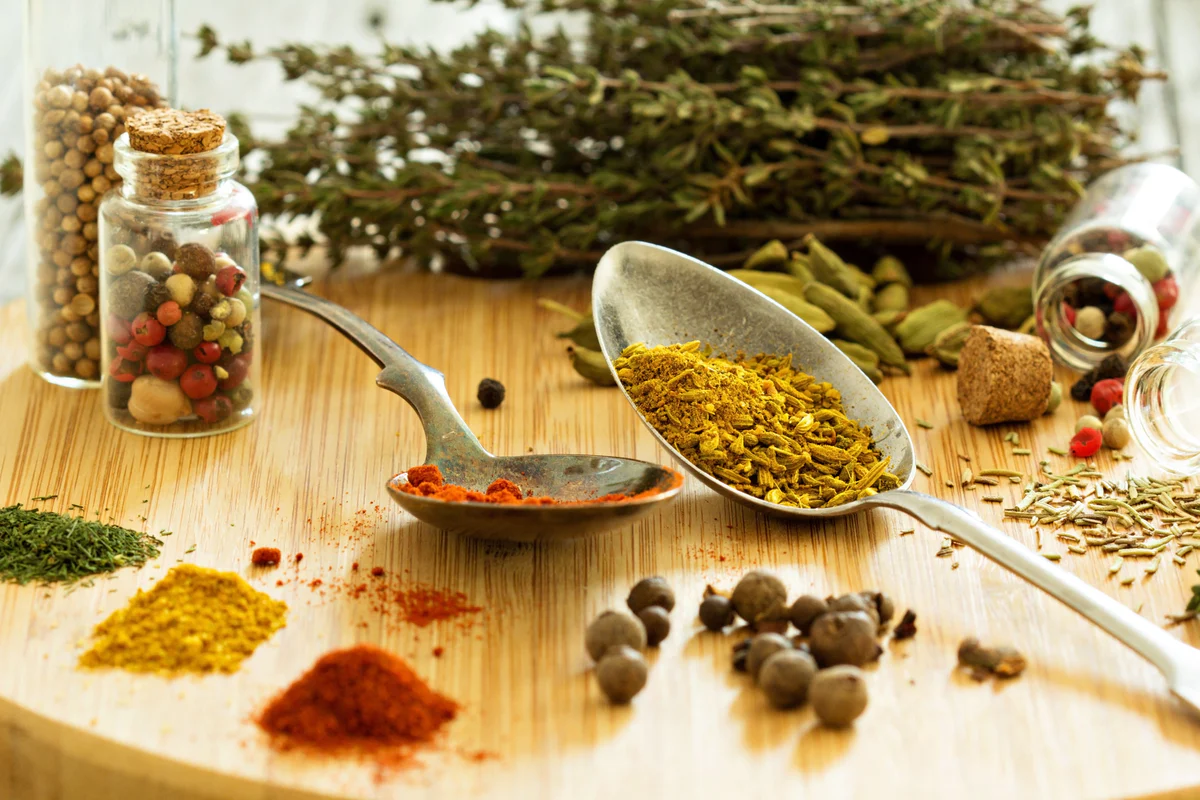
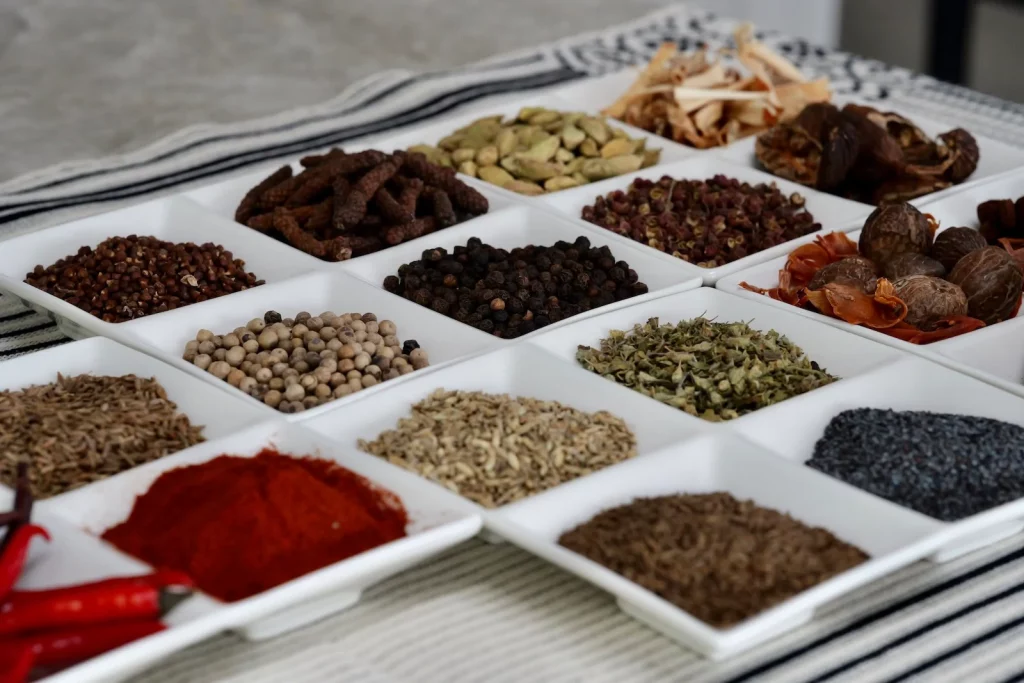
Portuguese arrival in India and Southeast Asia gave them direct access to spices that had previously reached Europe only through intermediaries. Cinnamon, cloves, nutmeg, ginger, and pepper entered Portuguese kitchens in unprecedented quantities.
These spices were initially symbols of wealth and power, used sparingly in elite cooking. Over time, however, they filtered into broader culinary use, subtly influencing seasoning habits and flavor profiles.
2. Rice and Culinary Adaptation
Rice, introduced more widely through Asian contact, became a key ingredient in Portuguese cuisine. Unlike the bread-dominated diets of much of Europe, Portugal developed a strong rice culture, particularly in coastal and southern regions.
Rice dishes became common accompaniments to seafood and stews, reflecting Asian influence adapted to Iberian tastes.
IV. Brazil: The Most Transformative Colony
1. New World Crops and Dietary Change
Brazil, Portugal’s largest and most influential colony, introduced a vast array of new ingredients that fundamentally reshaped Portuguese cuisine. Crops such as tomatoes, potatoes, maize, chili peppers, beans, cacao, and peanuts gradually entered Portugal through transatlantic trade.
These foods addressed nutritional needs, increased food security, and expanded culinary possibilities. Potatoes, for instance, became an essential staple in Portuguese households, particularly among rural populations.
2. Tomatoes and the Redefinition of Flavor
Tomatoes, now central to many Portuguese dishes, were once entirely unknown in Europe. Over time, they became indispensable in soups, stews, and sauces, adding acidity and depth to traditional preparations.
This transformation demonstrates how colonial ingredients eventually lost their foreign identity, becoming fully integrated into national cuisine.
V. Chili Peppers and the Evolution of Heat
1. From the Americas to the Old World
Chili peppers, native to the Americas, spread rapidly through Portuguese trade routes. They traveled not only to Portugal, but also to Africa and Asia, where they reshaped local cuisines.
In Portugal, chili peppers were used with restraint, enhancing flavor rather than overwhelming it. Their adoption reflects the Portuguese tendency to integrate new ingredients conservatively, respecting established taste preferences.
2. Global Influence Beyond Portugal
Portuguese traders played a key role in introducing chili peppers to regions such as India, Southeast Asia, and parts of Africa, where they became foundational. This highlights Portugal’s indirect yet powerful role in shaping global food cultures.
VI. Fruits, Nuts, and Agricultural Diversity
1. Exotic Fruits and Changing Diets
Colonial contact introduced tropical fruits such as pineapples, bananas, and citrus varieties. While some remained luxuries, others gradually entered daily consumption, enriching diets and expanding seasonal variety.
These fruits also influenced Portuguese dessert traditions, jams, and preserves, reflecting a blending of global ingredients with local techniques.
2. Nuts and Legumes
Peanuts and new bean varieties from the Americas became important protein sources, particularly among lower-income populations. These ingredients supported more balanced diets and contributed to the resilience of Portuguese food systems.
VII. Colonial Ingredients and Social Transformation
1. From Elite Luxury to Everyday Food
Many colonial ingredients were initially restricted to elites due to cost and availability. Over time, increased production and trade made them accessible to broader society. This democratization of food altered social dynamics, allowing flavors once associated with power to become part of everyday life.
2. Urban Markets and Culinary Exchange
Lisbon and other port cities became sites of intense culinary exchange. Markets offered spices, fruits, and preserved goods from across the empire, exposing ordinary people to global flavors centuries before modern globalization.
VIII. Two-Way Culinary Exchange: Influence Beyond Portugal
1. Portuguese Cuisine Abroad
While Portugal imported ingredients, it also exported culinary practices. Portuguese cooking techniques, preservation methods, and food preferences influenced colonial cuisines in Brazil, Africa, and Asia.
Dishes evolved locally, blending Portuguese methods with indigenous ingredients, creating hybrid cuisines that persist today.
2. Shared Culinary Heritage
This two-way exchange produced a shared culinary heritage across Portuguese-speaking regions. Although shaped by colonial power dynamics, food became a space of adaptation, creativity, and cultural negotiation.
IX. Ethical and Historical Reflections
1. Colonialism and Unequal Exchange
It is essential to acknowledge that the flow of ingredients occurred within systems of exploitation, forced labor, and unequal power relations. Sugar, for example, was produced through enslaved labor, leaving a legacy of injustice embedded in culinary history.
Understanding this context allows for a more honest appreciation of Portuguese cuisine and its global connections.
2. Reassessing Culinary History
Modern scholarship increasingly examines food history as part of broader social and ethical narratives. Portuguese cuisine, shaped by colonial expansion, serves as a case study in how food can embody both creativity and conflict.
X. Lasting Impact on Modern Portuguese Cuisine
1. A Global Identity Rooted in Tradition
Today, Portuguese cuisine is inseparable from its colonial past. Ingredients once considered exotic are now fundamental. Yet the cuisine retains a strong sense of restraint and simplicity, emphasizing balance over excess.
2. Culinary Memory and Cultural Continuity
Colonial ingredients have become carriers of memory, linking Portugal to its history of exploration and global interaction. They remind us that national cuisines are rarely isolated, but instead shaped by centuries of contact and exchange.
Conclusion: How Empire Reshaped the Portuguese Table
Portuguese colonial expansion brought a wealth of new ingredients that transformed the nation’s cuisine in lasting and profound ways. From spices and sugar to tomatoes, potatoes, and chili peppers, these foods expanded the Portuguese culinary imagination and redefined everyday cooking.
Yet the story of these ingredients is not merely one of enrichment. It is also a story of power, adaptation, and historical complexity. Portuguese cuisine today stands as a living archive of global interaction—one that reflects both the creativity born of exchange and the ethical challenges of empire.
By examining how Portuguese colonies introduced new ingredients, we gain a deeper understanding of how food histories are intertwined with human history itself. Portuguese cuisine, shaped by the world, continues to tell a story that is at once local and global, humble and far-reaching, rooted in tradition yet forever marked by movement and change.