






Introduction: Understanding Italian “Home-Style Cooking”
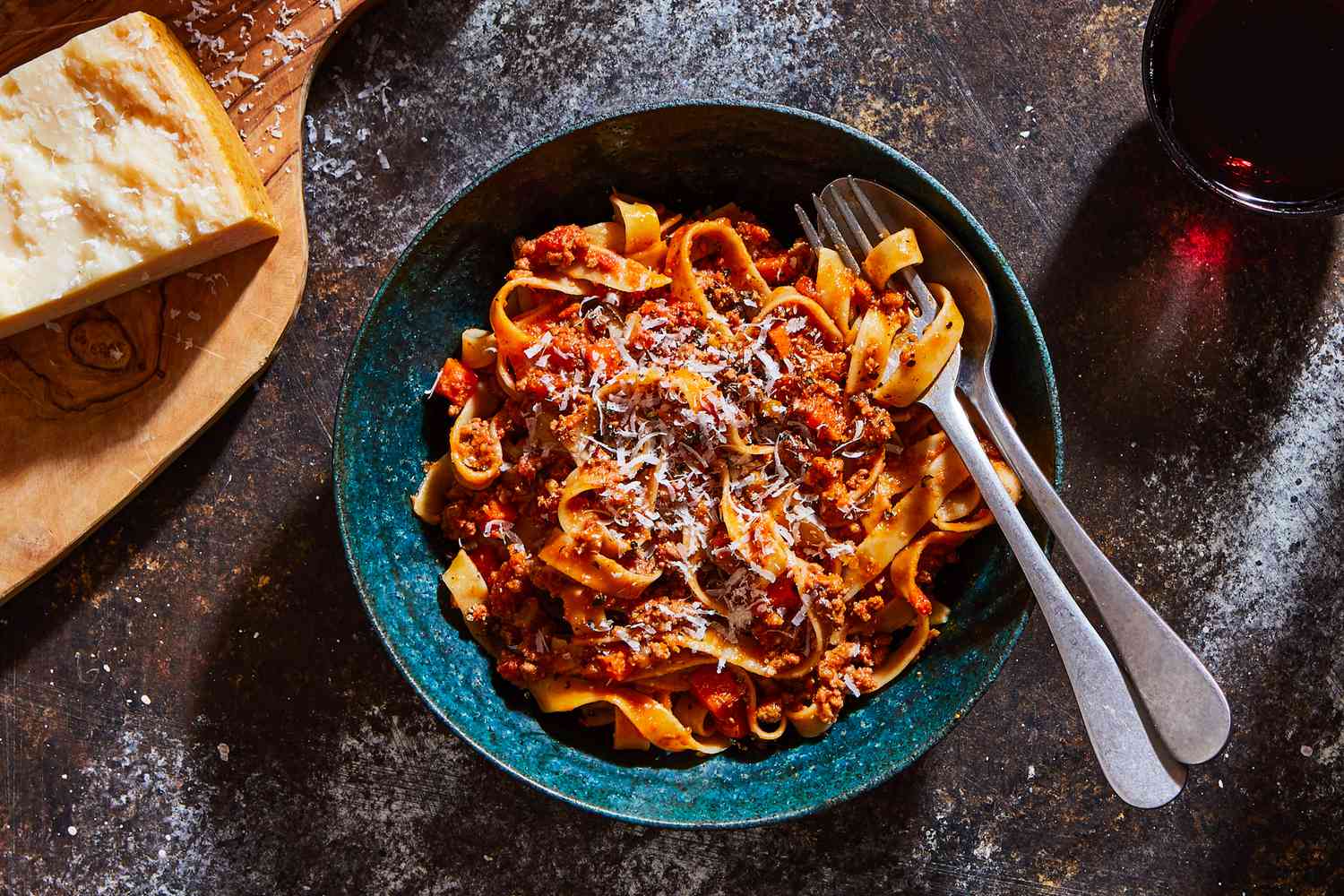
When people think of Italian cuisine, images of pizza, pasta, and elegant restaurant dishes often come to mind. Yet for Italians themselves, the true heart of their culinary culture lies not in fine dining or internationally famous recipes, but in “cucina casalinga”, commonly translated as home-style cooking. Italian home-style cooking is not a single set of dishes, nor is it defined by luxury ingredients or complex techniques. Instead, it represents a philosophy of food rooted in family, seasonality, regional identity, and emotional connection.
Italian home cooking is what happens daily in kitchens across the country: meals prepared by parents and grandparents, recipes passed down orally, and dishes shaped by local landscapes and historical necessity. It is deeply personal yet widely shared, modest yet profoundly meaningful. This essay explores Italian home-style cooking from cultural, historical, regional, and social perspectives, revealing how it functions as both a culinary practice and a way of life.
I. The Cultural Meaning of “Cucina Casalinga”
1. More Than Food: A Way of Living
In Italy, food is inseparable from daily life. “Cucina casalinga” refers not only to what is cooked at home but also to how and why it is cooked. Meals are structured moments of the day, especially lunch and dinner, when families gather, conversations unfold, and relationships are reinforced.
Unlike fast-paced eating cultures, Italian home cooking emphasizes time, attention, and presence. Even simple dishes are prepared with care, reflecting a cultural belief that food should nourish both body and spirit. This attitude transforms everyday cooking into a meaningful ritual rather than a routine task.
2. The Central Role of Family
Family is the foundation of Italian home-style cooking. Traditionally, recipes are inherited through generations, often from grandparents—especially grandmothers, affectionately known as nonne. These women are widely regarded as guardians of culinary knowledge, preserving local traditions through practice rather than written instructions.
Measurements such as “a handful,” “until it feels right,” or “as much as it needs” are common, highlighting the intuitive nature of Italian home cooking. This method reinforces the idea that cooking is learned through observation and participation, strengthening family bonds and cultural continuity.
II. Historical Roots of Italian Home Cooking
1. Peasant Origins and Culinary Simplicity
Italian home-style cooking has deep roots in peasant culture. For centuries, much of Italy’s population lived in rural areas with limited resources. As a result, traditional home cooking evolved around affordability, availability, and practicality.
Dishes were designed to make the most of what was locally grown or easily preserved. Bread, grains, legumes, vegetables, and small amounts of meat formed the basis of daily meals. Recipes such as soups, stews, and baked dishes allowed families to stretch ingredients and avoid waste, laying the foundation for what is now celebrated as cucina povera—“poor cooking” in economic terms, yet rich in flavor and ingenuity.
2. Regional Fragmentation and Local Identity
Italy as a unified nation is relatively young, officially established in 1861. Before unification, the peninsula consisted of independent states and regions, each with its own customs, dialects, and food traditions. This historical fragmentation explains why Italian home cooking is highly regional.
Even today, neighboring towns may prepare the same dish differently. Italian home-style cooking is therefore not a national cuisine in the strict sense, but a mosaic of regional and local practices shaped by geography, climate, and history.
III. Regional Expressions of Italian Home-Style Cooking
1. Northern Italy: Comfort, Butter, and Grains
In northern regions such as Lombardy, Piedmont, and Veneto, home cooking reflects a colder climate and agricultural traditions centered on dairy and grains. Butter often replaces olive oil, and rice and corn are more common than pasta.
Typical home-style dishes include risotto, polenta, and slow-cooked meats. These meals are warming, hearty, and designed to sustain families through long winters. The emphasis is on texture, balance, and subtle flavors rather than strong spices.
2. Central Italy: Balance and Simplicity
Central Italian regions like Tuscany, Umbria, and Lazio are known for their minimalist approach to home cooking. Here, quality ingredients are allowed to speak for themselves. Olive oil, bread, beans, and seasonal vegetables form the core of everyday meals.
Tuscan home cooking, for example, is famous for its use of unsalted bread and simple soups that transform leftovers into nourishing dishes. This approach reflects a cultural respect for food and an aversion to excess.
3. Southern Italy: Sun, Abundance, and Creativity
Southern Italian home cooking, found noteably in Campania, Calabria, Puglia, and Sicily, is shaped by a warmer climate and historical poverty. Tomatoes, eggplants, peppers, olive oil, and dried pasta dominate the daily table.
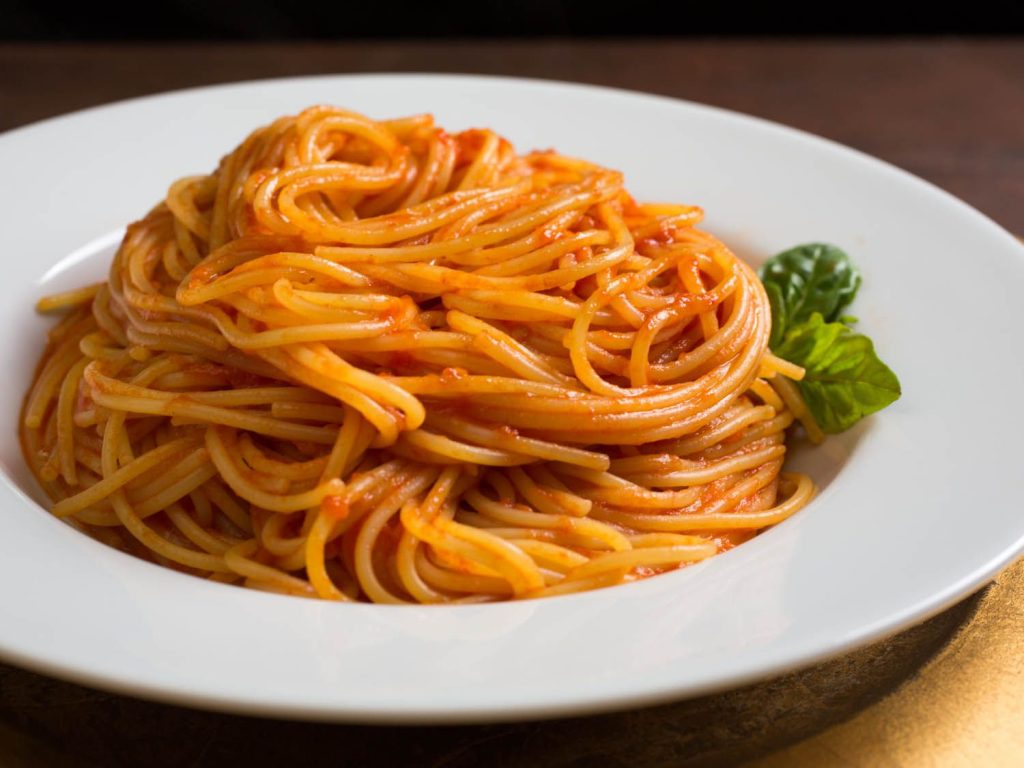
Southern home-style dishes are often vibrant and bold, yet still grounded in simplicity. Pasta with tomato-based sauces, vegetable stews, and bread-based meals demonstrate how creativity flourishes under constraint. Despite limited resources, these regions developed some of Italy’s most beloved home-cooked foods.
IV. Structure of a Traditional Italian Home Meal
1. A Logical and Social Sequence
Italian home meals traditionally follow a structured sequence, especially on weekends or special occasions. While daily meals may be simpler, the structure reflects cultural values of balance and moderation.
A meal may begin with a small appetizer, followed by a first course such as pasta or soup, then a second course centered on protein, accompanied by vegetables. Fruit or a light dessert may conclude the meal. This structure encourages variety without excess, allowing families to enjoy multiple flavors in reasonable portions.
2. The Importance of the Table
The dining table is a central symbol in Italian home life. Meals are rarely eaten alone or in haste. Even on busy weekdays, families strive to eat together when possible. This practice reinforces communication, shared identity, and emotional support.
V. Ingredients as the Heart of Home Cooking
1. Seasonality and Local Sourcing
Italian home-style cooking is deeply seasonal. Ingredients are chosen based on what is fresh and available at local markets. This approach ensures better flavor, lower cost, and environmental sustainability.
Seasonality also creates anticipation and rhythm in daily life. Certain dishes are associated with specific times of year, linking food to natural cycles and cultural memory.
2. Respect for Ingredients
A defining principle of Italian home cooking is respect for ingredients. This means using simple techniques that enhance natural flavors rather than overpower them. It also means minimizing waste, repurposing leftovers, and valuing even the humblest components.
This respect reflects a broader cultural attitude: food is a gift of nature and labor, deserving care and gratitude.
VI. The Role of Women and Generational Transmission
1. The Kitchen as a Cultural Classroom
Historically, Italian kitchens have been spaces of informal education. Children learn by watching, helping, and eventually cooking alongside elders. This process transmits not only recipes but also values such as patience, responsibility, and generosity.
Although gender roles in Italy are evolving, the influence of maternal and grandmaternal figures remains strong in shaping home-style cooking traditions.
2. Memory, Emotion, and Identity
For many Italians, home-cooked dishes are tied to childhood memories and emotional comfort. Certain foods evoke a sense of safety, belonging, and continuity. These emotional connections explain why home-style cooking remains powerful even in modern, urbanized Italy.
VII. Italian Home Cooking in the Modern World
1. Adapting to Contemporary Lifestyles
Modern life has changed how Italians cook at home. Work schedules, smaller households, and globalization have introduced convenience foods and international influences. Yet the core values of home-style cooking—simplicity, quality, and shared meals—largely endure.
Many families adapt traditional recipes to modern needs while preserving their essential character. This flexibility allows Italian home cooking to remain relevant without losing its identity.
2. Global Influence and Misconceptions
As Italian cuisine spread worldwide, many home-style dishes were adapted or simplified for foreign audiences. While this increased popularity, it also led to misconceptions, such as the idea that Italian food is always heavy or dominated by a few iconic dishes.
In reality, Italian home cooking is diverse, balanced, and often lighter than its international reputation suggests. Understanding this distinction requires looking beyond restaurants to everyday kitchens.
VIII. Home Cooking as Cultural Heritage
1. Preserving Intangible Traditions
Italian home-style cooking is increasingly recognized as an intangible cultural heritage. It exists not in written recipes alone but in gestures, timing, and shared experiences. Preserving it requires active practice rather than mere documentation.
Families, communities, and educational institutions play a crucial role in keeping these traditions alive, especially as younger generations face changing lifestyles.
2. Teaching Values Through Food
Home cooking teaches lessons about patience, cooperation, and respect for nature. These values are transmitted subtly through daily practice, making cuisine a powerful tool for cultural education.
IX. Why Italian Home-Style Cooking Matters Today
In a fast-paced, globalized world, Italian home-style cooking offers an alternative model of living—one that prioritizes connection over convenience and quality over quantity. It reminds people that food can be both simple and meaningful, ordinary and profound.
Italian “cucina casalinga” demonstrates that culinary excellence does not require luxury, but attention, care, and tradition. Its enduring relevance lies in its ability to adapt while remaining rooted in fundamental human needs.
Conclusion: The Enduring Soul of Italian Home Cooking
Italian home-style cooking is not defined by specific dishes, but by a philosophy: cooking as an act of love, eating as a social bond, and food as a bridge between past and present. It reflects centuries of history, regional diversity, and family-centered values, making it one of the most authentic expressions of Italian culture.
In understanding Italian “cucina casalinga,” we gain more than culinary knowledge. We glimpse a way of life that honors time, memory, and human connection. Whether experienced in a rural farmhouse or an urban apartment, Italian home-style cooking continues to nourish not only bodies, but identities and relationships—quietly, consistently, and profoundly.