





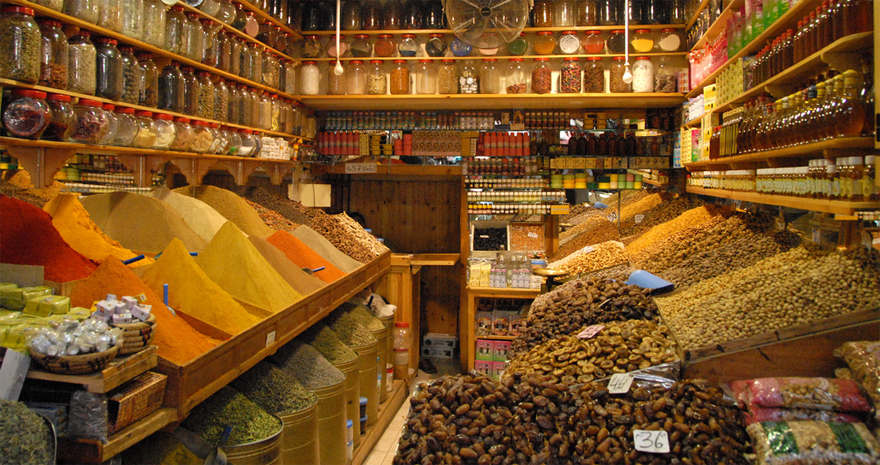

The history of spices is a fascinating journey that stretches from the bustling markets of antiquity to the highly interconnected, globalized food industry of today. Spices—substances derived from plants used primarily for flavoring, preservation, and medicinal purposes—have played a pivotal role in shaping economies, cultures, and international relations for thousands of years. Their allure was not merely culinary; it was strategic, economic, and symbolic, influencing exploration, colonialism, and the establishment of trade networks that linked distant continents.
This article provides an in-depth examination of the evolution of the spice trade, exploring its origins in ancient civilizations, its transformative impact on global commerce and culture during the Age of Exploration, and the modern dynamics of a highly globalized spice industry. Additionally, it examines how globalization continues to shape consumption patterns, trade regulations, and cultural exchanges related to spices.
Origins of the Spice Trade
The spice trade can be traced back over 4,000 years, with early civilizations recognizing the value of aromatic plants. Spices were initially prized not only for their flavor but also for their medicinal properties, ability to preserve food, and ritual significance.
Early Civilizations and Spice Use
- Ancient Egypt – Egyptians valued cinnamon, cassia, frankincense, and myrrh, both for embalming and culinary purposes. Spices were integral to religious rituals, cosmetics, and medicine.
- Mesopotamia and the Indus Valley – Records indicate extensive use of turmeric, black pepper, and cardamom. Trade routes connecting these regions facilitated the movement of spices from South and Southeast Asia to the Near East.
- China – Ancient Chinese texts describe the use of ginger, star anise, and Sichuan pepper for cooking and traditional medicine. These commodities were often transported along early overland trade routes that later became part of the Silk Road.
- Greece and Rome – Classical civilizations prized imported spices such as black pepper, cinnamon, and saffron. Roman elites considered spices a symbol of wealth, and their import drove significant maritime commerce.
The high demand for spices, coupled with their limited geographical sources, meant they were luxury goods, often more valuable than gold. This scarcity and prestige laid the groundwork for the far-reaching trade networks that would dominate the medieval and early modern eras.
Medieval Spice Routes
During the medieval period, the spice trade flourished across multiple interconnected land and sea routes:
1. Overland Routes
- The Silk Road connected China, India, and the Mediterranean world, facilitating the exchange of silk, spices, and other luxury goods.
- Merchants transported black pepper, cinnamon, cloves, and cardamom across deserts and mountain passes, often through intermediaries in Persia and the Middle East.
2. Maritime Routes
- The Indian Ocean was a major artery for maritime trade, linking Southeast Asia, India, Arabia, and East Africa.
- Arab, Indian, and later Chinese sailors played crucial roles in navigating monsoon winds to transport spices such as nutmeg, mace, and cloves.
3. Spice Centers and Markets
Cities like Constantinople, Venice, and Alexandria emerged as major spice hubs. Venetian merchants, in particular, became intermediaries between the East and Europe, importing spices from Arabia and India and distributing them across the continent. Spices were often sold in small, highly expensive quantities, reflecting both their rarity and the risks associated with long-distance trade.
The Age of Exploration and European Domination
The high value and limited supply of spices in Europe drove an era of exploration and maritime expansion between the 15th and 17th centuries:
1. Motivations for Exploration
- Europeans sought direct access to spice-producing regions to bypass intermediaries, reduce costs, and maximize profits.
- Nations such as Portugal, Spain, the Netherlands, and England invested heavily in maritime technology and navigation.
2. Key Explorers and Routes
- Vasco da Gama’s voyage to India in 1498 established a sea route around Africa’s Cape of Good Hope.
- Christopher Columbus sought spices and other Asian goods, inadvertently opening the Americas to European colonization.
- The Dutch East India Company (VOC) monopolized the lucrative trade in nutmeg, cloves, and mace from the Banda Islands, demonstrating the fusion of commerce, military power, and colonialism.
3. Cultural and Economic Impact
- Spices transformed European cuisine, medicine, and even social customs.
- Control of spice trade routes became a strategic economic asset, fueling colonial competition and wars.
- Profits from the spice trade contributed to the rise of mercantilism and the development of modern financial institutions.
Spices and Colonialism
The European drive for control over spice-producing regions led to profound global changes:
1. Economic Exploitation
- Colonizers established plantations and monopolies in Indonesia, India, Sri Lanka, and the Caribbean.
- Indigenous populations were often coerced into labor, while European powers profited from global distribution.
2. Cultural Exchange
- Spices introduced new flavors and cooking techniques to Europe, Asia, and the Americas.
- Culinary fusion created new dishes and gastronomic traditions that persist today.
3. Geopolitical Implications
- Control of spice-rich regions influenced diplomatic relations and military campaigns.
- Spices became tools of soft power, enhancing cultural influence alongside economic dominance.
Industrialization and the Modern Spice Industry
The 19th and 20th centuries brought industrialization, mechanization, and global trade networks that reshaped the spice industry:
1. Advancements in Transportation
- Steamships and railways reduced shipping times, lowered costs, and expanded market access.
- Refrigeration and improved packaging allowed spices and spice-derived products to reach new regions without spoilage.
2. Standardization and Regulation
- Spices were increasingly standardized for purity, quality, and safety.
- Trade organizations and national regulations emerged to ensure consistency and prevent adulteration.
3. Expansion of Global Markets
- Spices became accessible to a broader population beyond elites.
- Growing international demand fueled commercial cultivation in regions such as India, Indonesia, Madagascar, and Central America.
Globalization and Contemporary Spice Trade
Today, the spice trade exemplifies the complexities of globalization, connecting producers, distributors, and consumers worldwide:
1. Leading Producers
- India dominates the global spice market, particularly for black pepper, cardamom, turmeric, and chili.
- Indonesia remains the leading producer of cloves, nutmeg, and mace.
- Other key exporters include Vietnam, Sri Lanka, China, and Madagascar.
2. Trade Dynamics
- Spices are now traded on global commodity markets, with pricing influenced by supply, demand, climate change, and geopolitical events.
- Certification systems (organic, fair trade, and sustainable) ensure ethical sourcing and consumer transparency.
3. Culinary and Health Trends
- Spices are central to international cuisine and home cooking, fueled by culinary globalization.
- Research on the health benefits of spices, including anti-inflammatory, antioxidant, and antimicrobial properties, has expanded consumer interest.
4. Challenges and Opportunities
- Climate change, pest outbreaks, and geopolitical tensions threaten spice production.
- Sustainable agriculture, fair labor practices, and climate-resilient crop varieties are critical to maintaining supply.
- Advances in biotechnology and processing enhance spice quality, flavor, and shelf-life, meeting modern consumer expectations.
The Cultural Legacy of Spices
Beyond economics, spices have left an enduring cultural legacy:
- Culinary traditions across continents reflect centuries of trade and cross-cultural exchange.
- Festivals, rituals, and cuisines often center on aromatic spices, highlighting their symbolic importance.
- Literature, art, and historical records document the fascination with exotic flavors and their role in shaping societies.
Future Prospects
As globalization continues, the spice industry faces both opportunities and responsibilities:
- Sustainable Production – Emphasis on organic, climate-resilient, and ethically sourced spices.
- Innovation in Food Products – Spice-infused products, supplements, and functional foods are growing in popularity.
- Digital Trade and Traceability – Blockchain and supply chain innovations ensure authenticity and quality from farm to table.
- Health Research – Continued scientific study of bioactive compounds may expand the medicinal applications of spices.
The story of spices illustrates how a simple desire for flavor and preservation has influenced global economics, culture, and technology. From ancient caravan routes to digital marketplaces, spices remain both a commodity and a symbol of human curiosity, ingenuity, and connectivity.
Conclusion
The journey of spices from ancient trade routes to modern globalization is a testament to their enduring value and transformative impact. Once luxury commodities that drove exploration, colonization, and conflict, spices now serve as vital components of global cuisine, health, and culture.
Their trade has shaped civilizations, inspired innovation, and fostered cross-cultural connections. In today’s interconnected world, the spice industry continues to evolve, balancing tradition with modern demands for sustainability, ethical sourcing, and scientific validation. The legacy of spices reminds us that human history, economy, and culture are deeply intertwined with the natural resources that tantalize our senses and sustain our societies.
Spices, in essence, are more than mere flavoring agents—they are threads woven through the tapestry of global civilization, linking past and present, East and West, tradition and innovation.