





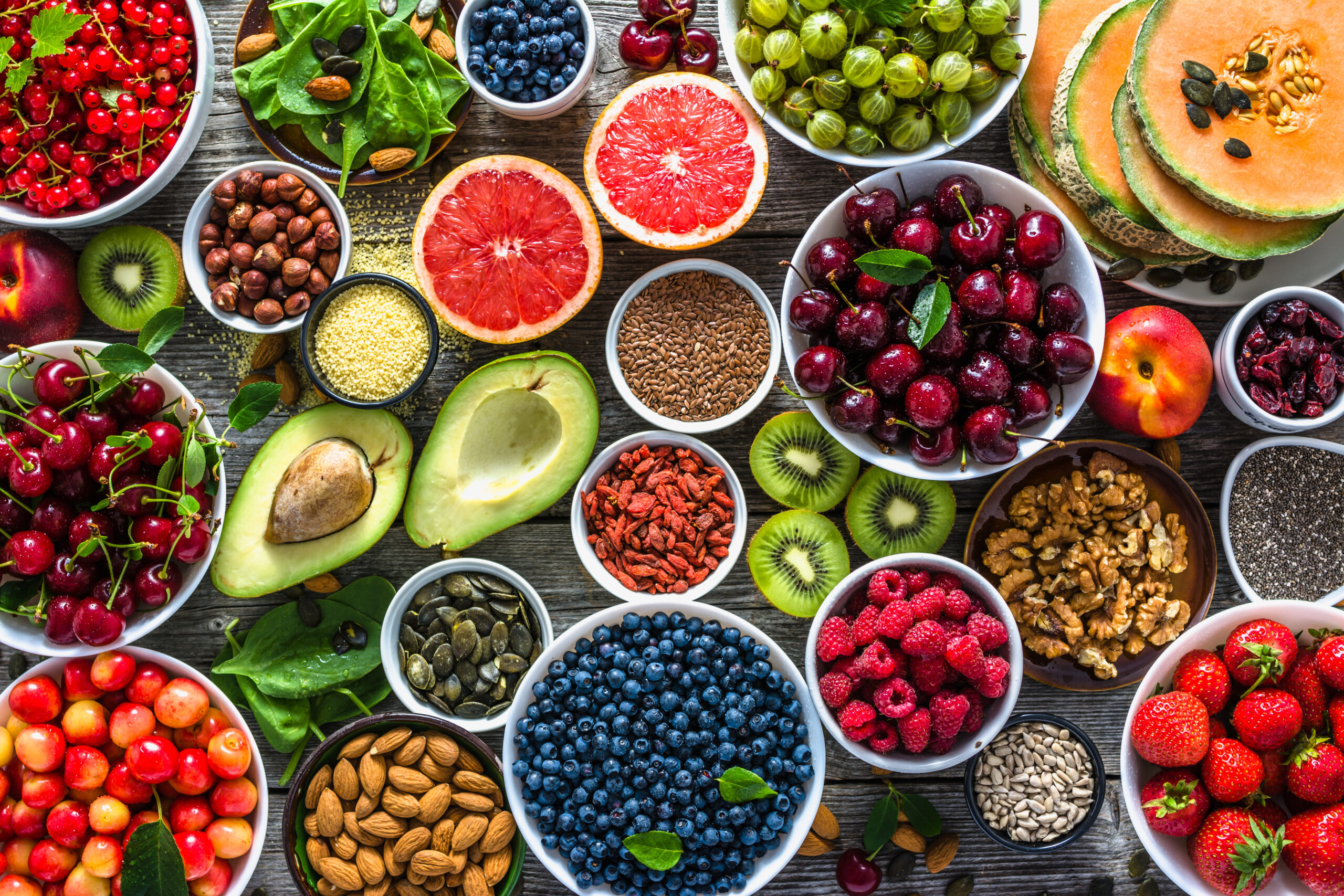

In recent years, the global shift toward healthier lifestyles has brought a spotlight to certain nutrient-dense foods often labeled as “superfoods.” These foods, celebrated for their high concentrations of vitamins, minerals, antioxidants, and other bioactive compounds, have gained popularity in both scientific research and mainstream nutrition circles. While the term “superfood” is more marketing-driven than strictly scientific, the underlying concept emphasizes the consumption of foods that provide exceptional health benefits and may contribute to disease prevention, longevity, and overall wellness.
This article provides a comprehensive exploration of superfoods: their definition, nutritional properties, scientific evidence supporting their health benefits, practical ways to incorporate them into daily diets, and considerations for maximizing their potential without over-reliance.
Understanding Superfoods: Definition and Scope
The term “superfood” lacks a formal scientific definition, but it generally refers to foods that are exceptionally rich in nutrients relative to their caloric content. These foods typically contain high levels of:
- Vitamins and minerals (e.g., vitamin C, vitamin K, magnesium)
- Antioxidants (e.g., polyphenols, carotenoids, flavonoids)
- Healthy fats (e.g., omega-3 fatty acids, monounsaturated fats)
- Dietary fiber (essential for digestive health)
- Phytonutrients (plant compounds with bioactive properties)
While all whole foods contribute to a healthy diet, superfoods are distinguished by their particularly high concentrations of these beneficial compounds, which may confer measurable protective effects on human health.
Common categories of superfoods include:
- Fruits – berries, citrus, and tropical fruits rich in vitamins and antioxidants.
- Vegetables – leafy greens, cruciferous vegetables, and other colorful plants.
- Seeds and nuts – sources of healthy fats, fiber, and minerals.
- Whole grains and legumes – dense in fiber, protein, and micronutrients.
- Seafood – rich in omega-3 fatty acids, iodine, and selenium.
- Fermented foods – such as yogurt and kimchi, supporting gut microbiota.
- Herbs and spices – which contain concentrated antioxidants and anti-inflammatory compounds.
Historical Perspective and Cultural Significance
The concept of superfoods is not entirely modern. Traditional diets around the world have long recognized the exceptional value of certain foods. For instance:
- In China, goji berries have been used for centuries for their antioxidant properties and purported longevity benefits.
- In South America, quinoa has been a staple crop for indigenous communities, prized for its high protein and micronutrient content.
- In India, turmeric has been revered for its anti-inflammatory and medicinal properties.
- In Mediterranean regions, olive oil, nuts, and fresh vegetables form the core of a diet associated with longevity and low cardiovascular risk.
These examples illustrate that while the term “superfood” may be contemporary, the recognition of nutrient-dense, health-promoting foods is deeply rooted in cultural traditions worldwide.

Scientific Evidence Supporting Superfoods
While superfoods are often promoted in media and marketing, many have strong scientific backing for their health benefits. Below are some of the key areas where superfoods have demonstrated measurable effects:
1. Cardiovascular Health
Certain superfoods have been shown to reduce the risk of heart disease. For example:
- Berries – Blueberries, strawberries, and raspberries are rich in anthocyanins and other polyphenols, which improve endothelial function, reduce blood pressure, and lower LDL cholesterol.
- Nuts – Almonds, walnuts, and pistachios provide unsaturated fats, fiber, and phytosterols that help reduce cholesterol and improve heart health.
- Fatty fish – Salmon, sardines, and mackerel are high in omega-3 fatty acids, which reduce inflammation, improve lipid profiles, and lower the risk of arrhythmias.
2. Antioxidant and Anti-Inflammatory Effects
Oxidative stress and chronic inflammation are linked to numerous diseases, including cancer, diabetes, and neurodegenerative disorders. Superfoods rich in antioxidants can help counter these processes:
- Green tea – Contains catechins that reduce oxidative stress and may have anti-cancer effects.
- Turmeric – Its active compound, curcumin, exhibits potent anti-inflammatory properties.
- Dark chocolate – Rich in flavonoids that support cardiovascular and cognitive health when consumed in moderation.
3. Cognitive Health
Certain superfoods support brain function and may protect against cognitive decline:
- Berries – Associated with improved memory and neuroprotection due to high antioxidant content.
- Leafy greens – Spinach, kale, and Swiss chard contain vitamin K, lutein, and folate, supporting cognitive function and brain plasticity.
- Fatty fish – Omega-3 fatty acids are essential for neuron membrane integrity and neurotransmitter function.
4. Weight Management and Metabolic Health
Superfoods can play a role in maintaining healthy body weight and metabolic balance:
- Legumes and whole grains – High in fiber and protein, they promote satiety and reduce the risk of obesity.
- Avocados – Provide healthy fats that increase satiety and improve insulin sensitivity.
- Chia seeds – Rich in fiber and omega-3 fatty acids, they slow digestion and stabilize blood sugar levels.
5. Gut Health
The gut microbiome plays a central role in digestion, immunity, and overall wellness. Certain superfoods support a healthy microbiome:
- Fermented foods – Yogurt, kefir, kimchi, and sauerkraut contain probiotics that enhance gut bacterial diversity.
- High-fiber foods – Fruits, vegetables, legumes, and whole grains provide prebiotics that nourish beneficial gut bacteria.
Popular Superfoods and Their Nutritional Profiles
Below is a detailed overview of some widely recognized superfoods and their unique health benefits:
| Superfood | Key Nutrients & Compounds | Health Benefits |
|---|---|---|
| Blueberries | Anthocyanins, vitamin C, fiber | Antioxidant, cardiovascular, cognitive support |
| Kale | Vitamin K, vitamin C, lutein, fiber | Bone health, anti-inflammatory, eye health |
| Salmon | Omega-3 fatty acids, protein, selenium | Heart health, cognitive support, anti-inflammatory |
| Quinoa | Complete protein, magnesium, fiber | Metabolic health, weight management, satiety |
| Chia seeds | Omega-3s, fiber, calcium | Gut health, blood sugar stabilization, cardiovascular support |
| Avocado | MUFAs, potassium, fiber | Satiety, cardiovascular support, nutrient absorption |
| Turmeric | Curcumin | Anti-inflammatory, antioxidant, neuroprotective |
| Spinach | Iron, folate, vitamin K, lutein | Cardiovascular, cognitive, and bone health |
| Dark chocolate | Flavonoids, magnesium | Cardiovascular health, mood enhancement |
| Greek yogurt | Protein, probiotics, calcium | Gut health, bone health, muscle maintenance |
Incorporating Superfoods Into Daily Life
Adopting superfoods into your diet is about balance, variety, and sustainability rather than obsession with specific ingredients. Practical strategies include:
1. Emphasize Variety
Relying on a single superfood is unnecessary. Nutritional synergy is achieved through a diverse diet that includes multiple nutrient-dense foods. Aim to include fruits, vegetables, whole grains, lean proteins, nuts, and seeds in each meal.
2. Balance and Moderation
Even nutrient-dense foods should be consumed in appropriate quantities. For example, nuts and seeds are highly nutritious but calorically dense, while chocolate should be consumed in small portions to avoid excess sugar intake.
3. Incorporate Superfoods in Meals and Snacks
- Add berries to oatmeal or yogurt for breakfast.
- Include leafy greens in sandwiches, salads, or smoothies.
- Snack on nuts or roasted seeds instead of processed options.
- Use turmeric in soups, stews, or sauces for anti-inflammatory benefits.
4. Opt for Whole and Minimally Processed Forms
Nutrient concentration is often higher in whole foods compared to highly processed extracts or supplements. Eating fruits, vegetables, nuts, and seeds in their natural forms maximizes their bioactive potential.
5. Pair Foods for Enhanced Absorption
Some nutrients require specific conditions for optimal absorption. For example, pairing fat-soluble vitamins (A, D, E, K) in vegetables with healthy fats like olive oil or avocado improves bioavailability.
Critical Considerations and Myths
While superfoods are highly beneficial, it is important to approach them critically:
- Superfoods are not cure-alls: No single food can prevent or treat disease independently. A balanced diet and healthy lifestyle are essential.
- Marketing exaggeration: Many food products marketed as “superfoods” may be processed or high in sugar and fat, which diminishes health benefits.
- Dietary context matters: The benefits of superfoods are maximized within a nutrient-rich, balanced dietary pattern, such as the Mediterranean or plant-based diets.
- Individual differences: Age, genetics, activity level, and health status influence how individuals respond to specific foods. Personalized nutrition is recommended for optimal outcomes.
Future Directions in Superfood Research
Emerging research continues to explore the molecular mechanisms, bioactive compounds, and synergistic effects of superfoods. Key areas of interest include:
- Functional foods and nutraceuticals: Development of food products with enhanced bioactive content.
- Gut microbiome modulation: Understanding how superfoods interact with gut bacteria to influence systemic health.
- Longevity research: Investigating how superfoods contribute to lifespan extension and prevention of age-related diseases.
- Sustainable superfoods: Identifying nutrient-rich crops that promote environmental sustainability alongside human health.
Conclusion
With the rise of health awareness, superfoods have captured public attention not merely as trendy items, but as pillars of a nutrient-dense, wellness-focused lifestyle. Scientific evidence supports their role in promoting cardiovascular health, cognitive function, metabolic balance, and overall longevity. By emphasizing variety, balance, and integration into daily meals, individuals can harness the benefits of superfoods without relying on them as magical solutions.
Ultimately, the concept of superfoods encourages a broader cultural shift toward mindful eating, holistic nutrition, and a proactive approach to health. It reminds us that the path to wellness is not only through the foods we consume but also through understanding their properties, combining them thoughtfully, and embracing a lifestyle that prioritizes long-term vitality.