






Introduction
Japanese cuisine, or washoku, is celebrated worldwide for its precision, subtlety, and meticulous attention to detail. Unlike many other culinary traditions that focus on bold flavors or heavy sauces, Japanese cooking emphasizes natural taste, harmony, and seasonal expression. The artistry of Japanese food lies not only in flavor but also in visual presentation, texture, aroma, and the philosophical principles behind its preparation.
Rooted in centuries of history, Japanese cuisine integrates cultural aesthetics, regional ingredients, and traditional techniques, while embracing innovation without compromising its essence. From the refinement of kaiseki meals to the global phenomenon of sushi, Japanese cooking demonstrates an extraordinary balance of simplicity and sophistication.
This essay explores the defining characteristics of Japanese cuisine, tracing its historical development, philosophical underpinnings, culinary techniques, ingredient selection, presentation aesthetics, regional diversity, and modern global influence. By examining these facets, we can understand why Japanese cuisine continues to be revered for its delicacy, refinement, and cultural resonance.
1. Historical Foundations of Japanese Cuisine
1.1 Ancient and Medieval Influences
- Indigenous Traditions: Early Japanese diets centered around rice cultivation, wild greens, fish, and fermented foods.
- Introduction of Buddhism (6th Century CE): Influenced vegetarian dishes (shojin ryori), promoting the avoidance of meat and the emphasis on plant-based proteins, tofu, and seasonal vegetables.
- Chinese and Korean Culinary Influence: Soy sauce, miso, and fermentation techniques were introduced, integrating flavors and preservation methods into Japanese cooking.
These historical layers established the foundations for Japanese culinary philosophy: harmony with nature, respect for ingredients, and attention to detail.
1.2 Edo Period Refinement (1603–1868)
- Urbanization and economic growth in Edo (modern Tokyo) led to increased sophistication in dining.
- Sushi Evolution: Originally a method of preserving fish with rice, sushi evolved into fresh, bite-sized presentations emphasizing balance and taste.
- Tempura Introduction: Portuguese techniques adapted to Japanese tastes, highlighting frying with precision and subtle seasoning.
The Edo period established enduring culinary techniques and elevated presentation as an art form, influencing Japanese cuisine for centuries.
2. Philosophical and Aesthetic Principles
2.1 Harmony and Seasonality
- Japanese cuisine emphasizes shun, the concept of seasonality. Ingredients are selected at their peak freshness and flavor.
- Seasonal dishes and garnishes reflect the natural rhythm, such as cherry blossom motifs in spring or maple leaves in autumn.
2.2 Minimalism and Respect for Ingredients
- Ingredients are allowed to shine with minimal interference from seasoning.
- Techniques such as steaming, simmering, and gentle grilling enhance natural flavors.
- Presentation and portioning are designed to complement the taste rather than overshadow it.
2.3 Balance of Five Senses
- Visual aesthetics (mise en place) focus on color, shape, and arrangement.
- Texture is carefully considered: soft, firm, crunchy, or silky elements are balanced in a single meal.
- Aroma, temperature, and taste work together to create a holistic dining experience.
3. Signature Techniques in Japanese Cuisine
3.1 Knife Skills and Ingredient Preparation
- Precise cuts (katsuramuki, usuzukuri) maximize flavor and presentation.
- Fish is filleted to preserve freshness and texture for sashimi and sushi.
- Vegetables are sliced, julienned, or carved to enhance aesthetics and mouthfeel.
3.2 Cooking Methods
- Steaming (mushi): Retains flavor and nutrients, common for seafood and vegetables.
- Simmering (nimono): Light broths enhance natural taste without overpowering ingredients.
- Grilling (yakimono): Highlights texture and umami, often with minimal seasoning.
- Frying (agemono): Tempura exemplifies delicate batter, crisp texture, and precision frying.
3.3 Fermentation and Umami
- Fermented products (miso, soy sauce, pickles) are foundational, contributing depth and umami.
- Kombu (kelp), dried bonito flakes (katsuobushi), and shiitake mushrooms add layers of savory taste, forming the basis of dashi broth.
4. Ingredient Selection and Sourcing
4.1 Regional Diversity
- Hokkaido: Rich in seafood and dairy products.
- Kyushu: Known for subtropical ingredients and sweet potatoes.
- Kansai Region: Emphasizes refined, delicate flavors.
- Tokyo (Edo-style): Stronger seasonings, sushi, and deep-fried dishes.
4.2 Seasonal Awareness
- Ingredients are carefully chosen according to peak seasons for freshness and flavor.
- Seasonal garnishes and edible decorations reinforce visual appeal and cultural symbolism.
4.3 Sustainability and Respect for Nature
- Local sourcing ensures freshness and minimizes environmental impact.
- Ethical fishing and farming practices maintain ecological balance and ingredient integrity.
5. Signature Dishes and Styles
5.1 Sushi and Sashimi
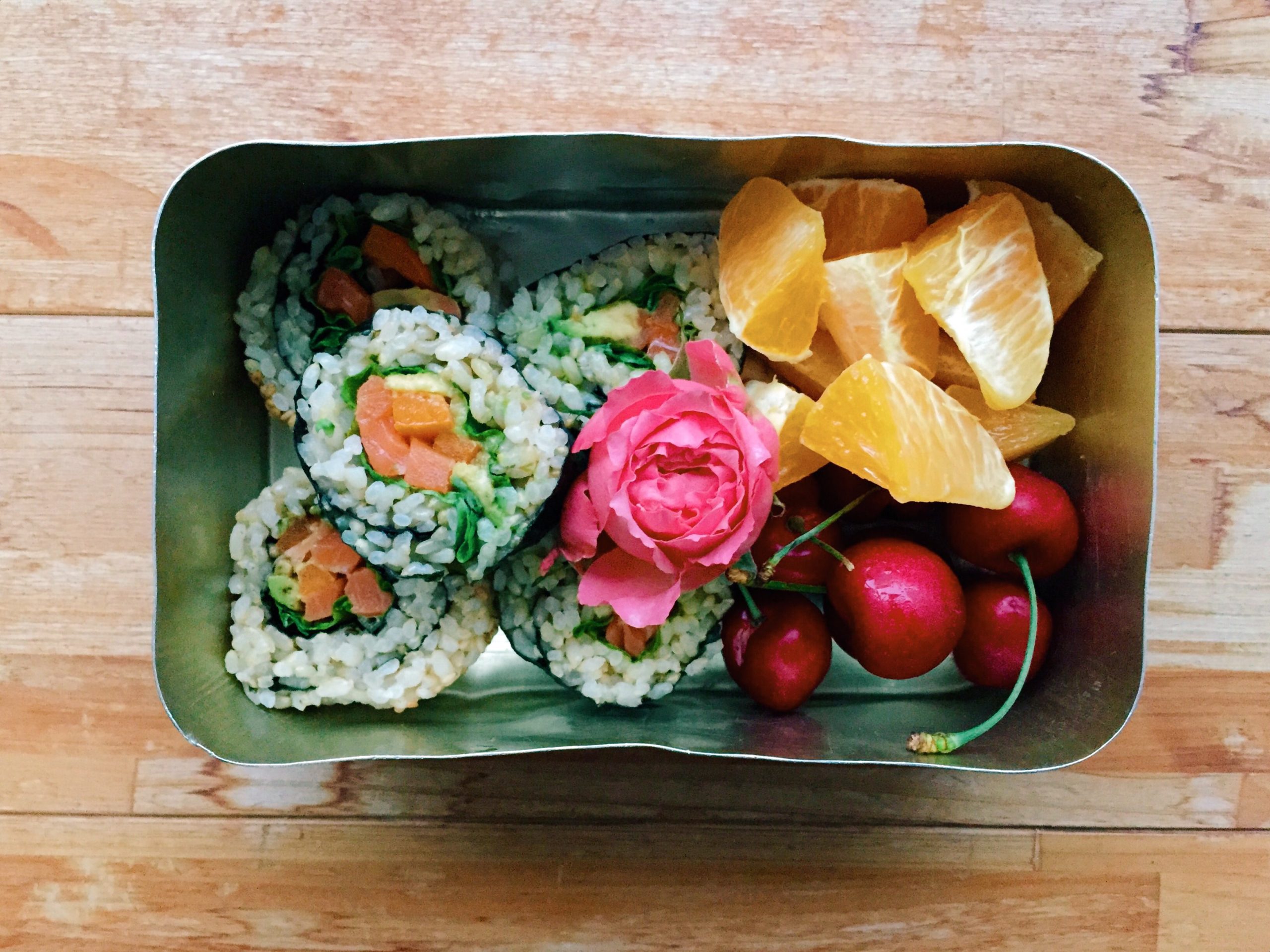
- Combines rice, fresh fish, and careful seasoning for a minimalist yet profound taste experience.
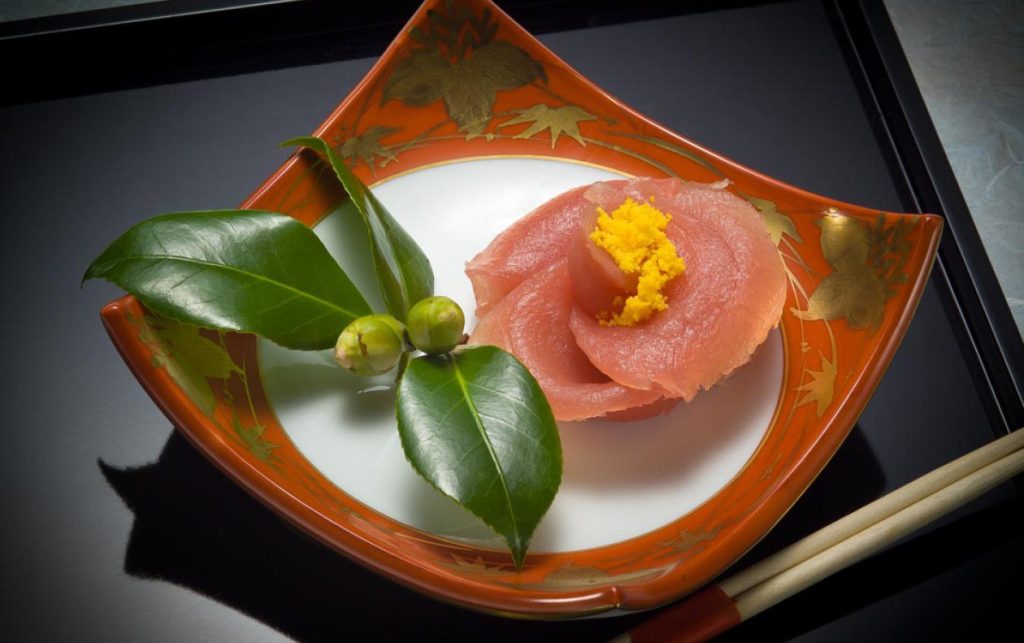
- Presentation emphasizes visual harmony, often incorporating natural elements like leaves and flowers.
- Globalized sushi highlights adaptability while maintaining traditional principles.
5.2 Kaiseki: Seasonal Multi-Course Meals
- Kaiseki reflects the pinnacle of refinement, integrating multiple cooking techniques, textures, and seasonal ingredients.
- Each dish is a narrative, celebrating aesthetics, seasonal awareness, and balance.
5.3 Ramen and Regional Specialties
- While less ceremonial, ramen demonstrates careful balance of broth, noodles, toppings, and spice.
- Regional variations highlight local ingredients and culinary innovation while adhering to fundamental Japanese principles.
6. Visual Presentation and Culinary Art
6.1 Plating Philosophy
- Dishes are designed as edible art, emphasizing color contrast, balance, and negative space.
- Plate selection complements the food, enhancing the sensory experience.
6.2 Tableware and Atmosphere
- Bowls, plates, and chopsticks are carefully chosen to match the meal.
- Natural materials—ceramics, lacquer, bamboo—reinforce aesthetic harmony and cultural context.
6.3 Symbolism in Presentation
- Garnishes often reference seasonal or cultural motifs, creating a deeper connection between food and nature.
- Arrangement reflects respect for ingredients, diners, and tradition.
7. Modern Influences and Globalization
7.1 International Recognition
- Japanese cuisine has gained global prominence, with sushi, ramen, and tempura found worldwide.
- Chefs outside Japan incorporate Japanese techniques into fusion cuisine while respecting tradition.
7.2 Innovation and Adaptation
- Contemporary chefs experiment with molecular gastronomy, new ingredient pairings, and modern plating techniques.
- Despite innovation, Japanese culinary principles of balance, subtlety, and respect for ingredients remain central.
7.3 Culinary Education and Preservation
- Training programs emphasize knife skills, seasonal awareness, and plating aesthetics.
- Institutions globally teach washoku techniques, promoting cultural preservation alongside innovation.
8. Philosophical and Cultural Significance
8.1 Food as Mindfulness
- Meals encourage mindfulness, appreciation of seasonality, and attentiveness to flavor and texture.
- Traditional Japanese meals are structured to engage all senses, fostering cultural and sensory literacy.
8.2 Culinary Ritual and Social Connection
- Tea ceremonies, formal kaiseki dinners, and festival dishes integrate culinary practice with social and spiritual life.
- Dining becomes an act of cultural expression, reflecting respect, hospitality, and aesthetic sensibility.
8.3 Sustainability and Cultural Responsibility
- Emphasis on local, seasonal, and sustainable ingredients demonstrates a philosophical commitment to ecological stewardship.
- Japanese cuisine embodies the principle of mottainai, reducing waste and honoring the life cycle of ingredients.
9. Challenges and Contemporary Considerations
9.1 Balancing Tradition and Global Demand
- Maintaining authenticity while catering to international tastes is an ongoing challenge.
- Mass production and globalization risk diluting seasonal and regional nuances.
9.2 Ingredient Accessibility
- Importing specialty ingredients for global restaurants poses logistical and sustainability challenges.
- Local adaptation may compromise traditional flavors and techniques.
9.3 Preserving Culinary Heritage
- Education, apprenticeship, and documentation are crucial for passing down skills such as knife techniques, fermentation mastery, and plating aesthetics.
- Culinary institutions and cultural programs emphasize washoku as intangible cultural heritage.
10. Future Directions of Japanese Cuisine
10.1 Integration with Modern Gastronomy
- Chefs combine traditional Japanese principles with contemporary techniques like sous-vide, fermentation innovation, and plant-based cuisine.
- Exploration of regional and heirloom ingredients continues to drive creativity.
10.2 Global Influence
- Japanese aesthetics, seasonality, and minimalist philosophy increasingly inspire international culinary trends.
- Cross-cultural collaborations blend Japanese techniques with global ingredients while respecting tradition.
10.3 Sustainability and Ethical Focus
- Emphasis on local sourcing, ecological awareness, and seasonal cycles ensures longevity and relevance of Japanese culinary culture.
- Education on sustainable practices and mindful consumption reinforces cultural principles globally.
Conclusion
Japanese cuisine exemplifies a profound balance of precision, subtlety, and respect for natural ingredients. Its refined techniques, from knife skills to fermentation and multi-course kaiseki, reflect centuries of cultural, historical, and philosophical development.
The aesthetic presentation, seasonal awareness, and sensory harmony make Japanese cuisine not only a culinary tradition but an art form. While innovation and globalization have expanded its reach, the principles of balance, minimalism, and respect for ingredients remain at its core.
Globally, Japanese cuisine continues to influence chefs and diners alike, offering lessons in mindfulness, sustainability, and culinary artistry. Its enduring appeal lies in its ability to harmonize taste, texture, visual beauty, and cultural significance—demonstrating why Japanese cuisine remains synonymous with delicacy, refinement, and gastronomic excellence.