






Introduction
Spices such as black pepper, red chili, cinnamon, and cloves have long transcended their original culinary and geographic boundaries, fundamentally transforming Western cooking and eventually becoming essential components of global cuisine. Among these, black pepper and red chili peppers are particularly significant; black pepper, often referred to as the “king of spices,” traveled from India to Europe via medieval trade routes, while red chili peppers, native to the Americas, revolutionized heat, flavor, and seasoning practices after their introduction to Europe in the 16th century.
These spices were not merely ingredients; they acted as cultural connectors, economic catalysts, and gastronomic innovators. They reshaped European palates, influenced trade, fueled colonial expansion, and laid the groundwork for today’s globalized culinary landscape. Western cuisine, once dominated by local herbs, dairy, and grains, embraced spices as transformative tools for flavor, preservation, and innovation.
This essay explores how the spread of black pepper, red chili, and other spices influenced Western cooking, examining historical trade networks, cultural adoption, culinary innovation, scientific understanding, and contemporary relevance. Through this lens, we see how these ingredients became indispensable not only in Western kitchens but across the global gastronomic spectrum.
1. Historical Overview of Key Spices
1.1 Black Pepper: The King of Spices
- Origins: Indigenous to the Malabar Coast of India, black pepper (Piper nigrum) was treasured in ancient civilizations for its pungent flavor and medicinal properties.
- Medieval Europe: Black pepper became a luxury commodity, often referred to as “black gold,” fueling trade and acting as a status symbol among European elites.
- Trade Routes: Caravans, maritime expeditions, and intermediaries transported pepper from India to the Mediterranean, connecting Europe to South and Southeast Asia.
Black pepper’s integration into European cuisine shifted cooking practices, introducing heat, pungency, and a novel aromatic complexity previously absent in most Western dishes.
1.2 Red Chili: A New World Innovation
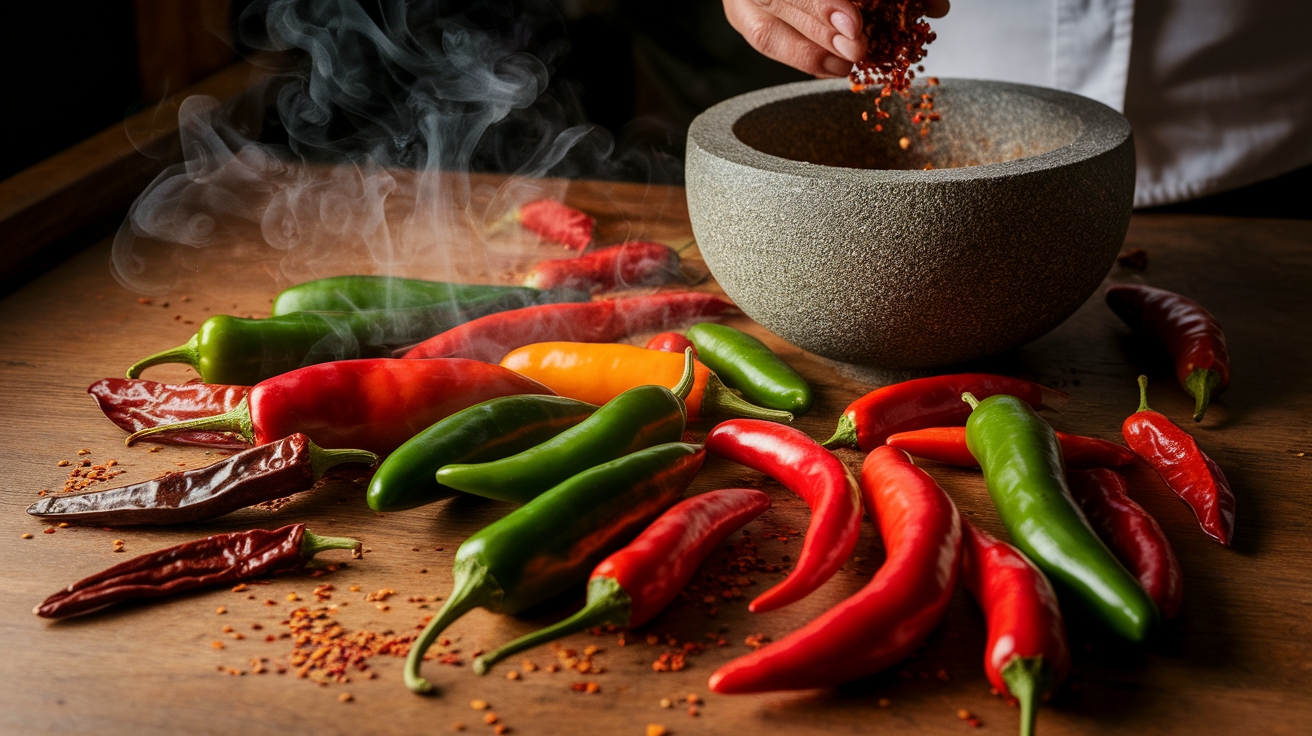
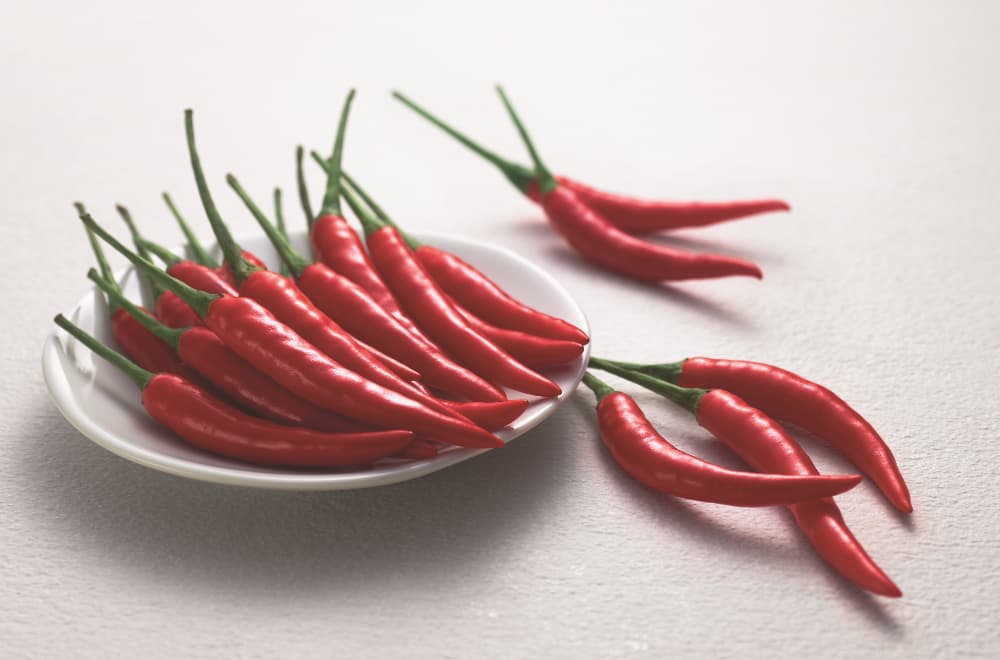
- Origins: Native to Central and South America, red chili peppers (Capsicum species) were cultivated by indigenous populations for centuries.
- European Introduction: Brought to Spain and Portugal after the Columbian exchange, chilies rapidly spread throughout Europe and Asia.
- Culinary Impact: Red chilies introduced fiery heat and a new dimension of flavor, complementing traditional herbs, oils, and grains.
Chili’s versatility and intensity quickly made it a staple in Spain, Italy, Hungary, and eventually much of Asia, illustrating the profound influence of New World ingredients on Old World cuisine.
2. Trade, Economics, and the Global Spread of Spices
2.1 Medieval and Early Modern Trade Networks
- Black Pepper: Caravans from India traversed the Silk Road and Red Sea trade routes, reaching Venice, Genoa, and other Mediterranean ports.
- Chili Peppers: Spanish and Portuguese explorers introduced them to Europe, which then disseminated them across Africa, India, and Southeast Asia.
- Economic Impact: Spices drove exploration, colonization, and the establishment of European trading companies, including the Dutch East India Company and Portuguese spice monopolies.
2.2 Cultural Exchange Through Trade
- Culinary techniques, recipes, and spice blends migrated alongside the physical spices.
- European chefs adapted local cooking practices to accommodate exotic flavors, giving rise to hybrid dishes and new culinary traditions.
- Trade also influenced social and cultural hierarchies; spices remained symbols of wealth, refinement, and sophistication well into the early modern period.
3. Transformation of Western Cooking
3.1 Flavor Profile Expansion
Before the widespread adoption of black pepper and chili:
- European dishes relied heavily on local herbs (thyme, parsley, rosemary), fats, and dairy.
- Seasoning focused on salt, souring agents (vinegar, wine), and limited aromatic herbs.
After the introduction of these spices:
- Black pepper added pungency and complexity, complementing meats, cheeses, and sauces.
- Red chili introduced controlled heat, stimulating new flavor combinations in stews, sauces, and baked goods.
- Culinary experimentation flourished as chefs blended traditional techniques with exotic spices.
3.2 Development of Regional Cuisines
- Italy: Peppercorns became standard in pasta sauces, risottos, and cured meats. Chili peppers entered Southern Italy, influencing dishes such as ‘nduja and Calabrian sauces.
- Spain and Portugal: Chiles contributed to rich, fiery stews, chorizo seasoning, and tapas dishes.
- Central Europe: Paprika, derived from chili peppers, became central to Hungarian cooking, transforming goulash and other iconic dishes.
Spices redefined not only flavor but regional culinary identity, creating distinctions that persist today.
3.3 Preservation and Culinary Innovation
- Spices served functional purposes in addition to flavor enhancement:
- Preserving meats through antimicrobial properties (black pepper, cloves, and chili).
- Masking flavors in cured, salted, or fermented foods.
- Recipes evolved to incorporate spices creatively, resulting in complex sauces, marinades, and pickled condiments.
4. Cultural and Symbolic Dimensions
4.1 Status and Luxury
- Black pepper and other exotic spices were status symbols in Renaissance and early modern Europe.
- Access to high-quality spices signaled wealth, refinement, and global reach.
- Royal and aristocratic kitchens curated spice blends, setting culinary trends for broader society.
4.2 Religious and Ceremonial Uses
- Spices were often incorporated into religious feasts, offering symbolism, aroma, and taste.
- Cinnamon, cloves, and pepper featured in medieval Christian celebrations and festive baking.
- Chili peppers, after introduction, were adapted into culturally specific rituals, especially in Spanish and Mexican traditions.
5. Scientific Understanding of Spices
5.1 Flavor Chemistry
- Piperine in black pepper stimulates taste buds, enhancing perception of other flavors.
- Capsaicin in red chili produces heat and engages sensory receptors, creating a physiological response of spiciness.
- Complex volatile compounds in cloves, cinnamon, and nutmeg contribute aroma, depth, and mouthfeel.
5.2 Nutritional and Health Benefits
- Black pepper enhances digestion and absorption of nutrients, including curcumin in turmeric.
- Chili peppers promote circulation, metabolism, and antioxidant intake.
- Historically, these health properties contributed to the perceived medicinal value of spices, increasing demand and trade significance.
6. Case Studies in Culinary Transformation
6.1 Italian Cuisine
- Black pepper became essential in classic dishes like Cacio e Pepe, risottos, and pasta sauces.
- Chili peppers influenced Southern Italian cuisine, giving rise to fiery spreads, sausages, and pizza toppings.
6.2 Hungarian Cuisine
- Paprika, derived from chili, transformed goulash and stews, becoming a national culinary emblem.
- Spice blends defined Hungarian identity, connecting local agriculture to global exchange.
6.3 Global Fusion
- Red chili became integral to Indian, Thai, and Chinese cuisines post-Columbian exchange.
- Black pepper spread worldwide, from European kitchens to African and Southeast Asian cooking, demonstrating the interconnectedness of global culinary practices.
7. Spices in the Modern Global Kitchen
7.1 Ubiquity and Accessibility
- Today, black pepper and chili are staples in kitchens globally, no longer restricted by status or geography.
- Processed and pre-packaged spice blends allow consistent flavor replication worldwide.
7.2 Contemporary Culinary Innovation
- Chefs use black pepper and chili creatively: infused oils, powders, smoked varieties, and fermented pastes.
- Fusion cuisines integrate these spices across cultural boundaries, combining European, Asian, African, and Latin American influences.
7.3 Ethical and Sustainable Considerations
- Sourcing transparent, fair-trade spices ensures ecological sustainability and social equity.
- Small-scale farmers and heirloom varieties are promoted to preserve flavor complexity and biodiversity.
8. Challenges in Spice Adoption and Integration
8.1 Flavor Standardization vs. Terroir
- Globalized spice production may reduce flavor diversity compared to traditional, local harvesting methods.
- Culinary education increasingly emphasizes sourcing spices that preserve regional identity and potency.
8.2 Adulteration and Market Ethics
- Black pepper, chili, and other high-demand spices are vulnerable to adulteration and mislabeling.
- Certification and traceability systems maintain quality, authenticity, and culinary integrity.
8.3 Cultural Sensitivity
- Integrating spices into new culinary contexts requires respect for their cultural origins.
- Fusion dishes must honor tradition while innovating responsibly, avoiding appropriation or misrepresentation.
9. The Broader Cultural Impact
9.1 Culinary Globalization
- Black pepper and red chili facilitated a shared global palate.
- Recipes and techniques migrated across continents, merging indigenous and imported flavors.
- The spread of spices exemplifies the movement of culture, taste, and knowledge across civilizations.
9.2 Economic and Social Dimensions
- The historical trade of spices shaped global economies, labor systems, and exploration.
- Access to spices influenced social hierarchies and gastronomic preferences in Western societies.
9.3 Contemporary Gastronomic Identity
- Spices define cultural heritage, regional identity, and global culinary trends.
- Chefs use spices to communicate history, craft narratives, and engage diners’ senses beyond mere flavor.
10. Future Directions
10.1 Rediscovery of Heritage Varieties
- Cultivating heirloom peppercorns, chili strains, and traditional spice blends preserves biodiversity.
- Culinary institutions increasingly educate chefs and diners about the historical and ecological significance of spices.
10.2 Culinary Innovation and Science
- Molecular gastronomy and sensory science allow creative reimagination of spice applications.
- Capsaicin, piperine, and other compounds are studied for pairing, preservation, and flavor enhancement.
10.3 Ethical Globalization
- Fair-trade and organic spice production ensures ethical standards, supporting communities and ecological sustainability.
- Transparent supply chains allow chefs to tell the story of spices, honoring history and place.
Conclusion
The introduction and spread of black pepper, red chili, and other spices profoundly transformed Western cooking, establishing them as indispensable ingredients in global kitchens. Beyond flavor, these spices serve as cultural, economic, and historical touchstones, linking continents, traditions, and palates.
Their integration expanded flavor profiles, inspired culinary creativity, and fostered cross-cultural exchange, influencing regional cuisines and forging new gastronomic identities. From Renaissance Europe to modern fusion kitchens, spices illustrate how food transcends nourishment to become a vehicle for storytelling, identity, and global connection.
Today, chefs continue to honor the legacy of black pepper, red chili, and other spices by combining innovation with respect for history, sustainability, and cultural significance. Their pervasive presence in kitchens worldwide demonstrates that these ingredients are not only tools of flavor but symbols of culinary evolution, human ingenuity, and the enduring interconnection of cultures.
Through understanding their historical journeys, culinary applications, and global impact, we recognize spices as essential components that define not only taste but the very narrative of world cuisine.