






Introduction
French cuisine occupies a singular position in the global culinary landscape. It is widely regarded not merely as a national food tradition, but as a benchmark against which other cuisines are often measured. From the refinement of haute cuisine to the warmth of regional home cooking, from Michelin-starred restaurants to neighborhood bakeries, French food culture has shaped how the world thinks about cooking, dining, and gastronomy itself.
The global prestige of French cuisine did not emerge by accident, nor is it the result of a single historical moment. Rather, it is the outcome of centuries of cultural development, political transformation, technical innovation, philosophical reflection, and institutionalization. French cuisine evolved alongside the nation’s social structures, absorbing influences while refining its own culinary language. Over time, it developed not only a repertoire of dishes, but a comprehensive system of techniques, terminology, and values that could be taught, transmitted, and adapted worldwide.
This essay explores how French cuisine came to be recognized as one of the world’s top culinary traditions. It examines its historical foundations, philosophical principles, technical contributions, regional diversity, institutional frameworks, global influence, and contemporary evolution. By understanding these dimensions, we can see why French cuisine has achieved such enduring authority and why it continues to inspire chefs, diners, and food cultures around the world.
1. The Historical Foundations of French Cuisine
1.1 Medieval Roots and Early Refinement
French cuisine did not begin as a unified system. In the Middle Ages, cooking in what is now France varied significantly by region, shaped by local agriculture, climate, and feudal structures. Medieval French food relied heavily on grains, legumes, and preserved meats, with spices used to display wealth rather than to balance flavor.
However, even at this early stage, France began to develop a reputation for culinary sophistication. Royal and noble households employed skilled cooks, and banquets became elaborate displays of order, symbolism, and hierarchy. The foundations of structured dining—multiple courses, careful presentation, and attention to service—were already taking shape.
1.2 The Court and the Rise of Culinary Prestige
The consolidation of royal power, particularly under the Bourbon monarchy, played a crucial role in elevating French cuisine. The court of Louis XIV at Versailles functioned as both a political and cultural center, where food became a tool of representation and control.
Culinary refinement at court encouraged innovation in technique, organization, and presentation. French cuisine began to move away from heavily spiced medieval dishes toward clearer flavors, emphasizing the quality of ingredients. This shift laid the groundwork for the modern culinary philosophy that would later define French gastronomy.
2. Cuisine and the Formation of a National Identity
2.1 From Regional Foods to National Cuisine
For much of its history, France consisted of distinct regions with strong local food traditions. The emergence of French cuisine as a national concept required the gradual integration of these regional practices into a shared culinary identity.
Improved transportation, centralized administration, and the circulation of cookbooks helped standardize techniques and recipes. Over time, dishes from different regions were recognized as part of a collective culinary heritage, reinforcing the idea of French cuisine as both diverse and unified.
2.2 The French Revolution and Culinary Transformation
The French Revolution marked a turning point in the history of French cuisine. The collapse of aristocratic households displaced skilled cooks, who brought refined techniques into the public sphere. This transition contributed to the rise of restaurants and the democratization of fine dining.
Cuisine, once tied to privilege, became a profession based on skill and merit. This shift aligned French cooking with broader revolutionary ideals and allowed it to become a shared cultural asset rather than an exclusive luxury.
3. Philosophical Principles of French Cuisine
3.1 Technique as a Language
One of the defining features of French cuisine is its emphasis on technique. Techniques such as sautéing, braising, poaching, roasting, and sauce-making are not merely practical methods; they form a structured culinary language.
French cooking treats technique as a means of expression. Mastery of technique allows chefs to control flavor, texture, and aroma with precision. This focus on method rather than rigid recipes makes French cuisine adaptable and transferable across contexts.
3.2 Balance, Structure, and Clarity
French cuisine values balance and clarity. Flavors are meant to complement rather than overwhelm one another. Sauces enhance ingredients without masking their natural character, and dishes are constructed with attention to proportion and harmony.
This structured approach reflects broader French intellectual traditions that prioritize logic, classification, and refinement. Cuisine becomes an extension of cultural thought.
4. The Central Role of Sauces
4.1 Sauces as Culinary Foundations
Few aspects of French cuisine have been as influential as its sauce tradition. The systematic classification of sauces—often attributed to figures such as Antonin Carême and later Auguste Escoffier—provided a framework that transformed cooking into a codified discipline.
Sauces serve as both technical and conceptual foundations. They link ingredients, define flavor profiles, and demonstrate the cook’s skill. The emphasis on sauces distinguishes French cuisine from many other traditions and has deeply influenced Western cooking.
4.2 Technique, Patience, and Precision
Sauce-making requires patience, timing, and control. Reductions, emulsions, and stocks demand careful attention, reinforcing values of discipline and craftsmanship.
These qualities contribute to the perception of French cuisine as rigorous and exacting, enhancing its prestige and professional authority.
5. Regional Diversity Within French Cuisine
5.1 Geography and Terroir
Despite its reputation for refinement, French cuisine is deeply rooted in geography. The concept of terroir—the relationship between land, climate, and flavor—is central to French food culture.
From the butter-rich dishes of Normandy to the olive oil-based cooking of Provence, regional cuisines reflect local resources and histories. This diversity adds depth and authenticity to French cuisine as a whole.
5.2 Regional Traditions and Global Recognition
Many dishes now considered globally French originated as regional specialties. Bouillabaisse, cassoulet, coq au vin, and quiche all emerged from local contexts before gaining national and international recognition.
French cuisine’s ability to elevate regional foods without erasing their origins has contributed to its richness and credibility.
6. Bread, Pastry, and the Art of Baking
6.1 Bread as Cultural Symbol
Bread occupies a central place in French daily life. The baguette, in particular, has become a symbol of French identity, representing simplicity, craftsmanship, and tradition.
The cultural importance of bread reinforces the idea that French cuisine values everyday excellence as much as luxury.
6.2 Pastry as Technical Mastery
French pastry is renowned for its precision and elegance. Techniques developed in France—such as laminated doughs, custards, and sugar work—set global standards.
Pastry exemplifies the French approach to cooking: technical rigor combined with aesthetic sensitivity. This balance has influenced professional baking worldwide.
7. Institutionalization of French Cuisine
7.1 Culinary Education and Professionalization
France played a key role in formalizing culinary education. Apprenticeship systems, culinary schools, and professional hierarchies helped standardize training and ensure consistency.
This institutional structure allowed French cuisine to be taught systematically, making it exportable and reinforcing its global authority.
7.2 Michelin Guide and Culinary Prestige
The Michelin Guide further elevated French cuisine’s international status. By establishing criteria for excellence, consistency, and service, it created a global framework for evaluating restaurants.
Although now international in scope, the guide’s origins in France reinforced the country’s role as a culinary reference point.
8. French Cuisine and Global Influence
8.1 The Language of Western Gastronomy
French culinary terminology—chef, menu, entrée, sauté, mise en place—became the language of professional kitchens worldwide. This linguistic influence reflects deeper structural impact.
Even cuisines that diverge from French flavors often adopt French techniques and organizational principles, demonstrating the breadth of French influence.
8.2 French Chefs Abroad
French chefs played a key role in spreading culinary knowledge globally. Through diplomacy, colonization, hospitality, and education, they introduced French methods to kitchens around the world.
This dissemination reinforced the perception of French cuisine as universal rather than purely national.
9. Haute Cuisine and the Idea of Culinary Art
9.1 Cuisine as an Art Form
France was instrumental in framing cuisine as an art comparable to painting, music, or architecture. The chef became an artist, and the dish a composition.
This conceptual shift elevated cooking from manual labor to creative expression, enhancing its cultural status.
9.2 Aesthetics and Presentation
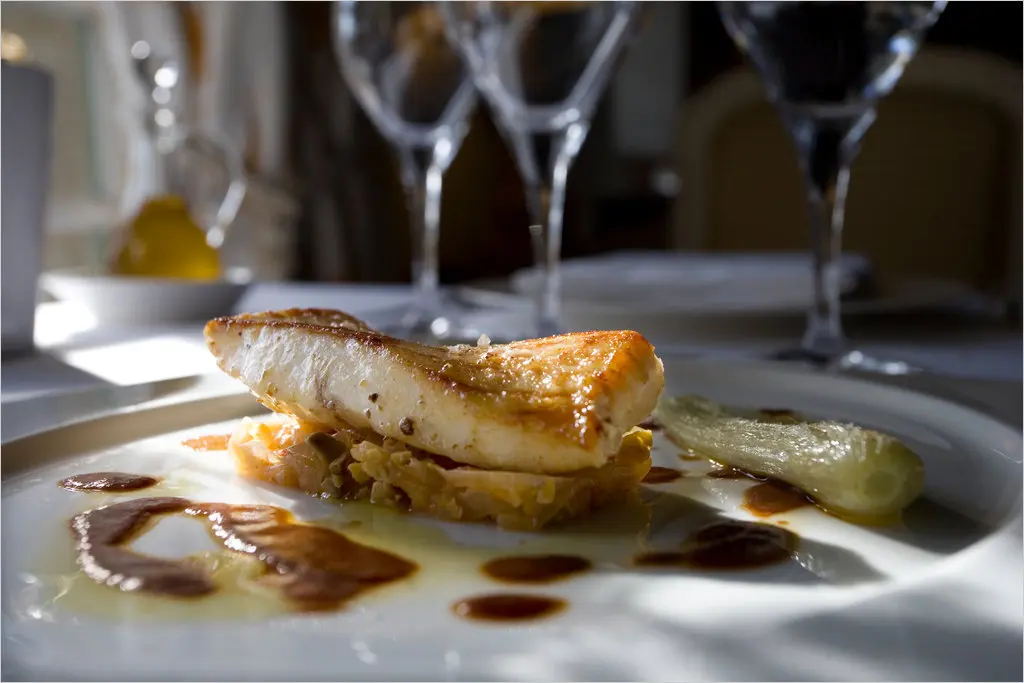
French cuisine places strong emphasis on presentation. Plate composition, color balance, and visual harmony contribute to the dining experience.
This attention to aesthetics influenced modern fine dining globally and reinforced the association between French cuisine and elegance.
10. Adaptation and Reinvention in the Modern Era
10.1 Nouvelle Cuisine and Beyond
In the 20th century, movements such as nouvelle cuisine challenged classical heaviness, emphasizing lighter preparations, freshness, and individual creativity.
This capacity for self-critique and renewal demonstrates the resilience of French cuisine. Rather than remaining static, it evolves while preserving core principles.
10.2 Contemporary French Cooking
Today’s French cuisine incorporates global influences, sustainability concerns, and technological innovation. Chefs reinterpret tradition through modern sensibilities, proving that prestige does not require rigidity.
French cuisine remains relevant precisely because it adapts without losing its identity.
11. Criticism and Reassessment
11.1 Questioning Culinary Dominance
French cuisine’s global authority has not gone unchallenged. Critics argue that its dominance has marginalized other culinary traditions.
These debates have encouraged greater pluralism in global gastronomy while prompting French cuisine to reflect on its own position.
11.2 From Hierarchy to Dialogue
Modern culinary culture increasingly values dialogue over hierarchy. French cuisine now exists alongside other great traditions rather than above them.
This shift does not diminish its importance; instead, it situates French cuisine within a richer global conversation.
12. French Cuisine as Cultural Heritage
12.1 Recognition and Preservation
French gastronomy has been recognized as intangible cultural heritage, acknowledging its role in shaping social practices and collective identity.
This recognition reflects not only technical excellence, but cultural significance.
12.2 Transmission to Future Generations
Preserving French cuisine involves education, documentation, and continued practice. By teaching techniques and values, France ensures continuity amid change.
Tradition is maintained not by resisting evolution, but by guiding it.
Conclusion
French cuisine has become one of the world’s premier culinary traditions through a unique combination of history, philosophy, technique, and institutional support. It evolved from regional and courtly practices into a national and global system that values balance, craftsmanship, and intellectual rigor.
Its influence extends far beyond specific dishes. French cuisine shaped how cooking is taught, evaluated, and understood worldwide. It introduced a culinary language that continues to inform professional kitchens and dining culture across continents.
Yet the true strength of French cuisine lies not only in its past achievements, but in its capacity for renewal. By embracing adaptation while honoring tradition, French cuisine remains a living, dynamic force. It stands as a testament to how food, when cultivated with care, thought, and creativity, can become a lasting expression of cultural excellence.