






Introduction
Among the many culinary traditions that have crossed borders and gained international acclaim, sushi stands as one of the most recognizable and influential. Originating in Japan, sushi has evolved from a regional method of food preservation into a refined culinary art form and a global gastronomic phenomenon. Today, sushi is consumed in countless variations across continents, appearing in humble neighborhood eateries, upscale restaurants, supermarkets, and even convenience stores. Its aesthetic simplicity, perceived health benefits, and adaptability have contributed to its widespread appeal.
Yet sushi’s global popularity cannot be explained by taste alone. Sushi embodies key elements of Japanese culture: respect for nature, attention to detail, seasonality, balance, and discipline. Its preparation reflects a philosophy that values restraint over excess and precision over spectacle. As sushi traveled beyond Japan, it carried these cultural meanings while also adapting to new contexts, ingredients, and consumer expectations.
This essay explores sushi as a representative of Japanese cuisine and a global cultural symbol. It traces sushi’s historical development, examines its philosophical and technical foundations, analyzes its globalization and transformation, and considers its contemporary significance in culinary culture. Through this exploration, sushi emerges not merely as a food, but as a powerful medium of cultural exchange and identity.
1. The Historical Origins of Sushi
1.1 From Preservation Technique to Culinary Tradition
The origins of sushi can be traced back over a thousand years to Southeast Asia, where fish was preserved by fermenting it with rice. This early form, known as narezushi, involved packing salted fish with cooked rice and allowing it to ferment for months. The rice was discarded, and only the preserved fish was consumed.
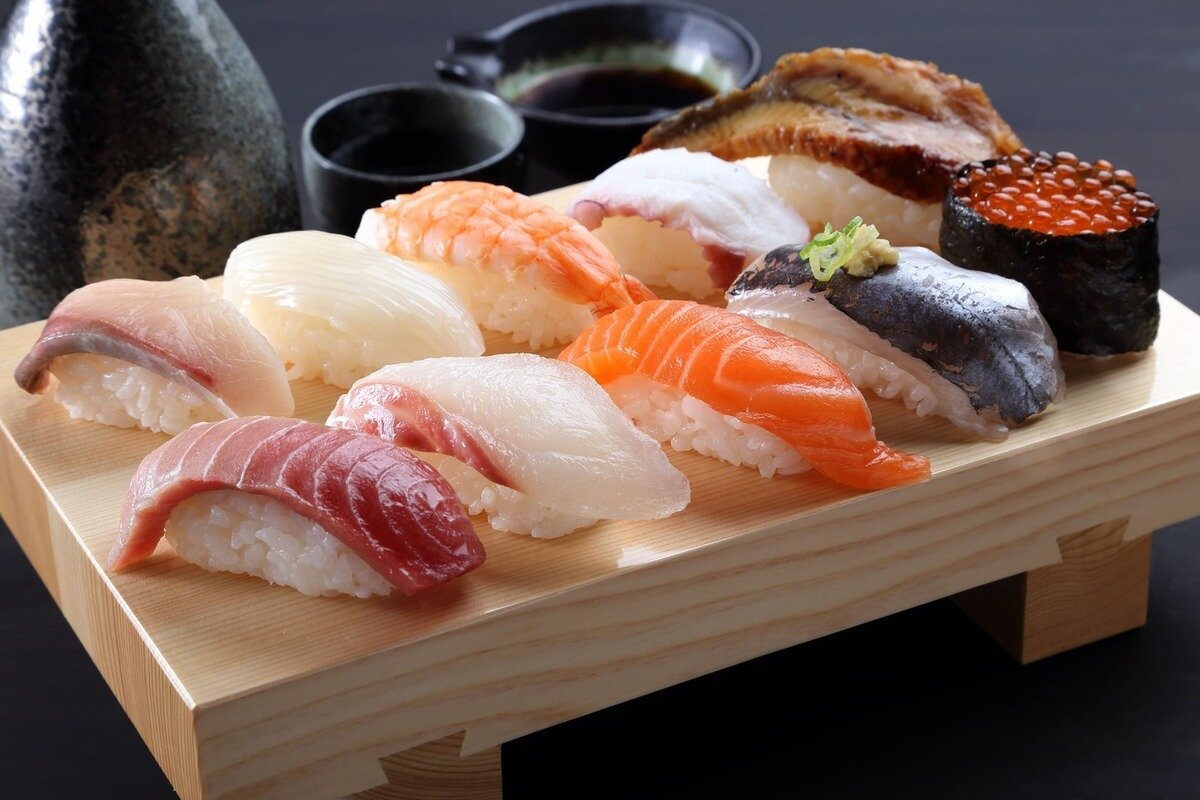
When this method reached Japan, it gradually evolved. Japanese adaptations shortened the fermentation process and eventually led to the consumption of rice and fish together. By the Edo period (1603–1868), sushi had transformed into a fast food suitable for urban life. Nigiri sushi, consisting of fresh fish placed atop vinegared rice, emerged in Edo (modern-day Tokyo), reflecting improved access to fresh seafood and advances in rice vinegar production.
1.2 Sushi and Urban Culture in Edo Japan
Nigiri sushi was initially sold by street vendors and eaten by hand, much like contemporary fast food. Despite its humble origins, it quickly gained popularity due to its convenience, flavor, and use of fresh ingredients from Tokyo Bay.
This period marked a turning point in sushi’s identity. It shifted from a preservation method to a culinary expression centered on freshness, seasonality, and craftsmanship—values that continue to define sushi today.
2. Philosophical Foundations of Sushi
2.1 Harmony with Nature
At the heart of sushi lies a profound respect for nature. Japanese culinary philosophy emphasizes working with ingredients rather than imposing upon them. In sushi, the goal is to highlight the natural flavor of fish and rice with minimal intervention.
Seasonality plays a crucial role. Traditional sushi chefs select ingredients based on their peak seasons, believing that nature determines when a food is at its best. This philosophy aligns with broader Japanese aesthetic concepts such as shun (seasonal peak) and wabi-sabi, which values simplicity and impermanence.
2.2 Balance and Restraint
Sushi exemplifies balance—not only in flavor, but in texture, temperature, and visual composition. Vinegared rice provides acidity to complement the richness of fish, while wasabi adds subtle heat without overpowering the palate.
Restraint is equally important. Unlike cuisines that emphasize complex layering of flavors, sushi often relies on just a few elements. This minimalism demands precision and deep understanding of ingredients, reinforcing the idea that less can be more.
3. Sushi as a Craft: Technique and Discipline
3.1 The Role of the Sushi Chef
Becoming a traditional sushi chef (itamae) requires years of rigorous training. Apprentices often begin with menial tasks such as washing rice and cleaning tools before gradually learning knife skills, fish preparation, and rice seasoning.
This apprenticeship system reflects Japanese values of discipline, humility, and respect for hierarchy. Mastery is achieved not through shortcuts, but through repetition and attention to detail.
3.2 Rice as the Foundation of Sushi
While fish often receives the most attention, seasoned rice (shari) is considered the soul of sushi. Perfect sushi rice requires precise control of texture, temperature, moisture, and seasoning. Each chef develops a unique balance of vinegar, sugar, and salt, tailored to complement specific fish.
The preparation of rice demonstrates how sushi is as much about technique and intuition as it is about ingredients.
4. Regional Diversity Within Japanese Sushi
4.1 Edo-Style Sushi and Beyond
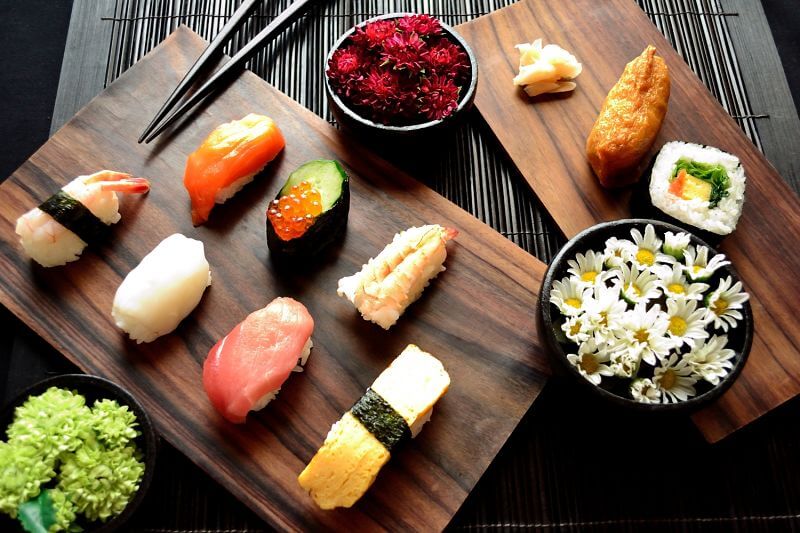
Although nigiri sushi is the most internationally recognized form, Japan offers a wide range of regional sushi styles. Oshizushi (pressed sushi) from Osaka, chirashizushi (scattered sushi), and makizushi (rolled sushi) reflect local histories and preferences.
These variations illustrate that sushi itself is not monolithic. Its diversity within Japan laid the groundwork for its adaptability abroad.
4.2 Local Ingredients and Traditions
Different regions incorporate local seafood, vegetables, and preservation techniques. Inland areas historically relied more on fermented or cured fish, while coastal regions emphasized freshness.
This regional adaptability reinforces sushi’s identity as a cuisine deeply rooted in place and environment.
5. The Global Spread of Sushi
5.1 Sushi’s Introduction to the West
Sushi began appearing outside Japan in the mid-20th century, particularly in the United States after World War II. Initially, it was consumed primarily by Japanese expatriates and adventurous diners.
As global travel increased and Japanese culture gained international visibility, sushi gradually entered mainstream Western dining. Its clean presentation and association with health and sophistication appealed to urban consumers.
5.2 Sushi as a Symbol of Modernity
In many countries, sushi became associated with cosmopolitan lifestyles and cultural openness. Eating sushi signaled worldliness and appreciation for foreign traditions.
This symbolic value helped accelerate sushi’s global acceptance, transforming it from an unfamiliar food into a marker of modern dining culture.
6. Adaptation and Innovation Outside Japan
6.1 Ingredient Substitution and Local Taste
As sushi spread globally, it adapted to local tastes and ingredient availability. In regions where raw fish consumption was less common, cooked seafood, vegetables, and sauces were introduced.
The California roll, featuring avocado and crab, is one of the most famous examples of sushi adaptation. Though not traditional, it played a significant role in making sushi accessible to Western audiences.
6.2 Fusion Sushi and Creative Expression
Fusion sushi blends Japanese techniques with non-Japanese ingredients, such as cream cheese, tropical fruits, or spicy sauces. While purists may criticize these variations, fusion sushi reflects the same adaptive spirit that characterized sushi’s evolution within Japan.
These innovations demonstrate sushi’s flexibility as a culinary form and its capacity to absorb diverse cultural influences.
7. Sushi in Europe: Refinement and Reinvention
7.1 European Culinary Contexts
In Europe, sushi entered a culinary landscape shaped by classical traditions and strong regional identities. Early sushi restaurants often emphasized authenticity, presenting sushi as an exotic yet refined experience.
Over time, European chefs began incorporating sushi techniques into fine dining, combining Japanese precision with local ingredients such as Mediterranean fish or Nordic seafood.
7.2 Sushi in High-End Gastronomy
In cities like Paris and London, sushi has influenced contemporary fine dining aesthetics. Elements such as minimalist plating, focus on ingredient quality, and emphasis on seasonality resonate with modern European culinary values.
This integration elevated sushi from casual dining to a respected component of haute cuisine.
8. Sushi, Health, and Modern Lifestyles
8.1 Perceptions of Health and Wellness
Sushi is often perceived as a healthy food due to its use of fish, rice, and vegetables. Omega-3-rich seafood and moderate portion sizes align with modern health-conscious trends.
This perception has contributed significantly to sushi’s popularity, particularly among urban professionals and younger consumers.
8.2 Sustainability Concerns
As sushi consumption increased worldwide, concerns about overfishing and sustainability emerged. Certain fish species, such as bluefin tuna, face significant ecological pressure.
In response, many chefs and organizations advocate for sustainable sourcing, alternative species, and responsible consumption. These efforts reflect sushi’s evolving role in global food ethics.
9. Cultural Authenticity and Global Debate
9.1 What Is “Authentic” Sushi?
Globalization has sparked debates about sushi authenticity. Traditionalists argue that only sushi made according to Japanese conventions deserves the name, while others view adaptation as a natural outcome of cultural exchange.
This debate highlights broader questions about ownership, tradition, and innovation in global cuisine.
9.2 Sushi as a Cultural Ambassador
Regardless of variation, sushi continues to serve as a cultural ambassador for Japan. It introduces diners to Japanese values such as craftsmanship, respect for ingredients, and aesthetic harmony.
Even non-traditional sushi often sparks curiosity about its origins, encouraging deeper engagement with Japanese culture.
10. Sushi in Contemporary Japanese Identity
10.1 Tradition in a Modern Context
In Japan, sushi remains both a traditional craft and a modern industry. Conveyor-belt sushi chains coexist with high-end sushi counters, reflecting diverse social needs and economic realities.
This coexistence demonstrates how sushi adapts internally while preserving its cultural core.
10.2 Education and Preservation
Efforts to preserve traditional sushi craftsmanship include formal training programs, documentation, and cultural promotion. These initiatives ensure that sushi’s heritage is not lost amid global commercialization.
11. The Future of Sushi in a Globalized World
11.1 Innovation Rooted in Respect
The future of sushi lies in balancing innovation with respect for tradition. New techniques, plant-based alternatives, and sustainable practices are likely to shape sushi’s next chapter.
Chefs who understand sushi’s philosophical foundations are better positioned to innovate responsibly.
11.2 Sushi as a Shared Global Language
As sushi continues to evolve, it increasingly belongs to a shared global culture. Yet its Japanese origins remain central to its identity.
This duality—local adaptation and cultural continuity—ensures sushi’s relevance in an interconnected world.
Conclusion
Sushi’s exceptional global recognition is the result of centuries of evolution, cultural depth, and adaptability. From its origins as a method of preservation to its status as a global culinary icon, sushi reflects the values, aesthetics, and philosophies of Japanese culture while embracing change.
As a representative of Japanese cuisine, sushi communicates ideas of harmony with nature, disciplined craftsmanship, and respect for seasonality. Its global journey has produced countless variations, each reflecting the cultural contexts in which sushi is prepared and consumed.
Ultimately, sushi’s enduring appeal lies in its ability to balance tradition and innovation. It is both deeply rooted and endlessly adaptable—a culinary form that continues to connect people across cultures through simplicity, elegance, and shared appreciation for food.