





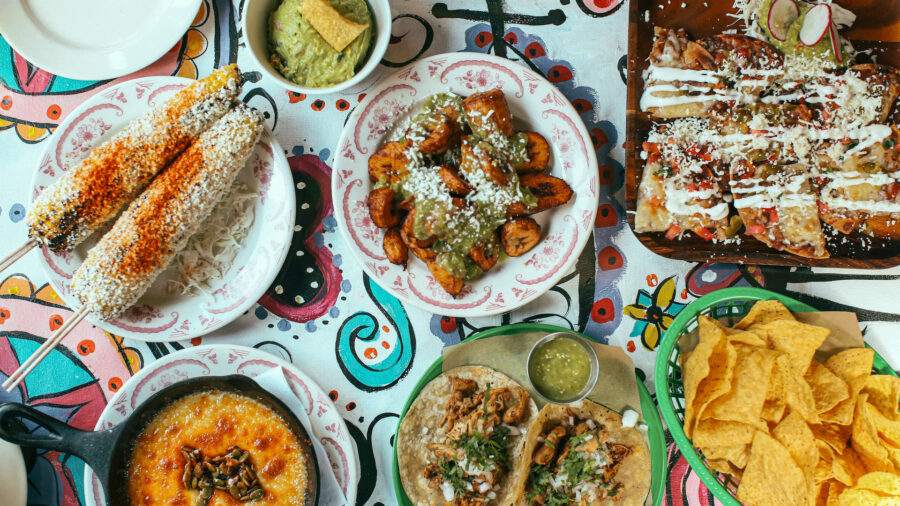

Latin America is a vast region stretching from Mexico to Argentina, encompassing a diverse range of climates, ecosystems, and cultures. Its culinary identity is rooted in ancient agricultural practices, indigenous knowledge, and colonial influences, resulting in a rich tapestry of flavors, textures, and ingredients. From staple crops like corn, beans, and potatoes to tropical fruits, chili peppers, and native herbs, Latin American traditional ingredients are more than mere food—they are a reflection of history, culture, and the environment.
This article explores the origins, characteristics, culinary uses, nutritional value, and cultural significance of traditional Latin American ingredients, demonstrating their enduring influence on both regional and global gastronomy.
Historical and Cultural Context
Latin America’s culinary foundation predates European colonization:
- Pre-Columbian Agriculture: Indigenous civilizations, including the Aztecs, Mayans, and Incas, domesticated staple crops such as corn (maize), beans, squash, and potatoes.
- Colonial Influence: Spanish and Portuguese colonization introduced ingredients like wheat, rice, sugarcane, dairy, and various spices, which were integrated into indigenous cuisines.
- Trade and Migration: The Columbian Exchange and later migrations brought new crops, culinary techniques, and flavors, blending European, African, and indigenous traditions.
- Regional Diversity: Tropical rainforests, high-altitude Andes, arid deserts, and fertile coastal plains each contributed unique ingredients adapted to local environments.
These historical and ecological factors created a culinary identity defined by both adaptation and preservation, highlighting the resilience and creativity of Latin American communities.
Staple Crops
Corn (Maize)
- Origins and Varieties: Domesticated in Mesoamerica over 7,000 years ago, corn remains a cornerstone of Latin American diets. Varieties include white, yellow, blue, and red corn.
- Culinary Uses: Corn is consumed as tortillas, tamales, arepas, pupusas, polenta, and hominy. It can also be fermented into beverages such as chicha and atole.
- Nutritional Value: Rich in carbohydrates, fiber, vitamins (B1, B3), and antioxidants (particularly in colored varieties), corn provides sustained energy and supports metabolic health.
Beans (Legumes)
- Diversity: Common beans (Phaseolus vulgaris) include black, red, pinto, and kidney varieties.
- Culinary Uses: Beans are a staple protein source, used in soups, stews, refried preparations, and side dishes. They are often paired with corn for complete amino acid profiles.
- Health Benefits: High in protein, fiber, and micronutrients such as iron, magnesium, and folate, beans contribute to cardiovascular and digestive health.
Potatoes and Root Vegetables
- Potatoes: Originating in the Andes, potatoes are cultivated at high altitudes in thousands of varieties, offering diverse flavors, textures, and colors.
- Other Roots: Cassava (yuca), sweet potatoes, and taro-like tubers are widely consumed across tropical and subtropical regions.
- Culinary Uses: Roasted, mashed, boiled, or fried, root vegetables are integral to both daily meals and festive dishes.
- Nutritional Contribution: Rich in complex carbohydrates, potassium, and vitamin C, they provide energy and micronutrients essential for human health.
Chili Peppers and Spices
Chili peppers, native to the Americas, define the bold flavors of Latin American cuisine:
- Varieties: Jalapeño, habanero, poblano, aji amarillo, and chipotle represent regional heat levels and flavor profiles.
- Culinary Applications: Used fresh, dried, roasted, or powdered, chilies flavor sauces, salsas, stews, and marinades.
- Health Benefits: Capsaicin, the active compound, has anti-inflammatory properties, supports metabolism, and may improve cardiovascular health.
- Spices and Aromatics: Cumin, coriander, annatto, allspice, oregano, and cilantro complement indigenous flavors and enhance aromatic complexity.
The combination of heat, aroma, and color contributes to the distinctive taste of Latin American dishes while also promoting nutrient absorption and satiety.
Tropical and Subtropical Fruits
Latin America’s climate supports an abundance of nutrient-rich fruits:
- Avocado: High in monounsaturated fats, fiber, and potassium; central to guacamole and salads.
- Papaya and Mango: Provide vitamin C, carotenoids, and antioxidants; eaten fresh or in beverages and desserts.
- Pineapple, Guava, and Passion Fruit: Used in juices, preserves, and desserts, offering sweetness balanced by acidity.
- Berries and Native Fruits: Acai, camu camu, and lucuma are valued for antioxidant properties and culinary versatility.
These fruits are integral to both nutrition and culinary aesthetics, adding color, flavor, and vitamins to traditional and contemporary dishes.
Traditional Proteins
Seafood
- Coastal regions provide abundant fish and shellfish: tilapia, snapper, shrimp, octopus, and ceviche-grade fish.
- Methods include grilling, steaming, marinating in citrus (ceviche), and stewing in broths or coconut milk.
Meat and Poultry
- Goat, beef, pork, and chicken are commonly used, often in slow-cooked stews, roasted preparations, or grilled.
- Cultural dishes such as Brazilian feijoada, Argentine asado, and Peruvian pachamanca showcase meat as a festive and communal element.
Eggs and Dairy
- Eggs are incorporated into tortillas, empanadas, and pastries.
- Cheese, often made from cow, goat, or sheep milk, complements dishes such as quesillo, queso fresco, and panela.
Culinary Techniques and Traditional Preparations
Latin American cuisine reflects practicality, flavor, and preservation techniques:
- Nixtamalization: The process of soaking and cooking corn in alkaline solution enhances nutrition and digestibility.
- Fermentation: Chicha, pulque, and fermented maize or cassava products showcase indigenous fermentation knowledge.
- Roasting and Grilling: Meats, tubers, and vegetables are often roasted in open flames or earthen ovens (pachamanca).
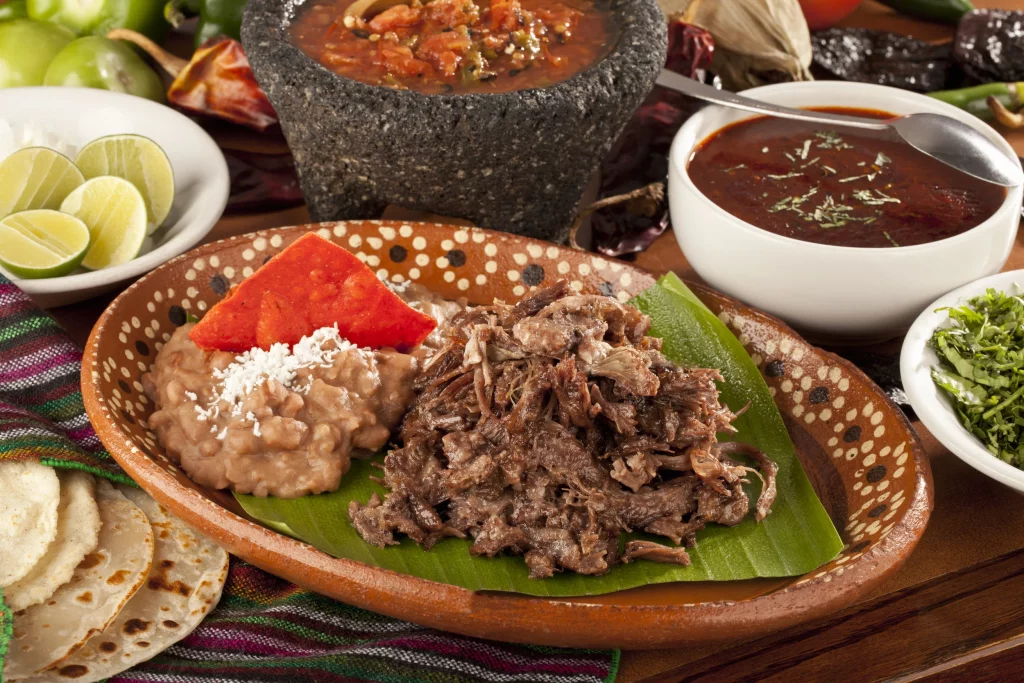
- Salsas and Moles: Complex combinations of chilies, nuts, seeds, herbs, and spices create layered flavors that define regional identities.
- Preservation: Drying, smoking, and pickling extend shelf life and introduce flavor complexity.
These techniques demonstrate culinary ingenuity rooted in environment, seasonality, and cultural heritage.
Nutritional and Health Perspectives
Traditional Latin American ingredients form balanced, nutrient-dense meals:
- Plant-Based Staples: Corn, beans, and vegetables provide fiber, micronutrients, and antioxidants.
- Healthy Fats: Avocado, nuts, and certain seeds offer monounsaturated and polyunsaturated fats.
- Lean Proteins: Fish, poultry, and legumes supply essential amino acids.
- Phytochemicals: Chilies, herbs, and tropical fruits contribute antioxidants, anti-inflammatory compounds, and immune-supportive nutrients.
Diets rich in these ingredients support cardiovascular health, metabolic regulation, gut health, and longevity, illustrating the wisdom of traditional food practices.
Regional Culinary Identities
Mexico and Central America
- Staples: Corn, beans, squash, chilies, tomatoes, cacao.
- Signature Dishes: Tamales, tacos, mole poblano, pozole, and salsas.
- Cultural Significance: Food is deeply tied to festivals, rituals, and family traditions.
Andean Region (Peru, Bolivia, Ecuador)
- Staples: Potatoes, quinoa, corn, native tubers.
- Signature Dishes: Ceviche, pachamanca, causa, and grain-based stews.
- Cultural Identity: Indigenous knowledge preserves crop diversity and seasonal eating.
Caribbean and Northern South America
- Staples: Plantains, cassava, tropical fruits, seafood.
- Signature Dishes: Arepas, mofongo, sancocho, coconut-based stews.
- Influences: Indigenous, African, and colonial Spanish traditions blend in flavors and techniques.
Southern Cone (Argentina, Chile, Uruguay)
- Staples: Beef, maize, potatoes, legumes.
- Signature Dishes: Asado, empanadas, locro, and seafood preparations along the coast.
- Cultural Significance: Communal dining, grilling, and family gatherings are central.
Regional differences highlight adaptation to climate, ecology, and cultural heritage, while common ingredients reinforce a shared Latin American culinary identity.
Preservation of Traditional Ingredients and Practices
Modernization, urbanization, and globalization pose challenges to traditional foodways:
- Threats: Loss of indigenous crops, industrialized food, and dietary homogenization.
- Conservation Efforts: Seed banks, culinary schools, and local cooperatives protect heirloom varieties and traditional recipes.
- Sustainable Agriculture: Agroforestry, organic practices, and polyculture systems maintain biodiversity and soil health.
- Cultural Education: Promoting knowledge of local ingredients ensures intergenerational transmission of culinary heritage.
Preserving traditional ingredients is essential for cultural identity, biodiversity, and sustainable nutrition.
Global Influence of Latin American Ingredients
Latin American ingredients have inspired global culinary trends:
- Corn-Based Products: Tortillas, tamales, and arepas are now popular worldwide.
- Chilies and Spices: Aji, habanero, and chipotle flavors influence international cuisines.
- Avocado and Tropical Fruits: Global demand for guacamole, smoothies, and exotic fruit dishes has increased appreciation for native produce.
- Beans and Grains: Quinoa and black beans are integrated into plant-based and health-focused diets globally.
Their global influence illustrates how traditional, nutrient-rich ingredients can inform modern cooking, health-conscious diets, and sustainable food systems.
Conclusion
Traditional Latin American ingredients represent a fusion of history, ecology, and culture, forming the foundation of one of the world’s most diverse and flavorful culinary regions. Corn, beans, potatoes, chilies, tropical fruits, and native herbs reflect centuries of indigenous knowledge, colonial adaptation, and environmental stewardship.
These ingredients are not only delicious but also nutritionally dense, supporting cardiovascular, metabolic, and digestive health. Their preparation techniques—from nixtamalization to fermentation—demonstrate ingenuity, sustainability, and cultural reverence for food.
Preserving these traditional ingredients ensures that Latin America’s culinary heritage remains vibrant, culturally significant, and globally influential, providing lessons in nutrition, ecology, and gastronomic creativity. By embracing these ingredients, both within the region and globally, we honor centuries of knowledge, biodiversity, and the artistry of Latin American cuisine.
Latin American traditional ingredients are more than sustenance; they are a living connection to history, environment, and community, embodying the principle that food is simultaneously nourishment, culture, and identity.