





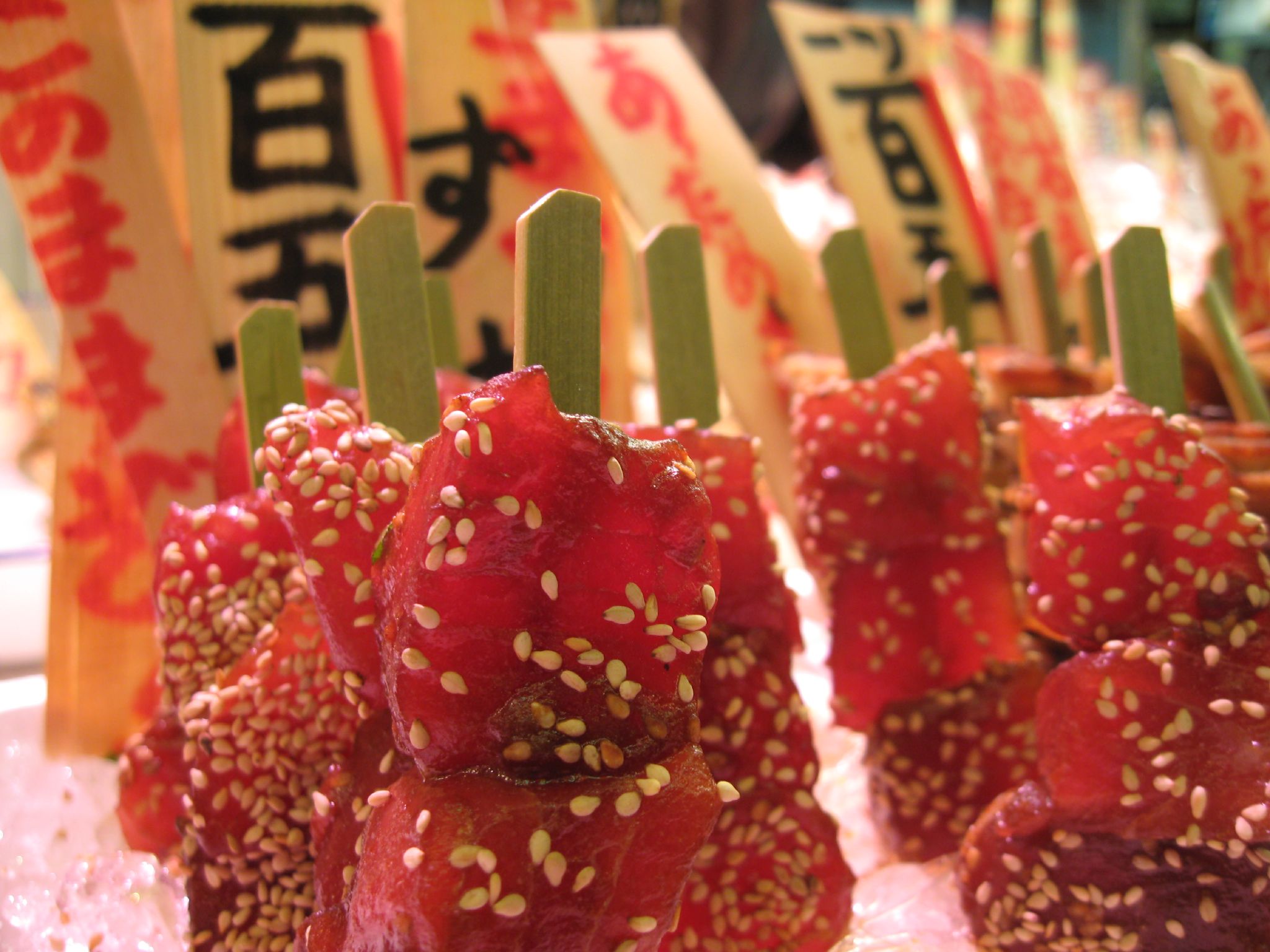

Japanese cuisine, or washoku, is celebrated globally for its delicate balance of flavors, textures, and aesthetics. Central to its appeal is the unique range of ingredients cultivated, foraged, and perfected over centuries. From umami-rich kombu seaweed to seasonal vegetables and rare seafood, Japanese ingredients are more than food—they are a reflection of geography, culture, tradition, and innovation. This article explores the origins, characteristics, culinary uses, and cultural significance of Japan’s most distinctive ingredients, demonstrating why they continue to captivate chefs, food enthusiasts, and researchers worldwide.
Historical and Cultural Context
Japan’s archipelago, stretching over 3,000 kilometers, offers a diverse climate ranging from temperate north to subtropical south. This geographical diversity has shaped a rich tapestry of local ingredients, many of which are tied to regional identities and seasonal traditions.
- Seasonality (Shun): Japanese cuisine emphasizes consuming ingredients at their peak freshness. Foods are selected according to season, enhancing flavor, nutrition, and aesthetic presentation.
- Regional Specialties (Kyōdo Ryōri): Local ingredients often define regional dishes, such as Hokkaido’s seafood, Kyoto’s tofu and yuba, or Okinawa’s tropical vegetables.
- Historical Trade and Isolation: While Japan was historically isolated, selective trade introduced ingredients like soybeans, chili, and wheat, which were adapted and transformed into uniquely Japanese products.
This emphasis on seasonality, locality, and cultural refinement forms the backbone of Japan’s culinary identity, linking ingredients to rituals, celebrations, and daily life.
Umami-Rich Foundations
Japanese cuisine is famous for its umami, the so-called fifth taste, which is often attributed to glutamate-rich ingredients. These components provide depth and savoriness to dishes:
- Kombu (Edible Kelp): A key ingredient in dashi, kombu is rich in glutamic acid and minerals. It is harvested mainly from Hokkaido’s cold waters.
- Katsuobushi (Dried Bonito Flakes): Smoked and fermented bonito is shaved thinly to enhance dashi and toppings, offering umami and subtle smokiness.
- Shiitake Mushrooms: Both fresh and dried shiitake are prized for their natural glutamates, lending savory depth to soups, broths, and stir-fries.
- Nori and Wakame Seaweed: Used in sushi, soups, and salads, these seaweeds provide umami, minerals, and distinctive textures.
These umami-rich ingredients are not only culinary staples but also culturally symbolic, representing Japan’s intimate connection to the sea and natural environment.
Seasonal Vegetables and Foraged Delicacies
Japan’s temperate climate and mountainous terrain produce a variety of vegetables, many of which are rare outside the country:
- Kabocha (Japanese Pumpkin): Sweet, dense, and slightly nutty, kabocha is versatile in soups, tempura, and simmered dishes.
- Shungiku (Chrysanthemum Greens): These leafy greens offer a subtle bitterness and are common in hot pots (nabe) during winter.
- Udo (Aralia Cordata): A spring vegetable with crisp stems and mildly bitter flavor, often served pickled or sautéed.
- Sansai (Mountain Vegetables): Wild foraged ingredients, including fiddlehead ferns, bracken, and bamboo shoots, highlight Japan’s foraging culture and seasonal appreciation.
These vegetables emphasize texture, freshness, and subtle flavor, reflecting Japan’s philosophy of letting the ingredient’s natural character shine.
Japanese Seafood: Freshness and Precision
Surrounded by oceans, Japan has an abundance of seafood, much of which is consumed raw, lightly cooked, or fermented to preserve umami:
- Wagyu Beef and Fish (A5 Tuna, Yellowtail, Sea Bream): Known for exceptional quality, texture, and fat marbling, high-end proteins are central to Japanese fine dining.
- Uni (Sea Urchin): With a creamy texture and briny flavor, uni is prized in sushi, showcasing the ocean’s delicate bounty.
- Hokke (Atka Mackerel) and Sanma (Pacific Saury): Seasonal fish that highlight the importance of freshness and preparation techniques such as grilling and preservation.
- Ika (Squid) and Tako (Octopus): Consumed raw, pickled, or simmered, these seafood ingredients display Japan’s skill in handling delicate textures.
Japanese seafood culture emphasizes seasonal awareness, freshness, and minimal intervention, allowing the natural flavors to dominate while complementing with subtle seasonings.
Fermented Ingredients: Tradition and Innovation
Fermentation is central to Japanese cooking, providing complex flavors, preservation, and health benefits:
- Miso: Fermented soybean paste varies regionally from sweet (Kyoto) to robust (Hokkaido) and is the foundation of soups, marinades, and sauces.
- Soy Sauce (Shoyu): Developed over centuries, soy sauce adds depth, saltiness, and umami to countless dishes.
- Natto: Fermented soybeans with a sticky texture and strong aroma, natto is nutritionally dense and culturally significant, often eaten for breakfast.
- Pickles (Tsukemono): Vegetables fermented in salt, rice bran, or vinegar, including takuan (daikon radish) and umeboshi (pickled plum), provide acidity, flavor, and digestive benefits.
Fermentation represents Japan’s mastery of natural processes, enhancing flavors while preserving nutrients.
Rice and Grains: The Staple of Japanese Cuisine
Rice is at the heart of Japanese meals, reflecting both sustenance and cultural identity:
- Japonica Rice: Short-grain and sticky, this variety is ideal for sushi, onigiri, and daily consumption.
- Ancient and Specialty Rice: Varieties such as mochigome (glutinous rice) are used in ceremonial foods and desserts.
- Other Grains: Barley, soba (buckwheat), and millet appear in noodles, breads, and traditional dishes, showcasing regional adaptations and nutritional diversity.
Rice cultivation in Japan is not merely agricultural—it is ceremonial, seasonal, and socially symbolic, representing harmony between humans and land.
Unique Seasonings and Condiments
Japanese cuisine relies on subtle, precise seasoning to enhance the natural flavors of ingredients:
- Wasabi: Traditionally grated from fresh rhizomes, wasabi offers pungency and heat that complement raw fish.
- Yuzu and Citrus Varieties: Yuzu, sudachi, and kabosu provide aromatic acidity in dressings, sauces, and seafood dishes.
- Dashi-Based Seasonings: Broths made from kombu and katsuobushi form the backbone of soups, sauces, and simmered dishes.
- Mirin, Sake, and Rice Vinegar: These liquid seasonings balance sweetness, acidity, and umami in cooking.
The careful use of condiments reflects a philosophy of enhancing rather than overpowering, emphasizing harmony in flavor profiles.

Regional Specialties: A Culinary Map
Japan’s diverse geography results in distinct regional ingredients and culinary traditions:
- Hokkaido: Seafood, dairy products, and potatoes define northern cuisine.
- Kyoto: Delicate vegetables, yuba (tofu skin), and refined kaiseki cuisine reflect a subtle, artistic approach.
- Okinawa: Tropical fruits, sweet potatoes, and bitter greens contribute to longevity diets.
- Niigata and Akita: Rice-producing regions that offer premium sake and seasonal mushrooms.
Each region’s ingredients reflect local ecology, climate, and cultural practices, reinforcing Japan’s deep connection to land and seasonality.
Culinary Applications: Tradition Meets Innovation
Japanese ingredients are versatile and adaptable:
- Sushi and Sashimi: Emphasize freshness, texture, and umami-rich condiments.
- Tempura: Seasonal vegetables and seafood are lightly fried to preserve flavor and texture.
- Nabe and Hot Pots: Regional vegetables, seafood, and meats simmered in flavorful broths, showcasing seasonal bounty.
- Modern Fusion: Chefs worldwide incorporate Japanese ingredients such as miso, yuzu, and shiso into global cuisine, bridging tradition and contemporary culinary innovation.
Japanese ingredients inspire precision, seasonality, and balance, making them a global standard for gastronomy.
Nutritional and Health Perspectives
Many Japanese ingredients are inherently nutritious:
- Seaweed: Rich in iodine, minerals, and fiber, supporting thyroid and digestive health.
- Fermented Soy Products: Provide protein, probiotics, and isoflavones, contributing to longevity and metabolic health.
- Seasonal Vegetables: Offer vitamins, minerals, antioxidants, and phytochemicals while promoting dietary diversity.
- Fish and Seafood: Supply omega-3 fatty acids, protein, and trace minerals, aligning with Japan’s reputation for long life expectancy.
These foods exemplify a holistic approach to diet, integrating flavor, nutrition, and cultural context.
Sustainability and Cultural Preservation
Japan’s approach to ingredients reflects sustainable use of resources and cultural preservation:
- Locally Sourced Ingredients: Many dishes emphasize local harvests to maintain freshness and reduce environmental impact.
- Traditional Practices: Foraging, fermentation, and rice cultivation sustain biodiversity and heritage knowledge.
- Seasonal Menus: Respect for natural cycles encourages reduced waste and alignment with environmental rhythms.
This integration of sustainability, culture, and gastronomy ensures that Japanese ingredients remain relevant and respected worldwide.
Conclusion
The unique charm of Japanese ingredients lies in their balance of tradition, seasonality, and innovation. From umami-rich seaweeds and delicate vegetables to rare seafood and precise condiments, these ingredients embody centuries of culinary knowledge, ecological adaptation, and cultural refinement.
Japanese ingredients are not merely components of meals—they are living expressions of culture, history, and geography. Their careful cultivation, preparation, and consumption illustrate a philosophy of harmony, respect for nature, and attention to detail, inspiring chefs, researchers, and food enthusiasts globally.
Exploring these ingredients offers more than culinary enjoyment; it provides insight into Japan’s culture, health practices, and sustainable approaches to food. Their global influence continues to shape contemporary cuisine, offering lessons in flavor, nutrition, and mindful consumption.
In essence, the allure of Japanese ingredients is a delicate interplay of taste, tradition, and innovation, reminding us that food is simultaneously art, science, and cultural heritage.